Amsonia ‘Blue Ice’ (Blue Star)
What is Amsonia ‘Blue Ice’ (Blue Star)? Amsonia ‘Blue Ice’, commonly known as Blue Star, is a perennial plant that belongs to the Apocynaceae family. This.
What is Amsonia ‘Blue Ice’ (Blue Star)?
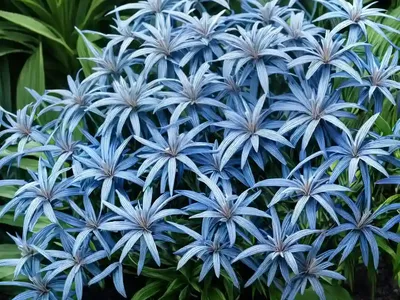
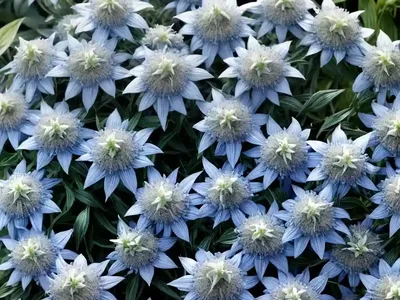
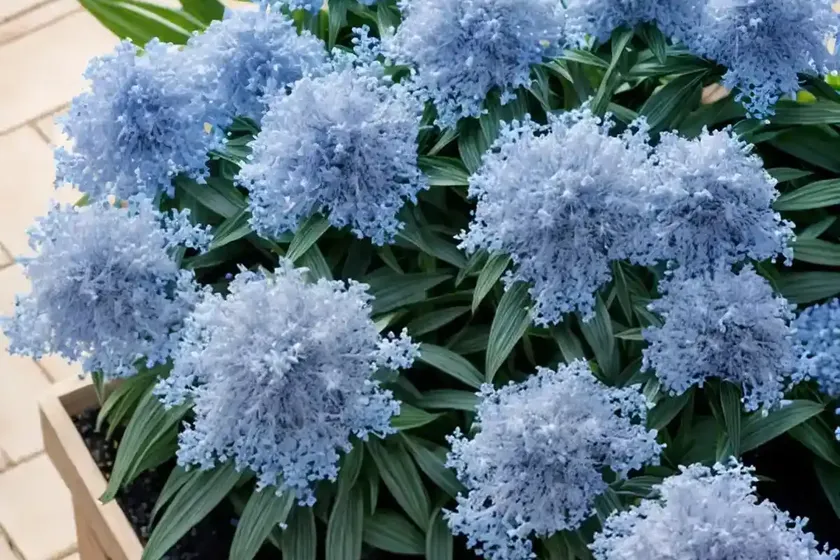
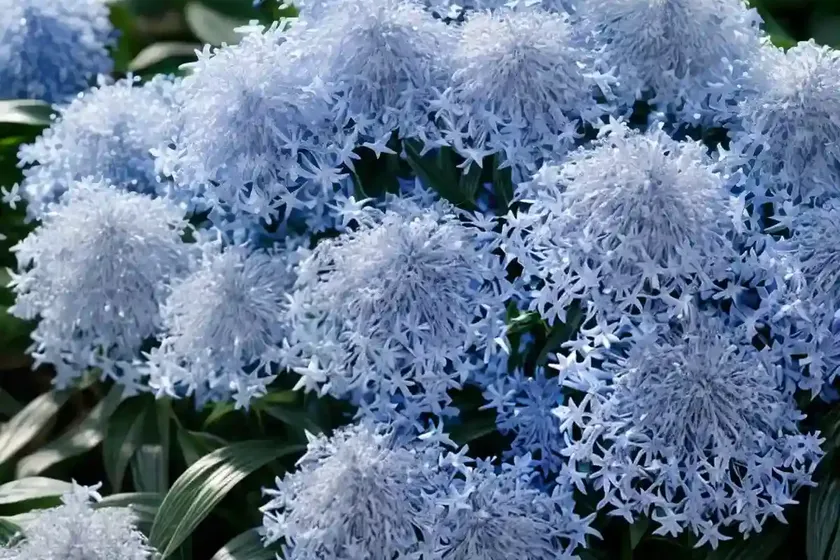
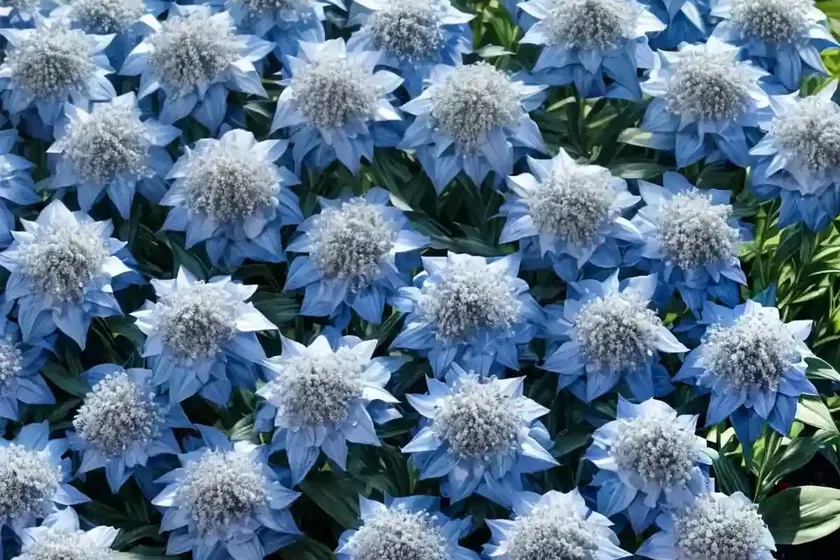
Amsonia ‘Blue Ice’, commonly known as Blue Star, is a perennial plant that belongs to the Apocynaceae family. This native North American plant is a popular choice for gardens due to its attractive blue star-shaped flowers and low-maintenance characteristics. It is named after Charles Amson, an American physician and botanist.
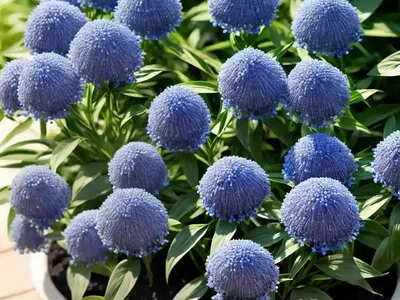
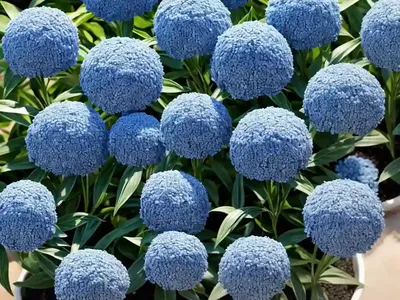
Amsonia ‘Blue Ice’ is valued for its delicate, narrow foliage and beautiful clusters of small, light blue flowers that bloom in late spring to early summer. The plant’s vibrant and delicate appearance makes it a perfect addition to various landscaping settings. It is known for its adaptability and ability to thrive in a wide range of environmental conditions, from full sun to partial shade, making it a versatile choice for gardeners.
Key Takeaways – Amsonia ‘Blue Ice’ (Blue Star)
Characteristics
- Vibrant clusters of small, light blue flowers
- Delicate, narrow foliage
- Tolerates a wide range of environmental conditions
- Native to North America
Culture
Uses
Amsonia ‘Blue Ice’ has several uses, including:
– Ornamental garden plant
– Pollinator attraction
– Erosion control in landscaping
– Medicinal purposes in traditional medicine
Water
Watering Needs: Amsonia ‘Blue Ice’ prefers well-drained soil and moderate watering. Once established, it exhibits considerable drought tolerance and requires less frequent watering. However, consistent moisture is essential during the initial stages of growth and flowering.
Sunlight
Sun Requirements: Blue Star plants thrive in full sun to partial shade. They can endure a variety of light conditions, making them suitable for various garden settings.
Fertilizer
Fertilization: Blue Star plants generally do not require high levels of fertilization. A balanced, slow-release fertilizer applied in early spring can help support healthy growth and flowering. Excessive fertilization is not recommended, as it may lead to vigorous foliage growth at the expense of flower production.
Soil
Soil Type: Well-drained, loamy soil is ideal for Amsonia ‘Blue Ice’. The plant prefers slightly acidic to neutral soil pH levels. It is essential to avoid waterlogged or compacted soil, as it can lead to root rot and other issues.
Pruning
Pruning Techniques: Pruning of Blue Star plants is typically minimal. Deadheading, or the removal of spent flower clusters, can promote prolonged flowering and a tidy appearance. Additionally, light pruning in late winter or early spring can help rejuvenate the plant and maintain its shape.
Propagation
Propagation Methods: Blue Star plants can be propagated through division or by sowing seeds. Dividing mature clumps in early spring is a common and effective propagation method. Seeds can be sown in a suitable growing medium in the fall to establish new plants.
Container Popularity
Amsonia ‘Blue Ice’ is also well-suited for container gardening. Its compact size, attractive flowers, and adaptability to container settings make it a popular choice for adding splashes of color to patios, balconies, and outdoor living spaces.
Common Diseases
Disease Diagnosis
Blue Star plants are generally resistant to common plant diseases. However, excessive moisture and poor air circulation can lead to potential issues such as powdery mildew and root rot. Regular inspection and appropriate cultural practices can help prevent and manage these conditions.
Common Pests
Despite being relatively pest-resistant, Blue Star plants may occasionally encounter pest issues such as aphids, spider mites, and scale insects. Early detection and appropriate pest management measures can help maintain the plant’s health and vigor.
Botanist’s Tips
- Incorporate Amsonia ‘Blue Ice’ in mixed perennial borders for a natural and elegant look.
- Plant in mass to create stunning visual impact and maximize the plant’s delicate features in the landscape.
Fun Facts
- The genus name “Amsonia” honors Charles Amson, a physician and botanist from Virginia.
- Blue Star plants are recognized for their ecological value, attracting pollinators such as bees and butterflies.
Links to External Resources
- North American Plant Conservation Initiative: Learn more about plant conservation efforts across North America.
- Royal Horticultural Society – Plant Selector: Discover additional information on plant selection and cultivation.
As a plant scientist, I find Amsonia ‘Blue Ice’ to be a fascinating addition to garden landscapes due to its ornamental appeal and low-maintenance nature. Its adaptability, stunning blue flowers, and ecological benefits make it a valuable choice for both amateur and experienced gardeners. Whether used as a border plant, a groundcover, or in container gardens, Blue Star adds a touch of elegance and charm to outdoor spaces.
The versatile nature of Blue Star plants, along with their ability to thrive in varying environmental conditions, makes them a reliable and attractive option for sustainable landscaping. I encourage gardeners to explore the unique features and benefits of Amsonia ‘Blue Ice’ and consider incorporating it into their gardening endeavors.