American Linden (Tilia americana ‘Redmond’) – A Comprehensive Guide
As a plant scientist, I am thrilled to delve into the fascinating world of the American linden, scientifically known as Tilia americana ‘Redmond’. This delightful tree, with its unique characteristics and diverse uses, has captured the interest of horticulturists, landscapers, and nature enthusiasts alike. In this comprehensive guide, we will explore every aspect of the American linden, from its cultural requirements to its ecological significance.
What is the American Linden (Tilia americana ‘Redmond’)?
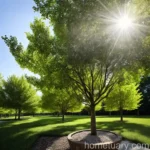
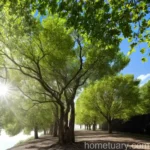
The American linden, Tilia americana ‘Redmond’, is a variety of the Tilia americana species, commonly referred to as basswood or linden tree. It is a deciduous tree that is native to North America, particularly in the central and eastern regions of the United States and Canada. The ‘Redmond’ cultivar is renowned for its elegant form, vibrant foliage, and fragrant flowers, making it a prized addition to gardens, parks, and urban landscapes.
The linden tree belongs to the Tiliaceae family and is known for its distinctive heart-shaped leaves, which provide ample shade during the summer months. In addition to its ornamental value, the American linden holds cultural and historical significance, with various traditional uses and folklore associated with its wood, flowers, and nectar. Its importance in ecology as a source of nectar for pollinators further underscores its value in natural habitats.
Key Takeaways – American Linden (Tilia americana ‘Redmond’)
Before we delve into the specific aspects of American linden care and cultivation, let’s establish some key takeaways, which will guide our exploration of this remarkable tree.
Culture
- Origin: North America (United States and Canada)
- Botanical Family: Tiliaceae
- Variety: Tilia americana ‘Redmond’
- Common Names: American linden, Redmond linden
- Growth Habit: Deciduous tree
Uses
- Ornamental: Landscaping, shade tree
- Cultural: Woodcraft, herbal medicine
- Ecological: Pollinator habitat, wildlife support
Water
- Moderate: Well-drained soil
- Regular: Adequate moisture during establishment
Sunlight
- Full Sun: Partial shade tolerant
- Optimal: Full sunlight for vigorous growth
Fertilizer
- Balanced: Nutrient-rich soil
- Seasonal: Spring and fall application
Soil
- Loamy: Well-drained, fertile soil
- pH: Neutral to slightly acidic
Pruning
- Minimal: Formative pruning
- Aftercare: Regular inspection for deadwood
Propagation
- Seeds: Sexual reproduction
- Cuttings: Asexual propagation for cultivar maintenance
Container Popularity
- Limited: Restricted growth potential
- Potential: Decorative patio tree with adequate space
Common Diseases
- Anthracnose: Fungal leaf disease
- Leaf Spot: Foliage infection
- Powdery Mildew: White fungal growth on leaves
Disease Diagnosis
- Visual: Leaf and bark inspection
- Laboratory Testing: Fungal identification
Common Pests
- Aphids: Sap-feeding insects
- Japanese Beetles: Foliage feeders
- Linden Borer: Bark and wood pests
Botanist’s Tips
- Promote Pollinators: Preserve linden habitats for bees and butterflies
- Cultural Significance: Explore traditional uses and folklore
- Sustainable Landscaping: Incorporate lindens in urban green spaces
Fun Facts
- Tilia Flowers: Fragrant blooms for herbal tea
- Historical Uses: Woodcarving, folklore, and apiculture
- Ecological Role: Primarily a nectar source for pollinators
Now that we have established a comprehensive overview of the American linden, let’s delve into the specific details of its cultural requirements, uses, and maintenance considerations.
Culture of American Linden (Tilia americana ‘Redmond’)
Understanding the cultural requirements of the American linden is essential for successful cultivation and sustainable growth. From its preferred water and sunlight conditions to soil and fertilizer considerations, we will explore the key aspects that influence the health and vitality of the Redmond cultivar.
Water
The American linden thrives in moderately moist soil that is well-drained, avoiding prolonged periods of waterlogging. During the establishment phase, regular watering is essential to support root development and overall tree vigor. Once established, the linden tree exhibits moderate drought tolerance, making it a resilient addition to diverse landscapes.
Sunlight
While the American linden tree flourishes in full sunlight, it is also tolerant of partial shade, allowing for versatile placement in gardens and urban environments. However, to promote optimal growth, providing ample sunlight is recommended, especially during the initial stages of establishment.
Fertilizer
A balanced fertilizer application is beneficial for the American linden, providing essential nutrients for robust growth and foliage development. Spring and fall are opportune times for fertilization, delivering a blend of nitrogen, phosphorus, and potassium to support the tree’s seasonal requirements.
Soil
The ideal soil conditions for the American linden encompass loamy, well-drained substrates that are rich in organic matter. Maintaining a neutral to slightly acidic pH level is conducive to the linden’s nutrient uptake and overall vitality.
Pruning
Pruning requirements for the American linden are generally minimal, focusing on formative shaping and the removal of dead or damaged branches. Regular inspections for deadwood and structural integrity are essential for maintaining the health and aesthetics of the linden tree.
Propagation
The propagation of American linden trees can be achieved through both sexual and asexual methods. Seed propagation contributes to genetic diversity, while vegetative propagation, particularly through cuttings, is employed to maintain specific cultivars such as the ‘Redmond’ variety.
Container Popularity
While the American linden is primarily cultivated as an ornamental shade tree in landscapes, its potential as a container plant is limited due to its substantial growth potential. However, when provided with adequate space and structural support, the linden can also serve as a decorative patio tree, enhancing outdoor living spaces with its graceful foliage and fragrant blooms.
Uses of American Linden (Tilia americana ‘Redmond’)
The American linden, Tilia americana ‘Redmond’, offers a diverse range of uses, encompassing both ornamental and cultural applications, along with its ecological significance. Understanding the multifaceted utility of the linden tree underscores its value in horticulture, environmental stewardship, and traditional practices.
Ornamental
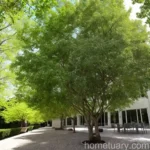
As an ornamental tree, the American linden is highly esteemed for its elegant form, vibrant foliage, and fragrant flowers. It serves as a distinguished specimen tree in parks, gardens, and urban landscapes, providing ample shade and visual appeal. The ‘Redmond’ cultivar, with its notable characteristics, further enhances the ornamental value of the linden in diverse settings.
Cultural
The American linden holds cultural significance through its historical uses in woodcraft, herbal medicine, and folklore. The fine-grained wood of the linden tree has been employed in woodworking, carving, and musical instrument construction, reflecting its intrinsic value in traditional craftsmanship. In herbal medicine, the fragrant flowers of the linden are utilized for their soothing properties, often infused as a herbal tea known for its calming effects.
Ecological
In ecological terms, the American linden plays a pivotal role as a nectar source for pollinators, including bees and butterflies. Its abundant flowers provide essential forage for these vital insects, contributing to the sustainability of pollinator habitats and the broader ecosystem. By supporting wildlife and biodiversity, the linden tree exemplifies its ecological significance in natural landscapes and green spaces.
Common Diseases of American Linden (Tilia americana ‘Redmond’)
Understanding the potential diseases that may affect the American linden is crucial for proactive management and preventive measures. While the ‘Redmond’ cultivar exhibits resilience, vigilant observation and prompt intervention are essential to mitigate the impact of common ailments that may compromise the health and aesthetics of the linden tree.
Anthracnose
Anthracnose, caused by fungal pathogens, manifests as irregularly shaped lesions on the leaves of the American linden, accompanied by premature defoliation and diminished vigor. Fostering favorable growing conditions and implementing cultural practices can aid in reducing the incidence of anthracnose and promoting the linden’s resilience.
Leaf Spot
Leaf spot diseases, characterized by the presence of circular lesions on the foliage, can affect the American linden, leading to aesthetic blemishes and potential defoliation. Proper sanitation, irrigation management, and pruning practices contribute to mitigating leaf spot infections and maintaining the linden’s leaf health.
Powdery Mildew
Powdery mildew, a common fungal affliction, appears as white, powdery patches on the leaves of the American linden, potentially impacting the tree’s overall vitality and aesthetic appeal. Implementing proactive measures, such as adequate air circulation and horticultural oil applications, can mitigate the incidence of powdery mildew and promote the linden’s vigor.
Common Pests Affecting American Linden (Tilia americana ‘Redmond’)
In addition to diseases, the American linden may encounter various pests that can compromise its health and growth. Identifying and addressing these potential pests through integrated pest management strategies is essential for preserving the resilience and ornamental value of the ‘Redmond’ cultivar.
Aphids
Aphids, sap-feeding insects, may target the foliage of the American linden, potentially leading to distorted growth and reduced vigor. Implementing natural predators, such as ladybugs and lacewings, can aid in controlling aphid populations and preserving the linden’s overall health.
Japanese Beetles
Japanese beetles, known for their voracious foliage feeding, can impact the aesthetic appeal of the American linden, particularly during the summer months. Employing physical exclusion methods and targeted insecticidal applications can assist in managing Japanese beetle populations and safeguarding the linden’s foliage.
Linden Borer
The linden borer, a bark and wood-boring insect, poses a threat to the structural integrity of the American linden, potentially leading to branch dieback and diminished vitality. Implementing preventive measures, such as maintaining tree vigor and implementing appropriate cultural practices, can aid in minimizing the impact of linden borers and preserving the health of the ‘Redmond’ cultivar.
Botanist’s Tips for American Linden (Tilia americana ‘Redmond’)
As a plant scientist, I am pleased to share insights and recommendations for cultivating, appreciating, and preserving the American linden, Tilia americana ‘Redmond’. These botanist’s tips encompass principles of sustainable stewardship, cultural exploration, and ecological advocacy, underscoring the holistic value of the linden tree in diverse contexts.
Promote Pollinators
Preserving linden habitats and promoting pollinator-friendly landscapes are essential for sustaining bee and butterfly populations. By recognizing the American linden’s role as a nectar source, individuals and communities can contribute to pollinator conservation efforts, enhancing the ecological significance of the linden tree.
Cultural Significance
Exploring the historical uses, folklore, and traditional practices associated with the American linden illuminates its enduring cultural significance. From woodcraft and apiculture to herbal remedies, the linden tree reflects a rich tapestry of human interactions and appreciation, fostering a deeper connection with nature and heritage.
Sustainable Landscaping
Incorporating linden trees in urban green spaces, parks, and residential landscapes contributes to sustainable and resilient landscaping. By integrating the American linden, particularly the ‘Redmond’ cultivar, individuals can enhance the ecological value and aesthetic appeal of their surroundings, fostering biodiversity and natural beauty.
Fun Facts about American Linden (Tilia americana ‘Redmond’)
The American linden, Tilia americana ‘Redmond’, is replete with intriguing and captivating features, encompassing its historical significance, ecological role, and cultural relevance. These fun facts offer a glimpse into the diverse attributes and associations that enrich the allure of the linden tree.
-
Tilia Flowers: The fragrant blooms of the American linden are revered for their aromatic qualities and have been utilized in herbal teas and infusions due to their calming properties, showcasing the cultural and sensory appeal of the linden’s blossoms.
-
Historical Uses: With a legacy rooted in woodcarving, folklore, and apiculture, the American linden has historically inspired human creativity and resourcefulness, embodying a timeless connection between nature and cultural expression.
-
Ecological Role: As a primary nectar source for bees and butterflies, the linden tree exemplifies its ecological significance, fortifying the delicate balance of pollinator habitats and sustainable ecosystems, underscoring its intrinsic value in natural landscapes.
Without a doubt, the American linden, Tilia americana ‘Redmond’, stands as an exemplary tree, heralded for its ornamental charm, cultural significance, and ecological contribution.
Links to External Resources
- The United States Department of Agriculture (USDA) – American Linden Information
- Missouri Botanical Garden – Tilia Americana ‘Redmond’
- Gardening Know How – Redmond Linden Tree Care: How To Grow A Redmond Linden Tree
- Iowa State University Extension and Outreach – Selection and Use of Tilia in the Urban Landscape
In conclusion, the American linden, Tilia americana ‘Redmond’, epitomizes the convergence of natural beauty, cultural relevance, and ecological significance, embodying the enduring appeal of trees in our lives and landscapes. By embracing the diverse facets of the linden tree, from its cultural heritage and ecological role to its ornamental charm and beneficial properties, we honor its timeless legacy and enduring value in horticulture and conservation.
As we cultivate an appreciation for the American linden, may its graceful presence and inherent virtues inspire a deeper connection with nature, history, and the tapestry of life that flourishes under its boughs.