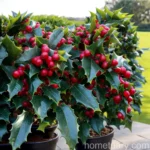
American Holly (Ilex opaca ‘Jersey Knight’)
In the world of ornamental plants and landscape design, American holly, scientifically known as Ilex opaca ‘Jersey Knight’, holds a special place. Its striking foliage and vibrant red berries make it a popular choice for enhancing outdoor spaces and providing important ecological benefits. In this comprehensive guide, we will delve deep into the characteristics, cultivation, uses, and maintenance of American holly. Whether you are a passionate gardener, a landscaping professional, or just someone looking to learn more about this enchanting plant, this article will give you insight into all aspects of American holly.
What is American Holly?
American holly is a broadleaved evergreen tree native to the eastern United States, from coastal Massachusetts south to central Florida, and west to southeastern Missouri and eastern Texas. This species is part of the diverse genus Ilex, which comprises over 400 species of flowering plants in the family Aquifoliaceae. The distinctive features of American holly include its glossy, dark green leaves, and bright red berries that persist through the winter, adding a pop of color to the landscape.
The cultivar ‘Jersey Knight’ is a selected variety of Ilex opaca known for its dense, pyramidal form and lustrous foliage. It is a male cultivar, which means it does not produce berries, making it an excellent choice for those seeking to avoid the potential mess of dropped fruits while still enjoying the elegant appearance of this holly species.
Now that we have a general understanding of what American holly is and the characteristics of the ‘Jersey Knight’ variety, let’s explore key insights and tips for successfully growing and maintaining this beautiful plant.
Key Takeaways – American Holly (Ilex opaca ‘Jersey Knight’)
Before delving into the specific aspects of American holly care and cultivation, let’s highlight some key takeaways regarding this captivating plant.
Culture
- Plant Type: Broadleaved evergreen tree
- Growth Rate: Slow to moderate
- Mature Size (H x W): 15-30 feet tall and 10-20 feet wide
- Lifespan: Long-lived, with some specimens reaching over 100 years
- Cold Hardiness Zones: 5-9
- Drought Tolerance: Moderate once established
Uses
- Landscape Design: Versatile as a specimen tree, hedge, or screen
- Wildlife Habitat: Provides food and shelter for birds and small mammals
- Decorative: Foliage and berries are popular in holiday decorations
- Urban Greenery: Suitable for urban and suburban environments
Water
- Watering Needs: Regular watering in the first year, then drought-tolerant once established
- Soil Moisture: Well-drained soil is essential to prevent waterlogged conditions
Sunlight
- Sun Exposure: Full sun to partial shade
- Tolerance: Prefers some shade in hot climates
Fertilizer
- Nutrient Requirements: Responds well to balanced, slow-release fertilizers
- Frequency: Fertilize in early spring before new growth emerges
Soil
- pH Preference: Slightly acidic to slightly alkaline (pH 6.0-7.5)
- Texture: Well-drained loamy or sandy soil
- Organic Matter: Enriched soil with organic matter for optimal growth
Pruning
- Maintenance: Minimal pruning needed for ‘Jersey Knight’
- Timing: Best done in late winter or early spring before new growth
- Goal: Shape the tree and remove dead or damaged branches
Now that we have a snapshot of the important aspects of American holly, we can delve into each of these factors in more detail, providing comprehensive insights into the care and cultivation of this delightful plant.
Propagation
- Methods: By seed, cuttings, or grafting
- Challenges: Seed propagation may involve stratification for successful germination
- Preferred Method: Grafting or softwood cuttings for ‘Jersey Knight’
Container Popularity
- Aesthetic Appeal: Attractive as a container specimen
- Size Management: Suitable for small spaces when grown in containers
- Maintenance: Regular watering and appropriate drainage are crucial
Common Diseases
- Pests and Pathogens: Potential susceptibility to several diseases
- Preventive Measures: Proper sanitation and monitoring for early signs of disease
Disease Diagnosis
- Symptoms: Leaf discoloration, leaf spots, and stem cankers
- Professional Consultation: Consider seeking advice from a plant health specialist
Common Pests
- Insects: Scale, spider mites, and leaf miners are common pests
- Management: Integrated pest management (IPM) practices may be necessary
Botanist’s Tips
- Species Diversity: American holly has various regional varieties and cultivars
- Habitat Importance: Plays a vital role in supporting wildlife and ecological balance
- Cultural Significance: Historically revered for its evergreen foliage and decorative use
Fun Facts
- Holiday Tradition: American holly and its berries are an iconic part of traditional holiday decorations
- Traditional Medicine: Some Native American tribes used holly in herbal remedies
- Ecological Role: Provides food and habitat for a range of wildlife species
With these key takeaways in mind, let’s embark on a more in-depth exploration of each aspect of American holly, from its cultivation to its ecological benefits and landscape applications.
References:
- American Holly: An Underutilized Native Plant
- American Holly (Ilex Opaca)
- Growing American Holly
- Ilex opaca ‘Jersey Knight’ – Jersey Knight American Holly
The subsequent sections will provide detailed insights into the care, uses, and benefits of growing American holly, with a specific focus on the ‘Jersey Knight’ cultivar. From soil requirements to landscape design, we aim to equip readers with comprehensive knowledge about this captivating plant.