American Black Elderberry (Sambucus Canadensis)
What is the Plant? Introduction The American black elderberry, scientifically known as Sambucus canadensis, is a flowering plant native to North America..
What is the Plant?
Introduction
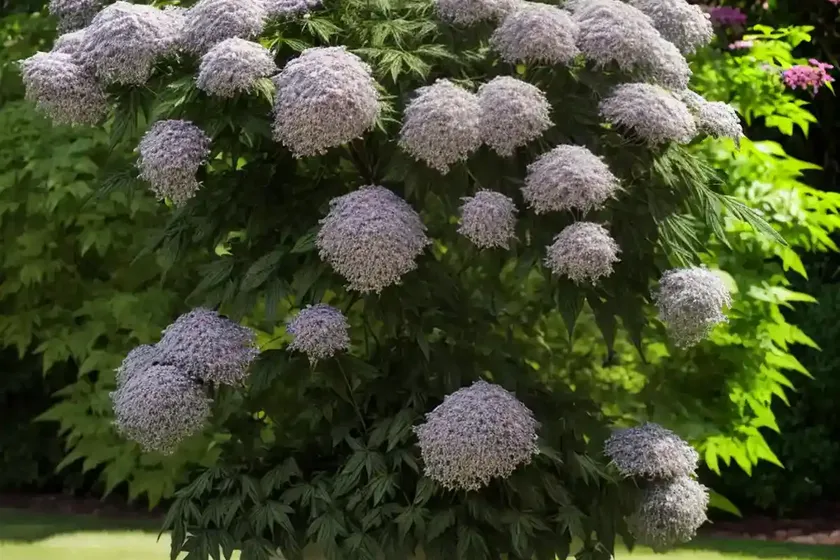
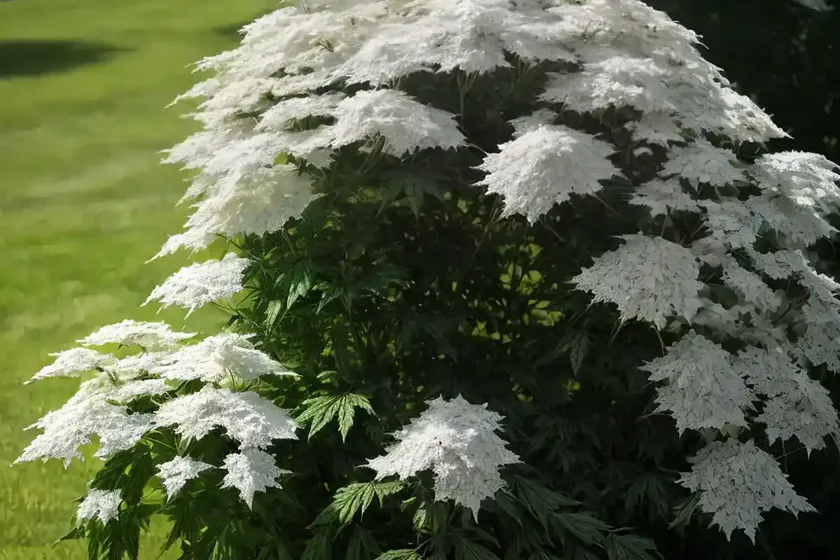
The American black elderberry, scientifically known as Sambucus canadensis, is a flowering plant native to North America. It is a member of the Adoxaceae family and is known for its significant cultural, culinary, and medicinal applications. This robust and versatile shrub has been used for centuries by various indigenous communities for its health benefits and as a staple in traditional medicine. Furthermore, its attractive white flowers and clusters of deep-purple berries make it a popular ornamental plant in gardens. In this comprehensive guide, we will delve into the cultivation, uses, care, and preservation of the American black elderberry, exploring its diverse applications and ecological importance.
Key Takeaways – American Black Elderberry (Sambucus canadensis)
Before discussing the various aspects of the American black elderberry, let’s briefly overview the key takeaways related to this remarkable plant:
- The American black elderberry, also known as Sambucus canadensis, is a native shrub to North America, prized for its culinary, medicinal, and ornamental attributes.
- Culturally, the elderberry holds great significance and has been utilized in various folklores, traditional practices, and modern functional foods and supplements.
- The plant requires adequate water, sunlight, fertilizer, and soil conditions for optimal growth and berry production.
- Pruning, propagation, and cultivation techniques are vital for maintaining the health and productivity of the elderberry plant.
- American black elderberries are susceptible to certain diseases and pests, necessitating careful monitoring and management practices.
Culture
Uses
The American black elderberry boasts a rich cultural heritage, having been utilized for a multitude of purposes throughout history. From traditional medicine and culinary applications to ecological significance, this plant has earned its place as a cherished and versatile resource.
Culinary Uses
The berries of the American black elderberry are edible and have been used in a variety of culinary applications. These deep-purple berries are commonly used in the creation of jams, jellies, pies, and syrups, and even brewed into wines and cordials. Additionally, the dried elderflowers are employed in the preparation of teas, adding a delicate floral aroma and flavor. The distinct sweet-tart taste of elderberries adds depth to an array of dishes and beverages, making it a prized ingredient in the culinary world.
Medicinal and Nutritional Uses
The American black elderberry has long been recognized for its potential health benefits. Its rich concentration of antioxidants, vitamins, and flavonoids has led to its incorporation in various dietary supplements, syrups, and herbal remedies. Traditionally, elderberry-based preparations have been used to support immune health, ease cold and flu symptoms, and address inflammatory conditions. Moreover, elderberries have gained recent popularity for their potential as natural remedies for allergies, respiratory health, and cardiovascular well-being.
Ecological Significance
Beyond its culinary and medicinal uses, the American black elderberry plays a crucial role in supporting local ecosystems. Its flowers attract pollinators such as bees and butterflies, contributing to the overall health of the surrounding flora and fauna. Additionally, the berries serve as an important food source for birds and wildlife, aiding in the propagation of various species and maintaining biodiversity.
As a result of its diverse applications, the American black elderberry holds a special place in both traditional knowledge systems and modern-day practices, contributing to its widespread popularity and economic significance.
Plant Care
Water
Proper watering is essential for the well-being of the American black elderberry plant, especially during its early growth stages and the fruiting period. Adequate moisture helps in the development of healthy foliage and berries. A consistent watering schedule is recommended, aiming to keep the soil consistently moist but not waterlogged. During hot and dry spells, increased watering may be necessary to prevent stress to the plant and ensure adequate fruit production.
Sunlight
The American black elderberry thrives in full sun to partial shade conditions. When selecting a planting location, it is important to provide the plant with at least six to eight hours of direct sunlight daily for optimal growth and fruiting. Adequate sunlight exposure contributes to robust flowering, fruit set, and overall plant vigor.
Fertilizer
As a nutrient-demanding plant, the American black elderberry benefits from regular fertilization to support its growth and berry production. A balanced fertilizer with a formulation such as 10-10-10 can be applied in the spring, promoting healthy foliage and flower development. Additionally, a layer of organic mulch around the base of the plant provides a steady supply of nutrients and helps in retaining soil moisture.
Soil
The choice of soil plays a critical role in the successful cultivation of the American black elderberry. Well-draining, loamy soil with a slightly acidic to neutral pH ranging from 5.5 to 7.5 is ideal for optimal growth. Amending the soil with organic matter such as compost or well-rotted manure enhances its fertility and structure, providing a conducive environment for the plant’s root system to flourish.
Pruning
Pruning is an essential aspect of elderberry plant care, contributing to improved fruiting, disease prevention, and overall plant health. Regular pruning helps in shaping the plant, removing dead or diseased wood, and promoting vigorous new growth. It is advisable to prune the plant during the dormant season, generally in late winter or early spring, before the onset of new growth.
Propagation
There are several methods for propagating American black elderberries, including hardwood cuttings, softwood cuttings, and seeds. Hardwood cuttings are commonly utilized, involving the selection of healthy, mature stems from the parent plant and rooting them in a suitable growing medium. Softwood cuttings, taken from young, green stems, also offer a viable option for propagation, especially during the active growing season. Propagation by seed, while possible, requires more time and patience due to the stratification process involved.
Container Popularity
Container
The American black elderberry can be grown in containers, making it a popular choice for home gardeners with limited space and those seeking to manage its growth more effectively. When cultivating elderberries in containers, selecting a sizable pot with adequate drainage is essential to provide ample room for the plant’s root system to expand. Regular watering and proper fertilization are crucial in container cultivation to maintain the plant’s vitality and fruit production.
Common Diseases
Disease Diagnosis
The American black elderberry is susceptible to certain diseases and ailments that can impact its overall health and berry production. Understanding the symptoms and treatments for common elderberry diseases is crucial for effective disease management and prevention.
Powdery Mildew
Powdery mildew is a fungal disease that often affects the foliage of elderberry plants, causing a powdery white coating on the leaves. This can lead to reduced photosynthesis and overall plant vigor. To combat powdery mildew, it is important to ensure proper air circulation around the plant, avoid overhead watering, and, if necessary, apply fungicidal treatments as recommended.
Leaf Spot
Leaf spot, caused by various fungal pathogens, appears as dark brown or black spots on the foliage of the elderberry plant. The affected leaves may become distorted and eventually drop prematurely. Pruning out affected branches, ensuring proper spacing between plants, and promoting good air circulation can aid in preventing and managing leaf spot diseases.
Phytophthora Root Rot
Phytophthora root rot is a serious soil-borne disease that affects the roots of elderberry plants, leading to root rot, wilting, and eventual death of the plant. Preventing waterlogged conditions, improving soil drainage, and using disease-resistant cultivars are essential strategies in managing phytophthora root rot effectively.
Common Pests
Several pests pose potential threats to the American black elderberry, impacting its foliage, berries, and overall vitality. Recognizing the signs of pest infestations and implementing appropriate pest control measures are essential for safeguarding the health of the elderberry plant.
Aphids
Aphids are small, soft-bodied insects that can infest the tender shoots and leaves of elderberry plants, causing stunted growth and distortion of plant tissues. Regular monitoring and the application of natural predators or insecticidal soaps can help in managing aphid populations effectively.
Spider Mites
Spider mites are tiny arachnids that feed on the leaves of elderberry plants, resulting in stippling, discoloration, and reduced vigor. Mitigating spider mite infestations involves maintaining adequate humidity levels, practicing thorough plant hygiene, and using horticultural oils or insecticidal sprays as necessary.
Botanist’s Tips
Elderberry Benefits
The American black elderberry holds a wealth of benefits, ranging from its culinary and medicinal uses to its ecological significance. Recognizing and harnessing these benefits can lead to a deeper appreciation of the plant and a more sustainable approach to its utilization.
- Culinary Delights: The rich flavor and versatility of elderberries make them a prized ingredient in jams, syrups, wines, and baked goods, adding a unique depth of taste and nutritional value to various culinary creations.
- Medicinal Properties: Elderberries are renowned for their potential health benefits, particularly in supporting immune function, combating inflammation, and addressing respiratory ailments. Incorporating elderberry-based products into one’s wellness routine can offer natural support for overall health and well-being.
- Ecological Importance: The American black elderberry plays a vital role in supporting local ecosystems by providing food and habitat for pollinators, birds, and wildlife. Its cultivation contributes to the conservation of biodiversity and ecological balance in the surrounding environment.
Growing Tips
For successful cultivation of the American black elderberry, consider the following tips to optimize plant health and berry production:
- Site Selection: Choose a well-drained location with ample sunlight and adequate air circulation to promote robust growth and fruiting.
- Pruning Practices: Regular pruning helps in maintaining plant vigor, controlling size, and facilitating effective fruit harvest. Remove dead, damaged, or overcrowded branches to improve overall plant health.
- Disease Monitoring: Stay vigilant for signs of common elderberry diseases such as powdery mildew and leaf spot. Proactive disease management can prevent the spread of infections and preserve plant vitality.
Folklore and Traditions
The elderberry plant has been steeped in folklore and traditions across various cultures, adding to its mystique and allure. These legends and customs underscore the plant’s deep-rooted significance and time-honored associations.
- Mythological Connections: In European folklore, elderberry trees were often linked to mystical beings and protective spirits. They were believed to ward off evil influences and were esteemed for their ties to ancient mythology and enchanting tales.
- Cultural Symbolism: Elderberries have been emblematic of renewal, transformation, and healing across different traditions, signifying the cyclic nature of life and the interconnectedness of all living beings.
- Harvest Rituals: The harvesting of elderberries was accompanied by ceremonial practices and superstitions in certain cultures, reflecting the reverence and respect accorded to this precious plant.
Fun Facts
- Elderberry flowers can be utilized to make fragrant and flavorful cordials, infused with a hint of citrus and spices for a delightful beverage.
- The wood of elderberry plants has historically been used for crafting musical instruments, such as flutes and whistles, owing to its hollow stems and lightweight nature.
- Elderberry shrubs can attract a diverse array of wildlife, including birds and butterflies, enhancing the ecological vitality of garden spaces.
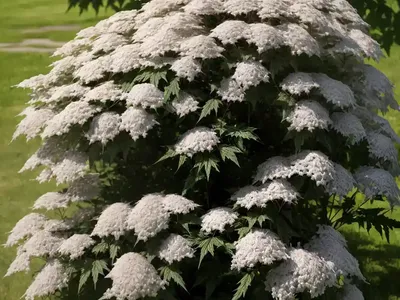
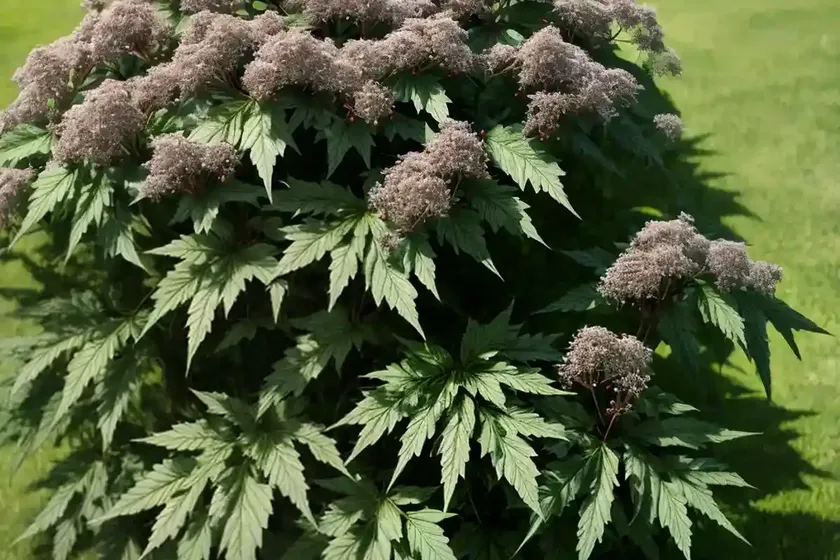
- The lacy foliage and abundant clusters of elderberry blossoms make it a visually striking addition to ornamental gardens, adding aesthetic appeal and seasonal interest.
Links to External Resources
For further exploration of the American black elderberry and its related topics, the following external resources provide valuable insights and information:
- National Gardening Association – Elderberries
- University of Missouri Extension – Elderberries
- USDA Plants Database – Sambucus canadensis
- North Carolina State University – Growing Elderberries in North Carolina
- Penn State Extension – Elderberry Production in Pennsylvania
- United States Forest Service – Sambucus canadensis
In conclusion, the American black elderberry (Sambucus canadensis) stands as a multifaceted plant, celebrated for its culinary versatility, medicinal potential, and ecological significance. Its cultivation and utilization represent a harmonious blend of tradition and innovation, bridging cultural heritage with contemporary practices. By understanding and appreciating the diverse facets of this remarkable plant, we can embrace a more holistic and sustainable approach to its care, preservation, and enrichment of our lives and landscapes.