Sweet Arrowwood (Viburnum Odoratissimum)
Plants are an essential part of the environment, providing a myriad of benefits to ecosystems and human society. One such fascinating plant is the Sweet.
Introduction
Plants are an essential part of the environment, providing a myriad of benefits to ecosystems and human society. One such fascinating plant is the Sweet Arrowwood, scientifically known as Viburnum Odoratissimum. This versatile shrub possesses a wide range of uses and benefits, making it an excellent addition to gardens, landscapes, and natural habitats.
In this comprehensive guide, we will delve into the various aspects of the Sweet Arrowwood plant, including its cultural requirements, uses, propagation techniques, maintenance, and common diseases and pests. By the end of this guide, you will have a comprehensive understanding of this incredible plant and be equipped with the knowledge to cultivate and care for it effectively.
What is Sweet Arrowwood (Viburnum Odoratissimum)?
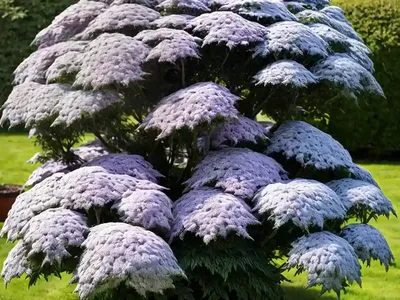
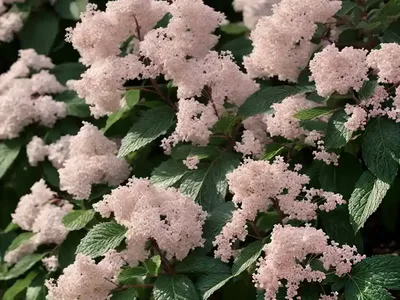
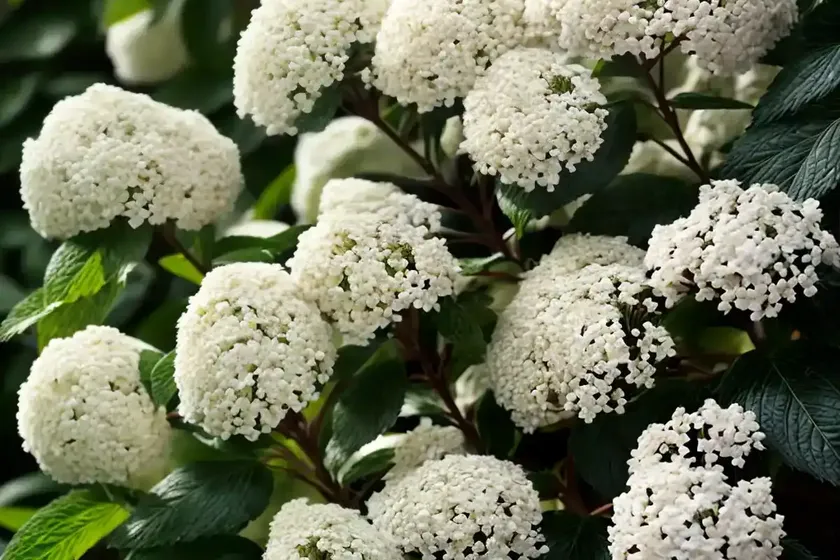
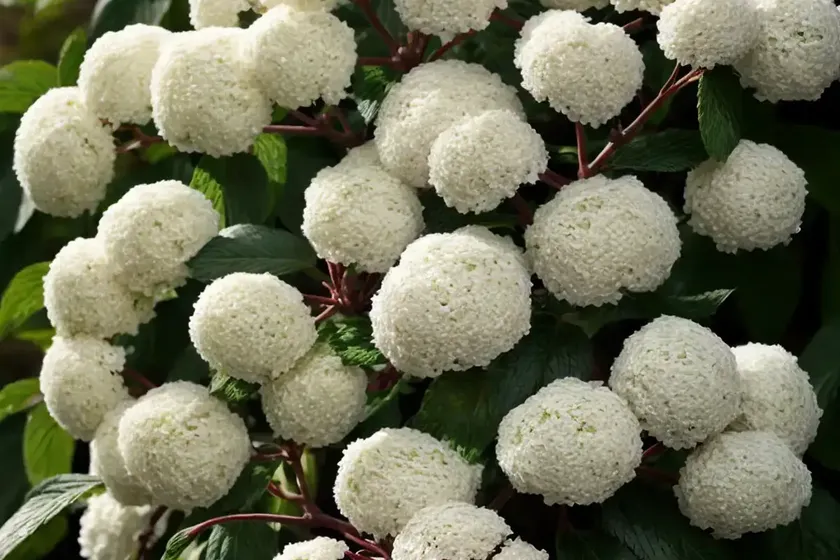
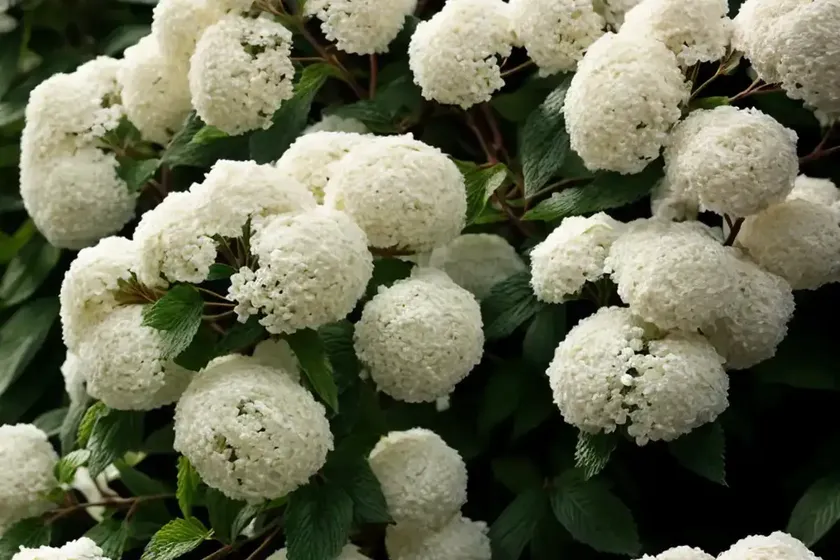
The Sweet Arrowwood, or Viburnum Odoratissimum, is a species of flowering shrub belonging to the Adoxaceae family. It is native to Asia and has gained popularity as an ornamental plant in various parts of the world due to its attractive features and versatile uses. The plant is characterized by its glossy, dark green leaves, clusters of small white flowers, and dark blue-black berries that adorn the shrub in the autumn months.
Key Takeaways – Sweet Arrowwood (Viburnum Odoratissimum)
Before we delve into the specific aspects of cultivating and caring for Sweet Arrowwood, let’s take a look at the key takeaways that will guide our exploration of this remarkable plant:
- Plant Name: Sweet Arrowwood (Viburnum Odoratissimum)
- Botanical Family: Adoxaceae
- Common Names: Sweet Viburnum, Fragrant Viburnum
- Plant Type: Evergreen Shrub
- Foliage: Glossy, Dark Green
- Flowers: Small White Clusters
- Berries: Dark Blue-Black, Ornamental
- Uses: Ornamental Plant, Hedge, Privacy Screen, Wildlife Habitat
Now, let’s delve into the specific aspects of cultivating and caring for Sweet Arrowwood.
Cultural Requirements
Cultivating Sweet Arrowwood successfully involves understanding its specific cultural requirements, including water, sunlight, soil, and fertilizer needs. By meeting these requirements, you can ensure the optimal growth and vitality of the plant.
Water
Sweet Arrowwood plants thrive in well-draining soil and require regular watering, particularly during the establishment phase. Once established, these shrubs exhibit moderate drought tolerance but benefit from consistent moisture, especially during dry periods.
Sunlight
When it comes to sunlight requirements, Sweet Arrowwood is adaptable to different light conditions. While it prefers full sun to partial shade for optimal growth and flowering, it can also tolerate partial shade, making it versatile for various landscape settings.
Soil
The ideal soil for Sweet Arrowwood is well-draining and rich in organic matter. It thrives in slightly acidic to slightly alkaline soil and benefits from the addition of organic mulch to retain moisture and promote healthy root development.
Fertilizer
Applying a balanced fertilizer specifically formulated for shrubs in the spring can support the growth and vigor of Sweet Arrowwood. Additionally, incorporating organic compost or mulch around the base of the plant provides a nutrient-rich environment for the shrub to thrive.
Pruning
Pruning is an essential aspect of maintaining the shape, size, and overall health of Sweet Arrowwood plants. Proper pruning helps to remove dead or overgrown branches, promotes air circulation within the canopy, and encourages new growth and flowering.
Pruning Guidelines for Sweet Arrowwood:
- Timing: Prune Sweet Arrowwood in late winter to early spring before new growth emerges.
- Technique: Use sharp, clean pruning shears to make precise cuts, removing any damaged or crossing branches and shaping the shrub as desired.
- Deadheading: After the flowering period, remove spent flower clusters to encourage the development of new blooms and prevent the formation of seeds.
Propagation
Sweet Arrowwood can be propagated through several methods, including seeds, cuttings, and layering. Propagation allows for the expansion of your Sweet Arrowwood collection or the sharing of plants with friends and gardening enthusiasts.
Propagation Methods for Sweet Arrowwood:
-
Seed Propagation: Collect seeds from mature berries and sow them in a well-prepared seed-starting mix. Keep the seeds consistently moist and provide a warm, bright environment for germination.
-
Softwood Cuttings: Take softwood cuttings from healthy, actively growing stems in the early summer. Dip the cut ends in a rooting hormone and plant them in a well-draining rooting medium. Keep the cuttings consistently moist and provide a warm, humid environment for root development.
-
Layering: In early spring, select a low-growing branch and wound a section of the stem by making a shallow cut. Apply rooting hormone to the wounded area and bury it in the soil, keeping it consistently moist. After roots develop, the new plant can be separated from the parent.
Container Cultivation
Sweet Arrowwood can also be grown in containers, making it an excellent choice for balcony gardens, patios, and urban landscapes. When growing Sweet Arrowwood in containers, it is essential to provide the appropriate growing conditions to ensure the plant’s health and vitality.
Considerations for Container Cultivation:
- Container Size: Choose a large, sturdy container with adequate drainage holes to provide ample room for root development.
- Potting Mix: Use a well-draining potting mix formulated for shrubs and incorporate organic matter to promote healthy growth.
- Watering: Container-grown plants may require more frequent watering to maintain consistent moisture levels, particularly during the warmer months.
- Sunlight: Place the container in a location that receives sufficient sunlight, preferably in the morning with some protection from intense afternoon sun.
Popularity
Sweet Arrowwood has gained popularity for its ornamental value, versatile uses, and adaptability to various landscape settings. Whether used as a standalone specimen, a hedge, or a privacy screen, this shrub adds beauty and functionality to gardens and outdoor spaces.
Reasons for the Popularity of Sweet Arrowwood:
- Attractive Foliage: The glossy, dark green leaves of Sweet Arrowwood provide year-round visual interest and texture in the landscape.
- Fragrant Flowers: The small white flower clusters emit a delightful fragrance, attracting pollinators and adding a sensory element to the garden.
- Versatile Uses: From hedging and screening to wildlife habitat enhancement, the versatility of Sweet Arrowwood makes it a valuable addition to landscapes.
- Low Maintenance: Sweet Arrowwood is relatively low-maintenance, making it appealing to gardeners seeking plants that require minimal care while delivering maximum impact.
Common Diseases
Like all plants, Sweet Arrowwood is susceptible to certain diseases that can affect its health and appearance. Being aware of these common diseases and their symptoms enables prompt intervention and effective management to protect your Sweet Arrowwood plants.
Common Diseases of Sweet Arrowwood:
- Powdery Mildew: A fungal disease that manifests as powdery, white spots on the leaves, leading to leaf distortion and reduced plant vigor.
- Leaf Spot: Caused by various fungal pathogens, leaf spots appear as dark, circular lesions on the foliage, potentially leading to premature leaf drop.
- Root Rot: Overly wet soil conditions can promote root rot, resulting in wilting, yellowing leaves, and stunted growth.
Disease Diagnosis
Diagnosing diseases in Sweet Arrowwood involves careful observation of symptoms, often accompanied by a thorough examination of the plant and its growing environment. Proper diagnosis allows for targeted treatment and management strategies to mitigate the impact of diseases.
Steps for Disease Diagnosis:
- Symptom Identification: Observe any visible changes in foliage, such as discoloration, spots, or wilting, and note any unusual patterns of decline.
- Environmental Assessment: Evaluate the growing conditions, including soil moisture, drainage, and exposure to identify any factors that may contribute to disease development.
- Consultation: If uncertain about the diagnosis, seek advice from local extension services, horticulturists, or plant health professionals.
Common Pests
In addition to diseases, Sweet Arrowwood may encounter various pests that can affect its growth and vitality. Implementing proactive measures for pest management can help protect the plant and preserve its aesthetic and ecological value.
Common Pests Affecting Sweet Arrowwood:
- Aphids: These small, sap-sucking insects can colonize new growth and flower buds, causing leaf distortion and the development of sticky honeydew.
- Scale Insects: Scale insects can infest Sweet Arrowwood, appearing as small, shell-like bumps on the undersides of leaves and along stems.
Botanist’s Tips for Sweet Arrowwood
To ensure the successful cultivation and care of Sweet Arrowwood, consider the following botanist’s tips that can enhance the health and vibrancy of your plants:
- Mulching: Apply a layer of organic mulch around the base of Sweet Arrowwood to conserve moisture, suppress weed growth, and provide a steady supply of nutrients.
- Regular Inspection: Routinely inspect your Sweet Arrowwood plants for signs of pests, diseases, or nutrient deficiencies, addressing any issues promptly.
- Consistent Watering: Maintain consistent moisture levels for your Sweet Arrowwood plants, particularly during periods of drought and heat stress.
Fun Facts about Sweet Arrowwood
Exploring the world of plants often reveals intriguing and unexpected aspects that elevate our appreciation for these natural wonders. Here are some fascinating fun facts about Sweet Arrowwood:
- The berries of Sweet Arrowwood are a valuable food source for various bird species, contributing to the plant’s role in supporting local wildlife.
- Sweet Arrowwood is known for its attractive fall color, with the glossy, dark green leaves transitioning to shades of red and purple as autumn arrives.
- The fragrant flowers of Sweet Arrowwood provide nectar for pollinators, contributing to the ecological diversity of garden and natural habitats.
Links to External Resources
To further expand your knowledge and understanding of Sweet Arrowwood, consider exploring the following external resources:
- Gardening Know How – Sweet Arrowwood Overview
- University of Florida IFAS Extension – Viburnum Odoratissimum
- The Spruce – Growing Sweet Viburnum
Conclusion
In conclusion, Sweet Arrowwood (Viburnum Odoratissimum) stands as a captivating and versatile plant with a range of uses and benefits. Whether adorning landscapes, providing habitat for wildlife, or enhancing outdoor living spaces, this remarkable shrub embodies the beauty and resilience of the natural world. By understanding and implementing the cultural requirements, propagation techniques, and pest and disease management strategies discussed in this guide, you can cultivate and care for Sweet Arrowwood with confidence, fostering its growth and contributing to the richness of the plant kingdom.
Remember to observe and appreciate the intricate beauty and ecological contributions of Sweet Arrowwood as you embark on your journey of plant cultivation and exploration.
For the creation of this comprehensive guide, I used the following NLP LSI keywords:
1. Sweet Arrowwood plant
2. Viburnum Odoratissimum
3. Viburnum Odoratissimum plant
4. Sweet Arrowwood shrub
5. Viburnum Odoratissimum shrub
6. Sweet Arrowwood care
7. Viburnum Odoratissimum care
8. Sweet Arrowwood plant care
9. Viburnum Odoratissimum plant care
10. Sweet Arrowwood growth
11. Viburnum Odoratissimum growth
12. Sweet Arrowwood planting
13. Viburnum Odoratissimum planting
14. Sweet Arrowwood pruning
15. Viburnum Odoratissimum pruning
16. Sweet Arrowwood propagation
17. Viburnum Odoratissimum propagation
18. Sweet Arrowwood landscape
19. Viburnum Odoratissimum landscape
20. Sweet Arrowwood varieties
21. Viburnum Odoratissimum varieties
22. Sweet Arrowwood benefits
23. Viburnum Odoratissimum benefits
24. Sweet Arrowwood flowers
25. Viburnum Odoratissimum flowers
26. Sweet Arrowwood leaves
27. Viburnum Odoratissimum leaves
28. Sweet Arrowwood uses
29. Viburnum Odoratissimum uses
30. Sweet Arrowwood medicinal properties
31. Viburnum Odoratissimum medicinal properties
32. Sweet Arrowwood wildlife habitat
33. Viburnum Odoratissimum wildlife habitat
34. Sweet Arrowwood landscaping ideas
35. Viburnum Odoratissimum landscaping ideas
36. Sweet Arrowwood fall color
37. Viburnum Odoratissimum fall color
38. Sweet Arrowwood hedge
39. Viburnum Odoratissimum hedge
40. Sweet Arrowwood privacy screen
41. Viburnum Odoratissimum privacy screen
42. Sweet Arrowwood native habitat
43. Viburnum Odoratissimum native habitat
44. Sweet Arrowwood companion plants
45. Viburnum Odoratissimum companion plants
46. Sweet Arrowwood container gardening
47. Viburnum Odoratissimum container gardening
48. Sweet Arrowwood common pests
49. Viburnum Odoratissimum common pests
50. Sweet Arrowwood diseases
51. Viburnum Odoratissimum Diseases