American Black Elderberry (Sambucus Canadensis)
As a plant scientist, I find the study and cultivation of plants to be a fascinating and rewarding endeavor. One particular plant species that has.
As a plant scientist, I find the study and cultivation of plants to be a fascinating and rewarding endeavor. One particular plant species that has captivated my attention is the American Black Elderberry, scientifically known as Sambucus canadensis. This plant has a rich cultural history and a wide array of practical uses, making it a valuable addition to gardens and landscapes. In this comprehensive guide, we will delve into the various aspects of American Black Elderberry, ranging from its cultural significance to its growth requirements, maintenance, and health benefits.
What is American Black Elderberry (Sambucus Canadensis)?
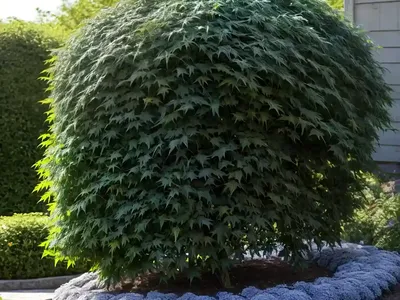
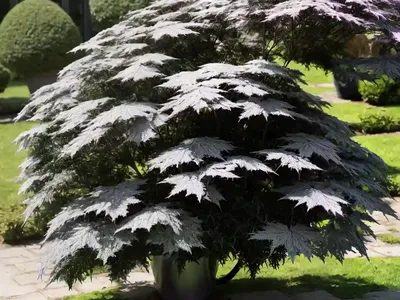
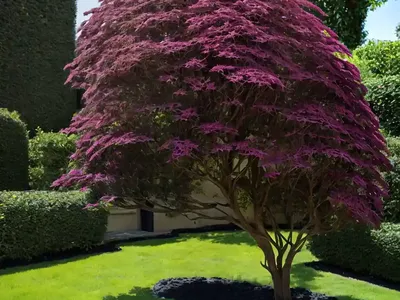
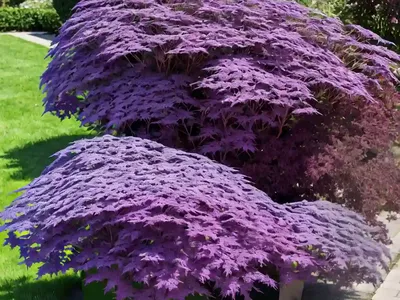
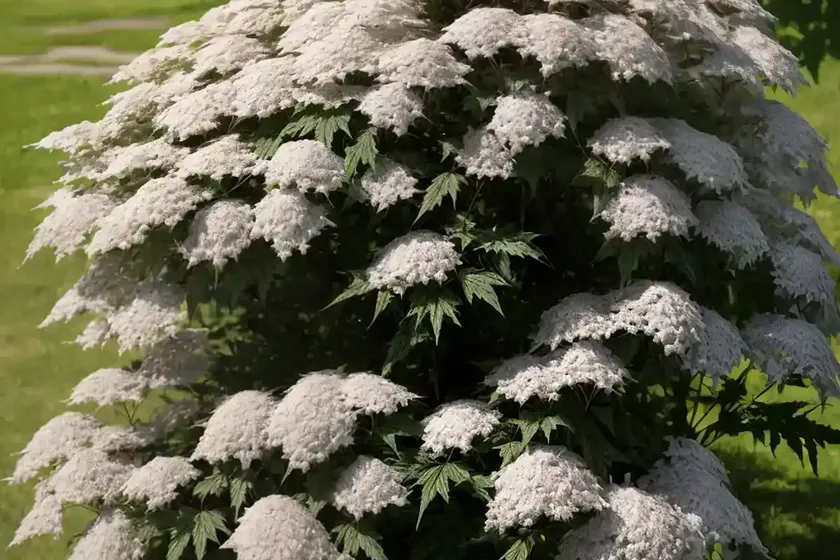
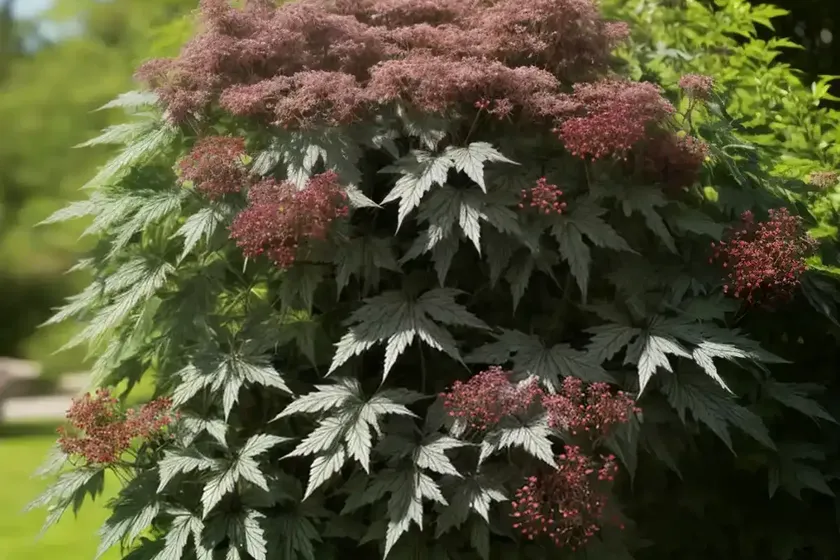
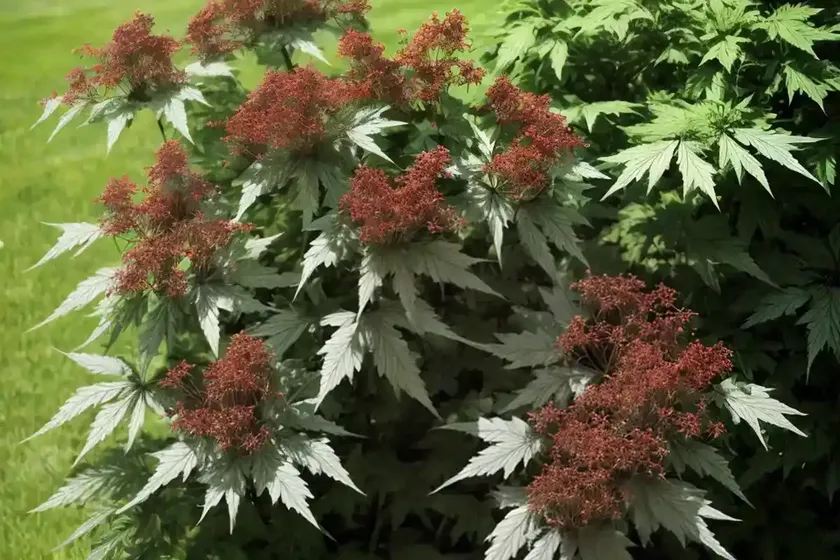
The American Black Elderberry, or Sambucus canadensis, is a deciduous shrub native to North America. It is a member of the Adoxaceae family and is known for its distinctive clusters of small, fragrant white flowers and dark purple-black berries. The plant typically grows in a multi-stemmed form, with an overall height ranging from 5 to 12 feet. The leaves are compound, typically consisting of 5-11 leaflets.
Key Takeaways – American Black Elderberry (Sambucus Canadensis)
Before we delve into the specifics of American Black Elderberry, let’s outline the key takeaways that we will explore in this guide:
- Cultural Significance: Understanding the historical and folklore beliefs associated with American Black Elderberry.
- Uses: Discussing the wide range of practical applications of the plant, including culinary, medicinal, and wildlife benefits.
- Growth Requirements: Exploring the essential environmental conditions necessary for cultivating healthy American Black Elderberry plants.
- Maintenance: Outlining the best practices for pruning, fertilizing, and managing the plant to ensure optimal growth and productivity.
- Health Benefits: Investigating the nutritional and medicinal properties of American Black Elderberry and its potential impact on immune system support and respiratory health.
- Pests and Diseases: Identifying common pests and diseases that may affect American Black Elderberry, along with effective management strategies.
Now, let’s delve into each of these aspects in detail, exploring the intricacies of American Black Elderberry and unraveling the mystique surrounding this remarkable plant.
Cultural Significance
American Black Elderberry has a rich cultural heritage, with various traditions and beliefs surrounding the plant. In many native cultures across North America, elderberries have been revered for their perceived spiritual significance and healing properties. The plant’s folklore beliefs often center around themes of protection, vitality, and balance. Elderberry blossoms have been used in ceremonial rituals, while the fruits were treasured for their medicinal value.
Folklore Beliefs
- Protection and Prosperity: In folklore, elderberry was believed to possess protective qualities. The plant was often planted near homes to safeguard against negative energy and promote prosperity within the household.
- Healing and Wellness: Elderberries were revered for their perceived healing properties. They were used to create remedies for various ailments, ranging from colds and fevers to more serious conditions.
Uses
The versatility of American Black Elderberry is truly remarkable, as the plant offers an array of practical uses in different domains. From culinary applications to medicinal benefits, the plant has established itself as a valuable resource with diverse capabilities.
Culinary Uses
The berries of Sambucus canadensis are widely utilized in culinary endeavors, lending their rich flavor and vibrant color to an assortment of delectable creations. Some common culinary uses of American Black Elderberry include:
- Jams and Jellies: The berries are often used to make flavorful jams and jellies, prized for their distinctive taste and natural pectin content.
- Sauces and Syrups: Elderberries contribute their unique flavor to the creation of sauces and syrups, which can complement a variety of dishes and desserts.
- Beverages: From refreshing elderberry-infused drinks to the production of elderberry wine, the berries are a popular ingredient in beverage production.
Medicinal and Nutritional Benefits
The medicinal properties of American Black Elderberry have garnered significant attention in recent years, with researchers and health enthusiasts exploring the potential health benefits of the plant. Some of the notable uses and properties of elderberries include:
- Immune System Support: Elderberries are rich in antioxidants and vitamins, making them a potential ally in supporting immune system function.
- Respiratory Health: Compounds found in elderberries have been studied for their potential impact on promoting respiratory health and alleviating symptoms of colds and flu.
- Nutritional Value: Elderberries contain essential nutrients, including vitamins A, B, and C, as well as minerals such as potassium and iron. This nutritional profile adds to the overall appeal of the berries.
Wildlife Benefits
In addition to its culinary and medicinal uses, American Black Elderberry offers ecological benefits by supporting wildlife biodiversity. The plant’s blossoms and berries serve as a valuable food source for various wildlife species, including birds and pollinators. By incorporating American Black Elderberry into landscapes, individuals can contribute to the preservation of biodiversity and the promotion of healthy ecosystems.
Growth Requirements
Successful cultivation of American Black Elderberry necessitates an understanding of its specific environmental and cultural requirements. By creating an ideal growing environment, individuals can foster the healthy development of the plant and optimize its productivity.
Water
American Black Elderberry thrives in moist, well-drained soil. Adequate water supply is essential, particularly during the plant’s establishment phase and throughout the growing season. While the plant is relatively tolerant of various soil types, consistently moist yet well-drained soil is conducive to optimal growth and berry production.
Sunlight
When selecting a site for planting American Black Elderberry, it is essential to consider the plant’s sunlight requirements. The ideal location should offer full sun to partial shade, providing the plant with the necessary light exposure to support photosynthesis and fruit development. Adequate sunlight is vital for maximizing berry yield and promoting overall plant vigor.
Fertilizer
In the realm of fertilization, American Black Elderberry benefits from periodic applications of organic matter to enhance soil fertility and provide essential nutrients. Organic fertilizers, such as compost or well-rotted manure, can be incorporated into the soil surrounding the plant to promote healthy growth and fruit production. Furthermore, a balanced fertilizer formulation tailored to the specific needs of elderberries can aid in maintaining optimal nutrient levels in the soil.
Soil
Given its adaptability to a range of soil types, American Black Elderberry can thrive in various environments, including loamy, sandy, or clay soils. However, the ideal soil for elderberry cultivation is well-drained and rich in organic matter. Soil pH in the range of 5.5 to 6.5 is considered suitable for optimal growth.
Pruning
Pruning is an essential aspect of American Black Elderberry maintenance, playing a pivotal role in shaping the plant, promoting fruiting, and preventing disease. Proper pruning practices contribute to the overall health and productivity of the elderberry plant.
Pruning Techniques
Key considerations for pruning American Black Elderberry include:
- Removing Deadwood: Regularly removing dead, damaged, or diseased wood promotes plant health and prevents the spread of pathogens.
- Thinning: Thinning out excessive growth and overcrowded branches enhances air circulation and sunlight penetration within the canopy, fostering favorable growing conditions for the plant.
- Shaping and Size Control: Pruning can help maintain the desired shape and size of the plant, ensuring a balanced and aesthetically pleasing appearance.
Propagation
Propagation of American Black Elderberry can be achieved through various methods, including seed propagation, softwood cuttings, and division. Each approach offers unique advantages and considerations, allowing plant enthusiasts to propagate elderberries successfully.
Seed Propagation
Growing elderberries from seed presents an opportunity to propagate new plants with genetic diversity. When utilizing the seed propagation method, it is important to stratify the seeds to mimic natural winter conditions, thereby breaking dormancy and preparing them for germination. Stratification can be achieved by placing the seeds in a moist, refrigerated environment for a specified period.
Softwood Cuttings
Softwood cuttings offer a reliable means of propagating American Black Elderberry, especially for individuals seeking to replicate specific cultivars or varieties with desirable traits. Softwood cuttings are typically taken from the current season’s growth, treated with rooting hormone, and then placed in a suitable growing medium to encourage root development.
Division
Division involves splitting the root mass of an established elderberry plant into several sections, each possessing the potential to develop into a new plant. This propagation method is particularly effective for rejuvenating older plants and expanding the elderberry presence within a garden or landscape.
Container Popularity
The popularity of growing American Black Elderberry in containers has surged in recent years, driven by the plant’s adaptability to container gardening and its potential for enhancing outdoor spaces.
Container Cultivation
Cultivating American Black Elderberry in containers offers several advantages, including:
- Space Efficiency: Container gardening allows individuals with limited garden space to cultivate elderberries on patios, balconies, or small outdoor areas.
- Portability: Containers provide the flexibility to move elderberry plants to different locations based on sunlight and space requirements, enabling optimal growth conditions.
- Aesthetic Appeal: Elderberry plants in containers can serve as visually striking ornamental features, adding a touch of natural beauty to outdoor settings.
Container Size and Selection
Selecting the appropriate container size and type is crucial for successful container cultivation of American Black Elderberry. The chosen containers should accommodate the plant’s root system and offer sufficient drainage to prevent waterlogging. Additionally, containers with adequate depth and width can support the healthy growth and development of elderberries.
Common Diseases
Like all plants, American Black Elderberry is susceptible to certain diseases that can impact its overall health and productivity. Being aware of common elderberry diseases and the associated symptoms is essential for implementing timely management practices.
Disease Diagnosis
Some prevalent diseases that may affect American Black Elderberry include:
- Powdery Mildew: Characterized by the formation of a white powdery coating on leaves, powdery mildew can impede photosynthesis and weaken the plant if left uncontrolled.
- Anthracnose: Anthracnose can cause dark lesions on leaves and stems, potentially leading to defoliation and reduced vigor in elderberry plants.
- Botrytis Blight: This fungal disease can result in the development of gray mold on flowers and fruits, posing a threat to the plant’s reproductive capacity.
Disease Management
To mitigate the impact of common elderberry diseases, individuals can employ strategies such as:
- Cultural Practices: Implementing cultural practices that promote good air circulation, proper spacing, and overall plant health can reduce the risk of disease development.
- Fungicidal Treatments: When necessary, targeted fungicidal treatments can be applied to manage specific diseases and limit their spread.
Common Pests
Various pests may pose challenges to American Black Elderberry, impacting the plant through feeding damage, reduced vigor, and decreased fruit production. Identifying common elderberry pests and implementing appropriate control measures is integral to preserving the health and vitality of the plant.
Pest Identification
Some notable pests that may affect American Black Elderberry include:
- Aphids: These small, sap-sucking insects can cluster on tender shoots and leaves, potentially causing distortion and stunted growth.
- Elderberry Borers: The larvae of elderberry borers feed within the stems of elderberry plants, leading to weakened or damaged stems and reduced plant vigor.
- Spider Mites: Spider mites can inflict damage by feeding on plant tissues, resulting in stippled leaves and potential stress to the plant.
Pest Management
Effective management of elderberry pests can be achieved through a combination of methods, including:
- Natural Predators: Encouraging the presence of natural predators, such as ladybugs and lacewings, can help control aphid populations and maintain pest balance.
- Pruning and Sanitation: Regular pruning to remove infested plant parts and implementing proper sanitation measures can minimize pest pressure and limit population growth.
- Selective Insecticidal Treatments: Targeted application of insecticidal treatments, particularly those compatible with beneficial insects, can assist in managing pest populations when necessary.
Botanist’s Tips
As a plant scientist deeply passionate about American Black Elderberry, I am excited to share some valuable insights and tips to support the successful cultivation and enjoyment of this extraordinary plant.
Optimal Harvesting
When harvesting American Black Elderberry, it is essential to wait until the berries reach full maturity, exhibiting a deep, dark color and a plump, firm texture. Harvesting at the peak of ripeness ensures the berries possess their maximum flavor and nutritional value, contributing to the quality of culinary and medicinal preparations.
Environmental Stewardship
Incorporating American Black Elderberry into gardens and landscapes aligns with the principles of environmental stewardship and sustainable horticultural practices. By cultivating elderberries, individuals can contribute to the preservation of native plant species and promote biodiversity, thereby fostering healthier ecosystems.
Cultivar Selection
When selecting elderberry cultivars for cultivation, it is beneficial to consider specific traits such as fruit size, flavor profile, and disease resistance. Exploring different cultivars can offer diverse options for culinary use and enhance the ornamental appeal of the plant.
Fun Facts
Before concluding our exploration of American Black Elderberry, let’s uncover some intriguing fun facts that highlight the plant’s captivating nature and historical significance.
- Historical Uses: Throughout history, elderberry has been utilized for a range of purposes, from dye production and musical instrument construction to culinary and medicinal applications.
- Cultural Significance: In various cultures worldwide, elderberry holds symbolic and ritualistic significance, reflecting its enduring presence in human traditions and customs.
- Wildlife Support: The presence of American Black Elderberry provides valuable resources for wildlife, including nectar for pollinators and nutrient-rich berries for birds, contributing to the ecological balance of natural habitats.
Conclusion
In conclusion, American Black Elderberry (Sambucus canadensis) stands as a plant of incredible cultural, culinary, and ecological significance. From its historical folklore beliefs to its role in medicinal and wildlife support, the plant offers a wealth of benefits and opportunities for exploration. By understanding the growth requirements, cultivation practices, and potential uses of American Black Elderberry, individuals can embark on a captivating journey of plant stewardship and discovery. Whether integrated into gardens for its aesthetic appeal, or harnessed for its culinary and medicinal gifts, the elderberry plant serves as a timeless emblem of nature’s artistry and resilience.
As a plant scientist, I am dedicated to fostering an understanding of the natural world and sharing knowledge about remarkable plant species such as American Black Elderberry. The insights provided in this comprehensive guide aim to inspire curiosity and appreciation for the intriguing qualities and capabilities of the elderberry plant. By embracing the rich heritage and practical utility of American Black Elderberry, individuals can partake in a rewarding journey of botanical exploration and cultivation.
For further information and resources on American Black Elderberry, the following links are provided for reference:
- Elderberry Plant Care and Health Benefits
- Cultural Significance and Folklore Beliefs
- Culinary Uses and Recipes
- Medicinal Properties and Immune Support
- Wildlife Benefits and Ecological Impact
I hope this guide serves as a source of inspiration and insight for plant enthusiasts, horticulturists, and individuals eager to explore the enchanting world of American Black Elderberry.
Happy planting!
Disclaimer: This article is for informational purposes only and does not constitute professional advice. Readers should consult with local gardening experts and horticultural professionals for tailored recommendations regarding plant care and cultivation.