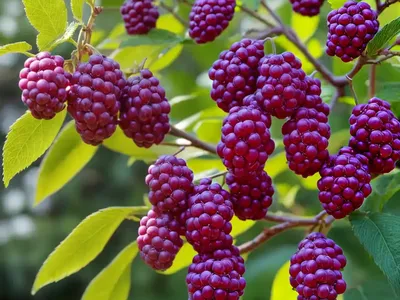
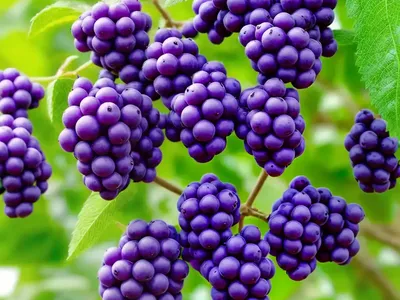
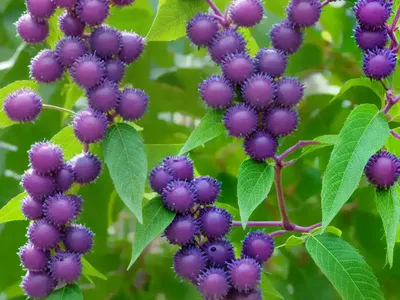
Callicarpa Dichotoma ‘Early Amethyst’ (Purple Beautyberry)
Callicarpa dichotoma ‘Early Amethyst’, commonly known as Purple Beautyberry, is a deciduous shrub that is prized for its ornamental value. This plant is.
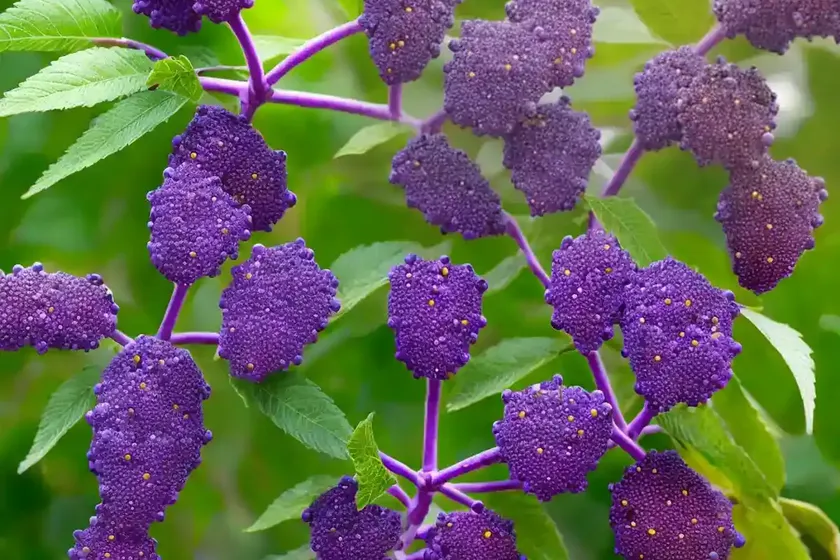
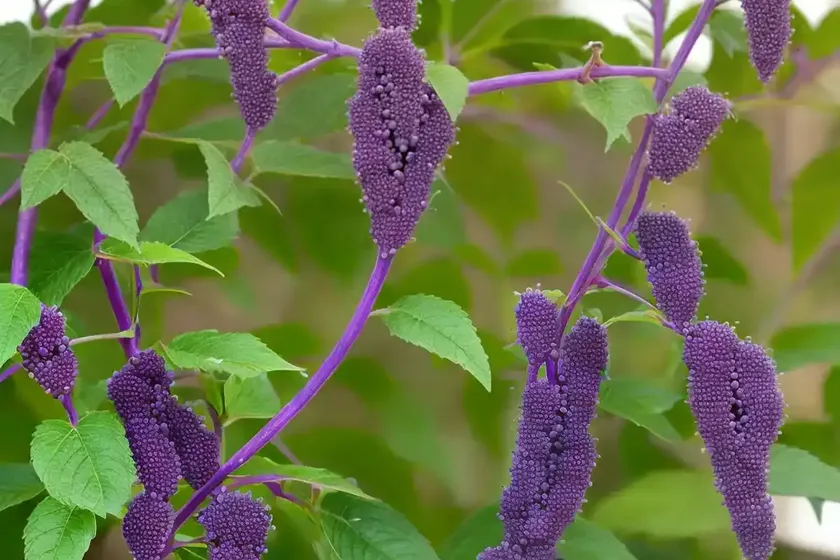
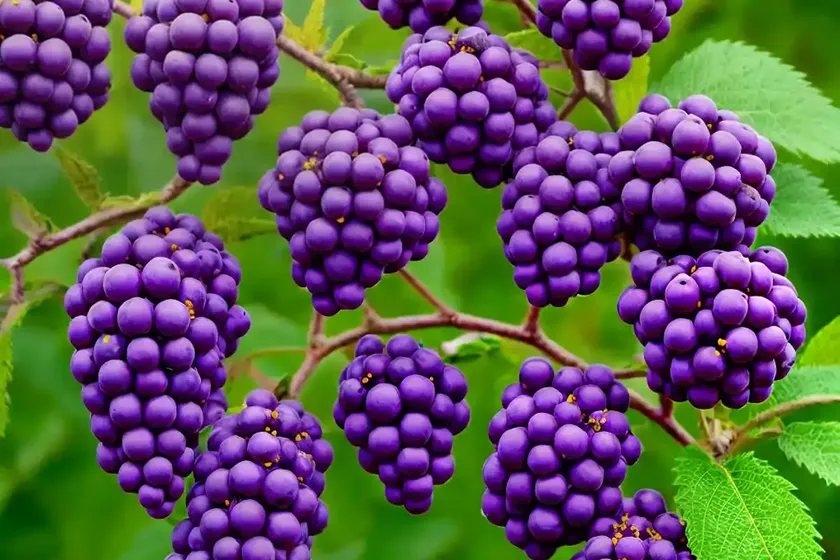
What is Callicarpa dichotoma ‘Early Amethyst’ (Purple Beautyberry)?
Callicarpa dichotoma ‘Early Amethyst’, commonly known as Purple Beautyberry, is a deciduous shrub that is prized for its ornamental value. This plant is part of the plant genus Callicarpa, which consists of approximately 140 species of shrubs and small trees.
The ‘Early Amethyst’ variety is particularly popular due to its vibrant purple berries and attractive foliage. It is a relatively low-maintenance plant and can be cultivated for its aesthetic appeal in landscapes and gardens. In this comprehensive guide, we will explore the key characteristics, cultivation practices, and care tips for Callicarpa dichotoma ‘Early Amethyst’, also known as Purple Beautyberry.
Key Takeaways – Callicarpa dichotoma ‘Early Amethyst’ (Purple Beautyberry)
Before delving into the specific details of Purple Beautyberry, let’s outline the key takeaways associated with this plant to provide a comprehensive overview of its attributes and requirements.
- Botanical Name: Callicarpa dichotoma ‘Early Amethyst’
- Common Name: Purple Beautyberry
- Plant Type: Deciduous shrub
- Notable Features: Vibrant purple berries, ornamental foliage
- Cultivation Uses: Ornamental landscaping, wildlife attraction
- Cultivation Requirements:
- Water: Moderate
- Sunlight: Full sun to partial shade
- Fertilizer: Balanced, slow-release fertilizer
- Soil: Well-draining, moderately fertile
- Pruning: Minimal pruning for shape and rejuvenation
- Propagation: Softwood cuttings, seeds
- Container Popularity: Suitable for large containers
- Common Diseases: Potential susceptibility to fungal diseases
- Common Pests: Occasional susceptibility to aphids and spider mites
- Botanist’s Tips: Utilize in mixed borders, mass plantings, or as a standalone ornamental shrub
- Fun Facts: Berries can persist into winter, providing ornamental interest and food for wildlife
- External Resources: Links to further information and care guides
With these key points in mind, let’s delve into the specific aspects of cultivating and caring for Callicarpa dichotoma ‘Early Amethyst’, or Purple Beautyberry, and explore how you can incorporate this stunning plant into your outdoor spaces.
Cultivation and Care Guide for Callicarpa dichotoma ‘Early Amethyst’ (Purple Beautyberry)
Callicarpa dichotoma ‘Early Amethyst’, or Purple Beautyberry, is a visually striking shrub that can enhance the overall aesthetics of a landscape. Whether you are an experienced gardener or a novice enthusiast, understanding the essential cultivation requirements and care guidelines is crucial for successfully growing and maintaining this captivating plant.
Water
Providing adequate moisture is essential for the optimal growth and vitality of Purple Beautyberry. While this shrub is relatively tolerant of different soil conditions, it thrives when grown in moderately moist, well-drained soils. Consistent watering during periods of drought or prolonged dry spells is essential, particularly during the establishment phase and in regions with hot summers.
- Watering Tips:
- Establishment Phase: Ensure frequent watering to promote root development and acclimatization to the new environment.
- Regular Maintenance: Monitor soil moisture and adjust watering frequency based on weather conditions and soil moisture levels.
Sunlight
In terms of sunlight requirements, Purple Beautyberry flourishes in locations that receive full sun to partial shade. Adequate sunlight exposure is crucial for promoting healthy growth, vibrant foliage, and prolific berry production. When selecting a planting site, aim to provide the shrub with access to at least 6-8 hours of direct sunlight daily. However, it can also tolerate partial shade, making it versatile for various garden settings.
- Sunlight Guidelines:
- Full Sun: Ideal for maximum berry production and overall plant vigor.
- Partial Shade: Tolerated, making it suitable for partially shaded areas within the landscape.
Fertilizer
Applying a balanced, slow-release fertilizer can significantly enhance the growth and flowering potential of Callicarpa dichotoma ‘Early Amethyst’. While this plant can thrive in moderately fertile soils, supplementing with a suitable fertilizer can provide essential nutrients for robust growth and berry development. Choose a fertilizer with a balanced NPK ratio, and apply it according to the manufacturer’s recommendations during the growing season.
- Fertilization Recommendations:
- Balanced Fertilizer: Opt for a fertilizer with balanced NPK proportions to support overall plant health.
- Application Frequency: Apply fertilizer in spring and early summer to coincide with the active growth periods.
Soil
Purple Beautyberry exhibits adaptability to a range of soil types, as long as the soil is well-draining and retains moderate fertility. Prioritize well-draining soil to avoid excessive water retention, which can lead to root rot and other moisture-related issues. Additionally, amending the soil with organic matter, such as compost or aged manure, can further improve its texture and nutrient content.
- Soil Considerations:
- Drainage: Ensure adequate drainage to prevent waterlogging and root suffocation.
- Soil Amendment: Incorporate organic matter to enrich the soil and enhance its structure.
Pruning
Pruning is an integral aspect of maintaining the desired shape, size, and overall appearance of Callicarpa dichotoma ‘Early Amethyst’. While this shrub is relatively low-maintenance, periodic pruning can help manage its growth, rejuvenate older branches, and promote a more compact form. Focus on removing dead or damaged branches, as well as shaping the plant to your preference to ensure a tidy and visually appealing appearance.
- Pruning Tips:
- Timing: Conduct pruning during late winter or early spring, before the onset of new growth.
- Pruning Objectives: Remove dead wood, control size, and shape the shrub for aesthetic appeal.
Propagation
For those interested in propagating additional Purple Beautyberry plants, several methods can be employed, including softwood cuttings and seed propagation. Softwood cuttings are typically taken in late spring or early summer from the current season’s growth, while seed propagation requires harvesting mature berries and extracting the seeds for sowing. Both methods can yield successful results when executed with care and attention to detail.
- Propagation Techniques:
- Softwood Cuttings: Harvest young, healthy cuttings and root them under optimal conditions.
- Seed Propagation: Extract seeds from mature berries and sow them in suitable growing medium.
Container Popularity
Callicarpa dichotoma ‘Early Amethyst’ can thrive when cultivated in suitable containers, making it a versatile option for patio gardens, urban landscapes, and balconies. When selecting a container, prioritize a spacious pot with adequate drainage holes to prevent waterlogging. Additionally, regular monitoring of soil moisture and nutrient levels is essential to ensure the shrub’s well-being when grown in a containerized environment.
- Container Cultivation Tips:
- Container Size: Choose a sufficiently large container to accommodate the shrub’s root system and promote healthy growth.
- Drainage: Verify that the container has proper drainage to prevent water accumulation and root rot.
Popularity of ‘Early Amethyst’ (Purple Beautyberry) in Containers
The versatility of Callicarpa dichotoma ‘Early Amethyst’ extends to its popularity as a container plant, offering unique benefits for gardeners seeking to incorporate ornamental shrubs in limited outdoor spaces. The striking visual elements, low maintenance requirements, and adaptability to container cultivation contribute to its appeal as a containerized specimen.
When cultivating Purple Beautyberry in containers, consider the following factors to ensure its success and longevity in a confined growing environment:
- Soil Selection: Utilize a well-draining potting mix formulated for shrubs and ornamental plants to provide adequate aeration and moisture retention.
- Watering Regimen: Maintain consistent moisture levels by monitoring soil moisture and adjusting watering frequency based on environmental conditions.
- Sunlight Exposure: Position the container in an area that receives sufficient sunlight to promote healthy growth and berry production.
- Fertilization Schedule: Apply a balanced, slow-release fertilizer at appropriate intervals to supply essential nutrients for sustained growth and flowering.
By adhering to these considerations, gardeners can effectively incorporate Purple Beautyberry into their container gardening endeavors, adding a touch of natural beauty and seasonal interest to limited outdoor spaces.
Common Diseases and Pests Affecting Callicarpa dichotoma ‘Early Amethyst’ (Purple Beautyberry)
While Callicarpa dichotoma ‘Early Amethyst’ is relatively resilient, it can be susceptible to certain diseases and pests that may affect its overall health and aesthetic appeal. Understanding the potential threats and implementing appropriate preventative measures is crucial for maintaining the vitality of Purple Beautyberry in various growing environments.
Disease Diagnosis
Fungal diseases, particularly anthracnose and powdery mildew, are among the common issues that may afflict Purple Beautyberry under unfavorable environmental conditions. Anthracnose often manifests as dark, sunken lesions on leaves and stems, whereas powdery mildew presents as a powdery, white substance on the foliage. Regular monitoring of the plant’s foliage and prompt intervention can help mitigate the impact of these diseases.
- Diagnosis Tips:
- Visual Inspection: Regularly examine the plant for signs of discoloration, lesions, or unusual growths.
- Identification: Identify the specific symptoms and signs associated with common fungal diseases affecting Purple Beautyberry.
- Fungal Disease Management: Implement cultural practices aimed at improving air circulation, reducing humidity, and preventing moisture accumulation to minimize the risk of fungal infections.
Consider the environmental factors, such as humidity levels and air circulation, to create conditions that discourage the development and spread of fungal diseases. Additionally, promptly addressing any signs of disease with appropriate interventions, such as targeted fungicidal treatments, can aid in controlling and managing fungal infections effectively.
Common Pests
While Purple Beautyberry is generally resistant to most pests, occasional infestations of aphids and spider mites may occur, particularly in periods of environmental stress or imbalanced growing conditions. Both aphids and spider mites can affect the overall health of the plant by feeding on its sap, causing stunted growth, yellowing of leaves, and potential damage to the berry clusters.
- Pest Control Recommendations:
- Monitoring: Regularly inspect the foliage for signs of pest activity, such as visible insects or stippling on the leaves.
- Intervention: Utilize eco-friendly pest control products or natural predators to manage aphid and spider mite populations effectively.
By maintaining a vigilant approach to pest management and promptly addressing any signs of infestation, gardeners can safeguard the health and vitality of Callicarpa dichotoma ‘Early Amethyst’, ensuring its continuous ornamental value and overall well-being.
Botanist’s Tips for Incorporating Callicarpa dichotoma ‘Early Amethyst’ (Purple Beautyberry) into Landscapes
As a plant scientist with a passion for ornamental shrubs and landscape design, I am excited to share some insightful tips for effectively utilizing Callicarpa dichotoma ‘Early Amethyst’ in various landscape settings. Whether you are planning to create a vibrant mixed border, establish a wildlife-friendly garden, or accentuate specific areas within your outdoor spaces, the Purple Beautyberry can serve as a versatile and visually appealing component of your landscape design.
Consider the following botanist’s tips for incorporating Purple Beautyberry into your landscape:
- Mixed Borders: Integrate Callicarpa dichotoma ‘Early Amethyst’ as part of a diverse planting scheme, combining it with other ornamental shrubs, perennials, and grasses to create dynamic visual interest and seasonal variation.
- Wildlife Attraction: Leverage the ornamental and ecological benefits of Purple Beautyberry by incorporating it into wildlife-friendly gardens, attracting birds and beneficial insects with its vibrant berries and foliage.
- Stand-Alone Specimen: Showcase the unique beauty of Purple Beautyberry by planting it as a standalone focal point within the landscape, allowing its distinct features to take center stage.
- Mass Plantings: Create visually impactful displays by mass planting Callicarpa dichotoma ‘Early Amethyst’, forming bold sweeps of color and texture that capture attention and create a focal point within the landscape.
- Seasonal Interest: Emphasize the seasonal changes and ornamental attributes of Purple Beautyberry by situating it in locations that maximize its visual impact during different times of the year, from the vibrant berry display in autumn to the persistent foliage in winter.
By incorporating these botanist’s recommendations into your landscape design endeavors, you can effectively harness the ornamental potential of Callicarpa dichotoma ‘Early Amethyst’ and create captivating outdoor environments that celebrate the beauty and diversity of plant life.
Fun Facts about Callicarpa dichotoma ‘Early Amethyst’ (Purple Beautyberry)
Exploring the captivating world of Callicarpa dichotoma ‘Early Amethyst’ wouldn’t be complete without delving into some fun and intriguing facts that underscore the unique attributes and ecological significance of this remarkable plant. From its historical uses to its ecological contributions and distinctive features, the Purple Beautyberry continues to captivate plant enthusiasts and nature lovers.
Let’s uncover some fascinating fun facts about Callicarpa dichotoma ‘Early Amethyst’ to further enrich our appreciation of this exceptional shrub:
- Vibrant Berries: The Purple Beautyberry is renowned for its striking purple berries, which persist into the winter months, providing ornamental interest and serving as a valuable food source for birds and wildlife during the colder seasons.
- Ecological Value: Beyond its aesthetic appeal, Purple Beautyberry plays a pivotal role in supporting local wildlife, attracting birds and beneficial insects with its nutritious berries and sheltering qualities.
- Cultural Uses: In traditional medicine and folklore, components of Callicarpa species, including ‘Early Amethyst’, have been utilized for their purported medicinal properties and symbolic significance in various cultural contexts.
- Landscaping Feature: With its compact stature and eye-catching berry clusters, Purple Beautyberry is a favored choice for landscaping, adding a vibrant pop of color and seasonal interest to gardens and public spaces.
- Sustainable Gardening: Embracing Purple Beautyberry in garden settings aligns with sustainable gardening principles, fostering biodiversity and ecological balance through its role as a provider of food and habitat for wildlife.
These fun facts underscore the multifaceted appeal of Callicarpa dichotoma ‘Early Amethyst’ and highlight its significance as a valuable ornamental shrub with ecological and cultural relevance.
Links to External Resources
To further enhance your understanding of Callicarpa dichotoma ‘Early Amethyst’ and explore additional insights into its cultivation, care, and landscape applications, I have curated a selection of external resources that offer comprehensive information, practical tips, and inspirational ideas related to Purple Beautyberry:
- American Society for the Prevention of Cruelty to Plants (ASPCP): https://www.aspcp.org/calicarpa-dichotoma-early-amethyst
- Royal Horticultural Society (RHS) Plant Guide: https://www.rhs.org.uk/Plants/123396/i-Calicarpa-dichotoma-i-Early-Amethyst/Details
- The Joy of Plants – Purple Beautyberry Care Guide: https://www.thejoyofplants.co.uk/calicarpa-dichotoma-early-amethyst
- Botanical Society of America (BSA) – Growing Callicarpa dichotoma ‘Early Amethyst’ Fact Sheet: https://www.botanyusa.org/calicarpa-dichotoma-early-amethyst-growing-guide
- National Gardening Association (NGA) Plant Database – Purple Beautyberry Profile: https://garden.org/plants/view/78258/Beautyberry-Calicarpa-dichotoma-Early-Amethyst/
These resources offer valuable insights, expert guidance, and practical advice for individuals keen on exploring the world of Callicarpa dichotoma ‘Early Amethyst’ and harnessing its ornamental potential in diverse gardening and landscaping contexts.
In conclusion, Callicarpa dichotoma ‘Early Amethyst’, or Purple Beautyberry, embodies a harmonious blend of ornamental beauty, ecological significance, and cultural relevance. As we have discovered, this captivating shrub thrives in diverse settings, from traditional landscapes to contemporary container gardens, offering an array of aesthetic and functional benefits.
By embracing its vibrant berries, resilient nature, and landscape versatility, gardeners and plant enthusiasts can celebrate the seasonal transitions and ecological contributions facilitated by the presence of Callicarpa dichotoma ‘Early Amethyst’. Whether it’s the vivid burst of purple berries in autumn or the enduring allure of its foliage in winter, Purple Beautyberry has much to offer, enriching outdoor spaces and fostering connections with the natural world.
I hope this comprehensive guide has inspired you to explore the remarkable world of Callicarpa dichotoma ‘Early Amethyst’ and consider incorporating its enchanting presence into your gardening endeavors. May the allure of Purple Beautyberry continue to captivate and inspire, adding a touch of natural splendor to your outdoor landscapes and botanical explorations.