Callicarpa Dichotoma F. Albifructa (White Beautyberry)
Callicarpa dichotoma f. albifructa, commonly known as the White Beautyberry, is a unique and striking plant that has gained popularity for its beautiful.
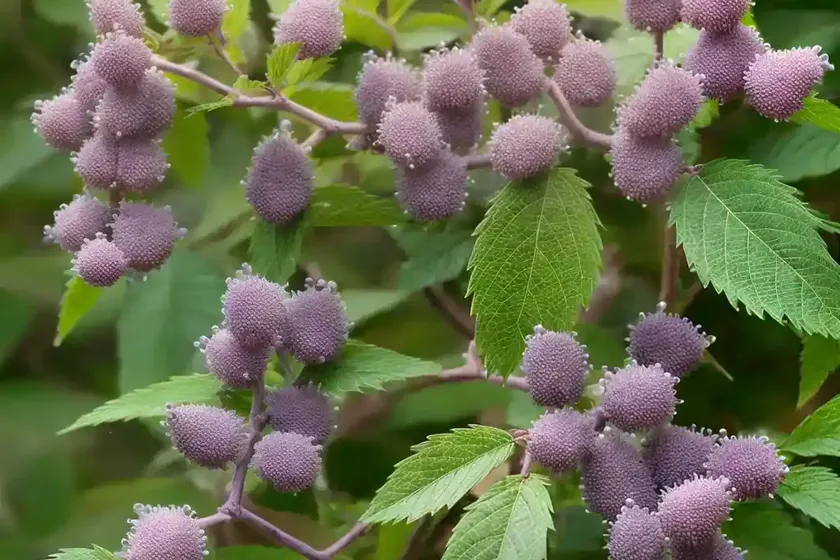
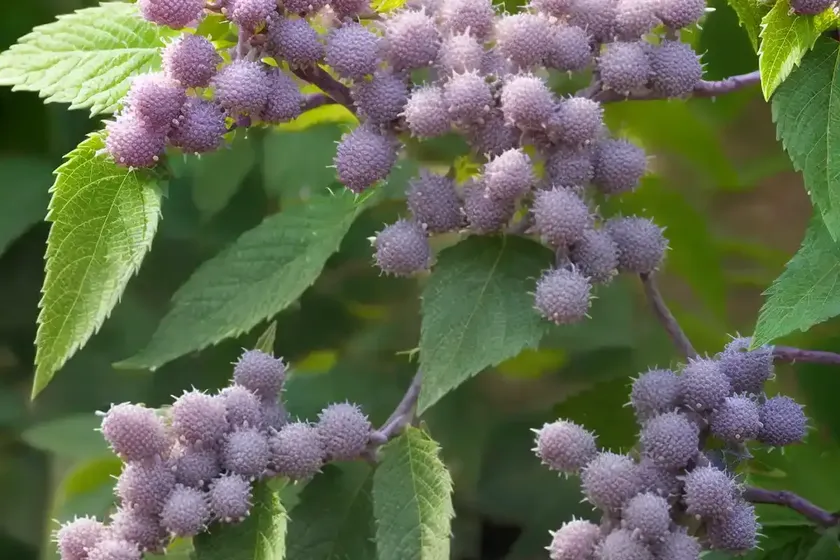
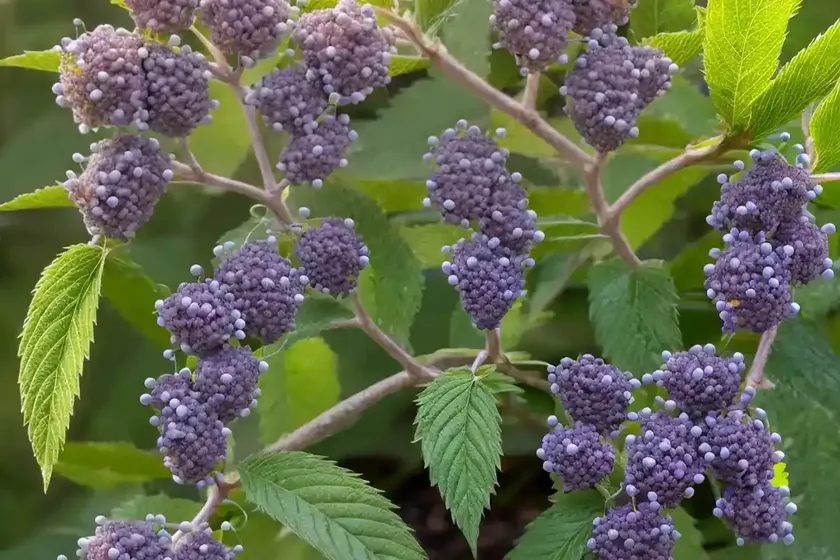
Callicarpa dichotoma f. albifructa, commonly known as the White Beautyberry, is a unique and striking plant that has gained popularity for its beautiful white fruits and remarkable ornamental value. In this comprehensive guide, we will explore the culture, uses, care, propagation, common diseases, pests, and many other aspects of this fascinating plant. By the end of this article, you will have a thorough understanding of how to cultivate and care for the Callicarpa dichotoma f. albifructa and appreciate its diverse attributes.
What is Callicarpa dichotoma f. albifructa (White Beautyberry)?
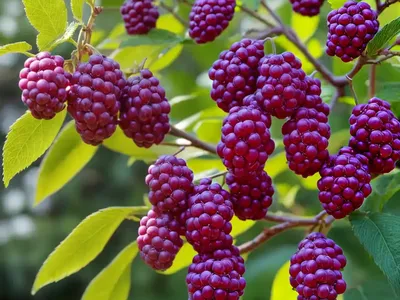
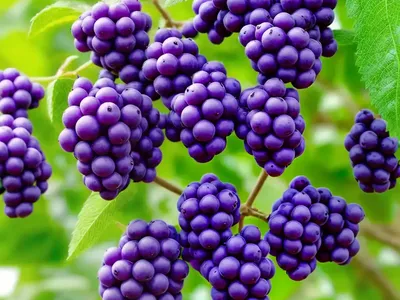
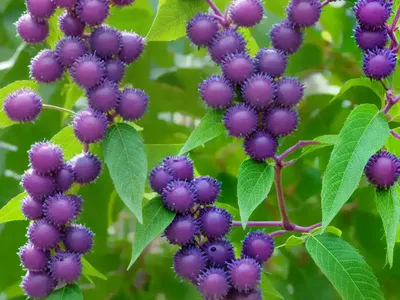
Callicarpa dichotoma f. albifructa, also known as the White Beautyberry, is a deciduous shrub valued for its ornamental beauty and attractive white fruits. Belonging to the Lamiaceae family, this plant is native to East Asia, particularly China, Korea, and Japan. It is a cultivar of the Callicarpa dichotoma, a species known for its vibrant purple fruits. The White Beautyberry sets itself apart from its counterparts with its distinctive white berries, which persist throughout the fall and into winter.
The shrub typically grows to a height of 3-4 feet with a similar spread, forming a rounded and bushy silhouette. It features dark green, ovate leaves that transition to a lovely yellow hue during the autumn, adding further appeal to its aesthetic value. The White Beautyberry produces small, star-shaped, light pink flowers in the summer, which eventually transform into the iconic white berries, creating a stunning visual display.
Key Takeaways – Callicarpa dichotoma f. albifructa (White Beautyberry)
Before delving into the details of White Beautyberry’s culture, uses, and care, let’s summarize some key takeaways about this captivating plant:
- Common Names: White Beautyberry, Callicarpa dichotoma White Beautyberry, Albifructa Beautyberry, White-fruited Beautyberry, Callicarpa dichotoma f. albifructa
- Description: Deciduous shrub with dark green ovate leaves, light pink flowers, and distinctive clusters of white berries.
- Ornamental Value: Noteworthy for its attractive berries that persist from fall to winter, as well as its yellow autumn foliage.
- Uses: Primarily cultivated for landscaping and ornamental purposes, adds visual interest to gardens and landscapes.
- Popularity: Increasingly favored in gardens and landscapes for its unique aesthetic appeal.
- Scientific Classification: Family – Lamiaceae, Genus – Callicarpa, Species – C. dichotoma, Cultivar – f. albifructa.
Culture
Water
The White Beautyberry is relatively adaptable to varying moisture conditions, thriving in well-draining soil. However, it generally prefers consistently moist soil, especially during the establishment phase and prolonged periods of drought. Adequate watering is essential to promote the development and persistence of its striking white berries.
Sunlight
This shrub thrives in partial to full sun, preferring at least 4 to 6 hours of direct sunlight per day. While it can tolerate partial shade, it may result in reduced flowering and fruiting. Adequate sunlight is crucial to ensure the abundant production of flowers and berries, enhancing the ornamental appeal of the plant.
Soil
Callicarpa dichotoma f. albifructa thrives in well-drained, slightly acidic to neutral soil. It is adaptable to a range of soil types, including loamy, sandy, or clay soils. However, it performs best in moderately fertile soil with good drainage. Incorporating organic matter into the soil can further enhance its growth and overall health.
Fertilizer
White Beautyberry generally does not have excessive fertilizer requirements. A balanced, slow-release fertilizer formulated for flowering shrubs can be applied in spring to support healthy growth and prolific flowering. Avoid over-fertilization, as it can lead to excessive vegetative growth at the expense of flower and fruit production.
Pruning
Pruning plays a vital role in maintaining the shape, size, and overall appearance of the White Beautyberry shrub. It is recommended to prune the plant during late winter or early spring while it is still dormant. Remove any dead, damaged, or crossing branches to promote air circulation and reduce the risk of disease. Additionally, selective pruning can help shape the plant and encourage a more compact and bushy growth habit.
Propagation
Propagation of Callicarpa dichotoma f. albifructa can be achieved through various methods, including:
- Softwood Cuttings: Softwood cuttings taken in early summer and rooted in a well-draining medium under controlled conditions.
- Seeds: While it is possible to propagate from seeds, it may not retain the exact characteristics of the parent plant, and the germination process can be slow and unpredictable.
Container Popularity
The White Beautyberry is well-suited for container cultivation, making it a versatile choice for patios, balconies, and compact gardens. When grown in containers, it is essential to ensure adequate drainage and provide sufficient space for root development. Regular watering and fertilization are crucial to support the plant’s growth and ornamental fruit production in a container environment.
Common Diseases
The White Beautyberry is generally resistant to most common plant diseases. However, it may occasionally encounter issues such as:
- Powdery Mildew: A fungal disease that can affect the foliage, causing a powdery white coating. Proper air circulation and avoiding overhead watering can help prevent this issue.
- Leaf Spot: Characterized by the development of dark spots on the leaves, often caused by fungal or bacterial pathogens. Proper sanitation and removal of infected plant debris can aid in disease management.
Disease Diagnosis
Identifying potential diseases early is crucial for effective management. Regular inspection of the plant for any signs of abnormal discoloration, spotting, or distortion can help detect potential disease issues. If symptoms are observed, it is advisable to consult with a local extension service or plant health specialist for accurate diagnosis and targeted treatment recommendations.
Common Pests
The White Beautyberry is relatively resistant to pest infestations. However, it may occasionally attract common garden pests such as:
- Aphids: Small, soft-bodied insects that feed on plant sap, often found clustered on new growth tips and undersides of leaves.
- Japanese Beetles: Known for their voracious feeding on foliage and flowers, causing significant damage if left untreated.
Botanist’s Tips
To maximize the ornamental value and overall health of the White Beautyberry, consider the following botanist’s tips:
- Plant in well-draining soil with good air circulation to promote healthy growth and reduce the risk of disease.
- Regularly inspect the plant for signs of pest infestations and disease issues, addressing any problems promptly.
- Prune the shrub selectively to maintain a balanced and attractive form while encouraging prolific flowering and fruiting.
Fun Facts
- The White Beautyberry is known for attracting a variety of wildlife, including birds, due to its persistent berries, enhancing ecological diversity in gardens and landscapes.
- In traditional medicine, certain parts of Callicarpa species have been used for their purported medicinal properties, although it is essential to consult reliable sources before considering any medicinal applications.
Links to External Resources
For additional information and resources on the White Beautyberry, consider exploring the following links:
This comprehensive guide provides valuable insights into the culture, uses, care, propagation, and overall appreciation of Callicarpa dichotoma f. albifructa (White Beautyberry), allowing plant enthusiasts and gardeners to cultivate and enjoy this exceptional shrub to its fullest potential.
In conclusion, the White Beautyberry stands out as an exceptional addition to gardens and landscapes, offering year-round visual interest, ecological benefits, and potential ornamental and medicinal uses. By understanding its unique characteristics and optimal care requirements, plant enthusiasts can incorporate this striking shrub into their outdoor spaces, enriching their surroundings with its extraordinary beauty and versatile attributes.