American Arborvitae (Thuja Occidentalis ‘Yellow Ribbon’)
In the world of landscaping and plant cultivation, the American arborvitae, specifically the Thuja occidentalis ‘Yellow Ribbon’, holds a special place..
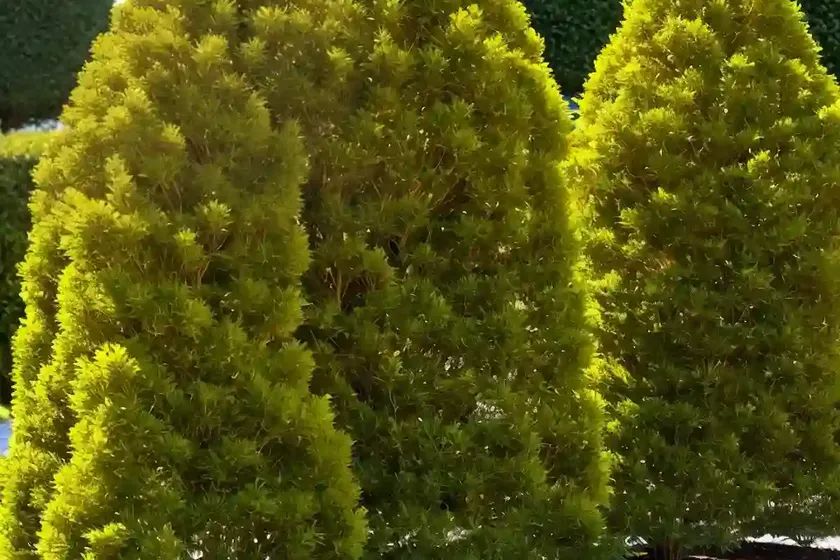
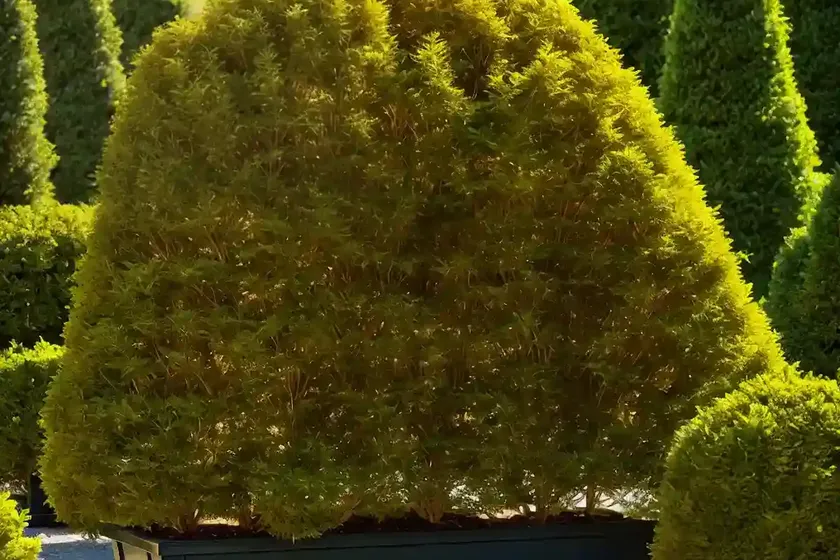
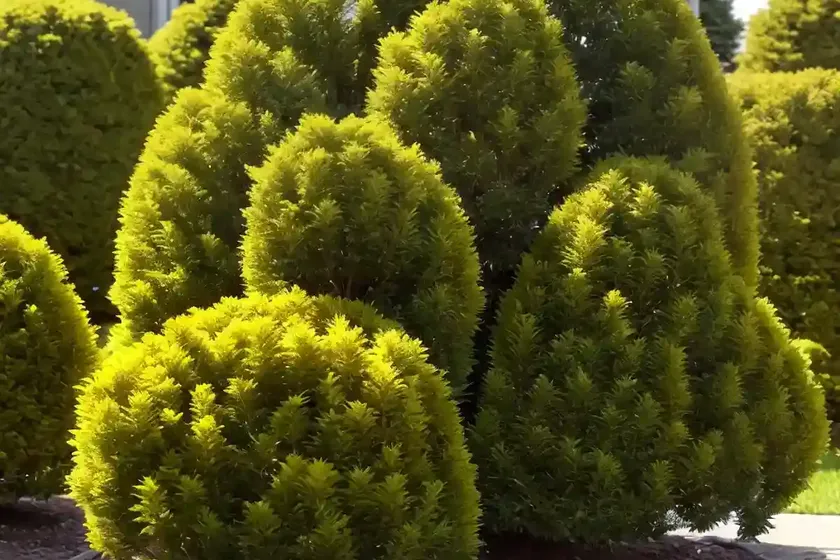
In the world of landscaping and plant cultivation, the American arborvitae, specifically the Thuja occidentalis ‘Yellow Ribbon’, holds a special place. Known for its vibrant foliage and versatile uses, this plant has become a favored choice for both professional landscapers and home gardeners. In this comprehensive guide, we will delve into all aspects of this beautiful plant, from its cultural requirements to maintenance, diseases, and more. Let’s explore the world of the American arborvitae and understand how to care for and make the most of this stunning addition to any garden or landscape.
About the American Arborvitae (Thuja occidentalis ‘Yellow Ribbon’)
The American arborvitae, scientifically known as Thuja occidentalis, is a species of evergreen conifer native to North America. It is commonly referred to as the Northern white cedar, Eastern arborvitae, or its indigenous name, “thuja,” which means “tree of life” in the language of the Algonquian peoples.
Key Takeaways – American Arborvitae (Thuja occidentalis ‘Yellow Ribbon’)
Before we delve into the specifics of caring for the American arborvitae, let’s take a look at some key takeaways about this plant:
- Botanical Name: Thuja occidentalis ‘Yellow Ribbon’
- Common Names: American arborvitae, Yellow Ribbon arborvitae
- Plant Type: Evergreen shrub
- Mature Height: 10-15 feet
- Growth Rate: Medium
- Exposure: Full sun to partial shade
- Water Needs: Moderate
- Soil Type: Well-drained, loamy soil
- Disease Resistance: Good
- Pest Resistance: Good
Now that we have a brief overview of the American arborvitae, let’s dive into the details of how to care for and cultivate this stunning plant.
Culture
The cultural requirements of the American arborvitae play a significant role in its overall health and appearance. Let’s explore the various factors that contribute to its cultural needs.
Water
Proper watering is essential for the health and vitality of the American arborvitae. While it is essential to ensure an adequately moist environment, overwatering should be avoided to prevent root rot and other water-related issues. To establish a healthy watering routine, consider the following guidelines:
- Young Plants: Newly planted or young American arborvitae shrubs require regular watering to help them establish strong root systems. Water deeply at least once a week, ensuring the soil is moist but not waterlogged.
- Established Plants: Mature American arborvitae shrubs are relatively drought-tolerant once established. However, they still benefit from regular watering, particularly during dry spells or hot weather. Water deeply when the soil begins to dry out, typically once every 7-10 days, depending on local weather conditions.
Sunlight
The American arborvitae thrives in full sun to partial shade, making it a versatile addition to various landscape settings. When selecting a planting location, consider the following sunlight requirements:
- Full Sun: Providing full sun (at least 6-8 hours of direct sunlight) will promote optimal growth and foliage density for American arborvitae shrubs.
- Partial Shade: While the plant prefers full sun, it can tolerate partial shade, particularly in regions with hot summers. However, it is essential to ensure that the shrub still receives several hours of direct sunlight each day for best results.
Fertilizer
Proper fertilization can enhance the growth and vibrancy of the American arborvitae. Applying a balanced fertilizer can provide essential nutrients to support healthy development. Consider the following guidelines for fertilizing American arborvitae shrubs:
- Timing: Fertilize American arborvitae shrubs in early spring before new growth emerges and again in late spring or early summer to support ongoing development.
- Fertilizer Type: Use a balanced, slow-release fertilizer specifically formulated for evergreen shrubs. Avoid excessive use of high-nitrogen fertilizers, as this can lead to excessive foliage growth at the expense of overall plant health.
Soil
The soil in which the American arborvitae is planted significantly impacts its growth and overall well-being. Well-draining, loamy soil provides an ideal foundation for healthy root development and overall plant vigor. Consider the following soil requirements for American arborvitae:
- Drainage: Ensure that the planting site has well-draining soil to prevent waterlogged conditions, which can lead to root rot and other issues.
- pH Level: American arborvitae shrubs prefer slightly acidic to neutral soil with a pH range between 6.0 and 7.5. Conduct a soil test to determine the pH level and make any necessary amendments to achieve the ideal range.
Pruning
Pruning is an essential aspect of American arborvitae maintenance, helping to shape the plant, control its size, and promote healthy growth. Proper pruning techniques can also enhance the plant’s overall appearance and longevity.
Pruning Time
The best time to prune American arborvitae shrubs is during the early spring before new growth begins. Pruning at this time allows the plant to recover and generate new growth throughout the growing season.
Pruning Techniques
When pruning American arborvitae shrubs, it is essential to follow proper techniques to avoid causing damage or compromising the plant’s health. Consider the following guidelines for pruning:
- Remove Dead or Diseased Branches: Regularly inspect the plant for dead or diseased branches and promptly prune them to prevent the spread of disease and enhance overall plant health.
- Shaping: To maintain a specific shape or size, carefully prune the outer growth of the shrub. Avoid cutting into old wood or removing an excessive amount of foliage in a single pruning session, as this can stress the plant.
Propagation
The propagation of American arborvitae allows for the cultivation of new plants through various methods. While the primary method of propagation is through cuttings, it is essential to understand the process to successfully propagate this species.
Propagation by Cuttings
Propagating American arborvitae from cuttings is a reliable method to produce genetically identical plants. To propagate through cuttings, follow these steps:
- Choose Healthy Branches: Select healthy, non-flowering branches from the current season’s growth for the best results.
- Prepare Cuttings: Cut 4-6 inch sections of the selected branches, ensuring each cutting has at least two sets of needles.
- Rooting Medium: Dip the cut end of each cutting in a rooting hormone, then plant it in a well-draining rooting medium, such as perlite or vermiculite.
- Rooting Conditions: Place the cuttings in a warm, humid environment with indirect light. Maintain consistent moisture levels, and monitor for root development.
Container Propagation
American arborvitae can also be propagated in containers, which allows for a controlled environment to establish new plants. To propagate in containers, follow these steps:
- Container Selection: Choose a clean, appropriately sized container with drainage holes to prevent waterlogging.
- Planting Medium: Fill the container with a well-draining potting mix, such as a blend of peat moss and perlite.
- Planting: Plant the cutting in the container, ensuring it is positioned upright and at the proper depth. Water the cutting thoroughly after planting.
- Rooting Environment: Place the container in a warm location with bright, indirect light. Maintain consistent moisture levels and monitor for root development.
Popularity
The American arborvitae, particularly the ‘Yellow Ribbon’ variety, has gained popularity for its striking foliage and versatile uses in landscaping and garden design. Its vibrant yellow-green foliage serves as a stunning focal point in various settings, making it a sought-after choice for both professional landscapers and homeowners.
Common Uses
The American arborvitae ‘Yellow Ribbon’ variety is valued for its diverse uses in landscaping and garden design, including:
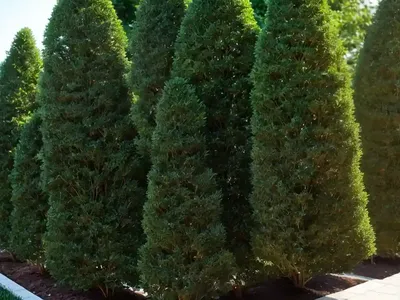
- Privacy Screening: The dense foliage of the ‘Yellow Ribbon’ variety makes it an excellent choice for creating privacy screens and hedges.
- Accent Plant: Its vibrant foliage and natural conical shape allow it to be used as a striking accent plant in garden beds and borders.
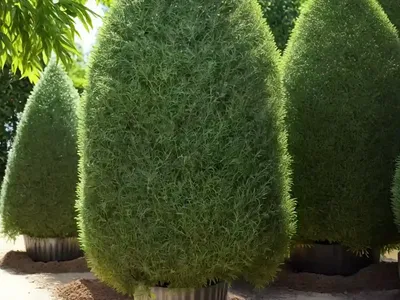
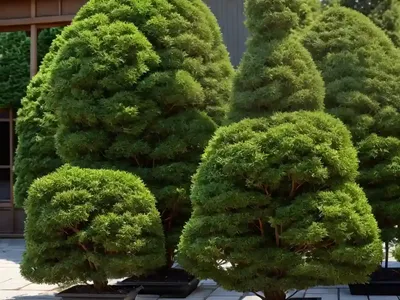
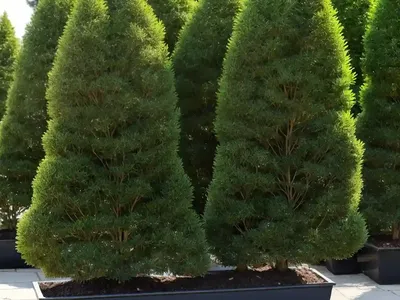
- Container Planting: The ‘Yellow Ribbon’ variety can be grown in containers on patios, decks, or other outdoor living spaces, adding a splash of color and texture.
Container Gardening
The ‘Yellow Ribbon’ variety of American arborvitae is well-suited for container gardening, allowing it to be showcased on patios, balconies, or other outdoor areas. When planting in containers, consider the following tips:
- Container Size: Select a spacious container that provides ample room for root development. Choose a container with drainage holes to prevent waterlogging.
- Potting Mix: Use a high-quality, well-draining potting mix specifically formulated for container plants. Ensure the mix provides adequate aeration and moisture retention.
- Watering: Container-grown American arborvitae may require more frequent watering, particularly during hot weather. Check the soil moisture regularly and water when the top inch of the soil feels dry.
Common Diseases
While the American arborvitae is generally resistant to many common pests and diseases, it is essential to be aware of potential issues that can affect its health. Understanding common diseases can help in early detection and prompt intervention to prevent widespread damage.
Disease Diagnosis
The following are some common diseases that can affect American arborvitae, along with their symptoms:
- Needle Blight: Symptoms include browning, yellowing, or withering of the foliage, particularly towards the tips of branches. Needle blight is often caused by fungal pathogens.
- Root Rot: Signs of root rot include wilting, yellowing foliage, and stunted growth. Infected roots may appear dark, mushy, or have a foul odor. Root rot is often caused by overly wet or poorly draining soil.
Disease Prevention
Implementing preventative measures can help minimize the risk of diseases affecting American arborvitae. Consider the following strategies for disease prevention:
- Proper Watering: Avoid overwatering and ensure that the soil has adequate drainage to prevent waterlogged conditions that can lead to root rot and other issues.
- Pruning Practices: Regularly remove dead or diseased branches to promote air circulation and reduce the risk of fungal diseases such as needle blight.
Common Pests
While American arborvitae is relatively resistant to pests, certain insects can pose a threat to its health if left unchecked. Understanding common pests and their impact can facilitate effective pest management.
Pest Identification
Some common pests that can affect American arborvitae include:
- Spider Mites: These tiny pests can cause stippling and discoloration of the foliage. Infestations may lead to webbing on the undersides of the branches and leaves.
- Bagworms: Bagworms are caterpillars that construct protective spindle-shaped bags on the branches of arborvitae. Heavy infestations can lead to defoliation and branch dieback.
Pest Control Methods
When addressing pest issues on American arborvitae, consider the following pest control methods:
- Pruning: Promptly prune and dispose of heavily infested branches to remove bagworms and minimize their impact on the plant.
- Horticultural Oils: In cases of spider mite infestations, horticultural oils can be effective in smothering and controlling the pests. Apply the oil according to the manufacturer’s instructions.
Botanist’s Tips
To further assist in caring for the American arborvitae, here are some additional tips from botanists and horticulture experts:
- Mulching: Apply a layer of organic mulch around the base of American arborvitae shrubs to conserve soil moisture, suppress weeds, and insulate the roots.
- Winter Protection: In regions with harsh winters, consider providing additional protection for American arborvitae shrubs by wrapping them with burlap or applying an anti-desiccant spray to minimize moisture loss.
Fun Facts
Now that we’ve covered the essential care and maintenance aspects of the American arborvitae, let’s explore some fun and interesting facts about this beloved plant:
- Traditional Medicine: Native American tribes historically used parts of the arborvitae plant for various medicinal purposes, including treating colds, fevers, and skin conditions.
- Symbolism: The name “arborvitae” is derived from the Latin words for “tree” and “life,” reflecting its symbolic representation of longevity and vitality.
Links to External Resources
For further information on American arborvitae care, propagation, and landscape uses, consider exploring the following resources:
- American Arborvitae Care Guide – The Spruce
- Thuja occidentalis ‘Yellow Ribbon’ – Missouri Botanical Garden
- Arborvitae Planting and Care Guide – HGTV
- American Arborvitae – University of Florida IFAS Extension
In conclusion, the American arborvitae, particularly the ‘Yellow Ribbon’ variety, is a remarkable and versatile plant that offers an array of benefits for landscaping and garden enthusiasts. By understanding its cultural requirements, maintenance techniques, and potential challenges, enthusiasts can cultivate and enjoy the beauty of this exceptional evergreen shrub.
Whether utilized as a privacy screen, accent plant, or container feature, the American arborvitae adds year-round interest and visual appeal to a wide range of outdoor spaces. With proper care and attention, this resilient and stunning plant can thrive and enrich its surroundings for years to come.