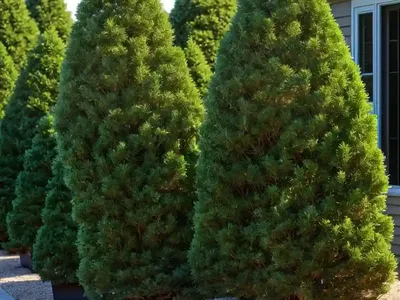
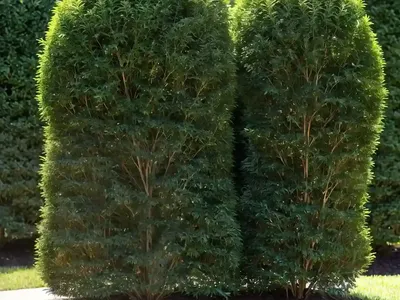
American Arborvitae (Thuja Occidentalis ‘Golden Globe’)
Plants play a vital role in our ecosystem and offer an array of benefits, including improving air quality, providing habitats for wildlife, and adding.
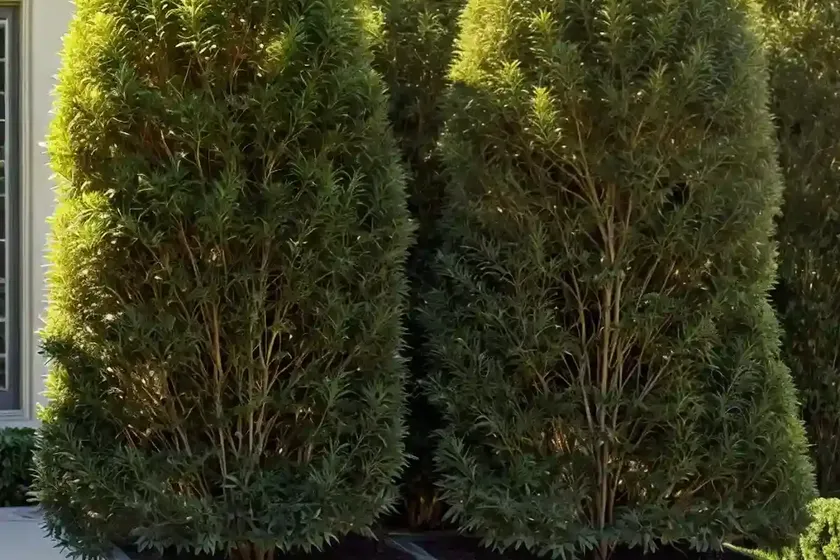
Plants play a vital role in our ecosystem and offer an array of benefits, including improving air quality, providing habitats for wildlife, and adding natural beauty to our surroundings. One remarkable plant that is cherished for its ornamental value and ease of maintenance is the American Arborvitae. In particular, the variety known as Thuja occidentalis ‘Golden Globe’ has gained popularity for its striking golden foliage and its versatility in various landscaping settings.
In this comprehensive guide, we will delve into the world of the American Arborvitae (Thuja occidentalis ‘Golden Globe’), exploring its culture, uses, care requirements, common diseases, pests, propagation methods, and much more. Whether you are considering planting this stunning evergreen in your garden or simply seeking to expand your horticultural knowledge, this guide is designed to provide you with valuable insights into the fascinating world of American Arborvitae.
What is American Arborvitae (Thuja occidentalis ‘Golden Globe’)?
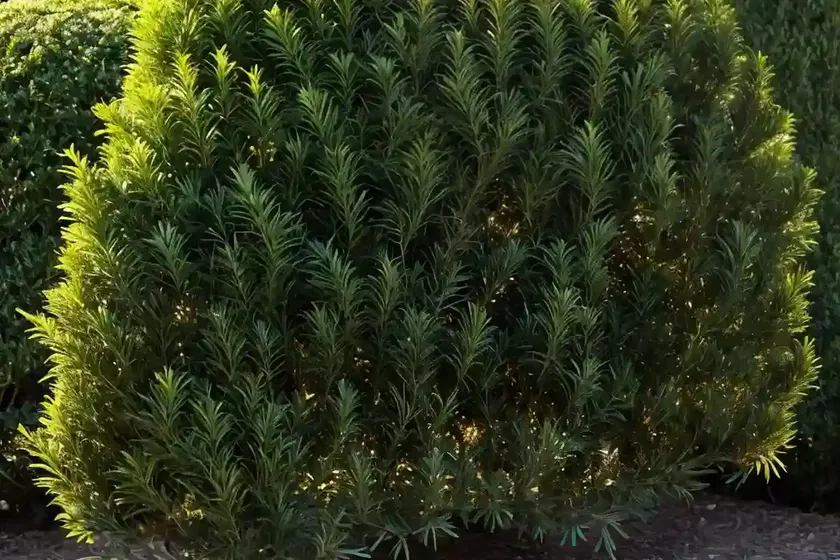
Thuja occidentalis, commonly known as American Arborvitae, is a species of coniferous evergreen tree native to the eastern parts of North America. The name “Arborvitae” is derived from the Latin term, which translates to “Tree of Life,” bestowed upon this species by early French explorers. The ‘Golden Globe’ variety of Thuja occidentalis is a compact, slow-growing cultivar that displays vibrant golden foliage characteristic of its ornamental appeal.
Key Takeaways – American Arborvitae (Thuja occidentalis ‘Golden Globe’)
- Botanical Name: Thuja occidentalis ‘Golden Globe’
- Common Names: American arborvitae ‘Golden Globe’, Golden Globe arborvitae
- Plant Type: Evergreen shrub
- Foliage Color: Golden yellow
- Growth Habit: Compact, globe-shaped
- Uses: Hedges, borders, containers, foundation plantings, rock gardens
- Hardiness Zone: 3-7
- Mature Height: 3-4 feet
- Mature Spread: 3-4 feet
- Maintenance: Low
Now, let’s explore the various aspects of the American Arborvitae (Thuja occidentalis ‘Golden Globe’) to gain a comprehensive understanding of this remarkable plant.
Culture
Cultivating Thuja occidentalis ‘Golden Globe’ is relatively straightforward, and it thrives in a variety of garden settings due to its adaptability and low maintenance requirements.
Uses
The versatility of the ‘Golden Globe’ variety makes it an ideal choice for a multitude of landscaping purposes. Here are some common uses of this charming evergreen:
- Hedges: The compact and dense growth habit of Thuja occidentalis ‘Golden Globe’ makes it an excellent choice for creating formal or informal hedges. Its golden foliage adds a touch of elegance to any landscape while providing privacy and defining boundaries.
- Borders: When planted in rows, these shrubs can serve as attractive borders within garden beds or along pathways, adding visual interest and structure to the landscape.
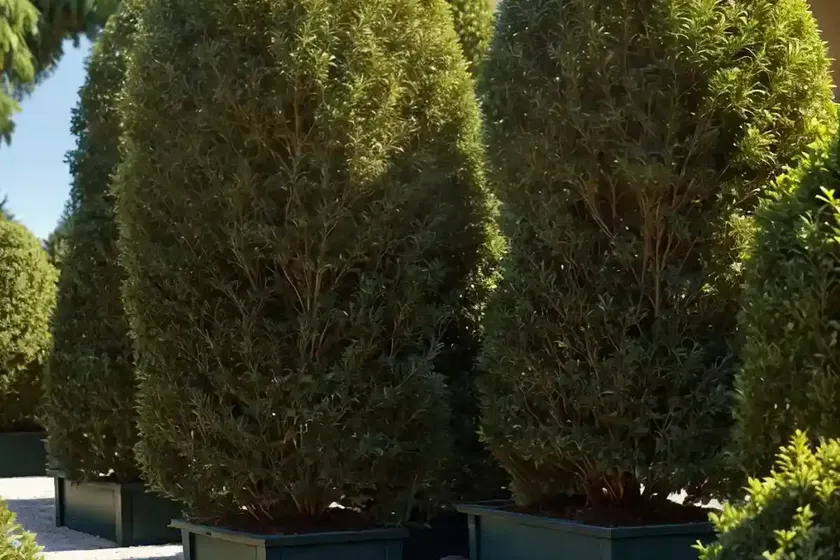
- Containers: Its compact size makes this cultivar well-suited for container gardening, allowing for easy mobility and placement in various outdoor spaces, such as patios, balconies, or entranceways.
- Foundation Plantings: Planted near buildings or structures, Thuja occidentalis ‘Golden Globe’ adds year-round color and texture, enhancing the architectural appeal of the surrounding area.
- Rock Gardens: The low-growing and mounding nature of this cultivar makes it an excellent choice for rock gardens, adding a pop of golden color amidst the rocks and other plantings.
Water
Proper watering is crucial for the establishment and sustained health of Thuja occidentalis ‘Golden Globe’. Although these shrubs are relatively drought-tolerant once established, it is important to ensure they receive adequate moisture, especially during the initial stages of growth and during periods of prolonged dryness.
- Initial Establishment: Newly planted shrubs should be watered deeply immediately after planting to ensure the root ball is adequately moistened. This initial watering is crucial for helping the plant acclimate to its new environment.
- Regular Watering: During the growing season, it is advisable to water the shrubs regularly, particularly during extended periods of heat or drought. A deep watering once or twice a week is generally sufficient, allowing the soil to dry out slightly between watering sessions to avoid waterlogged conditions.
- Watering Techniques: Water at the base of the shrub, directing the flow towards the root zone to ensure the moisture reaches the plant’s root system. Additionally, using a layer of organic mulch around the shrub can help retain soil moisture and reduce water evaporation.
Sunlight
Thuja occidentalis ‘Golden Globe’ thrives in full to partial sunlight, displaying its best growth and vibrancy when provided with ample sunlight exposure. However, it also demonstrates a degree of tolerance to partial shade, making it adaptable to a range of light conditions.
- Full Sun: When planted in well-drained soil in a location that receives at least 6 hours of direct sunlight daily, these shrubs develop their characteristic golden foliage to its fullest potential, adding a radiant glow to the landscape.
- Partial Shade: While optimal growth occurs in full sun, these shrubs can tolerate partial shade, making them suitable for areas that receive dappled sunlight or partial shade for a portion of the day. However, prolonged periods of deep shade may result in reduced foliage color intensity.
Fertilizer
Proper fertilization is essential for maintaining the health and vitality of Thuja occidentalis ‘Golden Globe’, providing the necessary nutrients for robust growth and vibrant foliage color.
- Timing: Fertilize the shrubs in early spring before the onset of new growth to support their nutrient requirements during the growing season. Avoid late-season fertilization to prevent encouraging new growth that may not have sufficient time to harden off before winter.
- Fertilizer Type: Use a balanced, slow-release granular fertilizer formulated for evergreen shrubs. Alternatively, a specialized formula designed for acid-loving plants can also be suitable for Thuja occidentalis species.
- Application Method: Apply the fertilizer evenly around the drip line of the shrub, avoiding direct contact with the foliage. Water the area thoroughly after fertilization to incorporate the nutrients into the soil.
Soil
Thuja occidentalis ‘Golden Globe’ thrives in well-drained, slightly acidic soil, providing an optimal environment for healthy root development and overall growth.
- Drainage: Ensure the planting site has good drainage to prevent waterlogging, which can lead to root rot and other issues. Amending heavy clay soils with organic matter, such as compost or peat moss, can improve drainage and soil structure.
- Soil pH: These shrubs prefer slightly acidic soil with a pH range of 6.0 to 7.0. Conducting a soil test can provide valuable insights into the existing pH levels and guide the necessary amendments to achieve the desired acidity.
- Soil Structure: Loose, well-aerated soil promotes healthy root growth and allows the shrubs to establish themselves more effectively. Incorporating a layer of organic mulch or compost into the soil can enhance its structure and moisture-retaining capacity.
Pruning
Regular pruning is essential for maintaining the compact shape and overall appearance of Thuja occidentalis ‘Golden Globe’. Proper pruning techniques ensure that the shrubs remain healthy and vibrant, while also controlling their size and promoting vigorous growth.
Pruning Timing
The ideal time for pruning Thuja occidentalis ‘Golden Globe’ is during the early spring before the onset of new growth. This timing allows the shrubs to recover from pruning and initiate growth with the arrival of the growing season.
Pruning Techniques
When pruning these shrubs, it is essential to follow proper techniques to avoid causing damage and to promote healthy regrowth.
- Removal of Dead or Damaged Branches: Begin by inspecting the shrub for any dead, diseased, or damaged branches, and carefully prune them back to the point of healthy growth, making clean cuts to promote efficient healing.
- Shaping and Size Control: Thuja occidentalis ‘Golden Globe’ can be shaped to maintain its compact, rounded form by selectively trimming back the new growth. Using sharp pruning shears, trim the tips of the branches, focusing on maintaining a balanced and uniform shape.
- Thinning Out: If the shrub becomes overly dense, selectively thin out some of the inner branches to improve air circulation and light penetration throughout the foliage, which can enhance overall health and vigor.
Propagation
Propagating Thuja occidentalis ‘Golden Globe’ can be achieved through several methods, including softwood cuttings and layering. These propagation techniques allow gardeners to create new plants from existing ones, whether for expanding their landscape or sharing the beauty of these shrubs with others.
- Softwood Cuttings: Softwood cuttings taken in late spring or early summer, consisting of young, actively growing shoots, can be rooted in a suitable propagation medium to produce new plants. Rooting hormone can be used to enhance the success rate of the cuttings.
- Layering: Another method of propagation involves layering, where a low-growing branch is partially buried in the soil, encouraging it to develop roots while still attached to the parent plant. Once roots are established, the new plant can be separated from the parent and transplanted to its new location.
Container Popularity
The compact size and attractive foliage of Thuja occidentalis ‘Golden Globe’ make it well-suited for container gardening, offering gardeners the flexibility to enjoy these charming shrubs in various outdoor settings.
- Patio Containers: Planted in decorative containers, these shrubs add visual interest and a touch of elegance to patios, balconies, and other outdoor living spaces. Their low maintenance requirements make them a popular choice for container gardening.
- Entryway Plantings: Placing containers of Thuja occidentalis ‘Golden Globe’ near entranceways or pathways creates a welcoming and inviting atmosphere while showcasing the vibrant golden foliage to visitors and passersby.
- Versatile Decor: Containers with these evergreens can be easily moved to different locations, allowing for seasonal rearrangements and flexibility in designing outdoor spaces.
Common Diseases
Thuja occidentalis ‘Golden Globe’ exhibits a good level of resistance to various diseases but may occasionally encounter certain common issues that can affect its health and appearance if left unaddressed. Understanding these potential diseases and their management is key to maintaining the vigor of these charming evergreens.
Disease Diagnosis
- Canker: Canker diseases caused by fungal pathogens can affect the branches and stems of Thuja occidentalis ‘Golden Globe’, resulting in localized areas of dieback, discoloration, or sunken lesions on the bark. Pruning out affected branches can help manage the spread of canker diseases.
- Needle Blight: Needle blight diseases, such as Kabatina or Phyllosticta, can cause browning, yellowing, or spotting of the foliage, leading to premature defoliation and reduced vitality of the shrubs. Providing proper air circulation and avoiding overhead watering can help prevent needle blight diseases.
- Root Rot: Prolonged periods of soil moisture, especially in poorly drained conditions, can predispose the shrubs to root rot caused by fungal pathogens. Ensuring well-drained soil, avoiding overwatering, and improving soil structure can mitigate the risk of root rot.
Common Pests
While Thuja occidentalis ‘Golden Globe’ is relatively resistant to pests, it may occasionally encounter specific insect pests that can impact its health and appearance. Understanding these common pests and implementing appropriate pest management practices can help protect the shrubs from pest-related issues.
- Spider Mites: These minuscule pests can cause stippling, discoloration, and webbing on the foliage, particularly in hot and dry conditions. Regularly inspecting the shrubs for signs of spider mites and providing adequate moisture and humidity can help deter these pests.
- Bagworms: Bagworm larvae construct distinctive spindle-shaped protective bags on the foliage of the shrubs, feeding on the needles and potentially causing defoliation. Physical removal of the bags and appropriate insecticidal treatments can help manage bagworm infestations.
- Scale Insects: Scale insects can attach themselves to the stems and foliage of the shrubs, feeding on the plant sap and causing weakening and yellowing of the foliage. Implementing horticultural oils or insecticidal treatments during the dormant season can help control scale infestations.
Botanist’s Tips
As a botanist specializing in horticulture, I offer the following tips for successfully cultivating and enjoying the beauty of Thuja occidentalis ‘Golden Globe’:
- Site Selection: Choose a well-drained location with ample sunlight exposure for optimal growth and foliage coloration.
- Watering: Maintain a balance in watering, ensuring the soil is consistently moist but not waterlogged, particularly during the establishment phase.
- Fertilization: Apply a balanced fertilizer in early spring to provide the necessary nutrients for healthy growth and vibrant foliage.
- Pruning: Regularly prune the shrubs to maintain their shape, remove any damaged or diseased growth, and promote vigor.
- Pest and Disease Monitoring: Routinely inspect the shrubs for signs of pests and diseases, implementing control measures when necessary to protect their health.
Fun Facts
- The name “Arborvitae” was given to Thuja occidentalis by early French explorers, who learned from Indigenous communities about its medicinal properties and uses.
- The wood of Thuja occidentalis was traditionally used by Indigenous peoples to create various tools, clothing items, and ceremonial objects due to its durability and workability.
- Thuja occidentalis is also known as the Eastern Arborvitae, White Cedar, or Northern White Cedar, reflecting its historical and geographic associations.
Links to External Resources
For further information and resources on Thuja occidentalis ‘Golden Globe’ and related topics, I recommend exploring the following links:
- American Horticultural Society
- Royal Horticultural Society
- University Extension Services
- Plant Pathology and Plant-Microbe Biology
- Entomology and Plant Pathology
By incorporating these external resources into your research and exploration, you can gain a wealth of knowledge and insights into the world of American Arborvitae and horticulture in general. Happy gardening!