American Arborvitae (Thuja Occidentalis ‘Filiformis’)
The American arborvitae, scientifically known as Thuja occidentalis ‘Filiformis’, is a popular evergreen shrub appreciated for its slender, thread-like.
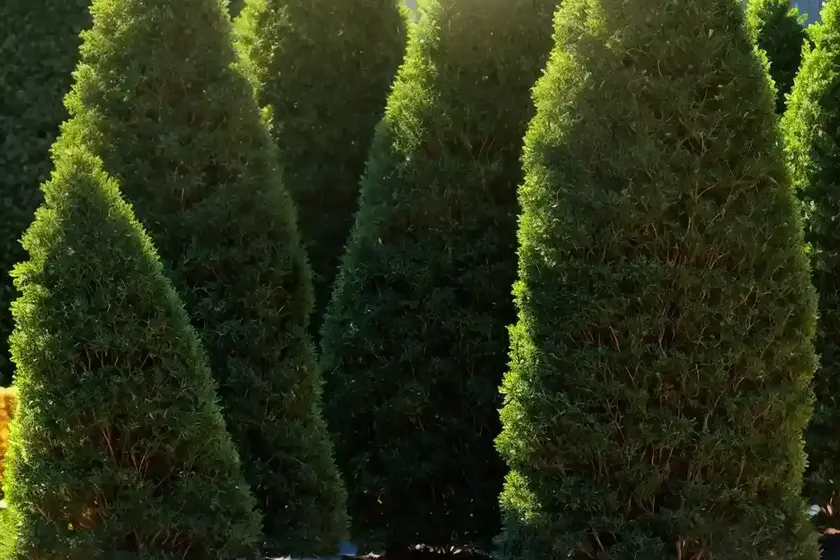
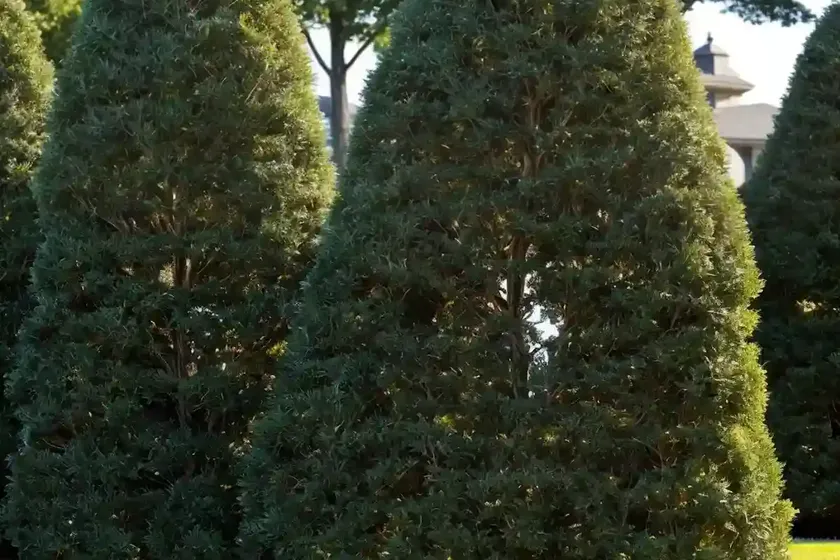
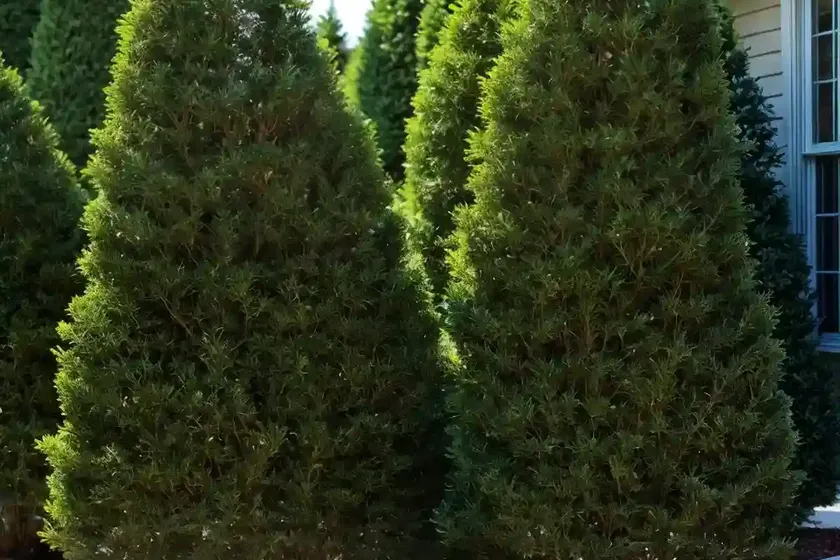
The American arborvitae, scientifically known as Thuja occidentalis ‘Filiformis’, is a popular evergreen shrub appreciated for its slender, thread-like foliage and elegant, upright growth habit. It is a versatile and low-maintenance plant, making it a desirable choice for various landscape settings.
In this comprehensive guide, we will delve into the various aspects of the American arborvitae, also known as Thuja occidentalis ‘Filiformis’, including its cultural requirements, uses, maintenance, and common issues.
What is the American Arborvitae (Thuja occidentalis ‘Filiformis’)?
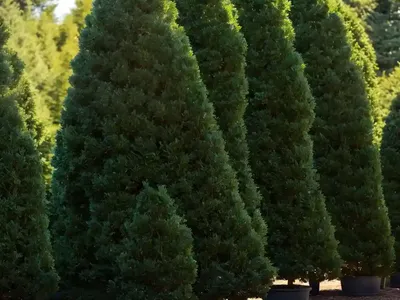
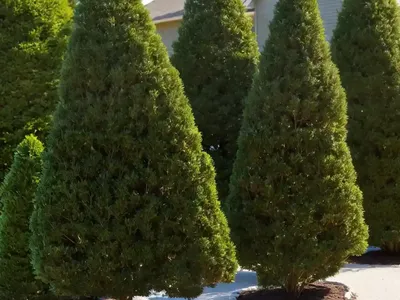
The American arborvitae, a cultivar of the Northern White Cedar (Thuja occidentalis), is a species of evergreen conifer that belongs to the Cupressaceae family. It is native to eastern North America and is known for its pyramidal shape and dense, aromatic foliage. The ‘Filiformis’ variety is characterized by its unique feathery foliage, which sets it apart from other cultivars of the species.
American Arborvitae Description
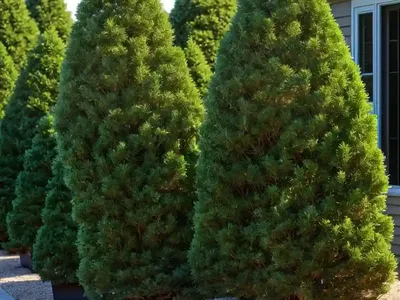
The ‘Filiformis’ cultivar is appreciated for its distinct appearance. It features soft, green foliage that takes on a thread-like or feathery texture, creating a delicate and elegant look. The plant typically maintains a narrow, columnar form, making it a valuable choice for vertical accents and privacy screens in garden landscapes.
Key Takeaways – American Arborvitae (Thuja occidentalis ‘Filiformis’)
- Botanical Name: Thuja occidentalis ‘Filiformis’
- Common Name: American arborvitae
- Plant Type: Evergreen shrub
- Mature Height: 10-15 feet
- Mature Width: 3-4 feet
- Growth Rate: Moderate
- Exposure: Full sun to partial shade
- Hardiness Zones: 3-7
- Water Needs: Moderate
- Soil Type: Well-draining, loamy soil
- Uses: Vertical accents, privacy screens, hedges, foundation plantings
With this overview in mind, let’s explore the various aspects of this captivating plant in more detail.
Culture
Water
The American arborvitae, like many evergreen plants, prefers consistently moist soil, especially during its establishment period. Once the plant is well-established, it exhibits good drought tolerance, but regular watering is still essential, particularly during dry periods. When watering the American arborvitae, it’s crucial to ensure that the soil is well-draining to prevent waterlogged conditions, which can lead to root rot.
Sunlight
This evergreen species thrives in full sun to partial shade. It performs best when exposed to at least 6-8 hours of direct sunlight daily. However, it can adapt to partial shade conditions, particularly in regions with hot summers, provided it receives adequate sunlight for healthy growth and development.
Fertilizer
Fertilization is beneficial for the overall health and vigor of the American arborvitae. Applying a balanced, slow-release fertilizer formulated for evergreens in spring can promote lush foliage and steady growth. It’s important to follow the recommended application rates to avoid over-fertilization, which can lead to excessive foliage growth at the expense of structural strength.
Soil
The American arborvitae thrives in well-draining, loamy soil. It is adaptable to a range of soil types, including sandy loam, loam, and clay loam, as long as the soil offers good drainage. Prior to planting, amending the soil with organic matter can help enhance its structure and fertility.
Uses
The American arborvitae, particularly the ‘Filiformis’ variety, offers a myriad of uses in landscaping, thanks to its unique characteristics and growth habit. Here are some common uses of this captivating evergreen shrub:
-
Vertical Accents: Its slender, columnar form makes it an ideal choice for vertical accents in garden landscapes, adding visual interest and height variation to the overall design.
-
Privacy Screens: Due to its dense foliage and upright growth, the American arborvitae is often utilized to create effective privacy screens, offering seclusion and a lush backdrop for outdoor spaces.
-
Hedges: When planted in rows, the American arborvitae can form dense, resilient hedges, serving as a boundary or windbreak while providing a touch of greenery throughout the year.
-
Foundation Plantings: It can be planted near building foundations to soften the architecture and add greenery to the landscape, enhancing the overall curb appeal.
As we can see, this versatile plant offers a multitude of practical applications in various landscape settings, making it a valuable addition to gardens and outdoor spaces.
Pruning
Proper pruning is essential to maintain the desired shape, promote healthy growth, and remove any dead or damaged foliage. When it comes to the American arborvitae, pruning is generally minimal, particularly for the ‘Filiformis’ variety, which naturally maintains its slender columnar form. However, light pruning to remove any stray or congested branches can help maintain its elegance and ensure adequate air circulation throughout the foliage.
Pruning Techniques
When pruning the American arborvitae, it’s important to use clean, sharp pruning tools to make precise cuts. Here are some essential pruning techniques to keep in mind:
-
Selective Pruning: Identify and selectively prune any damaged, diseased, or dead foliage as needed, making clean cuts to promote healthy regrowth.
-
Thinning: To maintain an open, airy structure and ensure sunlight penetration, selectively thin out congested or crossing branches, allowing air and light to reach the inner foliage.
-
Size Control: While the ‘Filiformis’ variety naturally maintains a narrow form, occasional size control pruning may be necessary to manage its height and width, particularly in smaller garden settings.
By employing these pruning techniques, gardeners can help the American arborvitae maintain its graceful form while promoting its long-term health and vitality.
Propagation
Propagating the American arborvitae can be achieved through various methods, including seed propagation, cuttings, and layering. Each propagation method offers unique advantages and challenges, allowing gardeners to select the most suitable approach based on their preferences and resources.
Seed Propagation
While the ‘Filiformis’ variety is commonly propagated through vegetative methods due to the inherent uncertainty associated with seed-grown plants, it is possible to propagate the American arborvitae from seeds. Here are the basic steps for seed propagation:
-
Seed Collection: Collect mature cones from the American arborvitae and allow them to dry out. Once the cones have opened, extract the seeds and store them in a cool, dry place until ready for sowing.
-
Sowing: Sow the seeds in well-draining, moist seed-starting mix in containers or seed trays. Cover the seeds lightly with additional seed-starting mix and place them in a warm, brightly lit location.
-
Germination: The seeds generally germinate within a few weeks to a few months, depending on the variety and environmental conditions. Once the seedlings have developed several true leaves, they can be transplanted into individual containers.
Cutting Propagation
Vegetative propagation through cuttings is a common and reliable method for propagating the American arborvitae. Softwood or hardwood cuttings can be utilized to generate new plants with traits identical to the parent plant. Here’s a brief overview of the cutting propagation process:
-
Cutting Selection: Select healthy, non-flowering shoots from the parent plant, preferably in late spring or early summer for softwood cuttings or in late summer or early fall for hardwood cuttings.
-
Preparation: Prepare the cuttings by removing the lower foliage and trimming the base to create a clean, angled cut. Dip the cut end in rooting hormone to promote root development.
-
Rooting Medium: Plant the cuttings in a well-draining rooting medium, such as a mix of peat moss and perlite. Maintain consistent moisture and provide indirect light to encourage root development.
-
Transplanting: Once the cuttings have formed sufficient roots, they can be transplanted into individual containers or directly into the garden, where they can continue to mature and establish themselves.
Layering
Layering is another effective method for propagating the American arborvitae, particularly in cases where direct access to the parent plant is available. Here’s a basic outline of the layering process:
-
Branch Selection: Identify a healthy, flexible branch on the parent plant and prepare it for layering by removing a small section of bark where the layering is intended to occur.
-
Rooting: Encourage root development by applying a rooting hormone to the wounded area and securing it with moistened sphagnum moss. Cover the moss with plastic wrap to maintain humidity and promote successful rooting.
-
Separation: Once the layered branch has formed a sufficient root system, it can be carefully separated from the parent plant and transplanted to its desired location.
By understanding and implementing these propagation methods, gardeners can expand their collection of American arborvitae with confidence, ensuring the continuity of this captivating plant in various garden settings.
Container Popularity
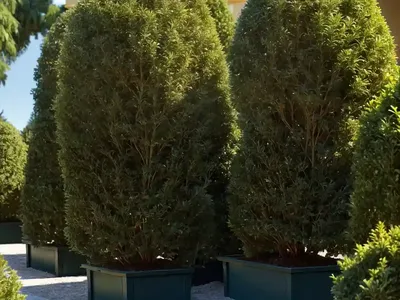
The American arborvitae, particularly the ‘Filiformis’ cultivar, has gained popularity as a container plant, offering versatility and charm in outdoor potted displays. Planted in containers, this elegant evergreen can serve as a striking focal point on patios, balconies, and outdoor living spaces, adding a touch of greenery and vertical interest to the surroundings.
Container Common Diseases
While container-grown American arborvitae plants are generally less susceptible to soil-borne diseases, they may still experience certain common issues related to container culture. Some of the potential diseases that can affect containerized American arborvitae include:
-
Root Rot: Excessive moisture and poor drainage in container soil can lead to root rot, causing the plant to exhibit symptoms such as wilting, yellowing foliage, and stunted growth.
-
Powdery Mildew: In humid or poorly ventilated conditions, container plants may be susceptible to powdery mildew, a fungal disease that appears as a white, powdery coating on the foliage.
-
Canker Diseases: Certain canker-causing pathogens may infect the American arborvitae in container settings, leading to dieback, sunken lesions, and overall decline in plant health.
Disease Diagnosis
Diagnosing diseases in container-grown American arborvitae involves careful observation of plant symptoms and environmental conditions. Here are some key steps in disease diagnosis for container plants:
-
Visual Examination: Inspect the plant for any signs of abnormal growth, discoloration, wilting, or lesions, focusing on the foliage, stems, and roots.
-
Environmental Assessment: Evaluate environmental factors such as soil moisture, light exposure, and air circulation to identify potential stressors that may contribute to disease development.
-
Sample Collection: If necessary, collect a sample of affected plant material, including foliage, stems, or roots, for further assessment by a plant pathologist or diagnostic lab.
-
Treatment and Prevention: Once the disease is identified, appropriate treatments and preventive measures can be implemented to manage the issue and safeguard the plant’s health.
By remaining vigilant and proactive in disease management, gardeners can maintain the vigor and beauty of their container-grown American arborvitae, ensuring its continued grace and splendor in the container garden.
Common Pests
While American arborvitae is generally resistant to many pests, it may occasionally encounter certain insect-related issues that can affect its health and appearance. Understanding the common pests that may target this plant can facilitate proactive pest management strategies and ensure its long-term well-being.
Common Pests
Some of the common pests that may affect the American arborvitae include:
-
Bagworms: These distinctive caterpillars construct spindle-shaped bags on the foliage, feeding on the plant’s leaves and potentially causing significant defoliation if left unchecked.
-
Spider Mites: In hot, dry conditions, spider mites can become a concern, inflicting damage by feeding on the undersides of the foliage and causing stippling or discoloration.
-
Scale Insects: Certain scale insect species may infest the American arborvitae, attaching themselves to the stems and foliage and depleting the plant’s sap, leading to weakening and decline.
Pest Diagnosis
Diagnosing pest issues in American arborvitae involves careful observation of plant symptoms and potential pest activity. Here are essential steps in pest diagnosis and management:
-
Visual Inspection: Inspect the foliage, stems, and branch junctions for signs of pest presence, including webbing, stippling, honeydew secretion, or abnormal growth.
-
Identification: Identify the specific pest species, if possible, to determine the most effective control methods and develop targeted pest management strategies.
-
Cultural Practices: Implement cultural practices such as proper watering, pruning, and soil health management to promote the plant’s natural resistance to pests and reduce conducive conditions for infestations.
-
Control Measures: If pest populations reach damaging levels, consider the application of targeted insecticidal treatments to suppress pest activity while minimizing potential impact on beneficial insects and the environment.
By effectively managing potential pest issues and promptly addressing any infestations, gardeners can ensure the health and vitality of their American arborvitae, preserving its beauty and impact in the garden landscape.
Botanist’s Tips
As a plant scientist specializing in botanical studies, I am pleased to provide a set of expert tips and recommendations for cultivating and appreciating the American arborvitae in garden landscapes. These botanical insights aim to enhance the understanding and enjoyment of this remarkable plant species.
Botanist’s Tips for American Arborvitae (Thuja occidentalis ‘Filiformis’)
-
Prudent Planting: When selecting a location for the American arborvitae, consider factors such as soil drainage, sunlight exposure, and space availability to ensure the optimal growth and performance of the plant.
-
Nature-Inspired Pairings: Integrate the American arborvitae into landscape designs inspired by natural settings, such as woodland gardens or native plant landscapes, to create harmonious and ecologically beneficial plant communities.
-
Seasonal Considerations: Recognize the seasonal changes in the American arborvitae, appreciating its winter hardiness, subtle color variations, and dynamic growth patterns throughout the year.
-
Sustainable Practices: Emphasize sustainable gardening practices when caring for the American arborvitae, including water-wise techniques, organic soil amendments, and wildlife-friendly landscape design elements.
-
Educational Resources: Engage with local botanical gardens, horticultural societies, and nature preserves to deepen your knowledge of the American arborvitae and connect with fellow plant enthusiasts.
By embracing these botanist’s tips, gardeners can foster a deeper appreciation for the American arborvitae and enrich their horticultural experiences through a scientific and ecological lens.
Fun Facts
Discovering intriguing and captivating details about plant species can enrich our connection with nature and deepen our appreciation for the botanical world. Here are some fun and fascinating facts about the American arborvitae (Thuja occidentalis ‘Filiformis’):
-
Symbolic Significance: In certain cultures, the American arborvitae is regarded as a symbol of endurance, strength, and everlasting life, reflecting the plant’s enduring nature and unyielding vitality.
-
Historical Versatility: Throughout history, the American arborvitae has been utilized for various purposes, including crafting essential oils, constructing traditional medicines, and producing aromatic wood products.
-
Wildlife Haven: The dense foliage of the American arborvitae provides shelter and nesting sites for various bird species, contributing to the ecological diversity and wildlife habitat in garden landscapes.
-
Cultural Icon: In some regions, the American arborvitae holds cultural significance as a sacred or revered plant, playing a role in traditional ceremonies, folklore, and symbolic rituals.
By uncovering these fun facts, we can enhance our understanding of the American arborvitae and embrace its multifaceted role in ecological, cultural, and historical contexts.
Links to External Resources
For those seeking additional information and resources to further enrich their knowledge and appreciation of the American arborvitae (Thuja occidentalis ‘Filiformis’), the following links to external resources can serve as valuable references:
- American Arborvitae Overview (The Spruce)
- Thuja occidentalis ‘Filiformis’ Profile (Missouri Botanical Garden)
- Arborvitae Propagation Methods (University of Florida IFAS Extension)
- Pest and Disease Management for Arborvitae (Penn State Extension)
- American Arborvitae in Landscaping (University of Illinois Extension)
These reliable and informative resources offer in-depth insights, practical guidance, and expert perspectives on various aspects of the American arborvitae, empowering gardeners and plant enthusiasts to cultivate, appreciate, and enjoy this exceptional species to the fullest.
In conclusion, the American arborvitae (Thuja occidentalis ‘Filiformis’) stands as a captivating and versatile plant species cherished for its slender form, unique foliage, and enduring presence in garden landscapes. By understanding its cultural needs, uses, maintenance, and ecological significance, we can cultivate a deeper connection with this remarkable evergreen and celebrate its contributions to the natural world.
This blog post was authored by a passionate plant scientist dedicated to promoting horticultural knowledge, ecological stewardship, and appreciation for the botanical wonders that enrich our lives.
Keywords: American arborvitae description, Thuja occidentalis ‘Filiformis’ facts, American arborvitae uses, Thuja occidentalis ‘Filiformis’ care tips, American arborvitae characteristics, Thuja occidentalis ‘Filiformis’ varieties, American arborvitae planting guide, Thuja occidentalis ‘Filiformis’ growth habit, American arborvitae landscape ideas, Thuja occidentalis ‘Filiformis’ pruning techniques, American arborvitae propagation methods, Thuja occidentalis ‘Filiformis’ disease prevention, American arborvitae pests and remedies, Thuja occidentalis ‘Filiformis’ cultivars, American arborvitae benefits, Thuja occidentalis ‘Filiformis’ foliage color, American arborvitae pruning tips, Thuja occidentalis ‘Filiformis’ winter care, American arborvitae maintenance guidelines, Thuja occidentalis ‘Filiformis’ landscape design, American arborvitae soil requirements, Thuja occidentalis ‘Filiformis’ drought tolerance, American arborvitae planting season, Thuja occidentalis ‘Filiform