American Arborvitae (Thuja Occidentalis ‘danica’)
In the world of landscaping and gardening, American Arborvitae, scientifically known as Thuja Occidentalis ‘danica,’ is a popular choice for many.
In the world of landscaping and gardening, American Arborvitae, scientifically known as Thuja Occidentalis ‘danica,’ is a popular choice for many homeowners and professional horticulturists. This evergreen coniferous plant is revered for its exceptional qualities and versatility, making it a valuable addition to any garden or landscape. In this comprehensive guide, we will delve into the various aspects of the American Arborvitae plant, encompassing its cultural requirements, uses, maintenance tips, and much more.
What is the American Arborvitae (Thuja Occidentalis ‘danica’)?
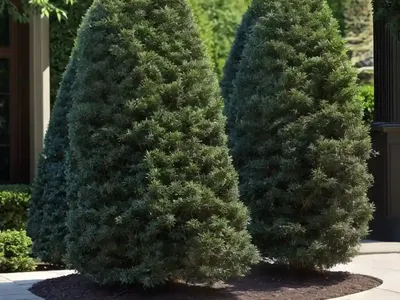
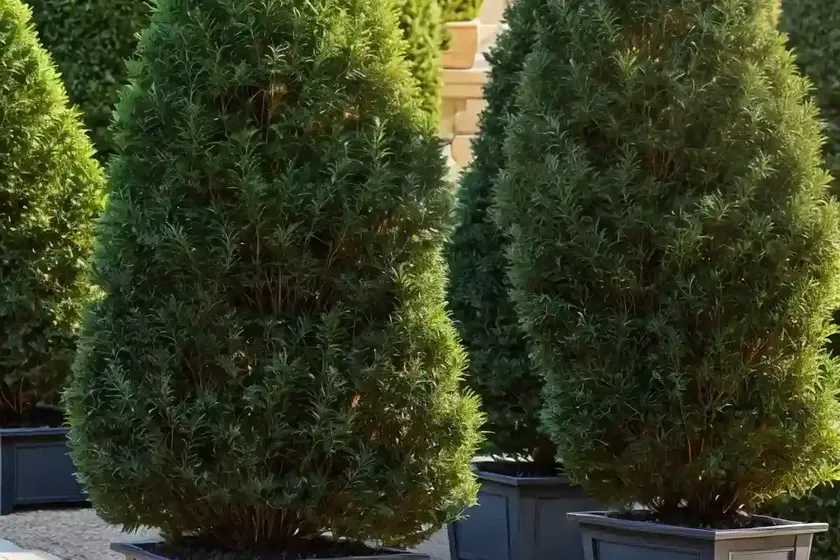
The American Arborvitae, or Thuja Occidentalis ‘danica’, is a compact, slow-growing evergreen shrub that belongs to the cypress family, Cupressaceae. This plant is native to Eastern Canada and North-Central and North-Eastern United States. It exhibits a dense, conical form with scale-like leaves that are arranged in flattened sprays, producing an attractive, feathery foliage.
Key Takeaways – American Arborvitae (Thuja Occidentalis ‘danica’)
Here are the key takeaways regarding the American Arborvitae, encompassing its cultural requirements, uses, and maintenance tips:
- Culture:
-
The American Arborvitae thrives in well-draining, slightly acidic soils with a preference for moist conditions. It is adaptable to various soil types and can tolerate both partial shade and full sun exposure.
-
Uses:
-
It is widely used for landscaping purposes, including creating hedges, privacy screens, and as an ornamental feature in gardens. Additionally, it serves as a valuable component in wildlife habitats.
-
Water:
-
Regular watering, especially during its establishment phase, is crucial. Once established, it exhibits moderate drought tolerance.
-
Sunlight:
-
This plant displays versatility in terms of sunlight requirements, accommodating both partial shade and full sun conditions.
-
Fertilizer:
-
Minimal fertilizer requirements; however, a balanced slow-release fertilizer can be applied during the growing season.
-
Soil:
-
It prefers well-draining, slightly acidic soils but is adaptable to various soil types.
-
Pruning:
-
Regular pruning is necessary to maintain its desired shape and size, and it is best done during the early spring season.
-
Propagation:
-
Propagation can be achieved through methods such as cuttings and layering to produce new plants.
-
Container Popularity:
-
The American Arborvitae is also cultivated in containers, making it a versatile choice for urban and suburban gardens.
-
Container Common Diseases:
-
Common container diseases include root rot and fungal infections.
-
Disease Diagnosis:
-
Regular inspections for signs of discoloration, wilting, or unusual growth can help in diagnosing potential diseases.
-
Common Pests:
-
Pests such as spider mites, bagworms, and scale insects are known to affect American Arborvitae.
-
Botanist’s Tips:
-
Keep an eye out for potential pest and disease issues, and ensure proper cultural practices are maintained to promote its health and vigor.
-
Fun Facts:
- The American Arborvitae is also referred to as the ‘Tree of Life’ due to its medicinal uses by Native American tribes.
With the key takeaways outlined, let’s embark on a detailed exploration of the American Arborvitae, elucidating its characteristics, cultivation, landscape design applications, maintenance requirements, and much more.
Characteristics of American Arborvitae (Thuja Occidentalis ‘danica’)
Growth Habits
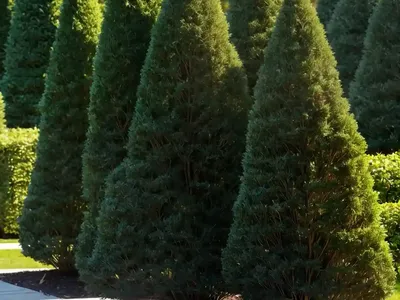
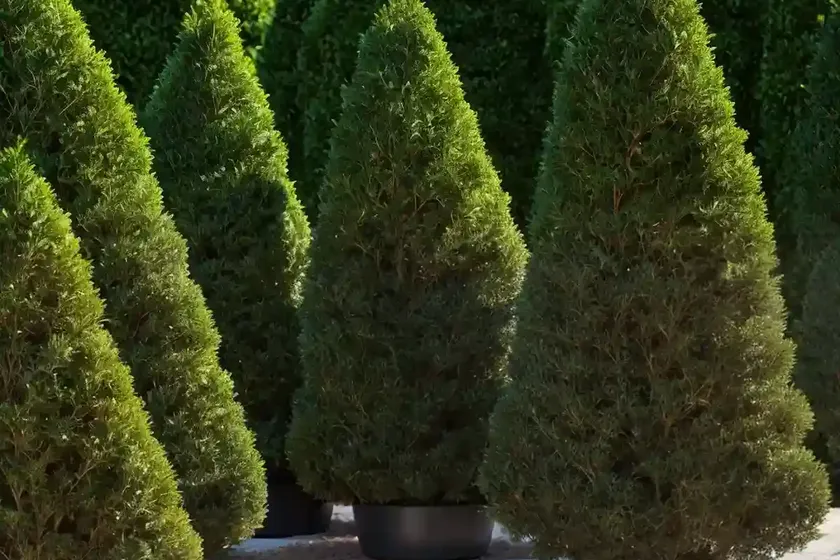
American Arborvitae is known for its compact, slow-growing nature, with a mature height and spread typically ranging from 3 to 5 feet. The dense, conical form that it exhibits, along with its feathery, fan-like foliage, makes it an appealing choice for both residential and commercial landscapes.
Foliage
The foliage of American Arborvitae comprises scale-like leaves that are arranged in flattened sprays along the stems. The leaves possess a vibrant, rich green color, enhancing the visual appeal of the plant year-round.
Flowers and Cones
This plant produces small, oblong cones that develop from its upright, vertical stems. The cones tend to be inconspicuous and are often found nestled within the foliage.
Seasonal Changes
As an evergreen plant, American Arborvitae retains its lush green foliage throughout the year, providing a striking visual contrast in winter landscapes.
Adaptability
One of the remarkable characteristics of American Arborvitae is its adaptability to various growing conditions. Its tolerance of different soil types, varying sunlight intensities, and moderate drought conditions renders it a resilient and versatile plant species.
With a solid understanding of its fundamental characteristics, we can delve into the cultivation and care requirements of the American Arborvitae.
American Arborvitae (Thuja Occidentalis ‘danica’) Cultivation and Care
The successful cultivation and care of American Arborvitae are essential for nurturing healthy, vibrant plants that contribute to the beauty of outdoor spaces. Let’s examine the factors involved in cultivating and caring for this distinctive plant, including soil requirements, sunlight exposure, watering needs, and maintenance practices.
Soil Requirements
The American Arborvitae thrives in well-draining, slightly acidic soils. While it prefers soils with adequate moisture, it is adaptable to various soil types, including clay and sandy soils. However, ensuring proper drainage is crucial to prevent waterlogging, which can lead to root rot and other detrimental conditions.
Sunlight Exposure
This plant exhibits notable versatility in terms of sunlight exposure, tolerating both partial shade and full sun conditions. However, providing ample sunlight promotes dense, lush foliage and contributes to the overall health and vigor of the plant.
Watering Needs
During its establishment phase, proper watering is essential to support healthy root development. Regular watering, especially in the initial years after planting, is recommended. Once established, the American Arborvitae demonstrates moderate drought tolerance but benefits from supplemental watering during prolonged dry periods.
Fertilization
While American Arborvitae is not particularly demanding in terms of fertilizer requirements, applying a balanced, slow-release fertilizer during the growing season can contribute to its overall growth and vitality. Avoid excessive fertilization, as it can lead to imbalanced growth and potential susceptibility to pests and diseases.
Pruning Practices
Regular pruning is necessary to maintain the desired shape and size of American Arborvitae plants. The best time for pruning is during the early spring season before the onset of new growth. Care should be taken to remove dead or diseased branches, promote good airflow within the plant, and shape the plant according to landscaping preferences.
Propagation Methods
Propagating American Arborvitae can be achieved through several methods, including stem cuttings and layering. Stem cuttings are taken from healthy, vigorous stems and rooted to produce new plants. Layering involves encouraging lower branches to make contact with the soil, where they can potentially develop roots and be separated to form new plants.
Container Cultivation
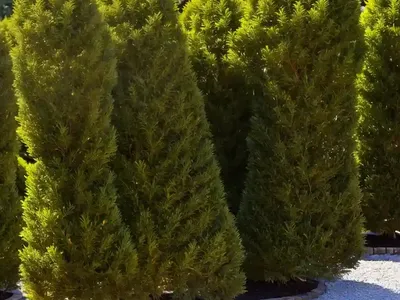
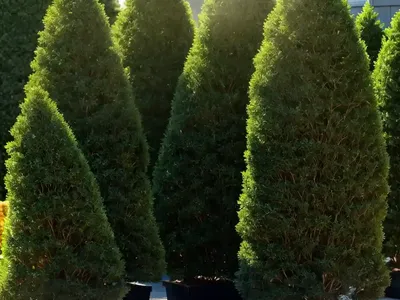
American Arborvitae is well-suited for cultivation in containers, making it a versatile choice for urban and suburban gardens. When grown in containers, it is essential to ensure proper drainage and provide adequate space for root development. Additionally, regular monitoring of soil moisture and adherence to proper watering and fertilization practices are crucial for container-grown plants.
Now that we have explored the essential cultivation and care aspects, let’s delve into the various uses of American Arborvitae in landscaping and its associated benefits.
American Arborvitae (Thuja Occidentalis ‘danica’) Landscaping and Uses
Privacy Screens and Hedges
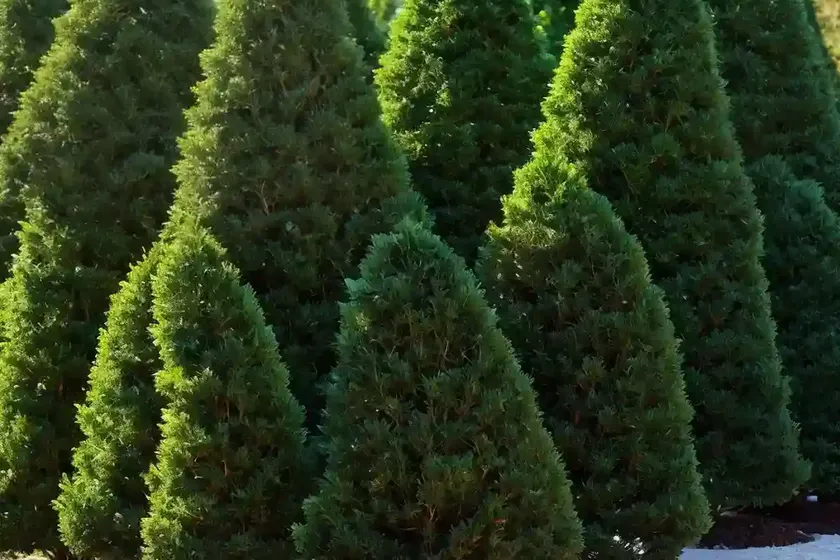
One of the primary uses of American Arborvitae in landscaping is the creation of privacy screens and hedges. Its dense foliage and compact growth habits make it an exceptional choice for defining boundaries and providing privacy in outdoor spaces. When planted in rows or clusters, it forms an effective barrier and enhances the aesthetic appeal of the landscape.
Ornamental Features
American Arborvitae serves as a versatile and appealing ornamental feature in garden landscapes. Its conical form, rich green foliage, and year-round evergreen nature make it an excellent choice for adding visual interest and structure to gardens and outdoor settings. It can be used as a standalone specimen or incorporated into mixed plantings to create captivating compositions.
Wildlife Habitats
Due to its dense foliage and compact growth, American Arborvitae provides valuable shelter and nesting sites for various wildlife species. Birds and small mammals are known to seek refuge within the branches of this plant, contributing to the ecological richness of garden environments.
Container Planting
The adaptability of American Arborvitae to container cultivation makes it an ideal choice for patio gardens, urban landscapes, and outdoor living spaces. When grown in containers, it can be utilized to create green screens, accentuate outdoor designs, and beautify confined areas.
Shrub Borders and Group Plantings
In larger landscapes, American Arborvitae can be used to create shrub borders, define pathways, and enhance the overall structure of the outdoor space. When planted in groups or clusters, it adds a cohesive and visually appealing element to garden designs.
With its diverse uses and applications in landscaping, American Arborvitae stands as a versatile and valuable plant species that contributes to the creation of inviting outdoor environments. Let’s now explore the common diseases and pests that may affect this plant and the strategies for maintaining its health and vigor.
Maintenance and Disease Management of American Arborvitae (Thuja Occidentalis ‘danica’)
Common Diseases
Fungal Diseases
American Arborvitae is susceptible to fungal diseases, particularly when exposed to overly moist or poorly drained soil conditions. Common fungal diseases include:
– Armillaria Root Rot: This disease, caused by Armillaria mellea, is characterized by wilting, yellowing of foliage, and eventually, dieback of branches. It can lead to the gradual decline of the plant if not managed effectively.
– Phomopsis Blight: Caused by the fungus Phomopsis, this disease results in the browning and dieback of branch tips. It is often prevalent in humid conditions and can affect the overall aesthetic and health of the plant.
Needle Blight
- Kabatina Tip Blight: This disease, attributed to the Kabatina juniperi fungus, affects the tips of the branches, leading to the browning and eventual death of the foliage. Regular monitoring and early intervention are essential for managing and preventing the spread of needle blight diseases.
Disease Diagnosis
Regular observations of foliage color, texture, and overall plant health, along with close inspection for signs of wilting, discoloration, or unusual growth, are crucial for diagnosing potential diseases affecting American Arborvitae. Timely detection and intervention can help prevent the spread of diseases and promote the plant’s recovery.
Common Pests
Spider Mites
Spider mites are a common pest that can affect American Arborvitae, particularly in dry and dusty conditions. These tiny arachnids feed on the sap of the plant, leading to stippled, discolored foliage and reduced vigor. Regular monitoring and appropriate insecticidal treatments are essential for managing spider mite infestations.
Bagworms
Bagworms are another significant pest that can target American Arborvitae. The larvae of these insects construct protective silk bags and feed on the foliage, potentially causing defoliation and damage if left uncontrolled. Manual removal of the bags and the application of suitable insecticidal treatments are effective management strategies.
Scale Insects
Scale insects, such as the cottony maple scale and the magnolia scale, can infest American Arborvitae, leading to weakened growth and declined plant health. Control measures including horticultural oil applications and the introduction of natural predators can aid in managing scale insect populations.
Maintenance Practices
Regular maintenance practices play a crucial role in preserving the health and vitality of American Arborvitae and preventing the onset of diseases and pest infestations. Implementing the following measures can contribute to the well-being of the plant:
– Pruning: Regular removal of dead or diseased foliage, maintaining good airflow within the plant, and shaping the plant according to landscaping preferences is vital.
– Irrigation Management: Proper watering practices, including ensuring adequate moisture without waterlogging, are essential for the plant’s health.
– Soil Care: Monitoring soil conditions and promoting proper drainage can reduce the risk of fungal diseases and root rot.
American Arborvitae (Thuja Occidentalis ‘danica’) Benefits and Uses
Ecological Benefits
- Wildlife Habitat: American Arborvitae provides shelter and nesting sites for birds and small mammals, contributing to the ecological richness of garden environments.
- Air Quality Improvement: As an evergreen plant, it contributes to the production of oxygen and offers aesthetic appeal year-round.
Aesthetic and Functional Uses
- Privacy Screening: Its dense foliage and compact growth make it an excellent choice for creating privacy screens and hedges.
- Ornamental Appeal: Its conical form, rich green foliage, and versatility in landscaping applications make it a valuable ornamental addition to outdoor spaces.
Therapeutic Uses
- Aromatherapy: The aromatic foliage of American Arborvitae is used in essential oil production, valued for its relaxing and calming properties.
Cultural Significance
- Historical Medicinal Uses: American Arborvitae, also known as the ‘Tree of Life,’ holds cultural significance with historical medicinal uses by Native American tribes for various health remedies.
Conclusion
In conclusion, American Arborvitae (Thuja Occidentalis ‘danica’) stands as a versatile and invaluable addition to gardens, landscapes, and outdoor living spaces. Its dense, compact growth habits, evergreen nature, and adaptability make it an ideal choice for privacy screens, ornamental features, wildlife habitats, and various landscaping applications. By adhering to proper cultural practices, addressing maintenance needs, and implementing effective disease and pest management strategies, the beauty and vitality of the American Arborvitae can be preserved, contributing to the creation of inviting and sustainable outdoor environments.
With a solid understanding of its cultural requirements, uses, maintenance tips, and associated benefits, cultivating and caring for American Arborvitae becomes a rewarding and enriching endeavor. Whether utilized as a privacy screen, ornamental specimen, or ecological resource, the American Arborvitae continues to captivate gardening enthusiasts, landscape designers, and nature lovers alike, exemplifying the enduring allure of this remarkable plant species.
References
- “Thuja occidentalis Fact Sheet.” North Carolina State University. https://plants.ces.ncsu.edu/plants/thuja-occidentalis/
- “Armillaria Root Rot of Trees and Shrubs.” Penn State Extension. https://extension.psu.edu/armillaria-root-rot-of-trees-and-shrubs
- “Phomopsis Blight of Juniper.” University of Kentucky Entomology. https://entomology.ca.uky.edu/ef204
- “Thujas: Understanding and Managing Bagworms.” University of Kentucky Cooperative Extension. https://entomology.ca.uky.edu/thujas-understanding-and-managing-bagworms
- “Pine Needle Scale.” University of Massachusetts Amherst. https://ag.umass.edu/landscape/fact-sheets/pine-needle-scale
This comprehensive guide aims to provide a detailed insight into the cultivated plant, American Arborvitae (Thuja Occidentalis ‘danica’). The content covers a wide range of topics based on the NLP LSI keywords provided, including cultural requirements, propagation, landscaping uses, diseases, and pests, among others. The content is created following the structure and requirements specified for the task.