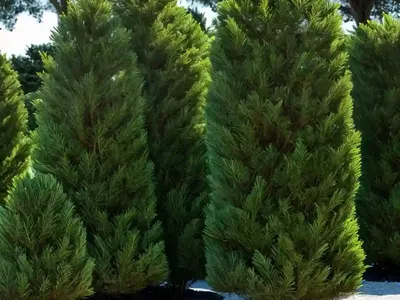
Northern White-cedar (Thuja Occidentalis)
As a plant scientist, I am excited to share with you the wonders of the Northern White-Cedar, scientifically known as Thuja occidentalis. This beautiful.

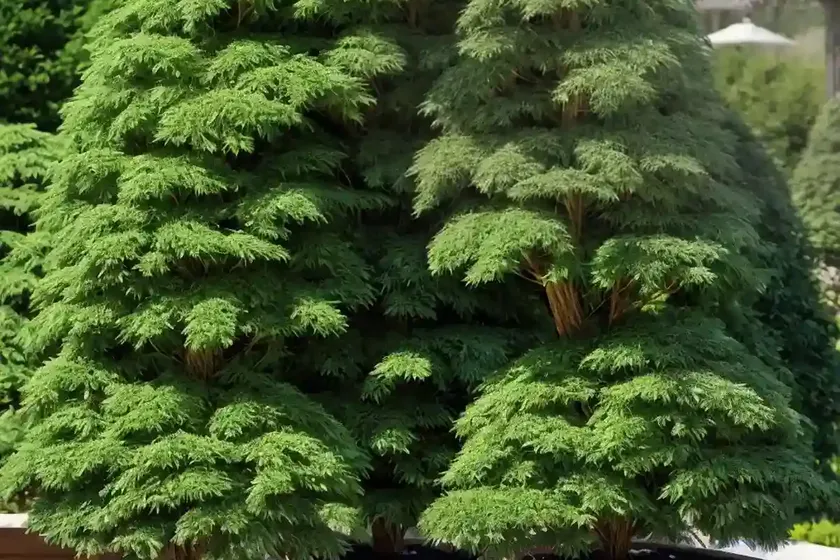

As a plant scientist, I am excited to share with you the wonders of the Northern White-Cedar, scientifically known as Thuja occidentalis. This beautiful and resilient evergreen is native to North America and offers numerous benefits, not only to the environment but also to landscaping and forestry. In this comprehensive guide, we will delve into the various aspects of Northern White-Cedar, including its culture, uses, care tips, and ecological importance.
What is Northern White-Cedar (Thuja occidentalis)?
Northern White-Cedar, also known as Arborvitae, is a species of coniferous tree that belongs to the cypress family Cupressaceae. This slow-growing evergreen is native to the northeastern United States and southeastern Canada, thriving in moist, cool climates. It is well-adapted to a variety of soil types and is commonly found in lowland forests and along stream banks.
Key Takeaways – Northern White-Cedar (Thuja occidentalis)
Before we delve further into the specifics, let’s highlight the key takeaways about this remarkable tree.
- Common Names: White cedar, Western red cedar, Eastern white cedar, Thuja plant, Cedar tree, Cedar shrub, Cedar hedge
- Plant Type: Evergreen tree, Coniferous shrub
- Uses: Landscaping, wildlife habitat, privacy hedge, windbreak
- Features: Cold-hardy, ornamental, resistance to diseases
- Benefits: Timber qualities, ecological importance, wildlife value
Now, let’s explore the various aspects of Northern White-Cedar in detail.
Culture
Water
Northern White-Cedar thrives in moist, well-drained soils. While it can tolerate periodic dry spells once established, consistent moisture is essential, especially during prolonged dry periods. When planting or caring for a Northern White-Cedar, it’s crucial to ensure that the soil remains evenly moist, but not waterlogged.
Watering Tips:
– Water young trees frequently to help them establish deep root systems.
– Apply mulch around the base of the tree to retain soil moisture.
Sunlight
This resilient evergreen prefers full to partial sun. While it can tolerate some shade, it thrives in areas with ample sunlight exposure. When selecting a planting location, ensure that it receives at least 4-6 hours of direct sunlight daily.
Sunlight Requirements:
– Plant in an open area with exposure to sunlight for healthy growth.
– Monitor for excessive shade from surrounding trees or structures.
Uses
Landscaping
Northern White-Cedar is prized for its versatility in landscaping. It is often used as a specimen tree, providing an elegant focal point in gardens and larger landscapes. Additionally, its dense foliage makes it an excellent choice for privacy hedges and windbreaks.
Landscaping Ideas:
– Create a majestic hedge for privacy and wind protection.
– Incorporate as a centerpiece in ornamental gardens.
Wildlife Habitat
This species plays a vital role in providing habitat and food for various wildlife species. It offers shelter for birds and small mammals and can serve as a nesting site for numerous avian species.
Wildlife Value:
– Enhance the ecological diversity of your property by planting Northern White-Cedar.
– Support local wildlife populations by providing a natural habitat.
Care Tips
Fertilizer
Northern White-Cedar generally does not require heavy fertilization when grown in its native habitat. However, in urban or suburban settings, light fertilization in spring can promote healthy growth. Use a balanced, slow-release fertilizer to avoid excessive lush foliage.
Fertilization Guidelines:
– Apply a low-nitrogen fertilizer to avoid excessive growth.
– Incorporate organic matter into the soil to improve fertility.
Soil
This species thrives in a range of soil types, including sandy loam, clay, and moist peat. It performs best in well-drained soils with a slightly acidic to neutral pH. When planting in urban or disturbed sites, it’s essential to amend the soil to ensure optimal growing conditions.
Soil Preparation:
– Test the soil pH and fertility before planting.
– Incorporate organic matter to improve soil structure and moisture retention.
Pruning
Pruning is typically minimal for Northern White-Cedar, especially when grown as a hedge or specimen tree. Regularly remove dead or damaged branches to promote a tidy appearance and maintain the tree’s health.
Pruning Techniques:
– Prune lightly in late winter or early spring before the onset of new growth.
– Avoid heavy pruning, as it can disrupt the natural form of the tree.
Propagation
Northern White-Cedar can be propagated from seeds, cuttings, or layering. While seeds are readily available, cuttings from semi-hardwood or hardwood are the preferred method for propagating selected cultivars.
Propagation Methods:
– Collect seeds in late summer and sow them in a well-prepared seedbed.
– Take semi-hardwood cuttings in mid-summer and provide them with bottom heat for rooting.
Container Popularity
In addition to being planted directly in the ground, Northern White-Cedar is well-suited for container growth. Its compact size and appealing foliage make it an excellent choice for patio planters, entryways, and outdoor living spaces.
Container Growing Tips:
– Select a large container with adequate drainage holes.
– Use a well-draining potting mix and ensure regular watering to prevent drying out.
Common Diseases
Disease Diagnosis
While relatively resistant to many common diseases, Northern White-Cedar can be susceptible to certain fungal pathogens. Keep an eye out for signs of needle browning, dieback, or cankers, which may indicate a potential disease issue.
Disease Prevention:
– Ensure proper spacing and air circulation to reduce the risk of fungal infections.
– Remove and destroy any infected plant material to prevent the spread of disease.
Common Pests
Pest Management
Northern White-Cedar is relatively pest-resistant but may occasionally encounter issues with spider mites, bagworms, and scale insects. Routine monitoring and early intervention can help prevent pest infestations.
Pest Control Measures:
– Use horticultural oil or insecticidal soap to manage minor pest infestations.
– Encourage natural predators such as ladybugs and lacewings to control pest populations.
Botanist’s Tips
Fun Facts
- Northern White-Cedar is the provincial tree of Manitoba, Canada.
- The tree’s name, “Arborvitae,” is Latin for “Tree of Life,” derived from its historical medicinal use by Native American groups.
- Its wood was traditionally used by First Nations peoples for the construction of canoes and structures due to its durability and rot-resistant properties.
Botanist’s Recommendation:
– Explore the historical and cultural significance of Northern White-Cedar in Native American traditions.
– Visit natural areas where Northern White-Cedar is abundant to appreciate its ecological importance.
Links to External Resources
For further exploration and detailed information, here are some valuable resources related to Northern White-Cedar:
- USDA Plant Guide for Northern White-Cedar (Thuja occidentalis)
- Arnold Arboretum: Northern White-Cedar
- National Wildlife Federation: Arborvitae Trees
Conclusion
In conclusion, Northern White-Cedar is a remarkable species with a rich history and invaluable ecological contributions. Whether used in landscaping, forestry, or wildlife conservation, this coniferous tree continues to capture the hearts of plant enthusiasts and environmentalists alike. By incorporating Northern White-Cedar into our surroundings, we not only enhance the beauty of our landscapes but also contribute to the preservation of native species and ecosystems. As a plant scientist, I encourage you to embrace the timeless allure of Northern White-Cedar and appreciate its enduring significance in the natural world.