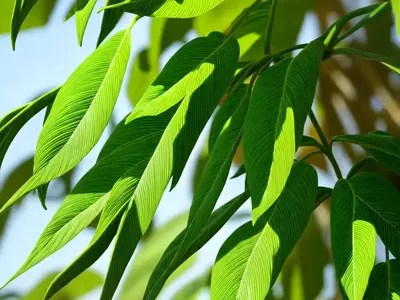
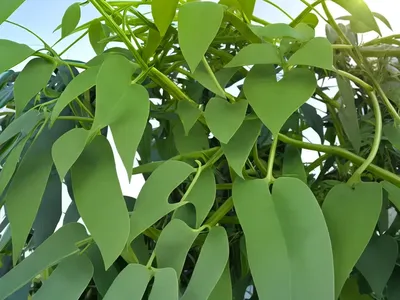
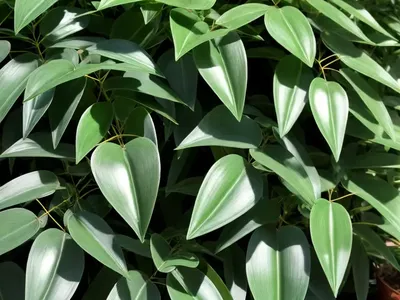
Peruvian Grape Ivy (Cissus Rotundifolia)
Peruvian Grape Ivy, scientifically known as Cissus Rotundifolia, is a stunning trailing vine that has gained popularity as a captivating addition to both.
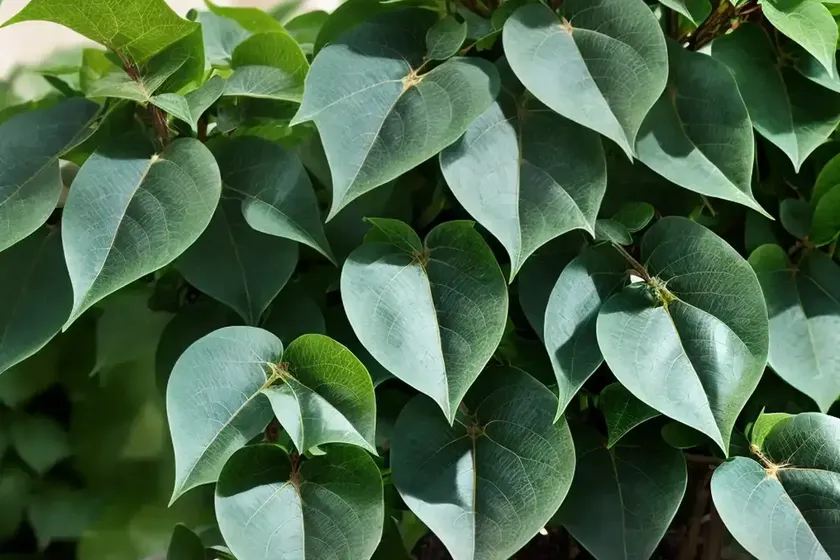
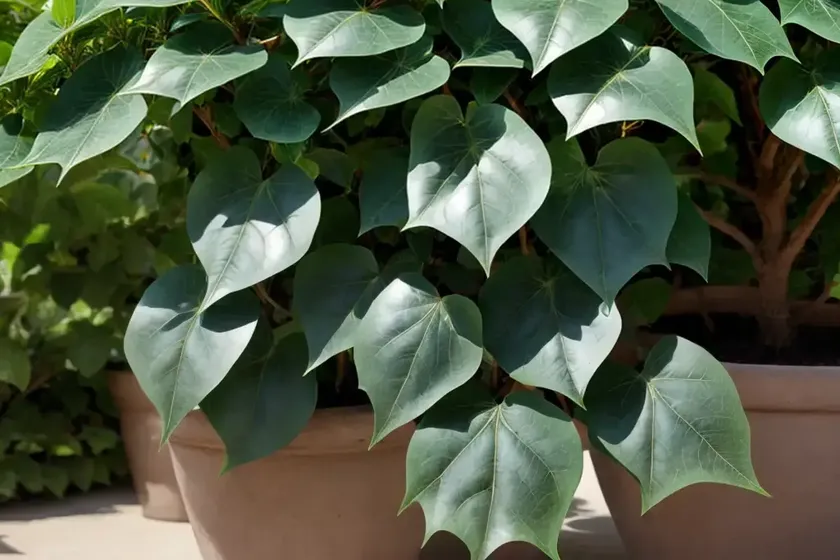
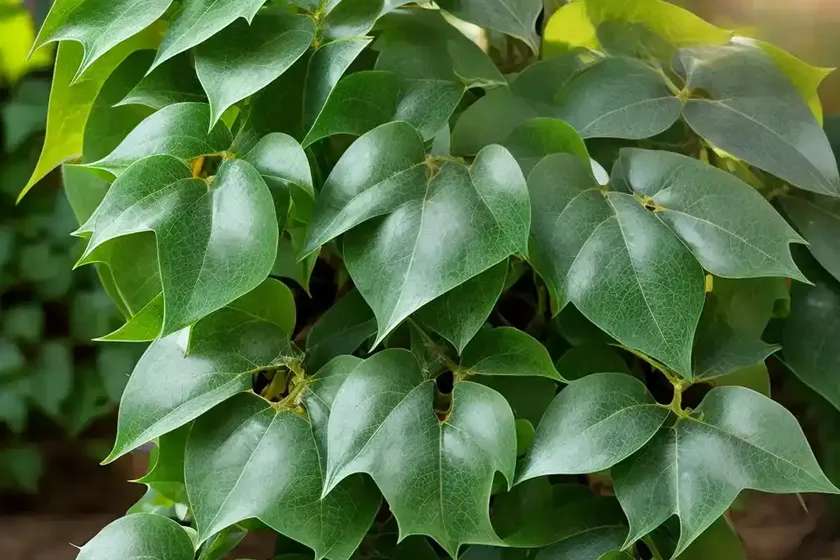
Peruvian Grape Ivy, scientifically known as Cissus Rotundifolia, is a stunning trailing vine that has gained popularity as a captivating addition to both indoor and outdoor spaces. This versatile plant is cherished for its lush foliage, decorative charm, and low-maintenance nature, making it a favorite among plant enthusiasts and horticulturists alike. In this extensive guide, we will explore every aspect of caring for Peruvian Grape Ivy, from its cultural requirements to its propagation and essential tips for maintaining its health and vigor.
What is Peruvian Grape Ivy (Cissus Rotundifolia)?
Peruvian Grape Ivy, also known as Oak Leaf Ivy, is a species of evergreen climbing vine belonging to the grape family Vitaceae. This charming plant is native to regions of South America, particularly Peru, where it thrives in warm and humid climates. The botanical name “Cissus Rotundifolia” is derived from the Latin word “cissus,” meaning ivy-like, and “rotundifolia,” which refers to the plant’s rounded leaves. This nomenclature aptly encapsulates the characteristic features of this delightful vine.
Key Takeaways
Before delving into the specific aspects of caring for Peruvian Grape Ivy, let’s highlight some key takeaways about this plant:
- Common Names: Peruvian Grape Ivy, Oak Leaf Ivy
- Botanical Name: Cissus Rotundifolia
- Plant Type: Trailing vine
- Cultural Uses: Ornamental decoration, indoor landscaping, and air purification
- Water Requirements: Moderate, avoid over-watering
- Sunlight Needs: Indirect to partial sunlight, avoid direct exposure to intense sunlight
- Fertilizer: Balanced liquid fertilizer every 4-6 weeks during the growing season
- Soil Type: Well-draining potting mix rich in organic matter
- Pruning: Regular pruning to control growth and maintain shape
- Propagation: Easily propagated from stem cuttings
- Container Popularity: Well-suited for hanging baskets, trellises, and decorative containers
- Common Diseases: Susceptible to fungal diseases under high humidity conditions
- Common Pests: Mealybugs, spider mites, and aphids
Now, let’s delve deeper into each of these aspects to gain a comprehensive understanding of caring for Peruvian Grape Ivy.
Cultural Uses
Peruvian Grape Ivy is cherished for its versatile cultural uses and is particularly valued for:
- Ornamental Decoration: With its cascading foliage and elegant charm, Peruvian Grape Ivy is favored for ornamental decoration in indoor and outdoor settings. It can be draped along shelves, allowed to trail from hanging baskets, or trained to grow on trellises to create visually captivating displays.
- Indoor Landscaping: Due to its adaptable nature and decorative appeal, Peruvian Grape Ivy is extensively used in indoor landscaping projects, where it adds a touch of natural beauty to interior spaces.
- Air Purification: Like many other houseplants, Peruvian Grape Ivy actively contributes to air purification by removing toxins and impurities from the surrounding environment. Its lush foliage plays a key role in enhancing indoor air quality, making it a valuable addition to homes and offices.
Water
Proper watering is crucial for the health and vitality of Peruvian Grape Ivy. While this plant is relatively tolerant of occasional lapses in watering, it is essential to maintain a consistent watering schedule to prevent stress and ensure robust growth. Here are some key considerations for watering Peruvian Grape Ivy:
- Moderation: Aim for moderate watering, allowing the soil to partially dry out between watering sessions. Overwatering can lead to root rot and other moisture-related issues, so it’s crucial to strike a balance to prevent waterlogging of the soil.
- Visual Cues: Observe the plant and soil closely to gauge watering needs. If the top layer of the soil feels dry to the touch, it’s generally a good indication that the plant requires watering. On the other hand, water sparingly if the soil still retains moisture.
- Water Quality: Use room-temperature water to avoid shocking the plant’s roots. Additionally, it’s advisable to use distilled or filtered water to prevent the accumulation of harmful chemicals or minerals that may adversely affect the plant.
Sunlight
Peruvian Grape Ivy thrives in a well-lit environment, but it’s important to provide the right balance of sunlight to prevent foliage burn and other light-related issues. Here’s how to cater to its sunlight needs effectively:
- Indirect Sunlight: Position the plant in an area that receives bright, indirect sunlight. Avoid exposing it to intense, direct sunlight, especially during the peak hours of the day, as this can scorch the leaves and hinder the plant’s growth.
- Partial Shade: While Peruvian Grape Ivy appreciates ample light, it can also tolerate periods of partial shade. This makes it suitable for areas with filtered light or spaces where direct sunlight is limited.
- Light Rotation: To ensure even growth and prevent the plant from leaning towards a light source, it’s advisable to rotate its position periodically. This will encourage balanced and symmetrical growth, resulting in a healthier and more visually appealing plant.
Fertilizer
Proper fertilization is an important aspect of Peruvian Grape Ivy care, as it provides the essential nutrients needed for robust growth and lush foliage. The following guidelines will help you effectively fertilize your Peruvian Grape Ivy:
- Balanced Fertilizer: Use a balanced liquid fertilizer with a formula such as 10-10-10 or 20-20-20, diluted to half strength. Apply the fertilizer every 4-6 weeks during the growing season, which typically spans from spring to early fall.
- Fertilizer Application: Pour the diluted fertilizer directly into the soil, ensuring that it is evenly distributed throughout the root zone. Avoid splashing the foliage with fertilizer, as this can lead to leaf burn and other issues.
- Fertilizer Alternatives: If you prefer organic options, you can use a diluted, balanced organic fertilizer or a specialized vine and foliage plant fertilizer. Additionally, incorporating organic compost into the soil can provide a natural source of nutrients for the plant.
Soil
Choosing the right soil type is crucial for ensuring the optimal growth and development of Peruvian Grape Ivy. Here’s what you need to know about the ideal soil conditions for this plant:
- Well-Draining Potting Mix: Use a well-draining potting mix that is rich in organic matter and provides good aeration for the roots. A blend of peat moss, perlite, and coarse sand is well-suited for Peruvian Grape Ivy.
- Moisture Retention: While the soil should drain well to prevent waterlogging, it should also retain adequate moisture to support the plant’s hydration needs. A balance between drainage and moisture retention is essential for the plant’s overall well-being.
- pH Level: The ideal soil pH for Peruvian Grape Ivy ranges from slightly acidic to neutral (pH 6.0-7.0). It is beneficial to periodically assess the pH of the soil and make adjustments as needed to ensure an optimal growing environment for the plant.
Pruning
Regular pruning is essential for maintaining the health, shape, and size of Peruvian Grape Ivy. By following proper pruning practices, you can promote bushier growth, prevent legginess, and rejuvenate the plant when needed. Consider the following guidelines for pruning your Peruvian Grape Ivy:
- Trimming Leggy Growth: If your plant exhibits long, leggy stems with sparse foliage, trim these stems back to encourage branching and the development of fuller foliage.
- Deadheading: Remove any spent flowers or wilted foliage to maintain the plant’s aesthetic appeal and prevent the spread of diseases or pests.
- Shaping and Training: Prune the plant to shape and train it according to your preferences. You can guide its growth along a trellis, encourage it to cascade from hanging containers, or shape it into an attractive form that complements its surroundings.
Propagation
One of the remarkable aspects of Peruvian Grape Ivy is its ease of propagation. Whether you want to create new plants for your own collection or share this delightful vine with friends and fellow plant enthusiasts, propagation can be a rewarding and straightforward process. Here’s how to propagate Peruvian Grape Ivy through stem cuttings:
- Selecting Cuttings: Choose healthy, non-flowering stems with several nodes for the propagation process. Cut the stems at a 45-degree angle to create clean, sharp cuts that optimize the plant’s ability to root.
- Rooting Medium: Plant the cuttings in a well-draining rooting medium, such as a mixture of perlite and peat moss or a specialized rooting mix. Ensure that the medium is lightly moist but not waterlogged to facilitate successful rooting.
- Rooting Hormone (Optional): To expedite the rooting process, you can dip the cut ends of the stems in a rooting hormone powder or gel before planting them in the rooting medium. This can encourage faster and more robust root development.
- Rooting Conditions: Place the cuttings in a warm, humid environment with indirect light to promote root growth. Maintain consistent moisture levels in the rooting medium and monitor the cuttings for signs of new growth, indicating successful rooting.
Container Popularity
Peruvian Grape Ivy is well-suited for various types of containers, making it a versatile and adaptable plant for indoor and outdoor displays. Consider the following popular container options for showcasing this captivating vine:
- Hanging Baskets: The trailing nature of Peruvian Grape Ivy makes it an ideal candidate for hanging baskets, where its lush foliage can cascade gracefully. Choose decorative baskets or containers that complement the plant’s beauty and enhance its visual appeal.
- Trellises: Use trellises or arbors to support the climbing tendencies of Peruvian Grape Ivy, allowing it to ascend and intertwine along the trellis structure. This creates a stunning vertical display and adds an ornamental touch to garden spaces.
- Decorative Containers: Plant Peruvian Grape Ivy in decorative containers such as ceramic pots, wicker baskets, or stylish planters to elevate its presence and create focal points in indoor and outdoor settings.
Common Diseases
Despite being a relatively resilient plant, Peruvian Grape Ivy is susceptible to certain diseases, especially in conditions of high humidity or inadequate airflow. Familiarizing yourself with the common diseases and their symptoms will enable you to take proactive measures to safeguard your plant’s health. Here are some prevalent diseases that may affect Peruvian Grape Ivy:
- Powdery Mildew: A fungal disease characterized by the appearance of powdery white spots on the foliage. It thrives in conditions of high humidity and can lead to leaf distortion and discoloration if left untreated.
- **Leaf Spot: Fungal and bacterial pathogens can cause the formation of dark, concentric spots on the leaves of Peruvian Grape Ivy. These spots may enlarge over time and compromise the overall health of the plant.
- Root Rot: Excessive soil moisture or poor drainage can lead to root rot, a condition that causes the roots to decay and diminish the plant’s ability to absorb water and nutrients.
Disease Diagnosis
Early detection of diseases is critical for implementing effective treatment and preventing the spread of infections. When diagnosing potential diseases on your Peruvian Grape Ivy, consider the following factors:
- Symptom Observation: Pay close attention to any changes in the foliage, including discoloration, spots, wilting, or unusual growth patterns. Documenting the onset and progression of symptoms can assist in accurate diagnosis.
- Environmental Conditions: Assess the plant’s growing environment, particularly in relation to humidity levels, air circulation, and moisture management. Addressing unfavorable environmental conditions can mitigate the risk of disease development.
- Quarantine Measures: If you suspect that your Peruvian Grape Ivy is afflicted by a disease, consider isolating it from other plants to prevent potential spread. This can help contain the infestation and protect your other plant specimens.
Common Pests
In addition to the risk of diseases, Peruvian Grape Ivy may also attract common pests that can compromise its well-being. By familiarizing yourself with these pests and their characteristic signs, you can proactively address any infestations and maintain a pest-free environment for your plant. Here are some common pests that may affect Peruvian Grape Ivy:
- Mealybugs: These small, white, cottony insects tend to cluster on the undersides of leaves and along the stems. They feed on the plant’s juices and excrete honeydew, leading to stunted growth and foliage damage.
- Spider Mites: These tiny arachnids can cause stippling and webbing on the foliage, leading to a weakened appearance and diminished vitality of the plant.
- Aphids: Aphids are small, soft-bodied insects that can cluster on new growth and tender shoots, causing distortion of the plant’s tissues and a decline in overall health.
Botanist’s Tips
To aid you in successfully caring for Peruvian Grape Ivy and enjoying its captivating presence in your living spaces, consider the following tips from experienced botanists and plant enthusiasts:
- Humidity Management: Given its affinity for humidity, consider periodically misting the foliage of Peruvian Grape Ivy to create a humid microclimate around the plant. Alternatively, use a humidifier to maintain optimal moisture levels.
- Regular Inspection: Routinely inspect your Peruvian Grape Ivy for signs of diseases, pests, and any growth irregularities. Prompt intervention can prevent issues from escalating and safeguard the plant’s well-being.
- Support Structure: If you opt to grow Peruvian Grape Ivy on a trellis or support structure, ensure that the structure is sturdy and adequately supports the weight of the vine as it matures and proliferates. This will prevent damage to the plant and enhance its aesthetic appeal.
Fun Facts
Discover some intriguing and delightful facts about Peruvian Grape Ivy that shed light on its remarkable qualities and contributions as a beloved houseplant:
- Medicinal Properties: In traditional medicine practices, certain species of Cissus, to which Peruvian Grape Ivy belongs, have been used for their potential medicinal properties, particularly in the treatment of various ailments.
- Versatile Decorative Plant: Peruvian Grape Ivy’s trailing and climbing nature allows it to be utilized in various decorative arrangements, from trailing elegantly in hanging baskets to climbing trellises and arbors as a striking ornamental feature.
- Air-Purifying Abilities: As an indoor houseplant, Peruvian Grape Ivy actively participates in air purification by removing harmful pollutants and enhancing the overall air quality of its surroundings.
Links to External Resources
For further exploration of Peruvian Grape Ivy and valuable insights into its care and cultivation, consider referring to the following external resources:
- Link 1: Growing and Caring for Peruvian Grape Ivy
- Link 2: The Complete Guide to Cissus Rotundifolia Care
- Link 3: Propagating Peruvian Grape Ivy From Cuttings
Conclusion
Peruvian Grape Ivy, with its enchanting foliage and adaptable growth habit, has rightfully earned its place as a cherished houseplant and ornamental vine. By understanding and implementing the key care principles outlined in this comprehensive guide, you can nurture and showcase the beauty of Peruvian Grape Ivy in your living spaces, creating stunning displays and contributing to a healthier indoor environment through its air-purifying abilities. Whether as a trailing vine in a hanging basket or a graceful climber on a trellis, Peruvian Grape Ivy brings a touch of natural elegance and vitality into any setting.
In embracing the art of caring for Peruvian Grape Ivy, we not only enrich our surroundings with its captivating presence but also cultivate a deeper appreciation for the remarkable diversity and beauty of plant life.
This blog post is dedicated to all plant enthusiasts and individuals seeking to elevate their indoor and outdoor spaces with the delightful allure of Peruvian Grape Ivy.
Disclaimer: The information provided in this guide is intended for educational purposes and is not a substitute for professional botanical advice. It is essential to consult local horticultural experts and gardening resources for specific guidance tailored to your unique growing conditions and plant care requirements.