Bog-rosemary (Andromeda Polifolia)
Bog-rosemary (Andromeda Polifolia) is an exquisite and unique plant species that belongs to the Ericaceae family. This plant is commonly found in wetland.
What is Bog-Rosemary?
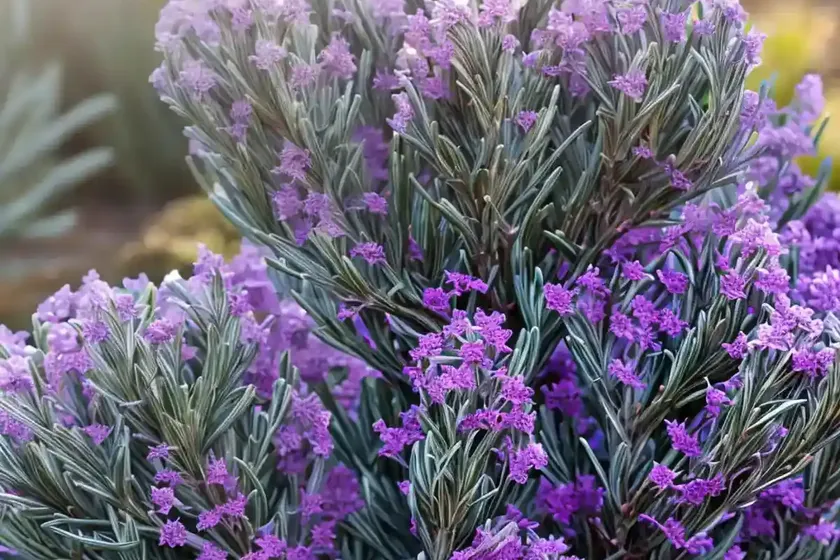
Bog-rosemary (Andromeda Polifolia) is an exquisite and unique plant species that belongs to the Ericaceae family. This plant is commonly found in wetland areas and is renowned for its delicate, bell-shaped flowers and evergreen foliage. The Bog-rosemary thrives in moist and acidic soil, making it an ideal choice for gardens with similar conditions. Its scientific name, Andromeda Polifolia, bears the significance of its native habitat, as it is often found in boggy or marshy areas.
Bog-rosemary’s name is derived from its resemblance to the common rosemary plant (Rosmarinus officinalis), although they belong to different plant families. This distinctive plant is recognized for its elegant appearance and has been a popular choice among gardeners and landscaping enthusiasts who appreciate its ornamental value and resilience in wet environments.
Key Takeaways – Bog-Rosemary (Andromeda Polifolia)
Plant Characteristics
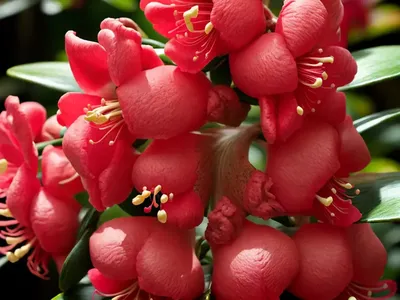
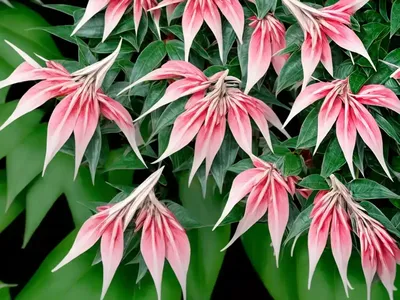
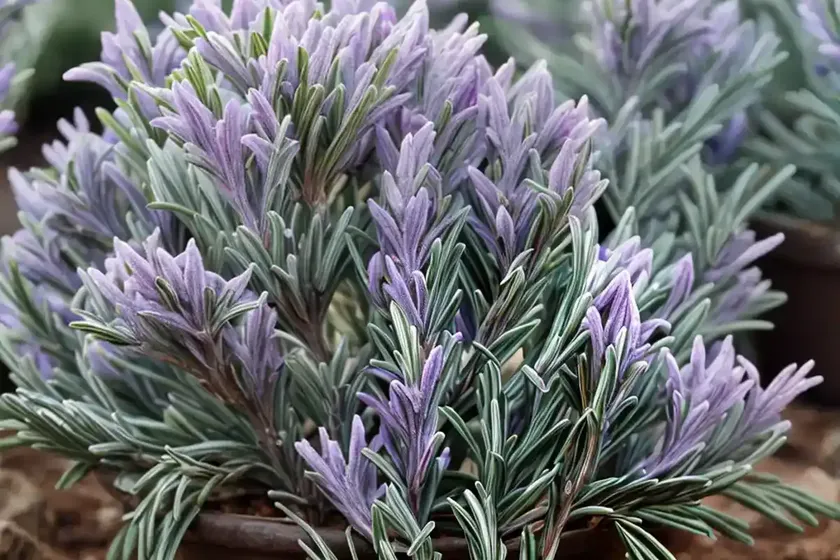
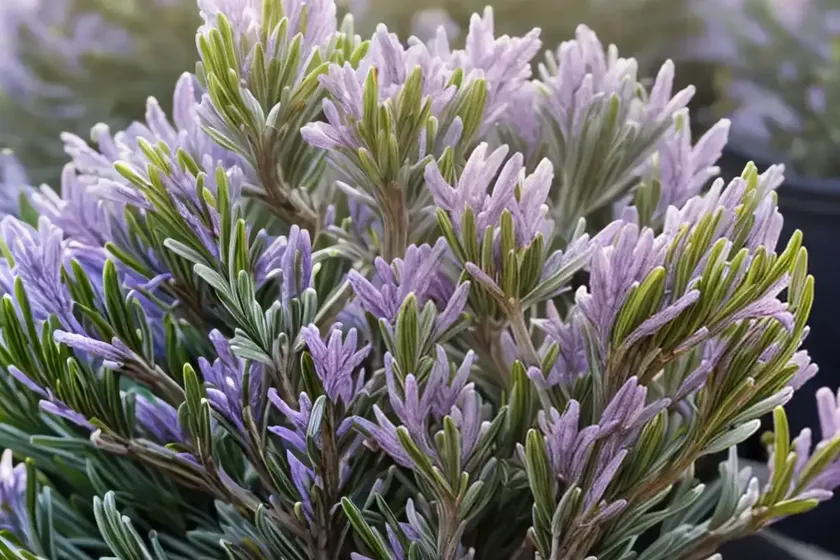
Bog-rosemary features delicate, bell-shaped flowers that can vary in color from white to shades of pink or purple. The foliage is evergreen and adorned with small, narrow leaves that add an alluring texture to the plant. This species typically grows to a height and spread of 1 to 2 feet, making it suitable for both compact and spacious garden settings.
Species Information
- Family: Ericaceae
- Genus: Andromeda
- Species: A. Polifolia
- Common Name: Bog-Rosemary
Planting Guide
When considering the growth of Bog-rosemary, it is essential to take note of its requirements for water, sunlight, soil, and fertilization. Here are crucial guidelines for cultivating healthy and thriving Bog-rosemary plants:
Tips for Growing Bog-Rosemary
- Choose a planting location that provides consistent moisture, such as near a pond or in a low-lying area of the garden.
- Incorporate organic matter into the soil to enhance its acidity and moisture retention, as this mimics the natural habitat of Bog-rosemary.
- Mulch around the plant to support moisture retention and maintain a cool root environment.
A Unique Plant Species
Bog-rosemary stands out as a unique plant due to its remarkable adaptations to wetland ecosystems and its aesthetically pleasing attributes. Understanding its characteristics and requirements is crucial for successful cultivation and preservation of this captivating species.
Bog-Rosemary Cultivation Techniques
Water
Bog-rosemary thrives in consistently moist soil and requires regular watering to support its growth and flowering. This species is especially well-suited for gardens with wetland features, such as ponds or marshy areas.
Sunlight
While Bog-rosemary appreciates some sunlight, it prefers partial shade to protect its delicate foliage and flowers from intense heat and direct exposure. Planting it in a location with dappled sunlight or partial shade is ideal for maintaining its health and vigor.
Fertilizer
Given its preference for acidic soil, fertilization should be approached cautiously to avoid altering the pH level excessively. A light application of an acid-loving plant fertilizer in the spring can provide the necessary nutrients for healthy growth without disrupting the natural balance of the soil.
Soil
The soil for Bog-rosemary should be rich in organic matter, acidic, and well-draining. A pH level between 4.5 and 6.0 is optimal for supporting the plant’s nutrient uptake and overall vitality.
Pruning
Minimal pruning is necessary for Bog-rosemary. Regular removal of dead or damaged foliage and spent flowers will promote a tidy appearance and encourage the plant to direct its energy towards new growth and development.
Propagation of Bog-Rosemary
Common Diseases
Bog-rosemary is generally resistant to many common plant diseases, given its adaptation to wetland conditions and well-drained, acidic soil. However, it may be susceptible to root rot if the soil becomes waterlogged, emphasizing the importance of maintaining proper moisture levels and drainage.
Disease Diagnosis
- Root Rot: This disease may manifest as wilting, yellowing of the leaves, and overall decline in plant health. Care should be taken to assess and address the moisture levels and drainage in the soil to prevent root rot.
Common Pests
Bog-rosemary is relatively resistant to pests due to its natural adaptations and the acidic environment it favors. However, vigilance against potential pests is essential to maintain the plant’s health and vigor.
Botanist’s Tips
For individuals interested in cultivating Bog-rosemary, here are some expert tips to ensure the successful growth and flourishing of this unique plant:
- Choose a planting site with adequate moisture and partial shade to mimic its natural habitat.
- Avoid over-fertilizing to prevent disturbing the pH balance of the soil.
- Incorporate organic matter into the soil for improved acidity and moisture retention.
- Regularly monitor soil moisture levels to ensure a consistently moist yet well-drained environment for the plant.
Fun Facts
- Bog-rosemary has historically been used in herbal medicine for its purported medicinal properties, although caution is advised due to its potential toxicity.
- This plant species has been associated with folklore and cultural significance in various regions due to its distinctive appearance and ecological role in wetland ecosystems.
- Despite its name, Bog-rosemary is not related to the common rosemary herb (Rosmarinus officinalis), and they belong to different plant families.
The unique characteristics and ecological importance of Bog-rosemary underscore its value as a plant species that contributes to biodiversity and the visual appeal of wetland landscapes.
Links to External Resources
For further information and resources on Bog-rosemary (Andromeda Polifolia), explore the following links:
These resources offer valuable insights into the cultivation, characteristics, and ecological significance of Bog-rosemary, making them essential references for enthusiasts and horticulturalists alike.
Conclusion
Bog-rosemary (Andromeda Polifolia) shines as a unique and captivating plant species that thrives in wetland environments and adds an enchanting touch to garden landscapes. Its delicate flowers, evergreen foliage, and preference for moist, acidic conditions make it an exceptional choice for wetland gardens, pond margins, and other similar settings. Understanding its cultivation requirements, ecological importance, and potential challenges is vital for fostering successful growth and appreciating the beauty of this remarkable plant.
Through careful attention to its needs and a deep appreciation for its role in wetland ecosystems, Bog-rosemary stands out as a plant species that exemplifies resilience, biodiversity, and ornamental value in gardens and natural habitats.
As plant enthusiasts and conservationists alike embrace the beauty of Bog-rosemary, the unique qualities and cultural significance of this plant continue to inspire an enduring appreciation for its place in ecological restoration, landscape design, and horticultural endeavors.
This blog post delves into the fascinating world of Bog-rosemary (Andromeda Polifolia), offering insights into its cultivation, ornamental value, and ecological significance. From key aspects such as planting guidance and cultivation tips to its unique characteristics and adaptation to wetland ecosystems, the article celebrates the beauty and resilience of this captivating plant species.
To know more about the caring for Bog-rosemary and appreciating its ecological significance, look no further than this comprehensive guide that sheds light on the distinctive charm of this wetland-dwelling plant.