Amaranthus Cruentus ‘Velvet Curtains’ (Purple Amaranth)
Amaranthus cruentus ‘Velvet Curtains’, commonly known as Purple Amaranth, is a stunning ornamental plant that has garnered attention for its vibrant.
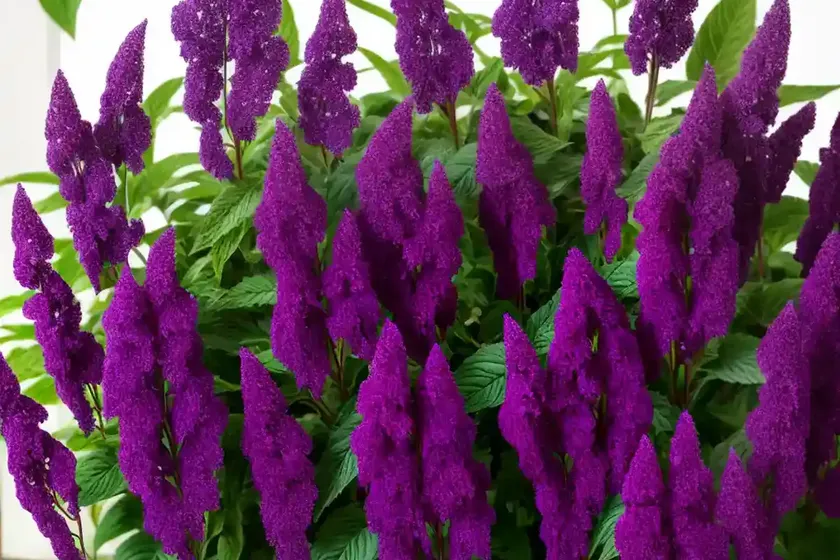
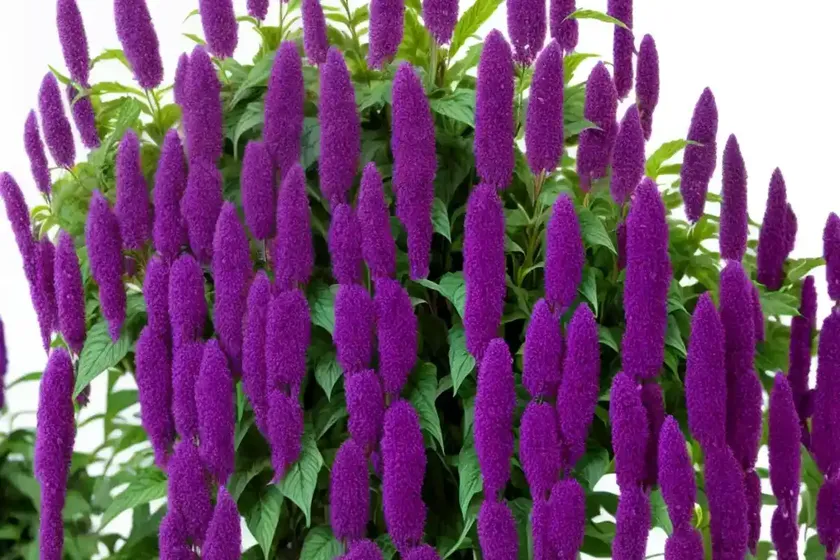
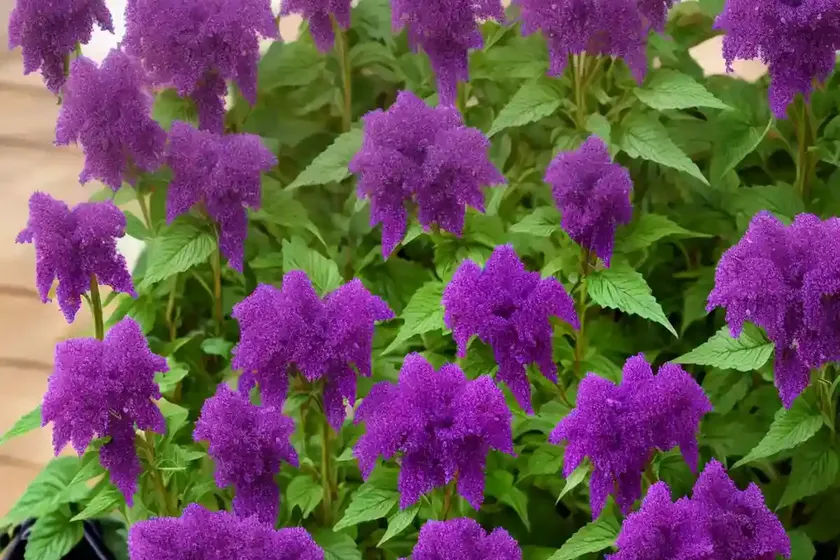
Amaranthus cruentus ‘Velvet Curtains’, commonly known as Purple Amaranth, is a stunning ornamental plant that has garnered attention for its vibrant, richly colored foliage and its many uses. In this comprehensive guide, we will delve into the various aspects of this remarkable plant, covering its description, cultural requirements, propagation, common diseases, and much more. Whether you are a seasoned gardener or a novice enthusiast, there is something to learn about this unique and versatile species.
What is Amaranthus cruentus ‘Velvet Curtains’?
Amaranthus cruentus ‘Velvet Curtains’ is a member of the Amaranthaceae family, which includes many species renowned for their ornamental and nutritional value. This particular variety is celebrated for its striking burgundy leaves and upright growth habit. Native to South America, it has found its way into gardens and landscapes around the world, captivating onlookers with its captivating appearance.
Description
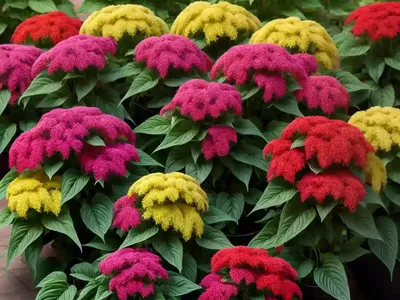
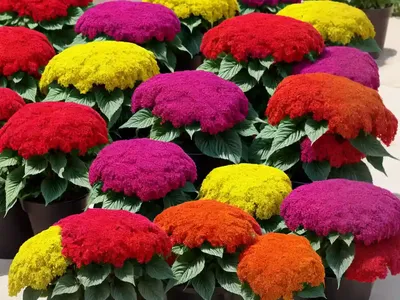
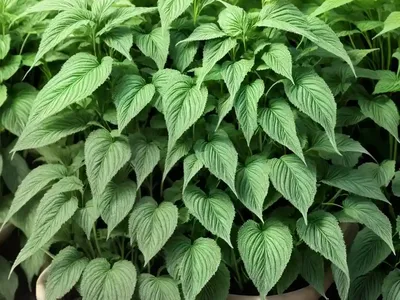
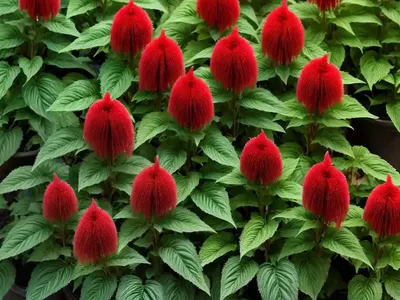
Purple Amaranth is characterized by its deep purple to almost black foliage, which adds a dramatic touch to any garden or landscape. The leaves are typically long, lance-shaped, and can grow up to six inches in length. In addition to its foliage, Purple Amaranth produces vibrant magenta flowers that are visually arresting and further enhance its ornamental appeal.
Key Takeaways – Amaranthus cruentus ‘Velvet Curtains’ (Purple Amaranth)
Before delving into the specifics of its care and cultivation, let’s take a moment to highlight the key takeaways and highlights of growing Amaranthus cruentus ‘Velvet Curtains’.
- Striking burgundy foliage adds a dramatic touch to the garden.
- Upright growth habit makes it suitable for borders and ornamental plantings.
- Magenta flowers add a splash of color to the landscape.
- Tolerant of various soil conditions and adaptable to different climates.
- Both ornamental and functional – used in landscaping and culinary pursuits.
Now that we have an overview of the plant’s characteristics let’s explore how to cultivate and care for Amaranthus cruentus ‘Velvet Curtains’ to ensure its optimal growth and vibrancy.
Culture
Understanding the cultural requirements of Amaranthus cruentus ‘Velvet Curtains’ is paramount to its success in your garden.
Uses
-
Ornamental Purposes: The vibrant leaf color and eye-catching flowers make Purple Amaranth an excellent choice for ornamental plantings. It adds a rich, velvety texture to mixed borders and can also be grown in containers for a striking focal point on patios or decks.
-
Edible Applications: Besides its ornamental value, Purple Amaranth is also grown for its edible leaves. Rich in nutrients and antioxidants, the young leaves can be used in salads or cooked as a nutritious addition to various dishes.
Water
Amaranthus cruentus ‘Velvet Curtains’ is a relatively low-maintenance plant when it comes to watering. It is adaptable to different moisture levels but generally thrives in well-draining soil. Ensure that the soil is kept consistently moist, but not waterlogged, especially during hot and dry periods.
Sunlight
For optimal growth and foliage coloration, Purple Amaranth thrives in full sun to partial shade. Provide it with at least 6-8 hours of direct sunlight daily to promote robust growth and vibrant leaf coloration.
Fertilizer
Fertilization is not typically required for Purple Amaranth, especially if it is grown in nutrient-rich soil. However, if the foliage shows signs of nutrient deficiency, a balanced fertilizer can be applied sparingly. Always follow the recommended dosage to avoid over-fertilization.
Soil
One of the remarkable attributes of Purple Amaranth is its adaptability to different soil types. It can thrive in sandy, loamy, or clay soils, provided they are well-draining. Amaranthus cruentus ‘Velvet Curtains’ prefers a soil pH range of 6.0 to 7.0, indicating a slightly acidic to neutral soil environment.
Pruning
Pruning Purple Amaranth is not a strict necessity for its growth but can be done to control its size and promote a bushier growth habit. Removing spent flowers can also encourage continuous blooming and prevent self-seeding, especially in garden settings where its rapid spread may not be desired.
Propagation
Propagating Amaranthus cruentus ‘Velvet Curtains’ can be achieved through both seeds and cuttings.
-
Seeds: Collect mature seeds from the plant, and sow them directly into the garden bed or seed trays. Ensure that the soil is kept consistently moist until germination occurs.
-
Cuttings: Propagation via stem cuttings is also viable. Take healthy stem cuttings, dip them in a rooting hormone, and plant them in a well-draining potting mix.
Container Popularity
The stunning visual appeal and upright growth habit of Purple Amaranth make it a popular choice for container gardening. It adds a touch of elegance and drama to outdoor spaces and can be a focal point of attention on patios, decks, or balconies.
Common Diseases
While Purple Amaranth is generally resilient, it can be susceptible to certain diseases and issues that can hinder its growth and appearance.
Disease Diagnosis
- Powdery Mildew: A common fungal infection that appears as a powdery white substance on the foliage.
- Leaf Spot: Characterized by dark spots on the leaves, often caused by fungal pathogens.
- Damping Off: This is a common issue in young seedlings caused by soil-borne pathogens, resulting in wilting and decay of the seedlings.
Common Pests
Certain pests can also pose a threat to the health and vigor of Purple Amaranth.
- Aphids: These tiny insects can infest the tender parts of the plant and cause damage by sucking sap from the foliage.
- Spider Mites: Known for creating fine webbing and causing discoloration of the leaves due to their feeding habits.
Understanding these potential issues will empower you to take proactive measures to protect your Purple Amaranth and mitigate the impact of pests and diseases.
Botanist’s Tips
As a botanist, here are some insightful tips for growing and caring for Amaranthus cruentus ‘Velvet Curtains’:
- Regularly deadhead spent flowers to promote continuous blooming and prevent self-seeding.
- Monitor the plant for signs of stress, such as wilting or discoloration, and adjust the watering and light conditions accordingly.
- When growing Purple Amaranth for its edible leaves, harvest them when they are young and tender for the best flavor and nutritional value.
Fun Facts
- Amaranthus cruentus ‘Velvet Curtains’ belongs to a group of plants known as pseudocereals, which are broadleaf plants that produce small, protein-packed seeds, similar to true cereals like wheat and rice.
- In some cultures, amaranth holds ceremonial significance and is used in traditional rituals and celebrations, symbolizing longevity and abundance.
Links to External Resources
For a deeper dive into the world of Purple Amaranth, explore the following resources:
- Amaranth: A Review on Botany, Genetics, Biochemistry, Food, and Traditional Uses
- Growing Amaranth – University of Florida IFAS Extension
- Amaranthus cruentus ‘Velvet Curtains’ – Missouri Botanical Garden
- Edible Leafy Vegetables: Amaranthus cruentus, A. blitum and A. dubius- A Review
- Molecular and Physiological Evaluation of Different Varieties of Amaranthus cruentus
The exploration of the diverse aspects of Amaranthus cruentus ‘Velvet Curtains’ invites us into a world where ornamental beauty meets culinary potential, making it a captivating addition to any garden or landscape. With its adaptable nature, striking appearance, and historical significance, Purple Amaranth continues to enchant and inspire plant enthusiasts across the globe.
Conclusion
In the realm of ornamental and functional plants, Amaranthus cruentus ‘Velvet Curtains’ stands out as a versatile and captivating species. Whether you are drawn to its breathtaking foliage, its nutritional value, or its cultural significance, Purple Amaranth has something to offer to every gardener and plant enthusiast. By understanding its cultural requirements, propagation methods, potential issues, and unique characteristics, we can celebrate and maximize the potential of this remarkable plant, expanding our horticultural horizons and enriching our garden spaces.