Amaranthus Tricolor (Joseph’s Coat)
Amaranthus tricolor, commonly known as Joseph’s Coat, is a strikingly beautiful and versatile plant appreciated by gardeners and horticulturists worldwide..
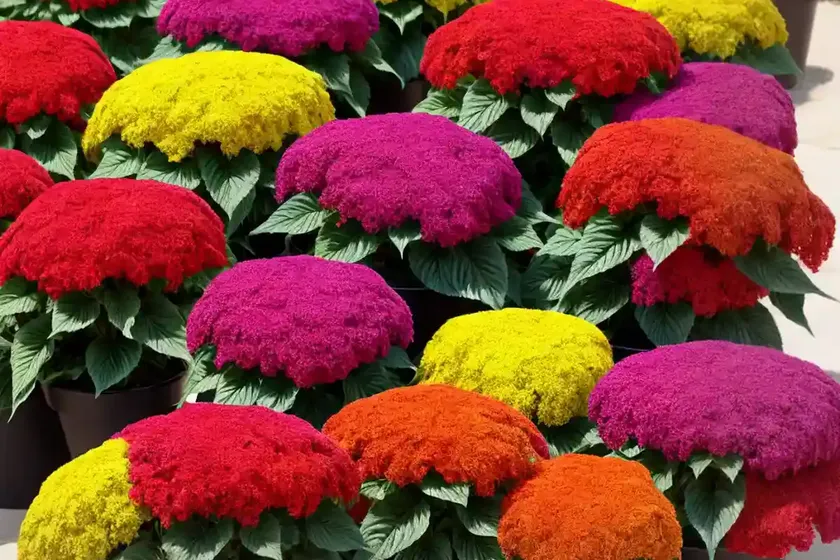
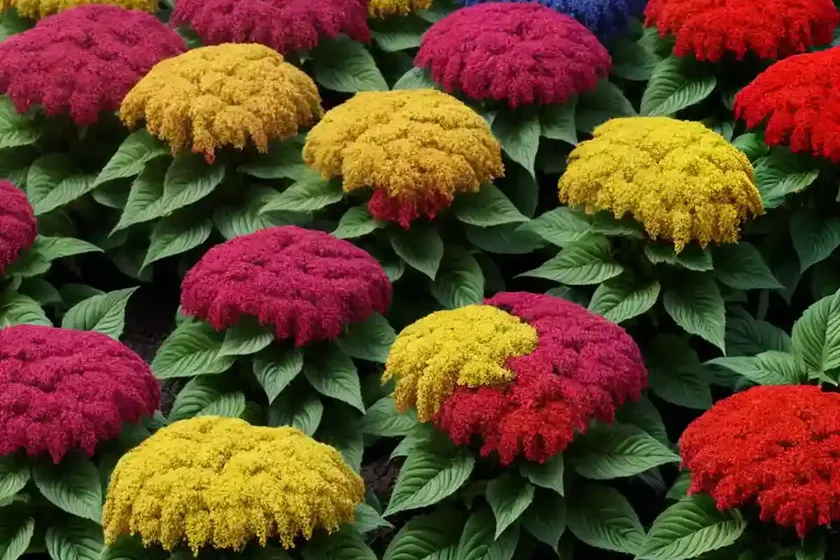
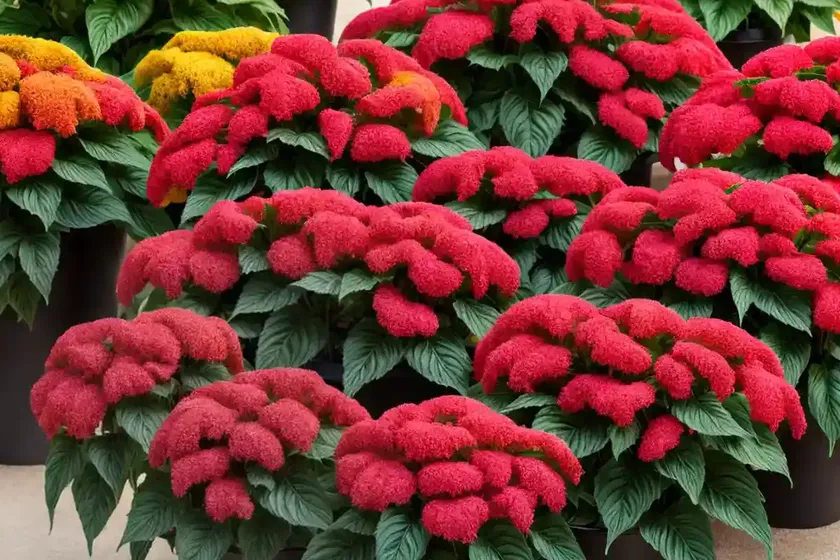
Amaranthus tricolor, commonly known as Joseph’s Coat, is a strikingly beautiful and versatile plant appreciated by gardeners and horticulturists worldwide. With its vibrant and multi-colored foliage, Joseph’s Coat adds a burst of lively hues to any garden or landscape. In this comprehensive guide, we will delve into the various aspects of understanding, cultivating, and caring for Amaranthus tricolor. From its cultural significance to its outdoor and indoor gardening requirements, this article aims to be your go-to resource for all things related to Joseph’s Coat.
What is Amaranthus tricolor (Joseph’s Coat)?
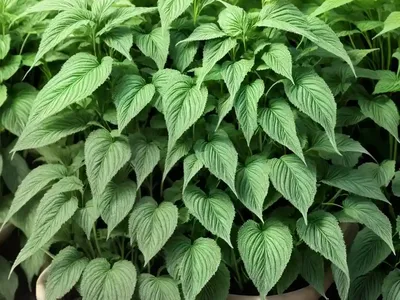
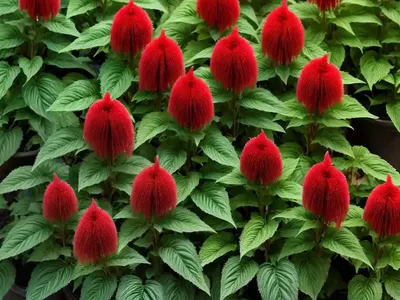
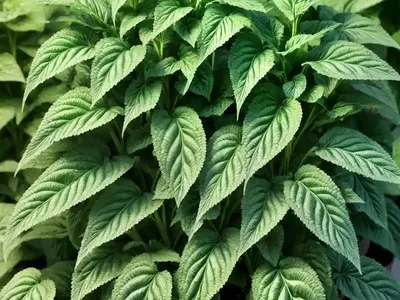
Belonging to the Amaranthaceae family, Amaranthus tricolor is an annual ornamental plant native to Southeast Asia. Its common name, Joseph’s Coat, aptly reflects the plant’s stunning array of colors, which include shades of red, yellow, orange, and green. The plant is characterized by its bushy growth habit and its visually appealing, lance-shaped leaves.
Key Takeaways – Amaranthus tricolor (Joseph’s Coat)
Before diving deeper into the specifics of cultivating and caring for Joseph’s Coat, let’s outline some key takeaways that will guide our exploration of this exceptional plant.
- Plant Name: Amaranthus tricolor (Joseph’s Coat)
- Family: Amaranthaceae
- Type: Annual ornamental plant
- Native to: Southeast Asia
- Characteristics: Vibrant, multi-colored foliage
Now that we have an overview of the plant, let’s explore the various facets of growing and nurturing Amaranthus tricolor.
Cultivation of Amaranthus tricolor
Cultivating Amaranthus tricolor requires an understanding of its specific needs and preferences. From sunlight and water requirements to soil conditions and suitable climate, providing the right environment is crucial for the plant’s growth and vibrancy.
Sunlight
Joseph’s Coat thrives in full sun, as it benefits from at least 6 to 8 hours of direct sunlight daily. Therefore, when selecting a location for planting, choose an area that receives ample sunlight throughout the day.
Water
Amaranthus tricolor has moderate water needs and prefers soil that is consistently moist but well-drained. Allow the soil to dry slightly between watering sessions to prevent waterlogging, which can lead to root rot.
Soil
In terms of soil, Joseph’s Coat appreciates well-drained, fertile soil with a slightly acidic to neutral pH range of 6.0 to 7.0. Amending the soil with organic matter such as compost can enhance its texture and nutrient content, providing an ideal growing medium for the plant.
Fertilizer
When it comes to fertilization, incorporating a balanced, all-purpose fertilizer into the soil before planting can provide the initial nutrients needed for the plant’s establishment. Additionally, applying a diluted liquid fertilizer every 4-6 weeks during the growing season can support vigorous growth and vibrant foliage coloration.
Pruning and Propagation of Amaranthus tricolor
Proper pruning and timely propagation are essential for maintaining the health and vigor of Amaranthus tricolor. Let’s explore the best practices for these crucial aspects of plant care.
Pruning
As Joseph’s Coat grows, periodic pruning can help maintain its shape and encourage bushier growth. Trim back any leggy or overgrown stems to promote a more compact and attractive form. Additionally, the removal of spent flowers and seed heads can redirect the plant’s energy towards producing new foliage, prolonging its ornamental appeal.
Propagation
Amaranthus tricolor can be propagated from seeds, making it an accessible plant for gardeners to grow from scratch. Sow the seeds directly into the prepared garden bed or container after the last frost date, ensuring the soil is consistently moist until germination occurs. Alternatively, collecting seeds from mature plants allows for future propagation, enabling a continuous supply of Joseph’s Coat in the garden.
Container Gardening with Amaranthus tricolor
For gardening enthusiasts with limited outdoor space or those looking to add a splash of color to their patios and balconies, Amaranthus tricolor is an excellent choice for container gardening. Its striking foliage and adaptability make it well-suited for growing in pots and containers, adding visual interest to any outdoor setting.
Popularity in Containers
Joseph’s Coat is a popular choice for container gardening due to its compact size, vibrant colors, and adaptability to various container sizes. Whether grown individually or as part of a mixed container display, the plant’s striking foliage adds a dynamic element to any outdoor space.
Common Container Diseases
While container gardening offers numerous benefits, it also comes with its set of challenges, including potential disease issues. Some common container diseases that may affect Amaranthus tricolor include:
- Root Rot: Occurs due to overwatering and poor drainage, leading to the decay of the plant’s roots.
- Powdery Mildew: A fungal disease that manifests as a white powdery coating on the plant’s foliage, often caused by high humidity and insufficient air circulation.
Disease Diagnosis
To effectively manage and prevent diseases in container-grown Joseph’s Coat, it’s essential to be able to diagnose and address these issues promptly. Keeping an eye out for symptoms such as wilting, yellowing or browning of leaves, or the presence of powdery residue can signal the onset of disease, prompting timely intervention.
Common Pests in Containers
In addition to diseases, pests can also pose a threat to container-grown plants. Some common pests that may target Amaranthus tricolor in containers include:
- Aphids: Small, sap-sucking insects that cluster on the plant’s young growth, causing distortion and discoloration of leaves.
- Spider Mites: Tiny arachnids that feed on plant sap, resulting in stippled and discolored foliage.
Botanist’s Tips
To mitigate pest and disease issues in container gardening, consider the following tips:
- Regularly inspect the plant for signs of pests and diseases, taking appropriate action if detected.
- Ensure proper spacing between containers to promote adequate air circulation and reduce the risk of fungal diseases.
- Employ natural remedies such as neem oil or insecticidal soap for pest control, minimizing the use of chemical interventions.
Fun Facts about Joseph’s Coat
Beyond its horticultural attributes, Amaranthus tricolor harbors interesting and noteworthy traits that add to its allure. Here are some fun facts about Joseph’s Coat:
- Cultural Significance: In many cultures, Amaranthus tricolor holds cultural significance, often symbolizing longevity, love, or immortality.
- Edible Foliage: The young leaves of Joseph’s Coat are edible and can be used as a colorful addition to salads or cooked as a nutritious green vegetable.
- Ornamental Usage: Aside from its ornamental value, Joseph’s Coat is often paired with other flowering plants to create visually captivating garden displays.
Links to External Resources
For further exploration and in-depth knowledge about Amaranthus tricolor, consider referring to the following external resources:
- The Royal Horticultural Society – Growing Amaranthus tricolor
- University of Florida IFAS Extension – Joseph’s Coat for Ornamental Use
In conclusion, Amaranthus tricolor (Joseph’s Coat) stands as a captivating plant with immense ornamental potential and diverse cultural and culinary attributes. Understanding its requirements, from sunlight and water to soil and container gardening, empowers gardeners to cultivate and enjoy the splendor of this versatile plant. As you embark on the journey of growing and caring for Amaranthus tricolor, may this guide serve as a valuable resource, enriching your experience with Joseph’s Coat in your garden and landscape.