Amaranth (Amaranthus)
In the vast and diverse tapestry of the plant kingdom, few species are as intriguing and versatile as the Amaranth, scientifically known as Amaranthus..
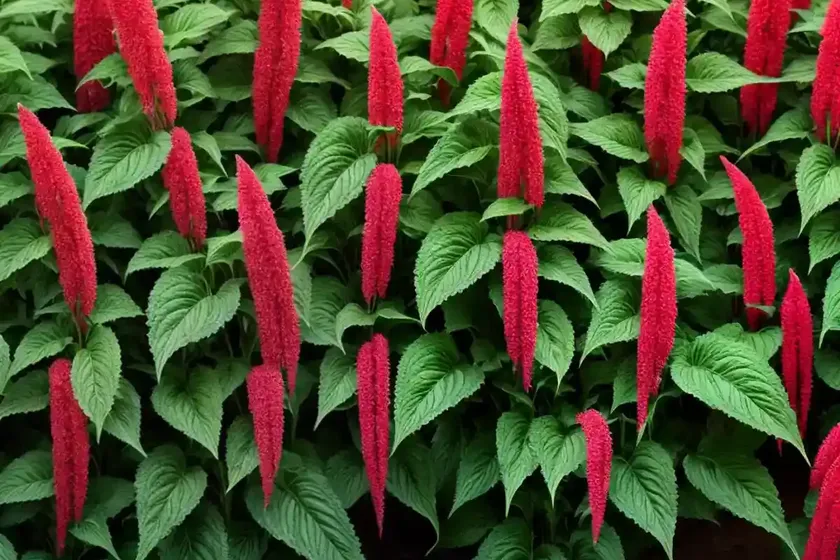
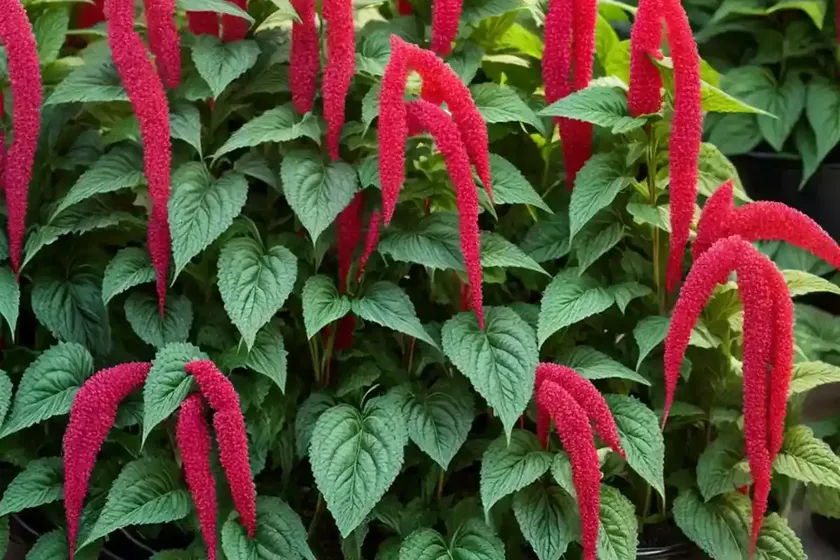
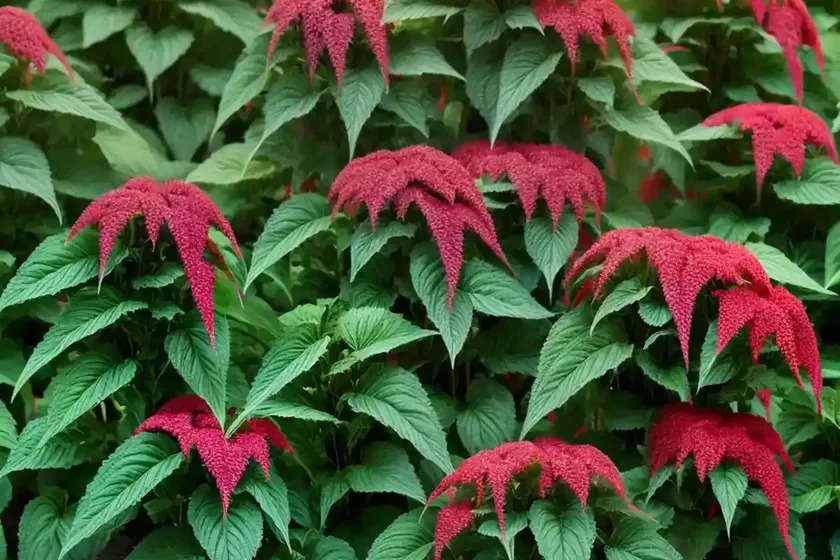
In the vast and diverse tapestry of the plant kingdom, few species are as intriguing and versatile as the Amaranth, scientifically known as Amaranthus. This remarkable plant has captivated the interest of botanists, nutritionists, and agriculture enthusiasts for centuries, and for good reason. With its diverse uses, nutritional benefits, and cultural significance, Amaranth holds a special place in the hearts and soils of many regions across the globe. In this comprehensive guide, we will delve into the deep-rooted history, adaptable nature, and practical cultivation tips for Amaranth. From its uses and ecosystem roles to its health properties and folklore, this blog will serve as a valuable resource for anyone interested in understanding and cultivating this extraordinary plant.
What is Amaranth?
Before we embark on a journey to explore the multifaceted characteristics of Amaranth, it is essential to gain a fundamental understanding of this plant. Amaranth belongs to the family Amaranthaceae, which includes a wide array of ornamental plants, weeds, and grains. The genus Amaranthus encompasses a diverse group of annuals, perennials, and short-lived plants, with over 60 recognized species and numerous varieties and cultivars.
Among these species, the most commonly cultivated and celebrated for its nutritional and ornamental value is Amaranthus caudatus, or commonly known as Love-Lies-Bleeding. Other popular species include Amaranthus cruentus, Amaranthus hypochondriacus, and Amaranthus tricolor, each boasting unique attributes that make them valuable additions to gardens, farms, and research initiatives around the world.
Key Takeaways – Amaranth (Amaranthus)
Before diving into the specific details of Amaranth cultivation and care, here are some key takeaways:
- Amaranth is a diverse genus of plants within the family Amaranthaceae, encompassing over 60 recognized species.
- The most popular cultivated species include Amaranthus caudatus, Amaranthus cruentus, Amaranthus hypochondriacus, and Amaranthus tricolor, each with distinct characteristics and uses.
- Amaranth is cherished for its nutritional benefits, versatile uses, and cultural significance, making it a prominent plant in various global cuisines, traditional medicine, and sustainable agriculture practices.
- Cultivating Amaranth can contribute to sustainable and organic farming practices, as it is known for its resilience, adaptability, and minimal requirements for intensive care.
With these key points in mind, let’s delve deeper into the various aspects of cultivating and appreciating the Amaranth plant.
Culture
Amaranth has a rich cultural history, deeply entwined with traditional cuisines, folklore, and religious ceremonies in many regions globally. Its cultural significance extends from its use in ancient rituals to its inclusion in modern culinary creations, making it a cherished plant with a rich and diverse heritage.
Amaranth has been cultivated and revered by various civilizations throughout history for both its ornamental beauty and nutritional value. Ancient Aztecs considered Amaranth to be a staple crop, and it held a sacred status in their religious practices. The plant’s vibrant and long-lasting flower heads were incorporated into symbolic ceremonies and rituals, signifying eternity and immortality.
In contemporary culture, Amaranth continues to play a vital role in many cuisines worldwide, especially in regions where its cultivation has persisted for generations. Its versatility in savory and sweet dishes, along with its exceptional nutritional profile, has solidified its position as a prized ingredient in diverse culinary traditions.
Uses
The uses of Amaranth extend far beyond its cultural and symbolic significance. This remarkable plant offers a multitude of practical applications, ranging from its role as a nutritious grain to its function as an ornamental and medicinal plant. Understanding these varied uses is crucial for appreciating the full potential of Amaranth in agriculture, nutrition, and sustainable living.
Nutrition
One of the most celebrated attributes of Amaranth is its exceptional nutritional profile. The seeds of certain Amaranth species, particularly Amaranthus cruentus and Amaranthus hypochondriacus, are renowned for their high protein content and balanced amino acid composition. Amaranth seeds also contain essential vitamins, minerals, and dietary fiber, making them a valuable addition to a balanced diet.
The gluten-free nature of Amaranth makes it an attractive alternative for individuals with gluten sensitivity or celiac disease, offering a versatile and nutritious source of carbohydrates and dietary fiber. Furthermore, Amaranth contains bioactive compounds, such as phenolic acids and flavonoids, which contribute to its potential health-promoting properties.
Culinary Applications
Amaranth’s seeds and leaves have been integrated into diverse culinary traditions, offering a versatile and nutrient-rich addition to a wide array of dishes. In many cultures, Amaranth leaves are utilized similarly to spinach or other leafy greens, imparting a mild, earthy flavor to soups, stews, and stir-fries.
Amaranth seeds, commonly referred to as pseudocereals due to their grain-like properties, can be processed and utilized as a whole grain or ground into flour. Amaranth flour is prized for its ability to enhance the nutritional quality of baked goods, such as bread, cookies, and pancakes, while also contributing a subtle nutty flavor.
Ornamental Purposes
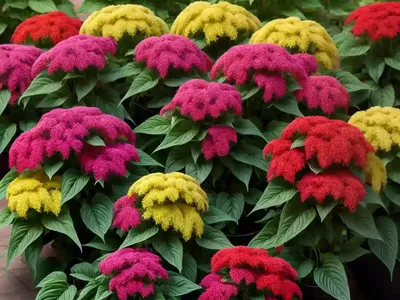
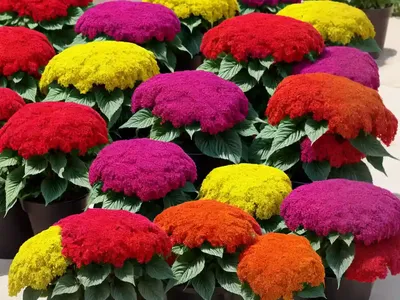
Beyond its culinary and nutritional value, Amaranth exudes ornamental charm, thanks to its striking leaf patterns and vibrant flowers. Many gardeners and horticulturists incorporate Amaranth into ornamental landscapes, utilizing its bold foliage and distinctive flower structures to add visual interest and dimension to gardens and public spaces.
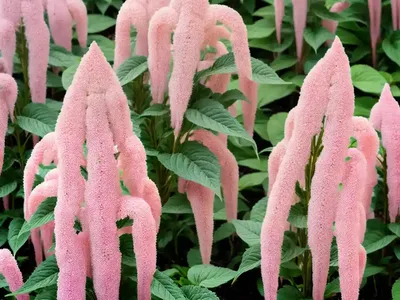
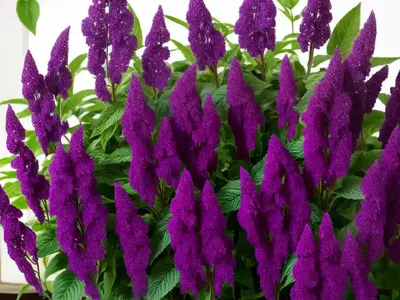
Tall varieties, such as Amaranthus caudatus, are especially favored for their cascading tassels of vibrant red, pink, or yellow flowers, which create dramatic accents in garden borders, floral arrangements, and landscape designs. The ornamental appeal of Amaranth has cemented its status as an esteemed choice for both home gardeners and professional landscapers.
Medicinal and Therapeutic Uses
Amaranth has also found applications in traditional medicine and herbal remedies, with various cultures utilizing different parts of the plant for their purported health-promoting properties. The leaves of certain Amaranth species are believed to possess anti-inflammatory, antioxidant, and antimicrobial effects, leading to their integration into traditional healing practices.
Additionally, Amaranth seeds and extracts are being studied for their potential in nutraceutical and pharmaceutical products, owing to their rich array of bioactive compounds and nutritional components. This growing interest in the medicinal potential of Amaranth underscores its multifaceted nature and the depth of exploration that is yet to unfold in this field.
Plant Care
With its expansive range of uses and cultural heritage, Amaranth presents a compelling choice for home gardeners, urban farmers, and agricultural enthusiasts. Cultivating Amaranth, whether for its nutritious seeds, vibrant foliage, or ecological benefits, demands an understanding of its specific care requirements and growth preferences. In the following sections, we will explore the essential aspects of Amaranth care, including water, sunlight, fertilizer, soil, pruning, propagation, and container cultivation.
Water
Amaranth is generally adaptable to a range of moisture conditions, making it suitable for cultivation in various climates and soil types. However, its water requirements may vary depending on the stage of growth, prevailing environmental conditions, and soil moisture retention.
During the germination and establishment phase, Amaranth seeds and seedlings benefit from consistently moist soil to facilitate robust root development. Once the plants are established, they display moderate drought tolerance, with mature plants being able to withstand brief periods of reduced soil moisture. However, to optimize yields and overall plant health, it is advisable to provide adequate moisture, especially during flowering and seed set stages.
Optimizing watering practices involves monitoring soil moisture levels and adjusting irrigation frequency based on environmental factors and plant growth stage. Mulching around Amaranth plants can help conserve soil moisture, reduce weed competition, and stabilize soil temperature, contributing to overall water efficiency and plant vitality.
Sunlight
Amaranth thrives in full sun to partial shade, with most varieties exhibiting vigorous growth and prolific flowering when provided with ample sunlight. When selecting a planting site or positioning containers for Amaranth cultivation, it is essential to prioritize locations that receive at least 6 hours of direct sunlight per day, especially during the plant’s active growth phase.
In regions characterized by intense heat or prolonged periods of sunshine, providing partial shade during the hottest part of the day may help prevent leaf scorch and reduce heat stress on the plants. However, maintaining a balance between sun exposure and adequate light penetration is crucial for promoting robust growth, vibrant foliage coloration, and abundant flower production in Amaranth.
Fertilizer
Amaranth plants have modest fertility requirements, often demonstrating resilience and productivity in moderately fertile soils. While excessive application of high-nitrogen fertilizers may lead to excessive vegetative growth at the expense of flowering and seed production, a balanced and organic approach to fertilization can enhance plant vigor and yield.
Incorporating compost or well-decomposed organic matter into the soil before planting can provide a steady release of nutrients and contribute to soil structure improvement, thus benefiting the long-term growth of Amaranth. Additionally, top-dressing the soil around Amaranth plants with a slow-release, balanced fertilizer during the early stages of growth can ensure consistent access to essential nutrients without risking over-fertilization.
Careful observation of the plant’s growth and visual assessment of leaf color and overall vigor can guide the application of supplemental fertilizer, allowing for a tailored and responsive approach to meeting Amaranth’s nutritional needs.
Soil
Cultivating Amaranth in well-draining and fertile soil is crucial for maximizing the plant’s growth and yield potential. A loamy soil texture, enriched with organic matter and possessing good moisture retention capabilities, is ideal for Amaranth cultivation, promoting vigorous root development and effective nutrient uptake.
Maintaining a slightly acidic to neutral soil pH, ranging from 6.0 to 7.5, can support optimal nutrient availability and minimize the risk of nutrient imbalances or deficiencies. Conducting a soil test prior to planting Amaranth can provide valuable insights into soil fertility and pH, guiding the application of necessary amendments and ensuring a favorable growing environment for the plants.
In regions characterized by heavy clay or sandy soils, incorporating organic amendments, such as compost, well-rotted manure, or peat moss, can improve soil structure and fertility, fostering an environment conducive to healthy Amaranth growth. Regular monitoring of soil moisture and texture, combined with the application of appropriate soil amendments, can contribute to sustained plant health and vitality.
Pruning
Pruning Amaranth plants is generally not required for their growth and development, as they naturally assume a bushy and upright growth habit. However, deadheading spent flowers or removing damaged or discolored foliage can help maintain a tidy appearance and redirect the plant’s energy towards new growth and flowering.
Harvesting mature Amaranth plants may involve cutting the entire plant at the base, especially when growing for seed production or as a grain crop. Trimming back excessive vegetative growth may also be necessary to prevent overcrowding and ensure adequate airflow and light penetration within dense plantings.
Regular visual inspection of Amaranth plants for signs of disease or pest infestation can prompt timely pruning of affected plant parts, contributing to disease management and overall plant health. By implementing selective pruning practices, gardeners can promote the longevity and productivity of Amaranth while preserving its ornamental or utilitarian value.
Propagation
Amaranth can be propagated through both seeds and vegetative methods, offering flexibility in establishing new plantings and maintaining desirable cultivars. Understanding the specific propagation techniques for Amaranth can empower gardeners and cultivators to expand their plantings and conserve unique and valuable genetic traits.
Seed Propagation
Seeds are the primary means of propagation for Amaranth, with the reproductive structures of the plants yielding abundant and viable seeds for successive plantings. Direct sowing of Amaranth seeds into prepared soil, either in the garden or in containers, is a straightforward and effective method of propagation, allowing for efficient establishment and uniform growth of seedlings.
Prior to sowing, treating Amaranth seeds with a beneficial microbial inoculant or a biostimulant may enhance germination rates and support early seedling vigor, accelerating the establishment of the crop. Adequate soil moisture and favorable temperature conditions during the germination period can contribute to uniform seedling emergence and robust early growth.
For propagation of specific cultivars or preservation of genetic diversity, collecting and storing Amaranth seeds from mature plants, ensuring proper drying and storage conditions, can support seed conservation and facilitate the sharing of unique varieties among growers and enthusiasts.
Vegetative Propagation
While Amaranth is predominantly propagated through seeds, some species and varieties may be amenable to vegetative propagation techniques, such as stem cuttings or division. These methods can be employed to rapidly expand plantings or propagate selected cultivars with desirable traits, offering an alternative to seed-based propagation.
Stem cuttings taken from actively growing Amaranth plants, prepared with a rooting hormone and placed in a suitable rooting medium, can develop roots and form new plants, hastening the propagation process and preserving the genetic integrity of the parent plant. Division of clump-forming Amaranth species, such as Amaranthus tricolor, can also yield multiple individual plants from a single established specimen, facilitating the rapid expansion of plantings and the retention of specific cultivar characteristics.
Propagating Amaranth through vegetative means requires careful attention to hygiene, moisture management, and environmental conditions to ensure the successful establishment and subsequent growth of propagated plants. By mastering both seed-based and vegetative propagation techniques, growers can optimize the reproductive potential of Amaranth and contribute to the preservation and proliferation of diverse genetic resources.
Container Cultivation
The adaptability and moderate space requirements of Amaranth make it well-suited for cultivation in containers, allowing urban gardeners, balcony growers, and small-scale farmers to integrate this versatile plant into their limited growing spaces. Successful container cultivation of Amaranth requires attention to certain key aspects to ensure optimal growth and productivity.
Selecting a spacious and sturdy container, with adequate drainage holes and a capacity suitable for the mature size of Amaranth, is essential for promoting healthy root development and preventing waterlogging. Using a well-draining, nutrient-rich potting mix that mirrors the soil requirements for in-ground cultivation can aid in sustaining robust growth and minimizing the risk of nutrient deficiencies.
Positioning containers in locations that receive ample sunlight, preferably a minimum of 6 hours of direct sunlight per day, is crucial for supporting vigorous growth, flowering, and seed production in container-grown Amaranth. Regular monitoring of soil moisture, combined with prudent watering practices to maintain consistent moisture levels, can contribute to sustained plant health and vitality in container settings.
Fertilizing container-grown Amaranth with a balanced, slow-release fertilizer formulated for vegetable or flowering crops can ensure adequate nutrient supply throughout the growing season, promoting lush foliage, prolific flowering, and optimal seed development. Regular monitoring of the plants for signs of nutrient deficiencies or pot-bound roots can guide timely intervention and contribute to sustained productivity in container-grown Amaranth.
By embracing the unique opportunities offered by container cultivation, individuals with limited outdoor space or urban growing constraints can experience the gratification of cultivating and enjoying the remarkable attributes of Amaranth within a confined environment.
Popularity
Amaranth’s popularity transcends geographic boundaries and cultural distinctions, resonating with enthusiasts of diverse backgrounds and aspirations. Its widespread appeal stems from a combination of factors, including its nutritional attributes, ornamental charm, and ecological significance, that position it as an invaluable addition to gardens, farms, and research initiatives worldwide.
Culinary and Nutritional Prominence
The burgeoning interest in diverse and nutrient-rich food sources has propelled Amaranth into the spotlight as a cornerstone of sustainable and health-conscious diets. As more individuals become aware of the exceptional nutritional properties of Amaranth, its integration into recipes, meal plans, and food products has gained momentum, contributing to its rising popularity and recognition as a superfood.
Amaranth’s gluten-free nature, coupled with its elevated protein content and balanced amino acid profile, has resonated with individuals seeking dietary alternatives and nutritional diversity. Its application in gluten-free baking, plant-based protein products, and whole-grain formulations has expanded its culinary influence and bolstered its position as a versatile and valuable ingredient in contemporary cuisines.
Ornamental and Horticultural Appeal
In horticultural and ornamental circles, Amaranth has garnered acclaim for its dramatic foliage colors, distinctive flower structures, and adaptability to various growing conditions. The incorporation of Amaranth into public gardens, landscape designs, and ornamental plantings has contributed to its widespread recognition as a striking and captivating addition to outdoor spaces.
Tall varieties of Amaranth, such as Amaranthus caudatus and Amaranthus cruentus, have particularly captured the imagination of gardeners and floral enthusiasts, with their cascading tassels of vibrant flowers lending an ethereal and enchanting quality to floral arrangements and visual displays. The ornamental allure of Amaranth has positioned it as an esteemed choice for adding visual impact and seasonal interest to gardens and landscapes.
Agricultural and Ecological Significance
Beyond its culinary and ornamental prominence, Amaranth’s role in sustainable agriculture and ecological resilience has solidified its standing as a plant of considerable importance. Its adaptability to diverse soil and climate conditions, coupled with its minimal water and fertility requirements, aligns with the principles of organic cultivation and resource-efficient farming practices.
The potential for utilizing Amaranth as a cover crop, companion plant, or rotational crop has garnered attention among farmers and agronomists, showcasing its capacity to enrich soil health, suppress weeds, and provide habitat for beneficial organisms. Furthermore, ongoing research into Amaranth’s suitability for agroforestry systems and agroecological approaches underscores its multifaceted contributions to regenerative and sustainable agriculture.
From culinary innovation and ornamental horticulture to sustainable agriculture and ecological stewardship, Amaranth’s popularity stems from its ability to inspire diverse avenues of exploration and application, reflecting its integral role in shaping contemporary gardening, nutrition, and agricultural practices.
Common Diseases and Pest Management
Amaranth, like many plant species, is susceptible to various diseases and pest infestations that can impede its growth and overall vitality. Understanding the common adversaries that may affect Amaranth plants, along with proactive management strategies, is essential for preserving the health and yield potential of these remarkable plants.
Disease Diagnosis
Amaranth plants may be afflicted by a range of diseases, including fungal, bacterial, and viral infections that can manifest as leaf spots, wilting, discoloration, and stunted growth. Some of the common diseases affecting Amaranth include:
- Powdery Mildew: A fungal infection characterized by a powdery, white coating on leaves and stems, often leading to impaired photosynthesis and reduced plant vigor.
- Downy Mildew: Another fungal disease causing yellow to brown patches on leaves, often accompanied by a downy growth on the underside of leaves and eventual leaf drop.
- Leaf Spot: Several fungal and bacterial pathogens can cause circular or irregular leaf spots, affecting the foliage’s photosynthetic capacity and overall aesthetic appeal.
- Root Rot: A soil-borne fungal disease that can cause wilting, yellowing, and eventual death of the plant due to root damage and impaired water and nutrient uptake.
Diagnosing and differentiating between these and other common diseases is crucial for implementing targeted management strategies and preventing the spread of diseases within Amaranth plantings.
Common Pests
In addition to diseases, Amaranth may also be susceptible to