Aloe Yucca (Yucca Aloifolia)
Plant Name: Aloe Yucca (Yucca aloifolia) Aloe Yucca (Yucca aloifolia) is a stunning and versatile succulent plant known for its striking and architectural.
Plant Name: Aloe Yucca (Yucca aloifolia)
Aloe Yucca (Yucca aloifolia) is a stunning and versatile succulent plant known for its striking and architectural appearance. This plant is valued not only for its ornamental qualities but also for its various practical uses. In this comprehensive guide, we will delve into the key characteristics of the Aloe Yucca, its propagation, care requirements, common uses, and much more.
What is Aloe Yucca (Yucca aloifolia)?
Aloe Yucca, scientifically known as Yucca aloifolia, is a species of perennial shrub that belongs to the family Asparagaceae. It is native to the southeastern United States, particularly in coastal areas of North and South Carolina, as well as Florida.
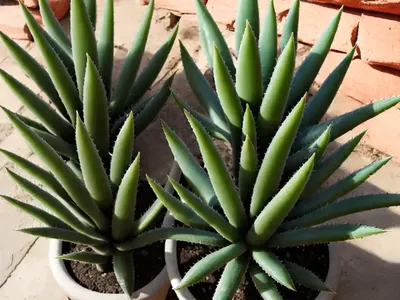
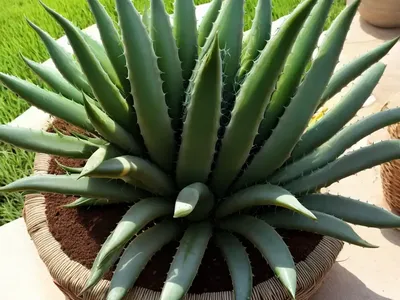
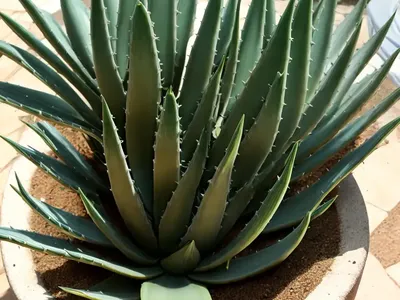
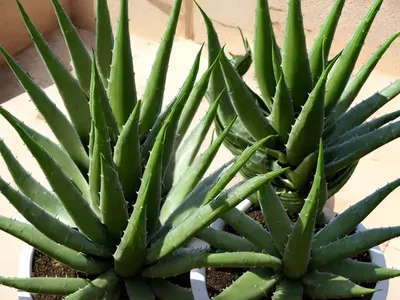
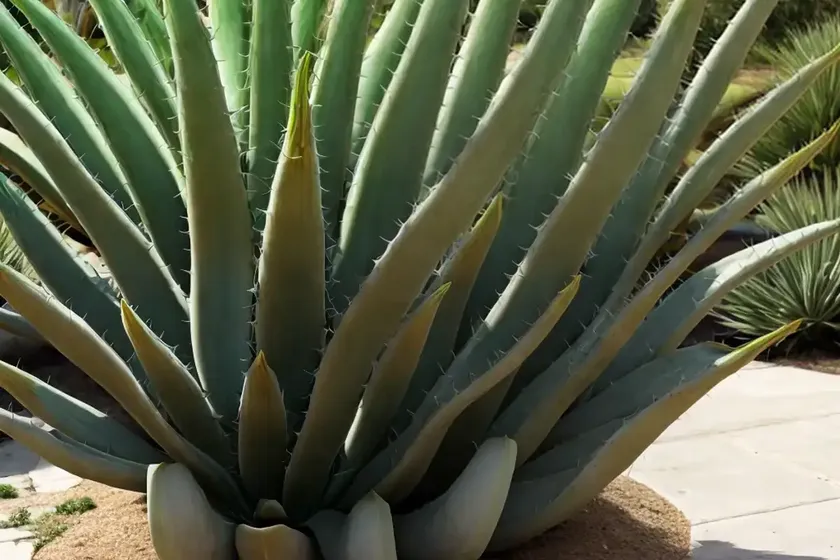
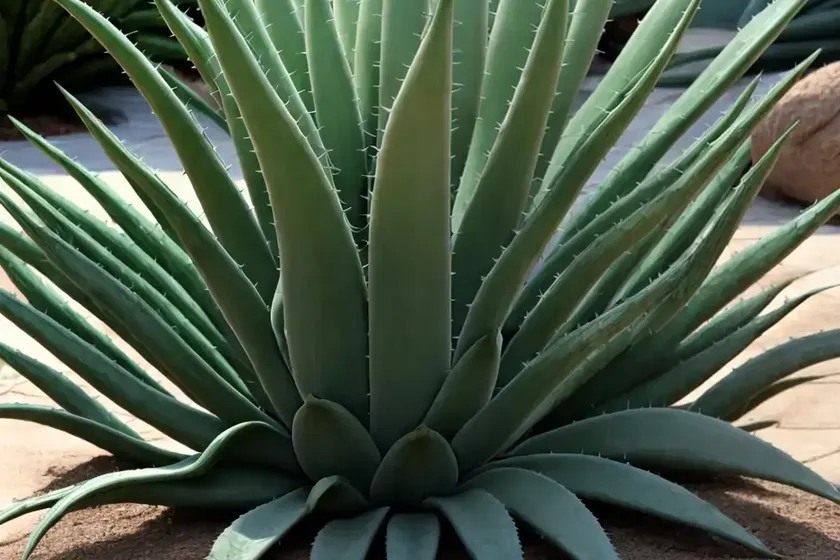
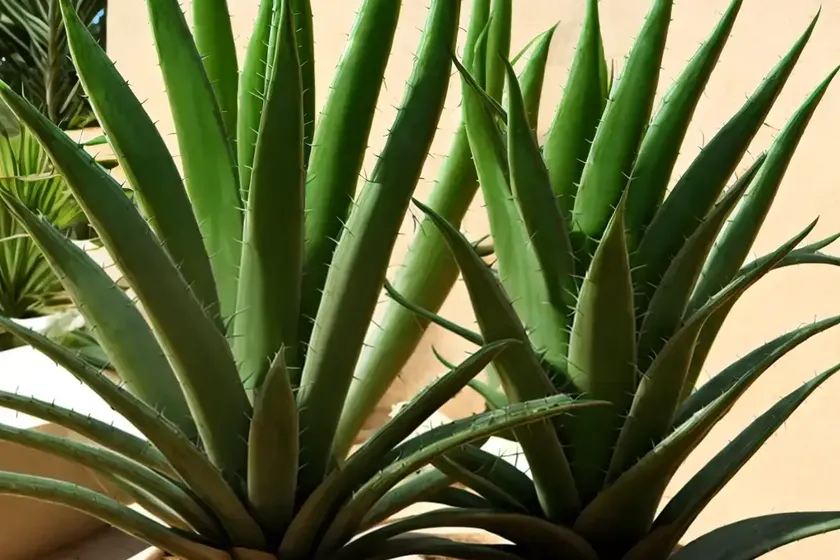
Yucca aloifolia is characterized by its dense rosettes of stiff, sword-shaped leaves that can reach a height of 10 to 15 feet (3 to 4.5 meters). The leaves are often armed with sharp, terminal spines, and the plant produces white, bell-shaped flowers on tall, showy spikes.
Key Takeaways – Aloe Yucca (Yucca aloifolia)
Culture
- Aloe Yucca is a hardy and resilient plant that thrives in a variety of environmental conditions, making it an excellent choice for landscaping and decorative purposes.
- Its architectural form and striking foliage make it a popular choice for xeriscaping and Mediterranean-style gardens.
Uses
- Aloe Yucca has a wide range of practical and decorative uses, including landscaping, erosion control, and as a focal point in garden designs.
- The plant’s leaves have been traditionally used by indigenous peoples for various purposes, including making baskets, ropes, and soap.
Water
- Aloe Yucca is highly drought-tolerant once established, and it is important to avoid overwatering, especially in humid or wet climates.
Sunlight
- This plant thrives in full sun to partial shade, making it suitable for a variety of garden settings.
Fertilizer
- While Aloe Yucca is relatively low-maintenance, it benefits from the occasional application of a balanced, all-purpose fertilizer during the growing season.
Soil
- A well-draining, sandy soil is ideal for Aloe Yucca, and it is essential to avoid waterlogged conditions.
Pruning
- Pruning is generally minimal and primarily focuses on the removal of dead or damaged leaves to maintain the plant’s appearance.
Propagation
- Aloe Yucca can be propagated from offsets, division of rhizomes, or from seeds, providing opportunities for expanding your plant collection or sharing with friends and family.
Container Popularity
- Aloe Yucca’s adaptability makes it well-suited for container gardening, allowing it to be grown indoors or on patios and balconies in regions with colder climates.
Common Diseases
- Aloe Yucca is relatively resistant to pests and diseases, but it may occasionally encounter issues such as root rot in poorly drained soils.
Disease Diagnosis
- Understanding the common diseases and potential stressors that can affect Aloe Yucca will help maintain the health and vitality of the plant.
Common Pests
- Aloe Yucca is relatively resilient to pests, but occasional encounters with scale insects and mealybugs can occur, particularly in indoor settings.
Botanist’s Tips
- Learning from the expertise of botanists and experienced gardeners can provide valuable insights for successfully caring for Aloe Yucca in various environments.
Fun Facts
- Discovering the unique and interesting aspects of Aloe Yucca adds to the appreciation and enjoyment of this remarkable plant.
Links to External Resources
- Relevant resources and references are provided throughout this guide to further enrich your understanding of Aloe Yucca care and cultivation.
Now, let’s delve deeper into each of these aspects to provide an in-depth understanding of Aloe Yucca care and cultivation.
Aloe Yucca (Yucca aloifolia) Care and Cultivation
Aloe Yucca Planting Guide
When considering the planting and care of Aloe Yucca, it is essential to take into account its natural habitat and growth requirements. The following factors are crucial for successful cultivation:
Sunlight Requirements
- Aloe Yucca thrives in full sun to partial shade and requires at least six hours of direct sunlight daily. When grown in partial shade, the plant may have elongated growth and fewer flowers.
Soil Preferences
- A well-draining soil is essential for Aloe Yucca, as it is susceptible to root rot in waterlogged conditions. Sandy or gravelly soils with a slightly acidic to neutral pH are ideal.
Water Needs
- Aloe Yucca is highly drought-tolerant once established. Therefore, it is crucial to allow the soil to dry out between waterings, especially in humid or wet climates.
Winter Care
- In regions with cold winter temperatures, it is important to protect Aloe Yucca from excessive moisture and frost. Providing a layer of mulch around the base of the plant can help insulate it during winter.
Fertilization
- Aloe Yucca generally requires minimal fertilization. However, applying a balanced, all-purpose fertilizer in spring can support healthy growth and flowering.
Yucca aloifolia Cultivation
Cultivating Aloe Yucca can be a rewarding experience, whether in a garden bed, as a focal point in a landscape, or in a container. Here are the key considerations for successful cultivation:
Outdoor Cultivation
- When cultivating Aloe Yucca outdoors, select a location with well-draining soil and ample sunlight. Ensure proper spacing to accommodate the plant’s mature size and provide adequate airflow.
Indoor Care
- Aloe Yucca is well-suited for indoor cultivation in containers, provided it receives sufficient sunlight. Select a well-draining potting mix and a container with drainage holes to prevent waterlogging.
Arid Climates
- Aloe Yucca thrives in arid and semi-arid climates due to its drought tolerance and low water requirements. It can be a valuable addition to xeriscapes and water-efficient landscapes.
Aloe Yucca Propagation
Propagation offers an opportunity to expand your Aloe Yucca collection or share this captivating plant with others. Here are the primary methods of propagation:
Offsets
- Aloe Yucca produces offsets, also known as “pups,” around the base of the plant. These can be carefully separated from the parent plant and replanted to establish new specimens.
Division of Rhizomes
- Dividing the rhizomes of mature Aloe Yucca plants allows for the creation of new plants with established root systems.
Seeds
- While Aloe Yucca can be grown from seeds, this method requires patience, as it may take several years for the plants to reach maturity and flower.
Yucca Plants for Landscaping
Aloe Yucca’s striking appearance and low-maintenance nature make it an excellent choice for landscaping. Whether used as a focal point, accent plant, or in mass plantings, Aloe Yucca adds visual interest to various settings, including:
Gardens
- Aloe Yucca is well-suited for both formal and informal garden designs, adding a sculptural and exotic element to the landscape.
Xeriscapes
- In water-efficient landscapes, Aloe Yucca serves as a key architectural element, providing structure and textural contrast to drought-tolerant plantings.
Containers
- The adaptability of Aloe Yucca makes it an ideal candidate for container gardening, bringing its striking form to patios, balconies, and outdoor living spaces.
Wildlife Attractant
- The flowers of Aloe Yucca attract pollinators, including bees and butterflies, adding ecological value to the landscape.
Aloe Yucca Growth Requirements
Understanding the growth requirements of Aloe Yucca is essential for creating an environment that supports its health and vitality. Key considerations include:
Climate Adaptability
- Aloe Yucca is highly adaptable to a range of climates, including coastal regions, arid environments, and subtropical areas.
Drought Resistance
- The plant’s ability to thrive in dry conditions makes it an asset in water-wise landscapes and regions with limited rainfall.
Architectural Qualities
- The architectural form and striking foliage of Aloe Yucca contribute to its appeal as a focal point or accent plant in garden designs.
Yucca Plant Care Tips
Providing proper care for Aloe Yucca ensures its long-term health and vitality. Consider the following care tips to optimize the growth and appearance of your plants:
Watering
- Allow the soil to dry out between waterings, especially in humid or wet climates, to prevent issues such as root rot.
Pruning
- Remove dead or damaged leaves as needed to maintain the plant’s appearance and overall health.
Soil Management
- Use well-draining, sandy soil and avoid waterlogged conditions to prevent root rot and other moisture-related issues.
Sunlight Exposure
- Ensure that Aloe Yucca receives adequate sunlight, as this is essential for healthy growth and flowering.
Aloe Yucca Common Uses
Aloe Yucca is valued for its practical and decorative uses, making it a versatile and valuable addition to various settings. Common uses of Aloe Yucca include:
Landscaping
- Aloe Yucca is a popular choice for landscaping due to its striking appearance, low-maintenance nature, and adaptability to different environments.
Erosion Control
- The deep and extensive roots of Aloe Yucca make it effective for stabilizing soil and preventing erosion in landscapes and coastal areas.
Architectural Focus
- Aloe Yucca serves as an architectural focal point, adding visual interest and structure to garden designs and outdoor spaces.
Traditional Uses
- Indigenous peoples have historically utilized the leaves of Aloe Yucca for crafting items such as baskets, ropes, and soap.
Yucca aloifolia Container Gardening
Aloe Yucca’s adaptability makes it well-suited for container gardening, offering opportunities for indoor and outdoor cultivation in various settings. Consider the following tips for successful container gardening with Aloe Yucca:
Potting Mix
- Select a well-draining potting mix that mimics the plant’s natural growing conditions, providing ample aeration and preventing waterlogging.
Container Selection
- Choose a container with drainage holes to allow excess water to escape, reducing the risk of root rot and other moisture-related issues.
Indoor/Outdoor Versatility
- Aloe Yucca’s adaptability allows it to thrive indoors or outdoors, making it a versatile choice for container gardening in diverse climates.
Aloe Yucca Natural Habitat
Aloe Yucca is native to coastal areas of the southeastern United States, where it thrives in a variety of habitats. Understanding its natural habitat provides valuable insights into its preferred growing conditions:
Coastal Regions
- Aloe Yucca is well-adapted to coastal environments, where it benefits from well-draining soils and exposure to sunlight and salt-laden winds.
Drought-Tolerant Habitats
- The plant’s natural habitat includes dry, sandy soils, and it exhibits excellent drought tolerance once established.
Wildlife Interaction
- Aloe Yucca’s flowers attract pollinators, contributing to the biodiversity of its natural habitat and the broader ecosystem.
Yucca aloifolia Common Diseases
While Aloe Yucca is relatively resistant to pests and diseases, it may occasionally encounter issues that can impact its health and appearance. Common diseases that may affect Aloe Yucca include:
Root Rot
- Prolonged exposure to excess moisture and poorly draining soils can lead to root rot, impacting the plant’s overall health.
Leaf Spot
- Fungal infections can cause unsightly leaf spots, particularly in conditions of high humidity or poor air circulation.
Pest Infestations
- While Aloe Yucca is generally resilient to pests, occasional encounters with scale insects and mealybugs may occur, especially when grown indoors.
Disease Diagnosis and Treatment
Effectively diagnosing and addressing diseases and stressors is essential for maintaining the health and vitality of Aloe Yucca. Consider the following steps for disease diagnosis and treatment:
Observation
- Regularly inspect your Aloe Yucca plants for any signs of disease, including changes in leaf color, wilting, or unusual spots or growths.
Corrective Actions
- Address any underlying issues, such as overwatering, poor drainage, or inadequate sunlight, to prevent disease development and promote plant health.
Treatment Options
- If disease or pest issues arise, consider targeted treatment options, such as fungicides or insecticidal soaps, following label instructions and precautions.
Aloe Yucca Sunlight Requirements
Aloe Yucca thrives in full sun to partial shade, making it adaptable to a variety of garden settings. Understanding its sunlight requirements is essential for providing optimal growing conditions:
Full Sun Exposure
- Aloe Yucca performs best when provided with at least six hours of direct sunlight daily, leading to robust growth and prolific flowering.
Partial Shade Tolerance
- While Aloe Yucca prefers full sun, it can tolerate partial shade, but it may exhibit elongated growth and reduced flowering in lower light conditions.
Yucca Plant Benefits
Aloe Yucca offers numerous benefits in both practical and ornamental contexts, making it a valuable addition to diverse landscapes and garden designs. Consider the following benefits of Aloe Yucca:
Drought Tolerance
- Aloe Yucca’s ability to thrive in dry conditions makes it an ideal choice for water-wise landscapes and regions with limited rainfall.
Architectural Appeal
- The striking form and foliage of Aloe Yucca add an architectural element to garden designs, providing visual interest and structure.
Low-Maintenance Nature
- Aloe Yucca is relatively low-maintenance, requiring minimal care once established, and is well-suited for busy gardeners and landscapes with limited maintenance resources.
Yucca aloifolia Architectural Plant
Aloe Yucca’s architectural qualities make it a standout feature in garden designs, contributing to the overall aesthetic and functional appeal of the landscape. As an architectural plant, Aloe Yucca offers the following characteristics:
Structural Form
- Aloe Yucca’s dense rosettes of stiff, sword-shaped leaves create a striking silhouette, adding a sculptural and textural element to garden compositions.
Focal Point
- When strategically placed, Aloe Yucca can serve as a focal point, drawing attention and creating visual impact within the landscape.
Landscape Structure
- Aloe Yucca contributes to the structural framework of garden designs, providing year-round interest and an enduring presence in the landscape.
Aloe Yucca Medicinal Uses
In addition to its ornamental and practical applications, Aloe Yucca has historical and potential medicinal uses. While further research is needed to validate its medicinal properties, the plant has been associated with the following uses:
Traditional Medicine
- Indigenous cultures have traditionally utilized Aloe Yucca for various medicinal purposes, including treatments for skin conditions and digestive ailments.
Anti-Inflammatory Properties
- Certain compounds found in Aloe Yucca have been suggested to possess anti-inflammatory properties, potentially offering therapeutic benefits.
Healing Properties
- The sap and extracts of Aloe Yucca have been used in traditional medicine for wound healing and soothing skin irritations.
Aloe Yucca Drought-Resistant Species
Aloe Yucca is renowned for its exceptional drought tolerance, making it an ideal choice for water-wise landscapes and regions with limited water resources. As a drought-resistant species, Aloe Yucca offers the following advantages:
Water Efficiency
- Aloe Yucca’s minimal water requirements contribute to water conservation efforts and promote sustainable landscaping practices.
Adaptation to Arid Environments
- The plant’s natural tolerance to arid and semi-arid climates makes it well-suited for xeriscapes and water-efficient landscapes.
Low-Irrigation Landscapes
- Including Aloe Yucca in low-irrigation landscapes reduces the reliance on supplemental watering, supporting environmentally conscious gardening practices.
Yucca aloifolia Decorative Qualities
Aloe Yucca’s aesthetic appeal and decorative qualities make it a sought-after plant for ornamental use in diverse settings. Consider the following decorative qualities of Aloe Yucca:
Visual Impact
- Aloe Yucca’s striking foliage and architectural form create visual impact, making it an excellent choice for garden focal points and landscape compositions.
Textural Contrast
- The unique texture of Aloe Yucca’s leaves offers contrast and dimension in garden designs, complementing a range of companion plants and landscape elements.
Year-Round Interest
- Aloe Yucca provides year-round interest with its evergreen foliage and occasional flowering, enhancing the overall beauty and appeal of garden settings.
Aloe Yucca Toxicity Information
As with many plants, it is important to be aware of potential toxicity concerns associated with Aloe Yucca, particularly in relation to pets and children. Consider the following toxicity information:
Saponins
- Aloe Yucca contains saponins, naturally occurring compounds that can be toxic if ingested in significant quantities, leading to digestive upset and other symptoms.
Precautions
- Take precautions to prevent accidental ingestion of Aloe Yucca by pets and young children, and seek veterinary attention if ingestion is suspected.
Awareness
- Understanding the potential toxicity of Aloe Yucca allows for informed decision-making regarding its placement in gardens and homes with pets and children.
Yucca Plant Care Mistakes to Avoid
Avoiding common care mistakes is essential for promoting the health and longevity of Aloe Yucca plants. The following are critical care mistakes to avoid when cultivating Aloe Yucca:
Overwatering
- Overwatering can lead to root rot and other moisture-related issues, so it is essential to allow the soil to dry out between waterings.
Poor Drainage
- Planting Aloe Yucca in poorly draining soils or containers without drainage holes can lead to waterlogged conditions and subsequent root rot.
Inadequate Sunlight
- Insufficient sunlight can result in leggy growth and reduced flowering, so it is crucial to provide ample sunlight for the plant’s health and vitality.
Aloe Yucca Natural Insect Repellent
While primarily valued for its ornamental and practical uses, Aloe Yucca also possesses natural insect-repellent properties, making it a beneficial addition to gardens and landscapes. Consider the following aspects of Aloe Yucca as a natural insect repellent:
Pest-Resistant Qualities
- Aloe Yucca’s natural compounds may contribute to its resistance to certain pests and serve as a deterrent to insect infestations in garden settings.
Ecological Benefits
- In addition to its aesthetic appeal, Aloe Yucca’s insect-repellent properties contribute to ecological balance and the overall health of garden ecosystems.
Companion Planting
- Incorporating Aloe Yucca into garden designs can offer natural pest control benefits, supporting a harmonious and balanced plant community.
Yucca aloifolia Container Plant Suggestions
When selecting and caring for Aloe Yucca in containers, it is essential to