Baker Aloe (Aloe Bakeri)
Plants play a crucial role in maintaining the ecological balance and sustaining life on earth. They provide us with food, medicine, oxygen, and a soothing.
Plants play a crucial role in maintaining the ecological balance and sustaining life on earth. They provide us with food, medicine, oxygen, and a soothing environment. Among the myriad of plant species, the Baker Aloe (Aloe Bakeri), stands out as a fascinating and beneficial plant for both indoor and outdoor cultivation. In this comprehensive guide, we will delve into the various aspects of Baker Aloe, including its characteristics, care requirements, uses, and much more. Whether you are an experienced gardener or a novice plant enthusiast, this guide will equip you with all the necessary knowledge to nurture and enjoy the beauty of this remarkable plant.
What is Baker Aloe (Aloe Bakeri)?
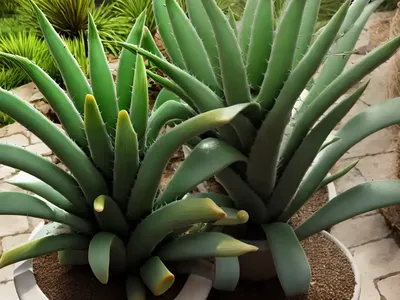
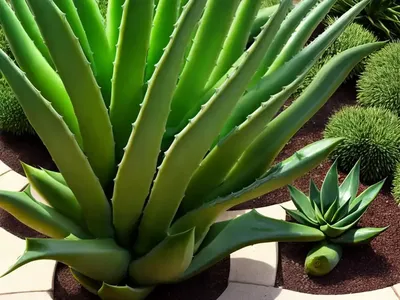
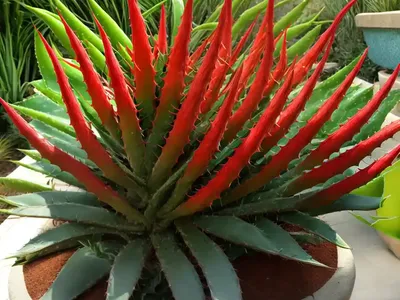
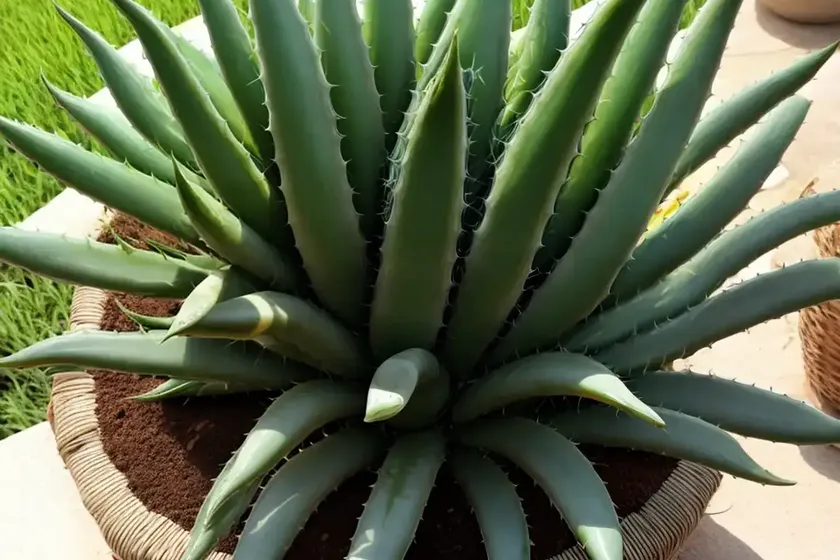
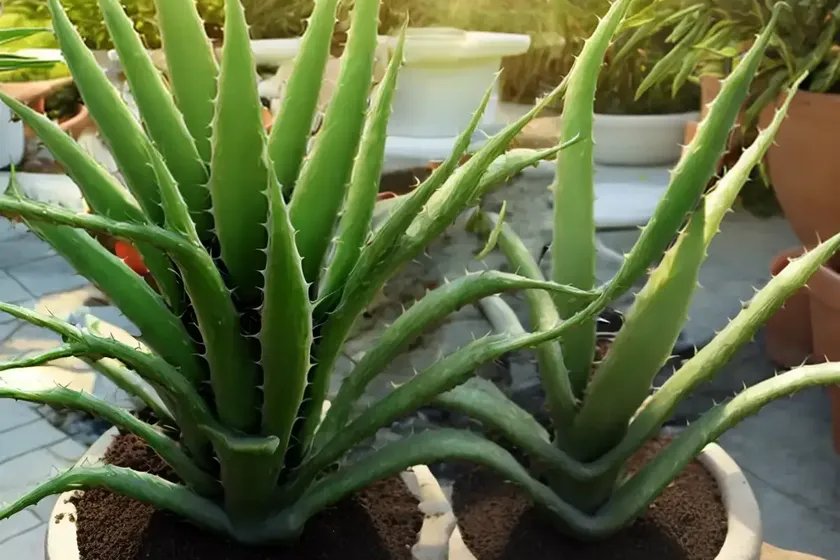
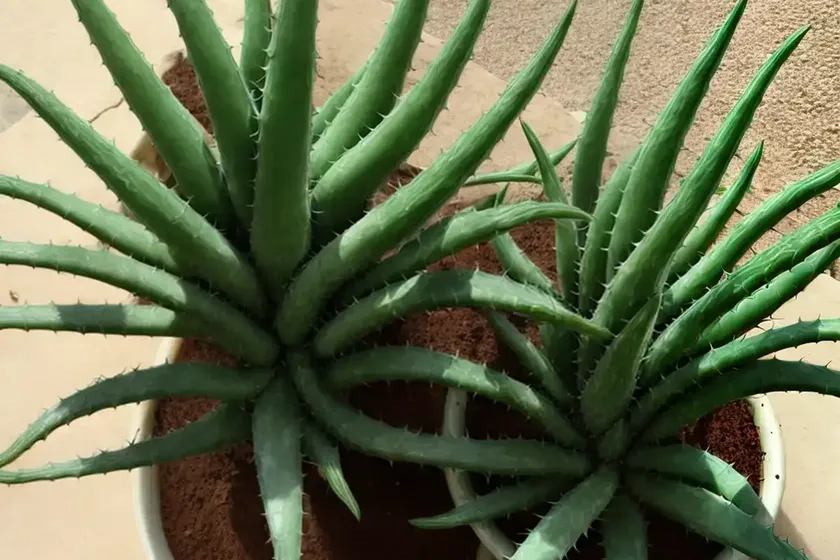
Aloe Bakeri, commonly known as Baker Aloe, is a striking succulent plant that belongs to the Aloe genus. It is native to arid regions of Madagascar and is highly esteemed for its ornamental value, medicinal properties, and adaptability to diverse environmental conditions. The plant is characterized by its rosette-shaped foliage, boasting vibrant green leaves adorned with intriguing patterns and spiny edges. Baker Aloe is a relatively slow-growing plant, but it can eventually reach an impressive size, making it a perfect choice for both indoor and outdoor landscaping.
Key Takeaways
Before diving into the specifics of Baker Aloe care, let’s explore the key takeaways of this remarkable plant.
- Botanical Name: Aloe Bakeri
- Common Name: Baker Aloe
- Plant Type: Succulent
- Native Habitat: Madagascar
- Watering Requirements: Moderate
- Sunlight Preferences: Full to partial sun
- Soil Needs: Well-draining, sandy soil
- Propagation: Offsets, seeds, stem cuttings
- Uses: Ornamental, medicinal
- Growth Habits: Slow-growing, clumping
- Common Pests: Mealybugs, scale insects
- Common Diseases: Root rot, leaf spots
- Container Gardening: Well-suited
- Popular Varieties: Aloe Bakeri variegata, Aloe Bakeri black gem
- Fun Fact: Baker Aloe is a close relative of Aloe Vera and shares many of its medicinal properties.
Now, let’s delve into the various facets of Baker Aloe, from its cultivation and care to its uses and maintenance.
Culture
Cultivating Baker Aloe offers a rewarding experience to plant enthusiasts due to its relatively low maintenance requirements and striking appearance. Whether grown outdoors in gardens, landscapes, or indoors in containers, understanding the cultural needs of Baker Aloe is crucial for its optimal growth and development.
Uses
The versatile Baker Aloe serves a myriad of purposes, making it a valuable addition to any garden or indoor space. Here are some common uses of Baker Aloe:
- Ornamental Plant: The striking foliage of Baker Aloe adds visual interest to any garden or landscape. Its rosette form and distinctive leaf patterns make it an attractive focal point in succulent gardens or rockeries.
- Medicinal Purposes: Similar to its close relative Aloe Vera, Baker Aloe possesses medicinal properties. The gel found in its leaves is known for its soothing and healing properties, often used to treat minor burns, skin irritations, and wounds.
- Container Plant: Due to its compact size and slow growth, Baker Aloe is ideally suited for container gardening, making it a perfect choice for indoor or patio spaces.
Water
Proper watering is essential for the health and vitality of Baker Aloe. While this succulent is known for its drought tolerance, it still requires regular watering to thrive. The key to successful watering lies in finding the right balance to prevent waterlogged soil, which can lead to root rot, while avoiding under-watering, which can cause the plant to wither.
Watering Requirements:
- Frequency: Water Baker Aloe deeply but infrequently, allowing the soil to dry out partially between waterings.
- Seasonal Adjustment: During the active growing season in spring and summer, increase the frequency of watering. In contrast, reduce watering during the plant’s dormancy in fall and winter.
- Soil Moisture: Ensure that the soil is well-draining to prevent water retention around the plant’s roots.
Sunlight
Like most succulent plants, Baker Aloe thrives in bright, indirect light or full sun exposure. Providing adequate sunlight is crucial for promoting healthy growth and vibrant leaf coloration in this plant.
Sunlight Preferences:
- Outdoor Cultivation: Select a location with full sun exposure, ensuring that Baker Aloe receives at least 6-8 hours of sunlight per day.
- Indoor Care: Place indoor specimens near a south-facing window to provide the necessary light intensity for optimum growth.
- Light Intensity: While Baker Aloe requires ample sunlight, it is important to protect it from intense, direct sunlight, especially during the hottest part of the day.
Fertilizer
Proper fertilization plays a significant role in promoting robust growth and enhancing the ornamental value of Baker Aloe. However, it is important to approach fertilization with moderation, as excessive nutrients can lead to undesirable effects such as leggy growth and susceptibility to diseases.
Fertilizer Recommendations:
- Frequency: Apply a balanced, water-soluble fertilizer at quarter or half strength every 2-4 weeks during the growing season. Refrain from fertilizing during the plant’s dormant period in fall and winter.
- **Dilution: ** Dilute the fertilizer to avoid overwhelming the plant with concentrated nutrients, which can cause root burn and leaf damage.
- Application Method: Apply the fertilizer to moist soil, allowing it to permeate to the root zone. Avoid direct contact with the leaves to prevent potential burning.
Soil
The choice of soil medium significantly impacts the overall health and vigor of Baker Aloe. Opting for a well-draining, nutrient-rich soil blend is essential to ensure that the plant’s roots receive adequate aeration and moisture control.
Soil Needs:
- Composition: Use a well-draining soil mix with a high proportion of coarse sand or perlite to enhance drainage and prevent waterlogging.
- Acidity: Baker Aloe prefers a slightly acidic to neutral soil pH range between 6.0 to 7.0. Regular monitoring of the soil pH can help maintain an optimal growing environment.
- Aeration: Incorporate organic matter such as peat moss or coconut coir to improve soil structure and aeration, promoting healthy root development.
Pruning
Pruning is an essential aspect of Baker Aloe maintenance, focusing on the removal of spent leaves, dried foliage, and offsets to maintain the plant’s health and aesthetics.
Pruning Techniques:
- Dead Leaf Removal: Regularly remove dried or browned leaves at the base of the plant to maintain a neat appearance and enhance air circulation around the foliage.
- Offset Management: As Baker Aloe produces offsets or “pups,” prune them carefully to propagate new plants or to prevent overcrowding, which can lead to increased susceptibility to pests and diseases.
- Pruning Tools: Use clean, sharp pruning shears to make precise cuts, minimizing the risk of damage to the plant and reducing the likelihood of disease transmission.
Propagation
Multiplying Baker Aloe through propagation allows for the expansion of your plant collection or the sharing of this remarkable species with fellow enthusiasts. There are several methods of propagation suitable for Baker Aloe, each with its own advantages and considerations.
Propagation Methods:
- Offset Division: Carefully separate the offsets or “pups” from the main plant, ensuring that each division has its own roots. Replant the offsets in well-draining soil to encourage new growth.
- Stem Cuttings: Select a healthy, mature stem and cut it into sections, allowing the cut ends to callus before planting them in a suitable propagation medium.
- Seed Sowing: Harvest seeds from mature Baker Aloe plants and sow them in a well-draining seed starting mix, maintaining adequate moisture and warmth for successful germination.
Container Popularity
Baker Aloe is a popular choice for container gardening due to its compact size, slow growth habit, and striking appearance. Growing this succulent in containers allows for ease of mobility and provides the flexibility to create stunning indoor or outdoor displays.
Container Gardening Tips:
- Container Type: Choose a container with adequate drainage holes to prevent water accumulation. Terra cotta or clay pots are excellent choices, as they facilitate airflow to the roots.
- Drainage Layer: Add a layer of gravel or horticultural charcoal at the bottom of the container to improve drainage and prevent soil compaction.
- Growing Medium: Utilize a well-draining potting mix specially formulated for succulents and cacti to ensure optimal growth and moisture regulation.
- Indoor Placement: Position the container near a sunny window to provide the necessary light for the plant’s growth and development.
Common Diseases
While Baker Aloe is known for its resilience, it is still susceptible to certain diseases, particularly if its cultural requirements are not met. Being vigilant about early signs of diseases and promptly addressing them is crucial to ensuring the plant’s long-term health and vitality.
Disease Diagnosis:
- Root Rot: Overwatering or poorly draining soil can lead to root rot in Baker Aloe, characterized by mushy, discolored roots. Reduce watering and improve soil drainage to mitigate the risk of root rot.
- Leaf Spot: Fungal infections or bacterial pathogens can cause unsightly spots or lesions on Baker Aloe leaves. Apply appropriate fungicidal treatments and ensure proper airflow to prevent the spread of the disease.
- Pest Infestation: Prolonged stress from pests such as mealybugs and scale insects can weaken Baker Aloe, making it more susceptible to diseases. Regularly inspect the plant for signs of pests and take necessary measures to control their population.
Common Pests
The resilience of Baker Aloe makes it relatively resistant to pest infestations. However, certain pests can still pose a threat to the plant, necessitating proactive pest management strategies.
Common Pests:
- Mealybugs: These small, cottony insects often gather in leaf axils and the undersides of leaves, feeding on plant sap and secreting honeydew. Control mealybug infestations through manual removal, insecticidal soap sprays, or neem oil applications.
- Scale Insects: Scale insects can appear as hard or soft scales on Baker Aloe, primarily feeding on plant sap. Use horticultural oil sprays or natural predators to manage scale infestations effectively.
- Spider Mites: High temperatures and dry conditions can create favorable environments for spider mite infestations. Regularly misting the plant, promoting humidity, and utilizing insecticidal sprays can help control spider mite populations.
Botanist’s Tips
As a plant scientist with a particular interest in succulent plants, here are some valuable tips to ensure the successful cultivation and enjoyment of Baker Aloe:
- Moderation is Key: Exercise caution with watering and fertilization, as excessive moisture and nutrients can lead to undesirable effects such as root rot and leggy growth.
- Environmental Adaptability: Baker Aloe demonstrates impressive adaptability to various environmental conditions, making it well-suited for both indoor and outdoor cultivation in a wide range of climates.
- Observation and Vigilance: Regularly inspect Baker Aloe for signs of pests, diseases, or nutrient deficiencies, enabling prompt intervention to maintain the plant’s vigor.
- Propagation Techniques: Explore the various propagation methods to expand your Baker Aloe collection and share the joy of cultivating this remarkable succulent with others.
Fun Facts
Uncover some fascinating and lesser-known facts about Baker Aloe, shedding light on its unique characteristics and contributions to the botanical world.
- Taxonomic Significance: Baker Aloe was named in honor of the renowned British botanist John Gilbert Baker, recognizing his valuable contributions to the field of botany.
- Varied Leaf Patterns: The leaves of Baker Aloe exhibit an array of patterns, ranging from solid green to variegated forms with contrasting stripes and markings, adding to its ornamental allure.
- Drought Tolerance: As an adaptation to its native habitat in arid regions, Baker Aloe has developed remarkable drought tolerance, requiring minimal water to survive and thrive.
Links to External Resources
Explore the following resources for additional information and inspiration on Baker Aloe cultivation, care, and ornamental uses:
- The American Horticultural Society
- Royal Horticultural Society
- University of California Agriculture and Natural Resources
- Global Invasive Species Database
Conclusion
Baker Aloe (Aloe Bakeri) stands out as a remarkable addition to both indoor and outdoor plant collections, offering striking visual appeal, minimal maintenance requirements, and the potential for medicinal use. By understanding its cultural needs, propagation methods, and pest management strategies, plant enthusiasts can cultivate thriving Baker Aloe specimens and appreciate their ornamental and practical contributions. Whether you are drawn to its sculptural foliage, its healing properties, or its adaptability to various environmental conditions, Baker Aloe is undoubtedly a plant worthy of admiration and cultivation. Embrace the beauty and resilience of Baker Aloe and immerse yourself in the rewarding art of succulent gardening.
This comprehensive guide aims to provide plant enthusiasts with valuable insights into the cultivation, care, and uses of Baker Aloe (Aloe Bakeri). From its unique characteristics to its propagation methods and environmental adaptability, this guide equips readers with the knowledge to foster thriving Baker Aloe specimens in their gardens and indoor spaces. Whether you seek ornamental appeal, medicinal properties, or a resilient plant companion, Baker Aloe offers a multitude of virtues to admire and enjoy in the realm of botanical fascination and appreciation.