Aloidendron Barberae (Tree Aloe)
Aloidendron barberae, commonly known as Tree Aloe or Aloe barberae, is a striking succulent tree native to the southern and eastern regions of Africa. This.
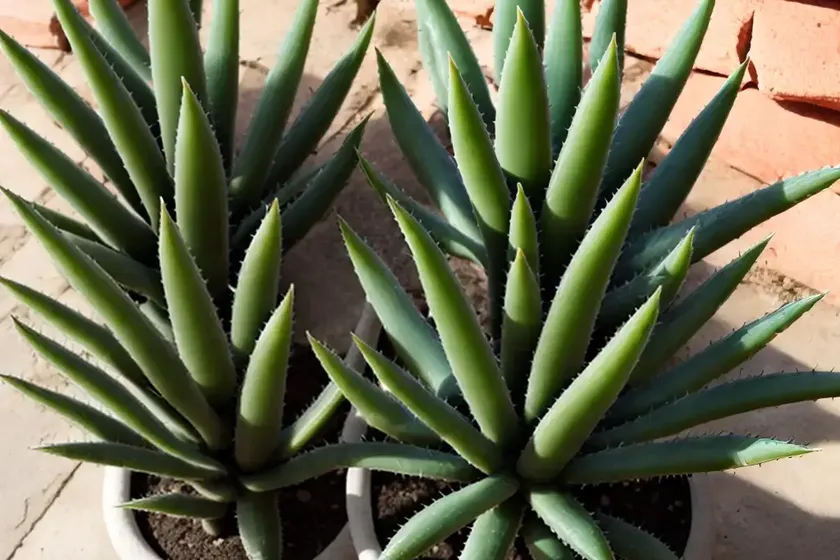
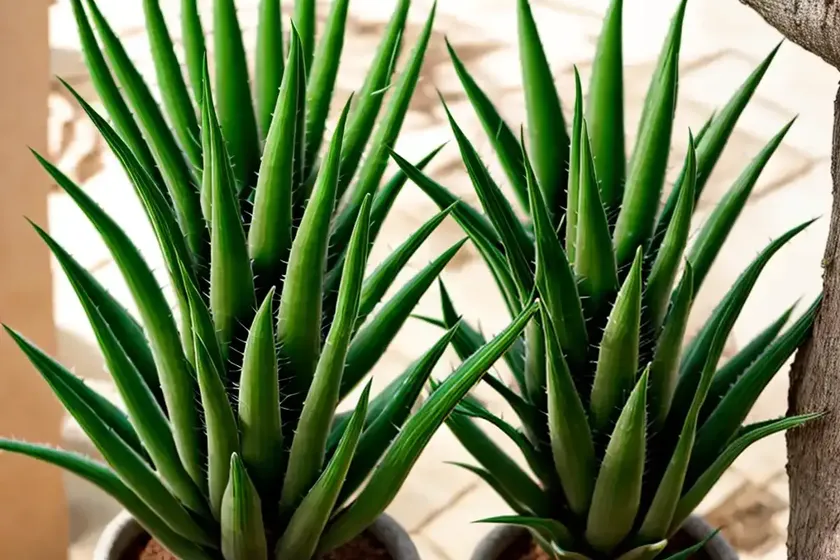
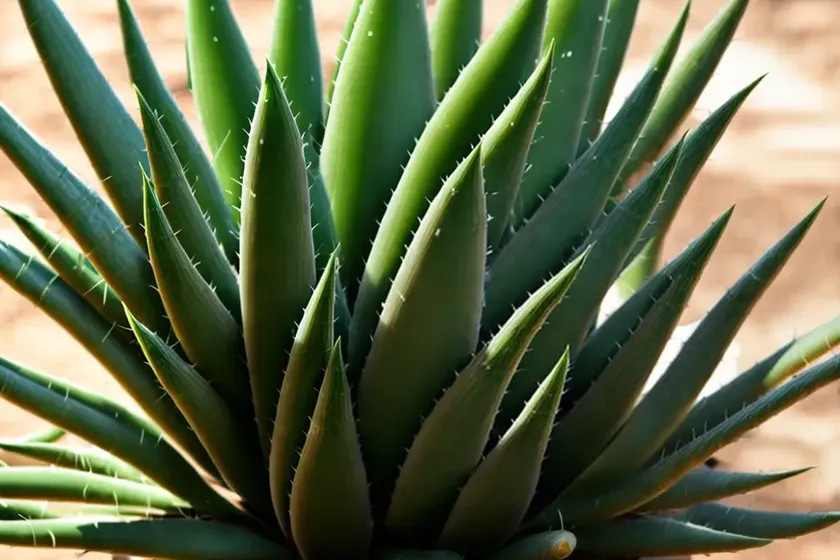
Aloidendron barberae, commonly known as Tree Aloe or Aloe barberae, is a striking succulent tree native to the southern and eastern regions of Africa. This magnificent plant belongs to the Asphodelaceae family and is widely cherished for its imposing presence and outstanding drought tolerance. With its remarkable adaptation to arid climates and its breathtaking beauty, Aloidendron barberae has secured a special place in the hearts of plant enthusiasts and landscapers worldwide.
In this comprehensive guide, we will delve into the captivating world of Aloidendron barberae, exploring its cultural significance, growth habits, care requirements, and so much more. Join me on this fascinating journey as we unravel the wonders of this remarkable succulent tree and gain valuable insights into its landscape uses, ecological importance, and cultural significance.
Key Takeaways – Aloidendron barberae (Tree Aloe)
Before we proceed with an in-depth exploration of Aloidendron barberae, let’s take a quick look at some key aspects that we will be discussing in this guide:
- Classification: Aloidendron barberae is a distinctive succulent tree species belonging to the Asphodelaceae family.
- Growth Habits: Known for its imposing presence, Aloidendron barberae can reach significant heights and boasts a characteristic branched structure.
- Cultural Significance: This species holds historical and cultural significance in various regions, serving as a symbol of resilience and adaptability.
- Landscape Uses: Aloidendron barberae is widely employed in landscaping due to its striking appearance and ability to thrive in challenging environments.
- Care Requirements: Understanding the water, sunlight, soil, and maintenance needs of Tree Aloe is essential for ensuring its optimal growth and vitality.
Now that we have a glimpse of what lies ahead, let’s embark on our exploration of the captivating Aloidendron barberae.
Aloidendron barberae, formerly classified as Aloe barberae, is a succulent tree species renowned for its impressive size, striking appearance, and remarkable drought tolerance. Native to the warm and arid climates of southern and eastern Africa, this species thrives in regions characterized by well-drained sandy or rocky soils and ample sunlight. Its common name, Tree Aloe, aptly reflects its resemblance to the Aloe genus’s characteristic rosette-forming succulents, despite its unique status as a tree.
The distinctively vertical growth and branching structure of Aloidendron barberae contribute to its imposing presence, making it a standout feature in any landscape. Its trunk, which can attain considerable girth, is adorned with charming grayish bark and is capped by a crown of slender, elongated leaves that create a visually striking silhouette. When the plant reaches maturity, it produces breathtaking clusters of vibrant coral-colored flowers, beckoning pollinators and adding a spectacular burst of color to its surroundings.
Aloidendron barberae Classification
Scientific Classification:
- Kingdom: Plantae
- Order: Asparagales
- Family: Asphodelaceae
- Genus: Aloidendron
- Species: Aloidendron barberae
This classification places Aloidendron barberae within the diverse and fascinating world of succulent plants, highlighting its distinctive attributes and evolutionary lineage.
Aloidendron barberae Growth Habits
Aloidendron barberae exhibits several notable growth habits and characteristics that contribute to its allure and popularity among plant enthusiasts and horticulturists. Let’s explore some of the key growth traits associated with this remarkable succulent tree:
- Stature: Aloidendron barberae is celebrated for its imposing height, often reaching 18 to 20 meters (60 to 66 feet) in its natural habitat. This vertical growth habit, combined with its branched structure, creates a truly commanding presence.
- Trunk: The trunk of Aloidendron barberae possesses a sturdy and substantial quality, with mature specimens developing a thick, grayish-brown, and lightly textured bark. This feature adds to the plant’s visual appeal and reinforces its resilience.
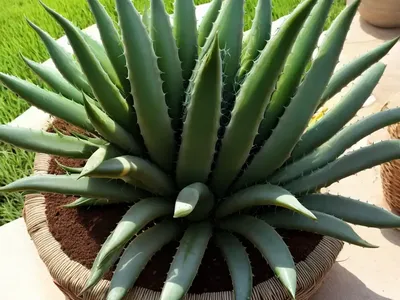
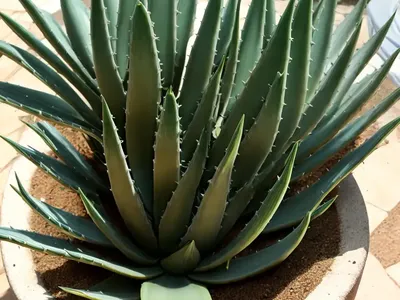
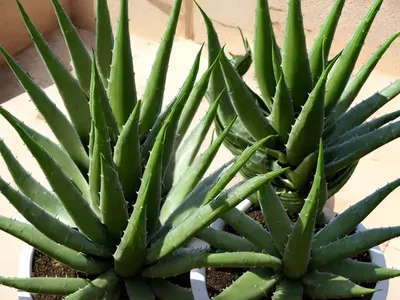
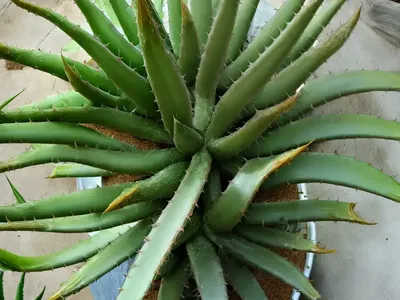
- Leaves: The leaves of Aloidendron barberae are long and narrow, with a deep green coloration and a graceful curvature. The leaf arrangement forms a distinctive rosette-like crown atop the trunk, contributing to the plant’s striking profile.
- Flowers: When in bloom, Aloidendron barberae produces magnificent clusters of tubular, coral-colored flowers. These blossoms attract pollinators such as birds and insects, enhancing the plant’s ecological impact and ornamental value.
Given these growth habits, Aloidendron barberae stands out as a charismatic and resilient addition to various landscapes, offering both visual splendor and ecological significance.
Uses
The cultural significance of Aloidendron barberae extends across various domains, encompassing historical, ecological, and horticultural contexts. Let’s explore the multifaceted uses and roles of Tree Aloe in different cultural spheres:
Historical and Mythological Significance
In its native range, Aloidendron barberae holds historical and mythological importance, often being intertwined with local folklore and traditional practices. Communities have revered this succulent tree for its resilience in harsh environments, viewing it as a symbol of endurance and fortitude amid challenging conditions. Its towering presence and ability to thrive in arid landscapes have garnered a place for Aloidendron barberae in the narratives of indigenous cultures, symbolizing perseverance and adaptation.
Ecological Contribution
Beyond its cultural symbolism, Aloidendron barberae plays a critical ecological role in its natural habitat, providing sustenance and shelter for a diverse array of wildlife. The nectar-rich flowers of Tree Aloe attract pollinators, including birds and insects, contributing to the local ecosystem’s biodiversity. Additionally, the plant’s robust and water-storing leaves offer a valuable resource for various herbivores and browsing animals, showcasing its significance as a keystone species within its environment.
Horticultural and Landscape Value
Aloidendron barberae’s remarkable appearance and resilience have positioned it as a cherished ornamental and landscaping specimen in diverse climates around the world. Its striking silhouette and enduring nature make it an ideal focal point in arid and semi-arid landscapes, where it imparts a sense of grandeur and vitality. Moreover, the plant’s adaptability to xeriscapes and low-water gardens has broadened its appeal, as it enables sustainable and water-wise landscaping practices in regions prone to drought.
The diverse cultural uses of Aloidendron barberae underscore its enduring significance and impact, transcending geographical boundaries and enriching the human experience with its timeless presence and symbolism.
Maintaining Aloidendron barberae in optimal health and vigor entails a comprehensive understanding of its specific care requirements, including water, sunlight, soil, and maintenance considerations. By adhering to the following guidelines, enthusiasts and horticulturists can cultivate and nurture Tree Aloe to ensure its sustained vitality and beauty.
Water
Aloidendron barberae exhibits exceptional drought tolerance, owing to its succulent nature and efficient water storage mechanisms. Understanding the plant’s water requirements and implementing appropriate irrigation practices are crucial for promoting its long-term well-being. Consider the following guidelines for effective water management:
Watering Guidelines
- Established Plants: Once established, Aloidendron barberae typically thrives with minimal supplemental watering, especially in regions with sufficient rainfall and well-drained soils. Prioritize natural rainfall as the primary source of moisture for mature specimens, supplementing it sparingly during prolonged dry spells.
- Young Plants: Newly planted or propagated Tree Aloe specimens require consistent moisture during the initial establishment phase. Water them regularly to facilitate root development and ensure a favorable growth trajectory.
- Container-Grown Specimens: In containers, Aloidendron barberae necessitates well-draining soil and moderate watering. Allow the soil to approach dryness between watering sessions and adjust the frequency based on environmental conditions and the plant’s moisture needs.
Adhering to these watering guidelines supports Aloidendron barberae’s resilience and fosters a balanced approach to water management, aligning with its natural adaptation to arid environments.
Drought Tolerance
The remarkable drought tolerance of Aloidendron barberae underpins its suitability for water-scarce landscapes and regions prone to extended dry periods. This trait empowers the plant to thrive in conditions where other ornamental trees may struggle, making it an invaluable component of water-wise gardening and sustainable landscape design. By harnessing its innate capacity to withstand arid conditions, Aloidendron barberae exemplifies resiliency and environmental adaptability, while also minimizing the need for intensive irrigation practices.
Sunlight
Appropriate exposure to sunlight is essential for promoting the healthy growth and development of Aloidendron barberae, ensuring its vitality and ornamental appeal. As a sun-loving succulent tree, Tree Aloe requires ample sunlight to thrive, and adherence to the following sunlight considerations is vital for its well-being:
Sunlight Requirements
- Full Sun: Aloidendron barberae flourishes in full sunlight, exhibiting optimal growth and vigor when afforded a minimum of six to eight hours of direct sunlight daily. Position it in a location where it can bask in abundant sunlight, such as a south-facing exposure, to harness the energy it needs for photosynthesis and physiological processes.
- Partial Shade: While tolerant of brief periods of partial shade, Aloidendron barberae is best suited for sun-drenched settings, where it can capitalize on the radiant energy essential for its metabolic functions. Minimize prolonged shade exposure, as insufficient sunlight may impede the plant’s growth and flowering potential.
By meeting the plant’s sunlight requirements, horticulturists and gardeners can cultivate thriving Aloidendron barberae specimens that showcase robust growth, vibrant foliage, and an abundance of blooms.
Fertilizer
Fertilization plays a supporting role in fortifying the growth and vitality of Aloidendron barberae, providing essential nutrients for sustained health and vigor. When incorporating fertilization into the plant care regimen, consider the following recommendations to optimize the nutritional well-being of Tree Aloe:
Fertilization Guidelines
- Moderate Fertilization: Aloidendron barberae benefits from a modest and judicious application of balanced fertilizer during the growing season, aiming to fortify its nutritional reserves and support robust growth. Utilize a slow-release fertilizer formulated for succulents and follow the manufacturer’s guidelines for application rates and frequency.
- Minimal Fertilization: Given the plant’s inherent adaptability and resilience, avoid excessive or frequent fertilization, as this may disrupt its natural equilibrium and lead to potential imbalances in nutrient uptake. Prioritize a conservative and measured approach to fertilization, gauged according to the plant’s growth trajectory and performance.
By employing discerning fertilization practices, horticulturists can amplify the vigor and visual allure of Aloidendron barberae, elevating its ornamental impact and long-term viability.
Soil
The composition and texture of the soil directly influence the well-being and performance of Aloidendron barberae, making it imperative to select a well-suited planting medium and ensure optimal soil conditions. To facilitate the plant’s root health and resilience, heed the following soil-related considerations in the care of Tree Aloe:
Soil Preferences
- Well-Drained Medium: Aloidendron barberae thrives in well-drained, porous soils that facilitate efficient water percolation and prevent waterlogging. Prioritize a sandy, gravelly, or rocky soil mix characterized by excellent drainage properties, which mimics the plant’s native habitat and minimizes the risk of root rot and soil saturation.
- Arid-Adapted Soil: Emulate the arid-adapted soil conditions of Aloidendron barberae’s natural range by incorporating a soil mix that mirrors the lean, nutrient-conservative substrates prevalent in its native environment. Implement a substrate with minimal organic matter and superior aeration, aligning with the plant’s affinity for arid and semi-arid landscapes.
By tailoring the soil composition to align with Aloidendron barberae’s unique requirements, horticulturists can foster an environment conducive to robust growth, drought tolerance, and enduring vitality.
Pruning
Pruning Aloidendron barberae serves various objectives, encompassing aesthetic refinement, structural maintenance, and strategic size management. Engaging in prudent pruning practices is instrumental in optimizing the plant’s appearance and health, while safeguarding its distinctive silhouette and growth trajectory. Consider the following pruning guidelines for ensuring the well-being and vitality of Tree Aloe:
Pruning Techniques
- Structural Pruning: Periodically assess the branching structure and canopy density of Aloidendron barberae, engaging in selective pruning to eliminate damaged, overcrowded, or crossing branches. This practice enhances the plant’s structural integrity, fosters a balanced crown, and promotes optimal air circulation and light penetration.
- Young Shoot Removal: As part of ongoing maintenance, monitor the emergence of young shoots or offshoots from the trunk or base of Aloidendron barberae, selectively removing them to maintain the plant’s desired form and prevent unchecked development of side growth.
By adhering to prudent pruning techniques, horticulturists and gardeners can preserve the allure and health of Aloidendron barberae, fostering a harmonious and visually captivating specimen for landscape or garden settings.
Propagation
The propagation of Aloidendron barberae offers an opportunity to multiply and disseminate this prized succulent tree, enabling enthusiasts and horticulturists to expand its presence and contribute to its conservation. By embracing effective propagation methods, such as seed sowing or vegetative propagation, individuals can propagate Aloidendron barberae with care and precision, ensuring the successful establishment of new specimens.
Propagation Methods
- Seed Propagation: Propagating Aloidendron barberae from seeds represents an engaging and rewarding method, requiring patience and attentiveness to replicate the plant’s genetic heritage. Sow fresh, viable seeds in a well-draining substrate and provide suitable conditions for germination, including warmth and indirect sunlight.
- Vegetative Propagation: Utilize vegetative propagation techniques, such as stem cuttings or offsets, to create new Aloidendron barberae specimens. Select healthy and mature portions of the plant for cuttings, allowing them to callus before establishing them in a suitable substrate for root development.
By employing diligent propagation methods, plant enthusiasts and horticulturists can contribute to the conservation and proliferation of Aloidendron barberae, engendering a broader appreciation for this iconic succulent tree.
Container Popularity
The allure of Aloidendron barberae extends to the realm of container gardening, where its imposing presence and drought-resistant qualities make it an exceptional choice for potted arrangements and ornamental displays. Container cultivation enables enthusiasts and urban gardeners to integrate Aloidendron barberae into diverse settings, from patios and terraces to interior spaces, fostering a captivating and resilient centerpiece for the container landscape.
Container Considerations
- Adequate Drainage: When cultivating Aloidendron barberae in containers, prioritize the selection of pots with ample drainage holes and well-draining substrates to mitigate the risk of waterlogged conditions and safeguard the plant’s root health.
- Size and Proportion: Accommodate the plant’s substantial growth potential by selecting spacious and proportionate containers that afford ample room for root development and stability. Choose containers that align with Aloidendron barberae’s stature and accommodate its mature dimensions to prevent constraints on growth and development.
Embracing container cultivation showcases the adaptability and ornamental versatility of Aloidendron barberae, enabling individuals to showcase this remarkable succulent tree in diverse urban and suburban environments.
Common Diseases
Aloidendron barberae exhibits robust resilience to disease and pest pressures, owing to its natural defenses and adaptation to arid environments. However, keen observation and proactive measures are key to maintaining the plant’s health and vitality. Understanding the potential disease threats and implementing appropriate preventive strategies are vital for preserving the well-being of Tree Aloe.
Disease Diagnosis
- Root Rot: Prolonged soil saturation or excessive moisture may predispose Aloidendron barberae to root rot, a fungal condition that compromises root function and vitality. Monitor the plant for symptoms of wilting, yellowing foliage, and decline, which may signal the onset of root rot.
- **Leaf Spot: Moist and humid conditions can promote the development of leaf spot diseases, causing unsightly lesions or blemishes on Aloidendron barberae’s foliage. Maintain appropriate air circulation and avoid overhead watering to mitigate the risk of leaf spot infections.
By promptly diagnosing potential diseases and initiating suitable management practices, horticulturists can safeguard Aloidendron barberae from ailments and foster a resilient and thriving plant.
Common Pests
While Aloidendron barberae demonstrates remarkable resistance to pest infestations, vigilant monitoring and preventive measures are integral to maintaining the plant’s wellness and aesthetic appeal. Keeping a watchful eye on potential pest threats and implementing judicious pest management strategies is crucial for preserving the pristine condition of Tree Aloe.
Pest Control
- Aphids and Scale Insects: Occasionally inspect the foliage and stems of Aloidendron barberae for signs of aphid or scale insect activity, addressing any infestations promptly through targeted interventions, such as insecticidal soaps or horticultural oils.
- Spider Mites: Monitor the undersides of the plant’s leaves for evidence of spider mite infestations, which may manifest as stippling, webbing, or leaf discoloration. Employing non-toxic miticides or mechanical control methods can effectively manage spider mite populations without compromising Aloidendron barberae’s health.
By being proactive in managing potential pest pressures and intervening judiciously when necessary, horticulturists can uphold the pristine condition and resilience of Aloidendron barberae, supporting its longevity and visual splendor.
To enhance the cultivation and appreciation of Aloidendron barberae, consider these expert tips and recommendations, distilled from botanical insights and practical experience:
- Natural Habitat Emulation: Replicate the lean, well-drained substrates and arid environment characteristic of Aloidendron barberae’s native range when establishing its planting site, facilitating a seamless transition and optimal acclimatization.
- Pollinator Promotion: Leverage the nectar-rich flowers of Aloidendron barberae to attract and support local pollinators, contributing to ecological diversity and visual allure within the landscape.
- Structural Elegance: Emphasize the vertical stature and architectural elegance of Aloidendron barberae in landscape design, employing strategic placement and complementary elements to accentuate its grandeur and form.
By incorporating these botanical insights and practitioner guidance, horticulturists and plant enthusiasts can elevate their understanding and cultivation of Aloidendron barberae, realizing its full potential as a captivating and enduring landscape feature.
Uncover the delightful and engaging facts about Aloidendron barberae, enriching your appreciation and knowledge of this extraordinary succulent tree:
- Bird Attractant: The blossoms of Aloidendron barberae entice various bird species, such as sunbirds, providing a vital nectar source and sustaining avian diversity within its habitat.
- Wildlife Habitat: Beyond birds, Aloidendron barberae supports an array of wildlife, offering shelter, forage, and nesting opportunities for mammals, reptiles, and insects, fostering a biodiverse and