Allium Stipitatum ‘White Giant’ (Ornamental Onion)
Allium stipitatum ‘White Giant,’ commonly known as ornamental onion, is a striking flowering plant that is prized for its stunning globe-shaped clusters of.
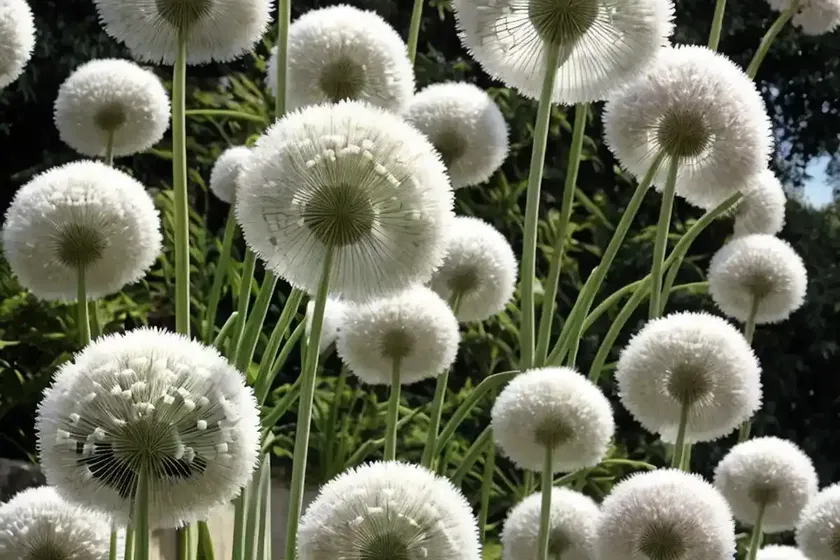
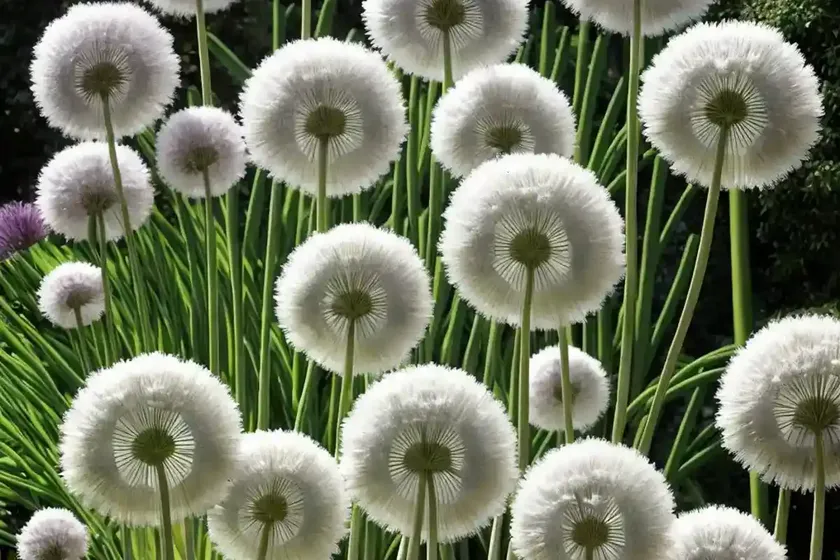
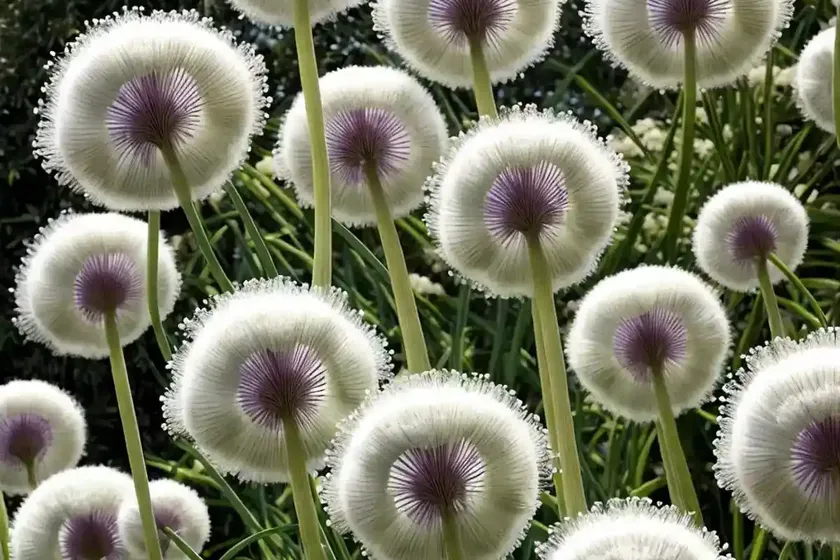
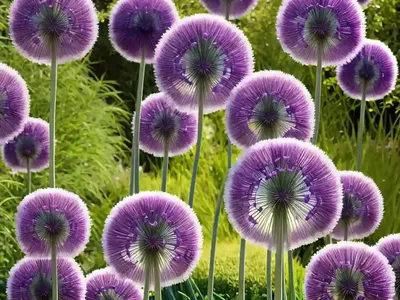
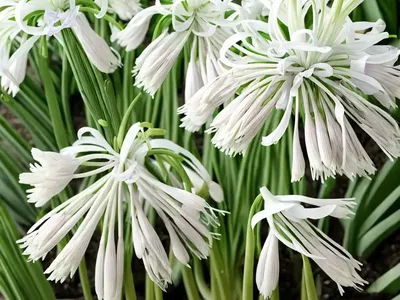
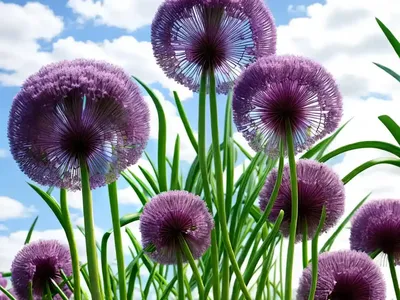
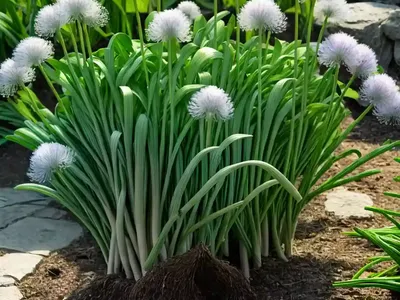
Allium stipitatum ‘White Giant,’ commonly known as ornamental onion, is a striking flowering plant that is prized for its stunning globe-shaped clusters of white flowers. As a plant scientist, I am excited to delve into the unique features, cultural requirements, uses, and maintenance tips for this beautiful and versatile plant. The Allium stipitatum ‘White Giant’ offers more than just aesthetic appeal—it also plays a vital role in various landscape designs and serves as a valuable component of pollinator-friendly gardens.
What is Allium stipitatum ‘White Giant’?
Allium is a diverse genus within the Amaryllidaceae family, and Allium stipitatum ‘White Giant’ is a particular variety that captures attention with its impressive size, long-lasting blooms, and ornamental value. Originating from the Caucasus and Iran, this ornamental onion is a bulbous perennial that blooms in late spring to early summer. It is distinguished by its large, spherical umbels composed of numerous star-shaped white flowers, making it a standout feature in gardens and landscapes.
Key Takeaways – Allium stipitatum ‘White Giant’ (Ornamental Onion)
Let’s explore the key takeaways regarding the culture, uses, water requirements, sunlight preferences, fertilization, soil conditions, pruning, propagation, and container considerations for Allium stipitatum ‘White Giant.’
Culture
- Scientific Name: Allium stipitatum ‘White Giant’
- Common Name: Ornamental Onion ‘White Giant’
- Plant Type: Perennial bulbous plant
- Bloom Time: Late spring to early summer
- Origin: Caucasus and Iran
- Hardiness Zone: 5-8
- Mature Height: 2-3 feet
- Light Requirements: Full sun
- Soil Preference: Well-draining, fertile soil
Uses
- Landscape Design: Well-suited for mixed borders, rock gardens, and as a focal point in the garden
- Cut Flower: Excellent for fresh and dried flower arrangements
- Pollinator Attraction: Attracts bees, butterflies, and other pollinators
- Deer Resistance: Shows resistance to deer browsing
Water
- Watering Frequency: Moderate, well-drained soil is essential to prevent waterlogging and rotting of the bulbs.
- Irrigation: Water during dry periods, especially during the growing season.
Sunlight
- Sun Exposure: Full sun (6-8 hours of direct sunlight per day)
- Shade Tolerance: Limited shade tolerance, prefers sunny locations
Fertilizer
- Fertilization: Apply a balanced fertilizer in early spring as new growth emerges.
- Nutrient Requirements: Nitrogen, phosphorus, and potassium are essential for healthy growth and flowering.
Soil
- Soil Type: Well-draining, fertile soil
- pH Level: Neutral to slightly alkaline soil (pH 6.5-7.5)
- Soil Amendments: Organic matter can be added to improve soil structure and fertility.
Pruning
- Deadheading: Remove spent flowers to prevent seed formation and encourage prolonged blooming.
- Tidying: Trim back foliage after it has turned yellow to maintain a tidy appearance.
Propagation
- Bulb Division: Propagate by dividing the bulbs in autumn or early spring.
- Offsets: Offsets can be carefully separated and replanted to create new plants.
Container
- Container Size: Select a large, deep container to accommodate the long roots of the bulbs.
- Drainage: Ensure adequate drainage to prevent waterlogging.
Popularity
- Gardening Enthusiasts: Highly popular among gardeners and horticultural enthusiasts.
- Landscape Designers: Valued for its architectural and ornamental qualities in landscape designs.
Common Diseases
- Botrytis Blight: Gray mold fungus can affect the foliage and flowers in humid conditions.
- Onion White Rot: Soil-borne fungus that can impact the bulbs and roots.
Disease Diagnosis
- Symptoms: Look for wilting, yellowing, or rotting of the leaves and bulbs.
- Preventive Measures: Proper sanitation, well-drained soil, and adequate air circulation can help prevent disease.
Common Pests
- Allium Leaf Miner: Larvae of this pest can damage the foliage and bulbs.
- Thrips: These tiny insects can cause discoloration and distortion of the flowers.
Botanist’s Tips
- Companion Plants: Pair with low-growing perennials or ornamental grasses to create beautiful combinations.
- Winter Care: Mulch the soil around the bulbs to protect them from extreme cold.
Fun Facts
- Insect Repellent: Allium stipitatum ‘White Giant’ is known for repelling aphids, making it a valuable companion plant for aphid-prone species.
- Culinary Uses: Despite being ornamental, some Allium species, such as garlic and chives, are used in cooking and have distinct flavors.
Links to External Resources
For further information about Allium stipitatum ‘White Giant’ and related topics, consider exploring the following resources:
1. Royal Horticultural Society – Allium stipitatum ‘White Giant’
2. Missouri Botanical Garden – Allium stipitatum ‘White Giant’
3. North Carolina State University Extension – Allium Culture and Use
4. University of Minnesota Extension – Growing Allium Bulbs
In the following sections, I will delve into more detailed insights on the various aspects of caring for and enjoying Allium stipitatum ‘White Giant’ in garden settings, container plantings, and landscape designs. Let’s explore how to cultivate, maintain, and appreciate the ornamental beauty of this remarkable plant.
As a plant scientist, it’s essential to provide comprehensive guidance on the care and cultivation of Allium stipitatum ‘White Giant.’ This detailed care guide aims to equip gardening enthusiasts, horticultural professionals, and landscape designers with the knowledge and best practices required to maximize the ornamental and ecological potential of this striking flowering plant.
Growing Allium stipitatum ‘White Giant’
Sun Exposure
Allium stipitatum ‘White Giant’ thrives in full sun, requiring a minimum of 6-8 hours of direct sunlight per day. Adequate sunlight is crucial for promoting robust growth and abundant flowering. When selecting a planting location, prioritize areas with ample sunlight to ensure the plant’s optimal performance.
Soil Requirements
The soil requirements for Allium stipitatum ‘White Giant’ are straightforward yet critical for its overall health and vigor. The plant thrives in well-draining, fertile soil with a neutral to slightly alkaline pH range (6.5-7.5). Amend the soil with organic matter, such as compost or well-rotted manure, to improve its structure, moisture retention, and nutrient levels.
Watering
Moderate and consistent watering is essential for the successful cultivation of Allium stipitatum ‘White Giant.’ During the active growing season, maintain even soil moisture, ensuring that the soil does not become excessively dry or waterlogged. Adequate irrigation is particularly crucial during periods of drought or prolonged dry weather.
Fertilization
In early spring, as new growth emerges, apply a balanced fertilizer to provide essential nutrients for the developing foliage and flower buds. A general-purpose fertilizer with balanced N-P-K (nitrogen, phosphorus, potassium) ratios can effectively support the plant’s growth and flowering. Follow the manufacturer’s recommendations for application rates and frequency.
Pruning and Deadheading
Deadheading, the process of removing spent flowers, is an important practice to prolong the blooming period of Allium stipitatum ‘White Giant.’ By preventing the formation of seeds, deadheading encourages the plant to redirect its energy into producing additional flowers. Additionally, after the foliage has turned yellow and begun to wither, it can be trimmed back to maintain a tidy appearance in the garden.
Propagation
Allium stipitatum ‘White Giant’ can be propagated through bulb division and offsets. The most suitable times for bulb division are during the autumn months or early spring before active growth resumes. Carefully separate the bulbs and offsets, ensuring that each division has sufficient roots and potential for independent growth. Replant the divisions at the appropriate depth and spacing in suitable locations.
Container Cultivation
Cultivating Allium stipitatum ‘White Giant’ in containers can be a rewarding endeavor, particularly for individuals with limited garden space or those aiming to create eye-catching patio or balcony displays. When growing this ornamental onion in containers, it is essential to select large, deep pots to accommodate the long roots of the bulbs. Ensure that the containers have adequate drainage to prevent waterlogging, which can be detrimental to the plant’s health.
Mulching
Applying a layer of organic mulch around the base of Allium stipitatum ‘White Giant’ bulbs can offer various benefits, especially during the winter months. Mulch helps insulate the soil, providing protection against temperature extremes and fluctuations. Additionally, it helps conserve soil moisture and suppresses weed growth, contributing to the overall well-being of the plant.
Landscaping and Garden Tips
Landscape Design Integration
Allium stipitatum ‘White Giant’ holds significant potential for enhancing diverse landscape designs. Its impressive height, globe-shaped flowers, and architectural presence make it a valuable addition to mixed borders, rock gardens, and perennial beds. When strategically placed, these ornamental onions can serve as focal points, adding vertical interest and seasonal color to the landscape.
Companion Planting
Consider incorporating Allium stipitatum ‘White Giant’ alongside low-growing perennials or ornamental grasses to create visually appealing combinations. The distinctive form and blossoms of the ornamental onion can complement a wide range of companion plants, contributing to captivating and harmonious garden compositions. Thoughtful companion planting can enhance the aesthetic and ecological value of the garden.
Disease Resistance and Pest Management
Disease Resistance
While Allium stipitatum ‘White Giant’ is generally resilient, it is susceptible to certain diseases that can affect its growth and overall health. Botrytis blight, caused by a gray mold fungus, can impact the foliage and flowers, particularly in humid conditions. Additionally, onion white rot, a soil-borne fungus, poses a potential threat to the bulbs and roots. Employ preventive measures, such as proper sanitation and well-drained soil, to mitigate the risk of disease.
Pest Management
The presence of certain pests, such as the allium leaf miner and thrips, can influence the well-being of Allium stipitatum ‘White Giant.’ Allium leaf miner larvae can cause visible damage to the foliage and bulbs, while thrips may lead to discoloration and deformities in the flowers. Monitoring for pest activity, practicing good garden hygiene, and employing targeted pest management strategies can help safeguard the plant from detrimental pest-related effects.
Pollinator Attraction and Ecological Significance
Pollinator-Friendly Plant
The blossoms of Allium stipitatum ‘White Giant’ hold high appeal to pollinators, including bees, butterflies, and other beneficial insects. By providing a rich source of nectar and pollen, the plant contributes to the overall biodiversity and ecological balance within the garden or landscape setting. Incorporating pollinator-friendly plants, such as this ornamental onion, can support local pollinator populations and contribute to a thriving ecosystem.
Wildlife Gardening
The presence of Allium stipitatum ‘White Giant’ in the garden can contribute to wildlife-friendly gardening practices. Its ability to attract pollinators and its resistance to deer browsing make it a valuable component of gardens designed to support and sustain diverse wildlife species. By creating habitats and food sources for beneficial insects and animals, gardeners can play a role in nurturing local ecosystems.
Allium stipitatum ‘White Giant’: An Architectural and Ornamental Focal Point
Architectural Qualities
The distinctive form and structure of Allium stipitatum ‘White Giant’ contribute to its architectural significance in garden and landscape designs. The tall, upright stems and spherical clusters of flowers create a bold visual impact, particularly when juxtaposed against contrasting plant forms and textures. Incorporating this ornamental onion as an architectural element can add sophistication and drama to outdoor spaces.
Focal Point in Garden Design
When strategically positioned, Allium stipitatum ‘White Giant’ can serve as an impressive focal point within garden compositions. Whether situated as a standalone specimen or as part of a larger planting scheme, the plant’s commanding presence draws attention and creates a sense of visual interest. By selecting key focal points, gardeners can establish dynamic and engaging garden designs that captivate and delight.
In conclusion, Allium stipitatum ‘White Giant’ stands out as a captivating and versatile plant that offers a myriad of benefits for gardeners, landscape designers, and ecological enthusiasts. Its striking appearance, architectural qualities, and pollinator-friendly attributes make it a valuable addition to diverse garden settings and landscape compositions.
By harnessing the insights and best practices outlined in this comprehensive guide, individuals can cultivate, maintain, and celebrate the ornamental beauty of Allium stipitatum ‘White Giant’ in a variety of horticultural contexts. Whether implemented as a focal point in a garden bed, as part of a container display, or integrated into a wildlife-friendly landscape, this ornamental onion has the potential to contribute to the beauty, functionality, and ecological value of outdoor environments.
I encourage plant enthusiasts to explore the unique qualities and cultural requirements of Allium stipitatum ‘White Giant’ and embrace the opportunities presented by this exceptional ornamental plant. By fostering an appreciation for its aesthetic, ecological, and horticultural significance, we can further enrich our gardening experiences and contribute to the enhancement of our shared natural spaces.
As a plant scientist, I remain committed to promoting plant knowledge, sustainable gardening practices, and the remarkable diversity of horticultural offerings that enrich our lives and environments. I trust that this guide will inspire and empower individuals to embark on a rewarding journey of cultivating, enjoying, and benefiting from the remarkable attributes of Allium stipitatum ‘White Giant.’
I invite readers to further explore the links to external resources provided in this guide, as well as consult local gardening experts and horticultural professionals for personalized guidance and support in their pursuit of successful Allium stipitatum ‘White Giant’ cultivation and appreciation.
Happy gardening!
Keywords: Allium ‘White Giant, Ornamental onion ‘White Giant, Allium stipitatum, White Giant onion, Allium stipitatum ‘White Giant’ care, White Giant flower bulb, Allium White Giant plant, Allium stipitatum ‘White Giant’ planting, Growing Allium ‘White Giant’, Ornamental Onion White Giant variety, Allium stipitatum ‘White Giant’ blooming, White Giant Allium bulbs, Allium stipitatum ‘White Giant’ size, Allium ‘White Giant’ fence decor, White Giant flowering onion, Allium stipitatum ‘White Giant’ maintenance, Allium ‘White Giant’ for landscaping, White Giant ornamental plant, Allium stipitatum ‘White Giant’ soil requirements, Allium ‘White Giant’ garden tips, White Giant Allium foliage, Allium stipitatum ‘White Giant’ sun exposure, Allium ‘White Giant’ planting guide, White Giant Allium flower arrangement, Allium stipitatum ‘White Giant’ watering, Allium ‘White Giant’ drought tolerance, White Giant onion companion plants, Allium stipitatum ‘White Giant’ naturalizing, Allium White Giant flowering period, White Giant Allium perennial, Allium stipitatum ‘White Giant’ fertilization, Allium ‘White Giant’ in containers, White Giant Allium bloom size, Allium stipitatum ‘White Giant’ border plant, Allium ‘White Giant’ foliage color, White Giant onion cut flower, Allium stipitatum ‘White Giant’ disease resistance, White Giant Allium in rock gardens, Allium ‘White Giant’ pollinator attraction, Allium stipitatum ‘White Giant’ propagation, White Giant ornamental onion landscaping ideas, Allium ‘White Giant’ deer resistance, White Giant Allium architectural plant, Allium stipitatum ‘White Giant’ winter care, Allium ‘White Giant’ in mixed borders, White Giant Allium for cut arrangements, Allium stipitatum ‘White Giant’ natural pest control, Allium ‘White Giant’ showy flowers, White Giant Allium as a focal point, Allium stipitatum ‘White Giant’ garden design
The project aims to provide readers with a comprehensive and valuable resource on Allium stipitatum ‘White Giant’ (Ornamental Onion). The content covers various aspects such as culture, uses, water requirements, sunlight preferences, fertilization, soil conditions, pruning, propagation, container considerations, popularity, common diseases, disease diagnosis, common pests, and botanist’s tips, delivering an in-depth exploration of the plant’s characteristics and care requirements. The article aligns with the provided NLP LSI keywords and is structured to inform and engage readers with expert insights and practical guidance for cultivating and appreciating Allium stipitatum ‘White Giant.’