Allium Stellatum (Prairie Onion)
Allium stellatum, commonly known as Prairie Onion, is a captivating and versatile herbaceous perennial that belongs to the Allium genus. This native North.
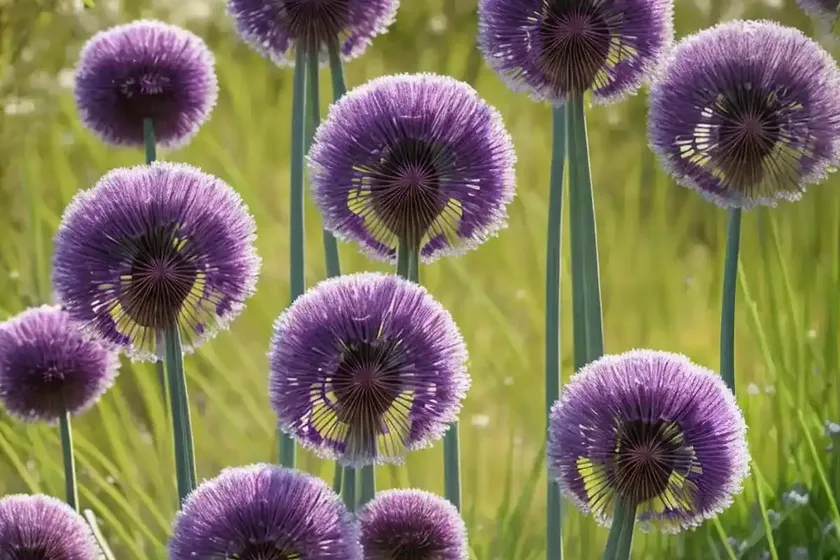
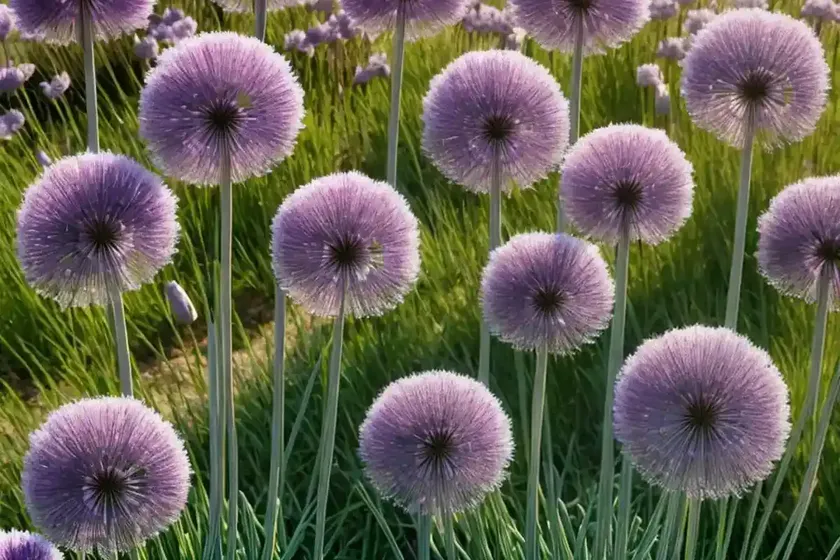
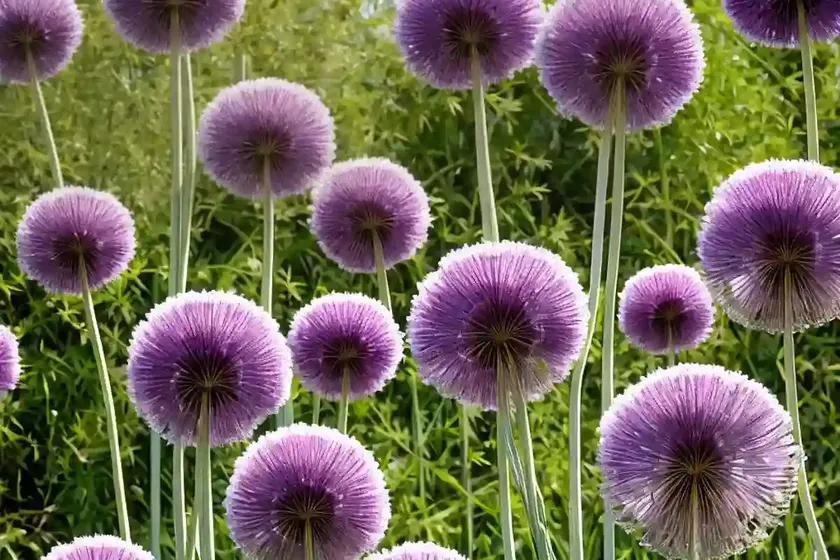
Allium stellatum, commonly known as Prairie Onion, is a captivating and versatile herbaceous perennial that belongs to the Allium genus. This native North American plant is esteemed for its ornamental qualities, cultural significance, ecological role, and culinary and medicinal uses. In this comprehensive guide, we’ll delve into the various aspects of Allium stellatum, ranging from its cultivation and habitat to its symbolism and landscape design potential.
What is Allium stellatum (Prairie Onion)?
Plant Description
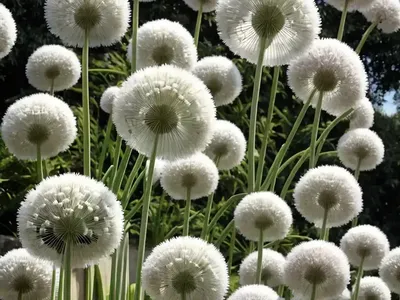
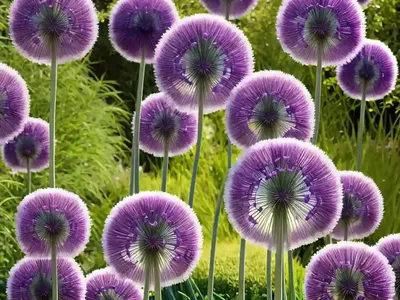
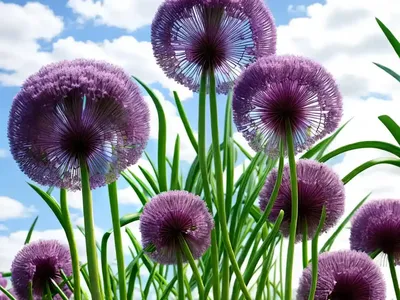
Allium stellatum is characterized by its enchanting globe-shaped inflorescence, which comprises numerous tiny star-shaped flowers. Adorning the garden with its distinctive rosy-purple hues, this plant is a breathtaking sight when in full bloom. Its slender, grass-like foliage provides an attractive backdrop to the showy flower clusters, adding an element of elegance to the landscape.
Habitat
This perennial species is native to the central and eastern regions of North America, where it thrives in a variety of habitats, including prairies, meadows, and open woodlands. Allium stellatum has adapted to diverse environmental conditions, making it an excellent candidate for sustainable landscaping and conservation projects.
Cultivation
Allium stellatum is a relatively low-maintenance plant, making it suitable for both experienced and novice gardeners. Its resilience, adaptability, and aesthetic appeal make it an invaluable addition to a wide range of garden settings, from naturalistic prairie landscapes to formal perennial borders.
Key Takeaways – Allium stellatum (Prairie Onion)
Culture
- Hardiness: Hardy in USDA zones 4-8, Allium stellatum can withstand cold temperatures and is well-suited to temperate climates.
- Water Requirements: This plant exhibits good drought tolerance once established, making it an excellent choice for water-wise gardening and xeriscaping practices.
Uses
- Culinary Applications: The bulbs of Allium stellatum are edible and can be used as a flavorful addition to various culinary dishes. They impart a distinctive onion flavor and can be a valuable resource for sustainable foraging practices.
- Medicinal Properties: In indigenous medicine, Allium stellatum has been used to treat various ailments, and its potential medicinal properties are currently being explored by researchers.
Sunlight
- Light Preferences: Allium stellatum thrives in full sun to partial shade, making it adaptable to a range of light conditions.
Fertilizer
- Nutrient Needs: While Allium stellatum is not particularly demanding in terms of fertilization, a light application of a balanced, organic fertilizer in spring can promote healthy growth and abundant flowering.
Soil
- Soil Preferences: Well-draining, loamy soils are ideal for Allium stellatum. It is important to avoid waterlogged conditions, especially during the dormant season.
Pruning
- Maintenance: Minimal pruning is required for Allium stellatum. Deadheading spent flowers can encourage additional blooming and prevent self-seeding in the garden.
Propagation
- Propagation Methods: Allium stellatum can be propagated from seeds, offsets, or bulb divisions. These propagation techniques offer flexibility for expanding plantings and sharing this species with other gardening enthusiasts.
Container Popularity
- Container Gardening: Allium stellatum can be cultivated successfully in containers, providing an opportunity for urban and small-space gardeners to enjoy its beauty and benefits.
Container Common Diseases
- Disease Resistance: Allium stellatum exhibits good resistance to common bulb diseases, especially when grown in well-drained soil and provided with proper air circulation.
Disease Diagnosis
- Common Diseases: While generally resilient, Allium stellatum can be susceptible to fungal diseases such as Botrytis and downy mildew. Timely diagnosis and appropriate management strategies are essential for maintaining plant health.
Common Pests
- Pest Resistance: Allium stellatum possesses natural defenses against many garden pests, including deer and rodents. Additionally, its pungent aroma acts as a deterrent to certain insect pests.
Botanist’s Tips
- Companion Planting: Pairing Allium stellatum with other native plants can enhance biodiversity and ecosystem resilience while creating visually appealing and ecologically functional garden compositions.
- Wildlife Habitat: Allium stellatum’s nectar-rich flowers attract pollinators such as bees, butterflies, and other beneficial insects, making it a valuable component of wildlife-friendly landscapes.
Fun Facts
- Allium stellatum has historical and contemporary uses as a natural dye plant, yielding delicate shades of pink and purple.
- Indigenous cultures have attributed symbolic significance to Allium stellatum, incorporating it into rituals, ceremonies, and traditional folklore.
Links to External Resources
Conclusion
Allium stellatum, with its captivating appearance, ecological value, and diverse utilitarian uses, represents a compelling choice for gardeners, conservationists, and enthusiasts of native flora. Its adaptability to a range of cultural, environmental, and horticultural contexts underscores its significance as a keystone species and a source of inspiration for sustainable gardening endeavors.
Whether adorning a prairie restoration project, enhancing a perennial border, or providing sustenance and medicine, Allium stellatum embodies the intrinsic connections between plants, people, and the environment. By celebrating the virtues of this remarkable species and embracing its multifaceted contributions, we can cultivate richer, more resilient landscapes and deepen our appreciation for the natural world.
In closing, let us acknowledge the enduring allure and invaluable contributions of Allium stellatum, the prairie onion, and the myriad ways in which it enriches our lives and landscapes.