Allium Senescens ‘Pink Planet’ (Ornamental Allium)
Ornamental Alliums are elegant and decorative plants that offer unique characteristics and add flair to gardens and landscapes. Allium senescens ‘Pink.
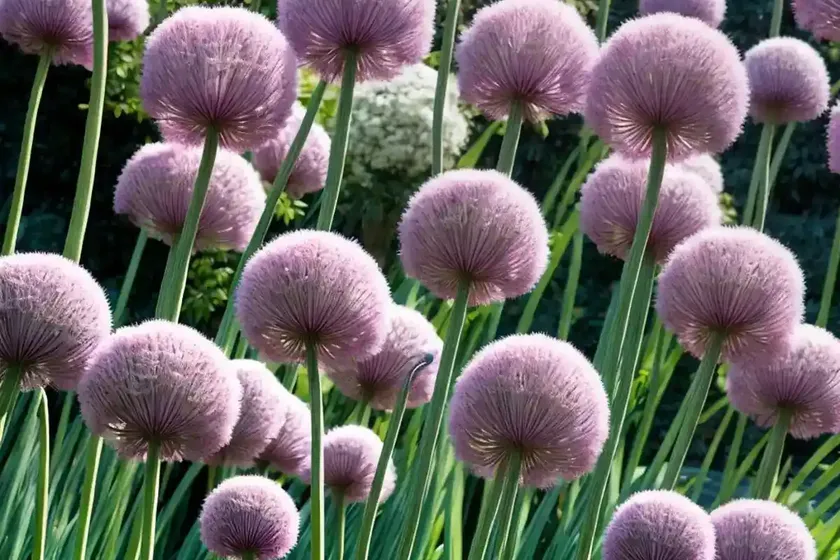
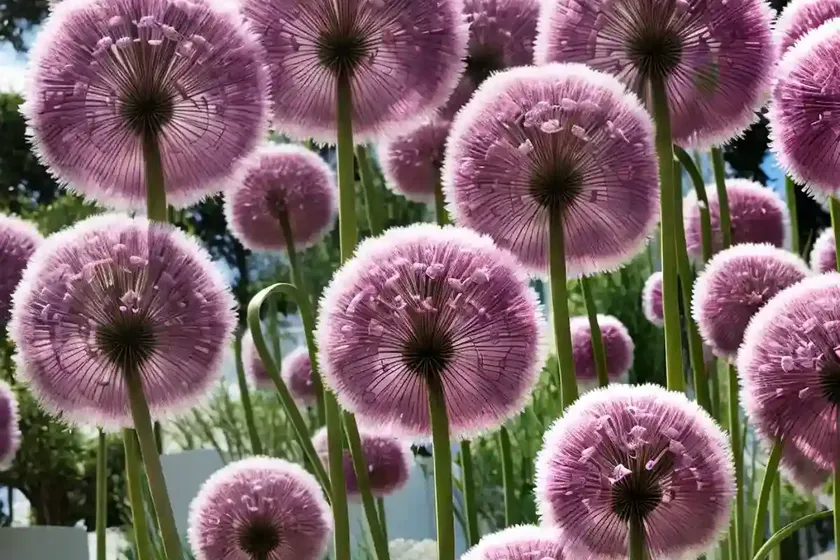
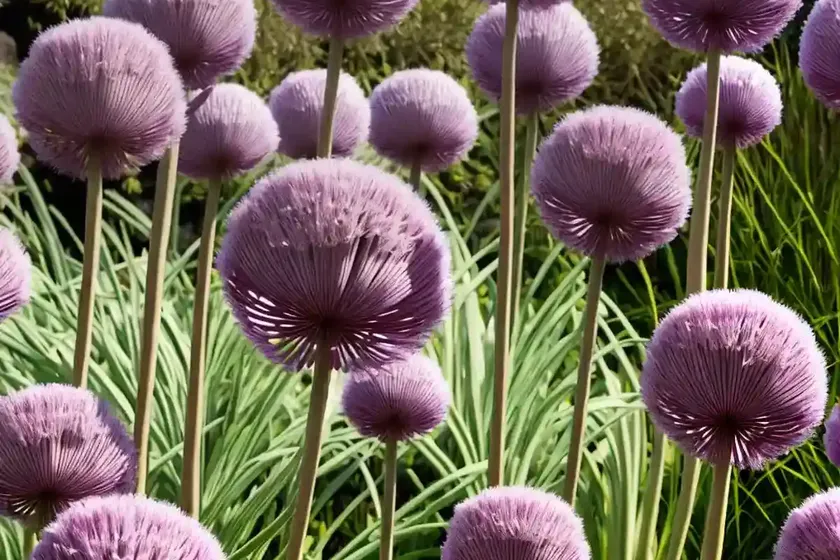
Ornamental Alliums are elegant and decorative plants that offer unique characteristics and add flair to gardens and landscapes. Allium senescens ‘Pink Planet’ is a specific variety that stands out for its captivating features and versatility. In this comprehensive guide, we will delve into the various aspects of Allium senescens ‘Pink Planet,’ covering its culture, uses, maintenance, common diseases and pests, propagation, and more. Whether you are a seasoned gardener or a novice enthusiast, this guide will equip you with the knowledge and tips to cultivate and care for Allium senescens ‘Pink Planet’ successfully.
What is Allium senescens ‘Pink Planet’?
Allium senescens, commonly known as German garlic, is a species in the Amaryllidaceae family, native to Europe and Asia. ‘Pink Planet’ is a cultivar characterized by its unique pink flowers and attractive foliage. This ornamental Allium is revered for its ornate appearance and low maintenance requirements, making it a popular choice among gardeners.
Key Takeaways – Allium senescens ‘Pink Planet’
Before delving into the intricacies of cultivating and caring for Allium senescens ‘Pink Planet,’ let’s explore the key takeaways that will guide our discussion:
- Growth habit: Allium senescens ‘Pink Planet’ exhibits a compact growth habit, making it suitable for various garden settings, including containers, borders, and rock gardens.
- Planting tips: When planting ‘Pink Planet’ Ornamental Allium, it is essential to choose well-draining soil and a location with adequate sunlight.
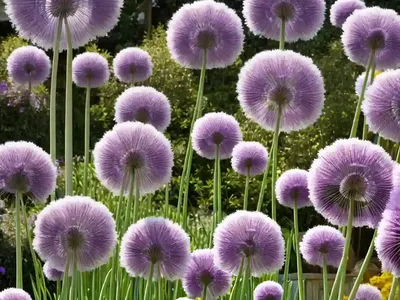
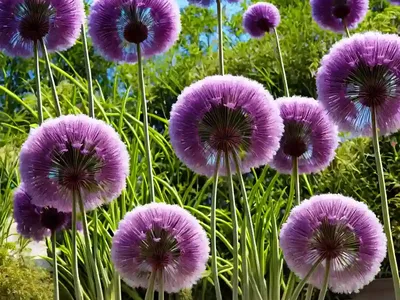
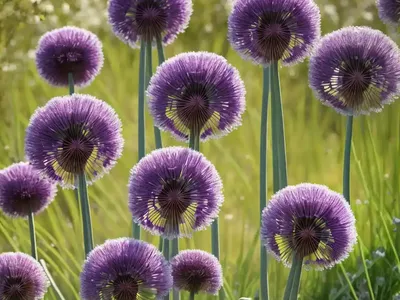
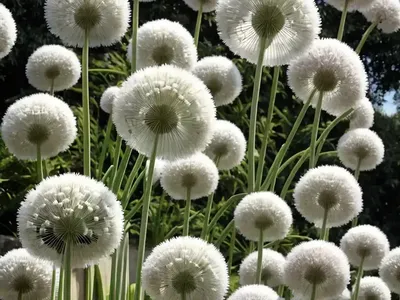
- Characteristics: This cultivar boasts delightful pink flowers, adding vibrancy and elegance to outdoor spaces. The foliage also presents unique textures and colors.
- Care requirements: To ensure the optimal health and blooming of Allium senescens ‘Pink Planet,’ attention to watering, sunlight, fertilization, and soil conditions is imperative.
- Propagation methods: ‘Pink Planet’ can be propagated through division or seed sowing, providing opportunities for expanding your Allium collection.
- Soil requirements: Understanding the soil preferences of Allium senescens ‘Pink Planet’ is crucial for fostering its growth and longevity.
- Common diseases and pests: A proactive approach to disease prevention and pest control is necessary to safeguard the health of ‘Pink Planet’ Allium.
- Landscape design: Exploring the potential of incorporating Allium senescens ‘Pink Planet’ into various landscaping designs and arrangements can enhance aesthetic appeal.
With these key takeaways in mind, let’s delve into the comprehensive care guide for Allium senescens ‘Pink Planet,’ enabling you to foster thriving and visually appealing plants in your garden.
Culture
Uses
Allium senescens ‘Pink Planet’ serves multiple purposes in outdoor settings, contributing to aesthetics, biodiversity, and landscape dynamics. Its primary uses include:
- Ornamental value: The captivating pink flowers of Allium senescens ‘Pink Planet’ make it a striking addition to gardens, attracting visual interest and enhancing overall aesthetics.
- Pollinator attraction: The nectar-rich blooms of ‘Pink Planet’ Allium entice pollinators such as bees and butterflies, promoting ecological balance and biodiversity.
- Landscaping: ‘Pink Planet’ Allium can be integrated into diverse landscaping designs, including borders, rock gardens, and mixed perennial beds, adding texture and color variation.
- Container gardening: Its compact growth habit and visual appeal make it an ideal choice for container gardening, allowing individuals with limited outdoor space to enjoy its beauty.
- Groundcover: Utilizing Allium senescens ‘Pink Planet’ as a groundcover plant offers a low-maintenance and visually appealing solution for filling in bare patches within the landscape.
Water
Proper watering is essential for the optimal growth and flowering of Allium senescens ‘Pink Planet.’ Understanding its water needs and implementing appropriate watering practices is crucial for maintaining plant health.
- Water needs: ‘Pink Planet’ Allium prefers relatively dry conditions during its dormant period, typically in summer. However, it requires regular watering during active growth, particularly in spring and early summer.
- Watering frequency: Ensure that the soil is moderately moist but not waterlogged during the active growth phase, providing water when the top inch of soil feels dry to the touch.
- Avoid overwatering: Alliums are susceptible to rot if subjected to prolonged periods of waterlogging, so it is imperative to prevent overwatering, particularly during the dormant period.
Sunlight
Adequate sunlight is crucial for the growth, flowering, and overall vitality of Allium senescens ‘Pink Planet.’ Understanding its sunlight requirements enables gardeners to optimize its performance in the garden.
- Sun exposure: ‘Pink Planet’ Allium thrives in full sun to partial shade, requiring at least 6 hours of direct sunlight daily for robust growth and prolific flowering.
- Shade tolerance: While it prefers full sun, ‘Pink Planet’ can tolerate partial shade, making it adaptable to a range of garden environments.
Fertilizer
Proper fertilization supports the nutrient requirements of Allium senescens ‘Pink Planet,’ contributing to vigorous growth and abundant floral displays.
- Fertilizer type: Apply a balanced, slow-release fertilizer in early spring as new growth emerges, ensuring that it contains essential nutrients such as nitrogen, phosphorus, and potassium.
- Application frequency: A single annual application of fertilizer in spring is generally adequate to meet the nutritional needs of ‘Pink Planet’ Allium. Avoid excessive fertilization, as it may lead to foliage growth at the expense of flowering.
Soil
Understanding the soil preferences of Allium senescens ‘Pink Planet’ is crucial for providing an optimal growing environment and ensuring its long-term health and vitality.
- Well-draining soil: ‘Pink Planet’ Allium thrives in well-draining soil with good aeration, preventing waterlogging and root rot.
- Soil pH: It prefers slightly acidic to neutral soil pH, ranging from 6.0 to 7.0, creating an ideal substrate for nutrient uptake and overall growth.
- Soil amendments: Adding organic matter, such as compost or well-rotted manure, can enhance soil structure and fertility, promoting healthy growth and blooming.
Pruning
Regular pruning and maintenance practices are essential for preserving the health, aesthetics, and longevity of Allium senescens ‘Pink Planet.’ Proper pruning techniques contribute to tidiness, disease prevention, and the promotion of subsequent flowering.
- Pruning timing: After the blooming period, deadhead spent flowers to prevent self-seeding and divert energy back into the bulb for the following year’s growth.
- Foliage care: Allow the foliage to naturally senesce and yellow before removing it, as this process allows the plant to store nutrients in the bulb efficiently.
- Minimal pruning: Alliums, including ‘Pink Planet,’ require minimal pruning beyond deadheading and foliage maintenance, contributing to their low-maintenance appeal.
Propagation
Expanding your Allium collection can be achieved through the propagation of Allium senescens ‘Pink Planet’ via division or seed sowing, offering opportunities to increase the presence of this exquisite ornamental plant in your garden.
Division
Dividing mature Allium senescens ‘Pink Planet’ plants promotes rejuvenation, expansion, and the establishment of new clusters, enhancing the visual impact of this elegant species.
- Ideal timing: Perform division in early spring or fall when the plant is dormant, carefully lifting and separating the clusters into individual sections.
- Root and bulb health: Ensure that each division possesses healthy roots and bulbs, enhancing its potential for successful establishment and subsequent growth.
Seed sowing
Sowing seeds of Allium senescens ‘Pink Planet’ presents an alternative method for propagation, offering a journey into the plant’s life cycle and the potential for cultivating new individuals.
- Seed collection: Harvest seeds from mature flower heads after they have dried and turned brown, extracting them for subsequent sowing.
- Sowing depth: Plant the seeds at a shallow depth in well-draining soil, maintaining consistent moisture to support germination and early growth.
- Germination period: Expect germination within a few weeks to a few months, depending on environmental conditions and seed viability.
Container Popularity
Allium senescens ‘Pink Planet’ is renowned for its suitability for container gardening, offering a versatile and visually appealing option for individuals with limited outdoor space or those seeking to enhance their patio, deck, or balcony with ornate floral displays.
- Container size: Choose a moderately sized container that accommodates the root system without excessive space, promoting healthier growth and resource allocation.
- Drainage: Select a container with adequate drainage holes to prevent waterlogging, ensuring the overall health and vitality of ‘Pink Planet’ Allium.
- Potting mix: Utilize well-draining potting mix or create a custom blend by incorporating perlite or coarse sand to optimize soil structure and moisture management.
Common Diseases
Disease Diagnosis
Allium senescens ‘Pink Planet’ may be susceptible to certain diseases under unfavorable environmental conditions, necessitating proactive monitoring and diagnosis to implement appropriate management strategies.
- Botrytis blight: Characterized by gray mold on foliage and flowers, botrytis blight may affect Alliums, particularly in humid or overly moist conditions.
- Fusarium basal rot: This fungal disease manifests as yellowing and wilting of leaves, often progressing to rotting at the base of the plant, posing a threat to bulb health.
- Downy mildew: Under conditions of excessive moisture and poor air circulation, downy mildew may manifest as yellow or brown spots on foliage, compromising plant vigor.
Disease Prevention
Preventative measures and cultural practices play a pivotal role in reducing the incidence of diseases in Allium senescens ‘Pink Planet,’ safeguarding its health and longevity.
- Adequate air circulation: Maintaining good air movement around the plants through proper spacing and avoiding overcrowding minimizes the risk of fungal diseases.
- Moderate watering: Implement judicious watering practices to prevent prolonged soil moisture and minimize the risk of foliar and stem diseases.
- Sanitation: Remove and dispose of any diseased plant debris promptly, reducing the inoculum potential for future disease outbreaks.
Common Pests
Botanist’s Tips
Allium senescens ‘Pink Planet’ may encounter various pests that pose potential threats to its growth and ornamental value. Implementing informed strategies and vigilance assists in pest identification and mitigation.
- Bulb mites: These microscopic pests may infest Allium bulbs, leading to stunted growth, discoloration, and overall decline. Inspect bulbs closely for signs of infestation.
- Thrips: Thrips are tiny, slender insects that may cause discoloration and distortion of flowers and foliage. Monitor ‘Pink Planet’ Allium for thrips activity and implement appropriate control measures if necessary.
- Onion fly: The larvae of onion flies may target Allium bulbs, leading to damage and compromised bulb health. Vigilance and prevention are imperative for managing this pest.
Fun Facts
Allium senescens ‘Pink Planet’ presents a multitude of intriguing and captivating attributes, adding depth and character to garden landscapes. Here are some fun facts about this remarkable ornamental Allium:
- Drought resistance: ‘Pink Planet’ Allium exhibits impressive tolerance to drought, making it an ideal choice for water-wise gardens and xeriscapes.
- Wildlife attraction: The nectar-rich blooms of Allium senescens ‘Pink Planet’ attract a diverse range of wildlife, including bees, butterflies, and other pollinators, enriching ecological diversity.
- Fall color: During the autumn season, the foliage of ‘Pink Planet’ Allium may transition to captivating hues, enhancing the visual interest of outdoor spaces.
Links to External Resources
For further exploration of Allium senescens ‘Pink Planet’ and related topics, consider the following external resources:
- Royal Horticultural Society – Allium senescens ‘Pink Planet’
- University of Wisconsin-Madison – Ornamental Alliums
- Missouri Botanical Garden – Plant Finder
- The Spruce – All About Growing Allium (Ornamental Onion) Flowers
In conclusion, the allure and ornamental value of Allium senescens ‘Pink Planet’ make it a captivating addition to gardens, offering visual interest, ecological contributions, and low-maintenance appeal. By embracing the insights and recommendations provided in this comprehensive guide, you can elevate your gardening endeavors and cultivate thriving ‘Pink Planet’ Allium with confidence and success.