Allium Senescens (German Garlic)
Allium senescens, commonly known as German Garlic, is a stunning herbaceous plant belonging to the genus Allium. With its delightful foliage and ornamental.
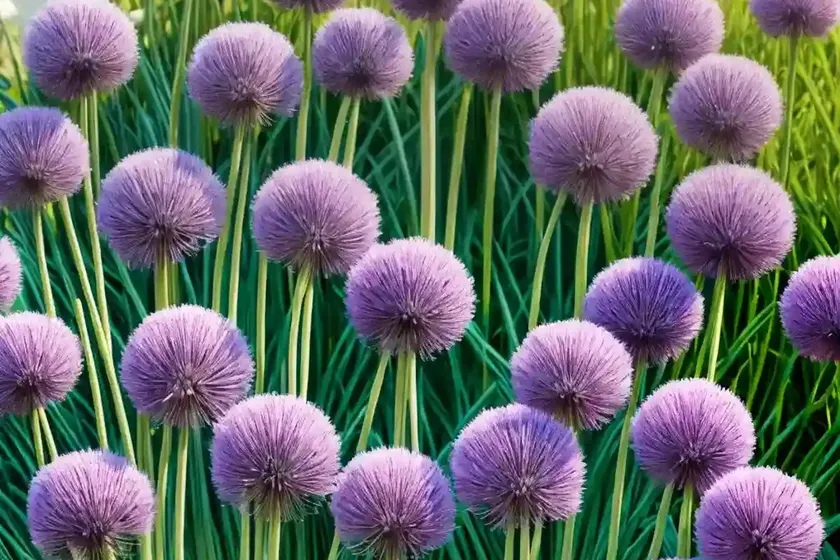
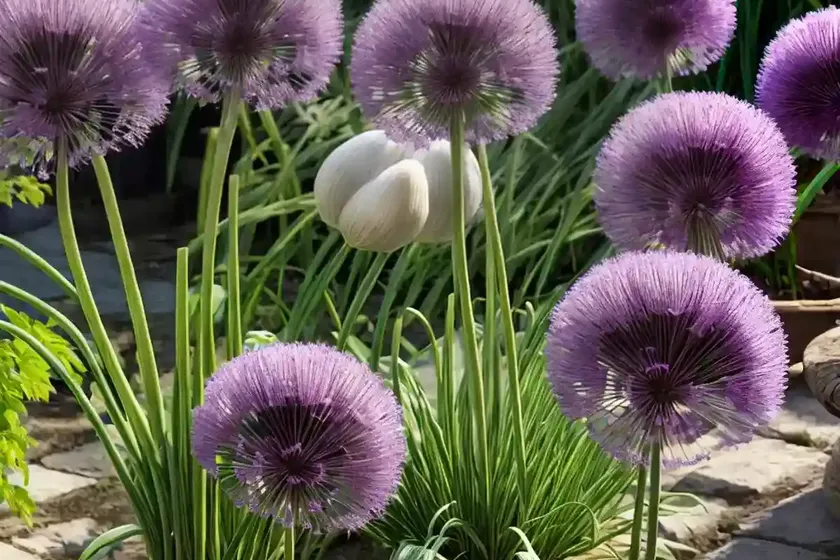
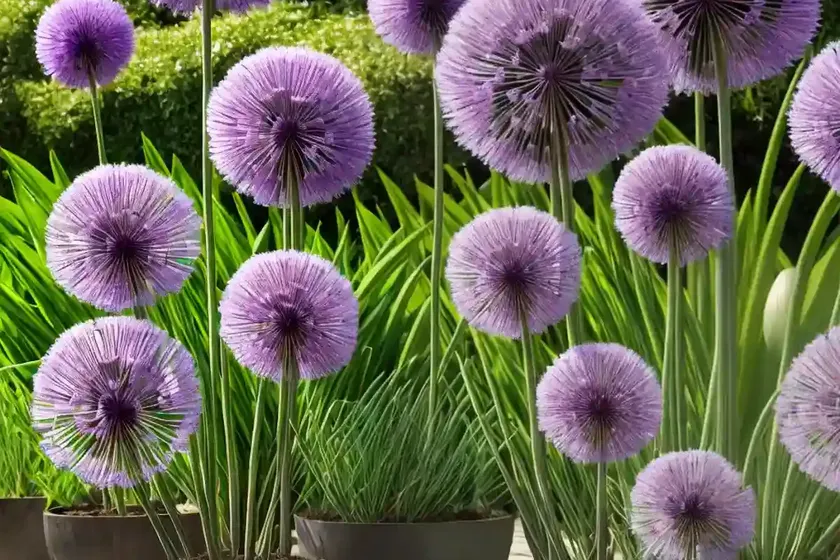
Allium senescens, commonly known as German Garlic, is a stunning herbaceous plant belonging to the genus Allium. With its delightful foliage and ornamental appeal, Allium senescens has gained popularity not only in gardens but also in landscaping. This comprehensive guide aims to provide an in-depth understanding of the cultivation, care, and uses of Allium senescens, including its ecological significance and contribution to the biodiversity of native range. Whether you are an experienced gardener or a novice enthusiast, this guide will equip you with the essential knowledge to cultivate and appreciate the beauty of German Garlic.
What is Allium senescens?
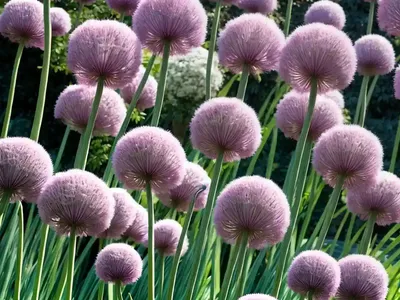
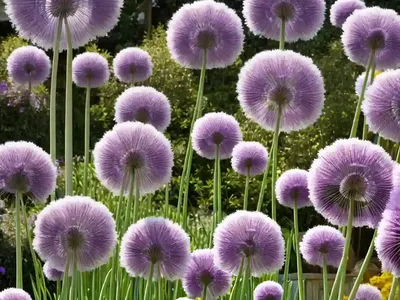
Allium senescens, or German Garlic, is a herbaceous flowering plant native to Asia and Europe. It is a member of the Alliaceae family, which includes onions, garlic, and chives. German Garlic is renowned for its distinct foliage and charming appearance, making it a sought-after addition to gardens and landscaping projects. The plant’s enchanting leaves and delicate flowers contribute to its allure, and its low-maintenance nature makes it an ideal choice for both novice and experienced gardeners.
Key Takeaways – Allium senescens (German Garlic)
Before delving into the details of cultivating and caring for Allium senescens, it’s vital to grasp the essential characteristics of this remarkable plant. Below are the key takeaways that will guide us through the different aspects of German Garlic:
- Botanical Name: Allium senescens
- Common Name: German Garlic
- Family: Alliaceae
- Type: Herbaceous Perennial
- Native Range: Asia, Europe
- Foliage Appearance: Delicate and Graceful
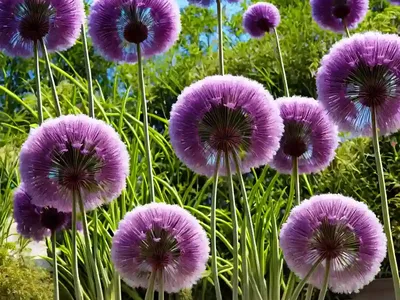
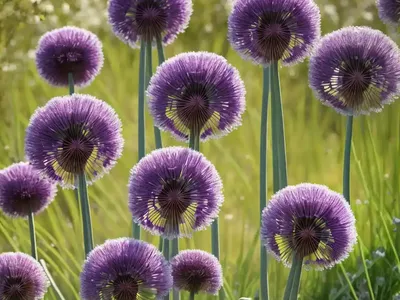
- Flower Color: Pink or Purple
- Bulb Type: Rhizomatous
- Growth Habit: Clump-forming
- Sunlight Needs: Full Sun to Partial Shade
- Water Requirements: Moderate
- Soil Type: Well-draining, Sandy, Loamy
- Maintenance: Low
- Disease Resistance: High
- Pest Control: Minimal Intervention Required
Now, let’s embark on a journey to explore the intricacies of Allium senescens, from its cultural requirements to its ecological significance.
Allium senescens Culture
Understanding the cultural requirements of Allium senescens is crucial for ensuring its optimal growth and development. From soil and sunlight to water and fertilizer needs, each aspect plays a vital role in nurturing German Garlic.
Uses
Allium senescens, with its captivating appearance and versatile nature, finds various uses in horticulture and landscaping. Understanding its potential applications allows for better integration into garden designs and biodiversity conservation efforts. The uses of Allium senescens include:
- Ornamental Planting: German Garlic is often utilized for its visual appeal in ornamental garden settings and landscape designs.
- Pollinator Garden: Its beautiful flowers attract pollinators, contributing to biodiversity efforts and supporting local ecosystems.
- Edging and Border Plant: The low-growing and clump-forming habit of Allium senescens makes it an excellent choice for edging and border plantings.
- Groundcover: Its dense foliage and low maintenance requirements make German Garlic an ideal groundcover for various terrain types.
- Herbaceous Perennial: As a perennial plant, Allium senescens adds year-round interest and is an enduring feature in garden designs.
Water
Understanding the water requirements of Allium senescens is critical for maintaining its health and vigor. While German Garlic displays some level of drought tolerance, adequate hydration is essential for promoting robust growth and flowering.
Sunlight
Proper exposure to sunlight is crucial for the growth and development of Allium senescens. Understanding its sunlight needs and optimizing its placement is key to ensuring vibrant foliage and prolific flowering.
Fertilizer
Providing appropriate nourishment to Allium senescens is essential for promoting healthy growth and enhancing its ornamental appeal. The application of suitable fertilizer contributes to lush foliage and prolific blooms.
Soil
The choice of soil significantly impacts the overall health and vitality of Allium senescens. Understanding its soil requirements facilitates optimal growth and ensures the longevity of this enchanting herbaceous plant.
Pruning
Pruning plays a crucial role in maintaining the aesthetics and health of Allium senescens. Understanding the techniques and timing of pruning is vital for shaping the plant and promoting prolific flowering.
Propagation
The propagation of Allium senescens allows for the expansion of its presence in gardens and landscapes. Understanding the various methods of propagation is essential for conserving and sharing the beauty of German Garlic.
Allium senescens in Containers
The versatility of Allium senescens makes it well-suited for container gardening. Its unique characteristics and low maintenance requirements render it a delightful addition to container arrangements.
Popularity in Containers
The appeal of Allium senescens in container gardening has been steadily growing, thanks to its ornamental foliage and adaptability to container environments.
Common Diseases
Like all plants, Allium senescens is susceptible to certain diseases. Awareness of common diseases and their prevention is crucial for maintaining the health and vitality of German Garlic.
Disease Diagnosis
Recognizing the symptoms of common diseases allows for timely intervention and effective management of potential threats to the well-being of Allium senescens.
Common Pests
While Allium senescens is relatively resistant to pests, certain insects and critters may pose a threat. Understanding common pests and their control is essential for safeguarding the plant’s health.
Botanist’s Tips for Allium senescens
Drawing from the expertise of botanists and horticulturists, valuable tips and insights can enhance the cultivation and appreciation of Allium senescens. Incorporating these tips into gardening practices can elevate the experience of growing German Garlic.
Fun Facts about Allium senescens
Delving into the intriguing aspects of Allium senescens unveils a myriad of fascinating facts that highlight its ecological significance and ornamental appeal. Discovering these fun facts adds an enriching layer to the experience of cultivating German Garlic.
External Resources
To further expand your knowledge and understanding of Allium senescens, the following external resources are highly recommended:
- Plant Profile: Allium senescens – Missouri Botanical Garden
- Growing Allium senescens in Your Garden – Royal Horticultural Society
- Allium senescens: German Garlic – North Carolina Extension Gardener Plant Toolbox
- Allium senescens – University of Wisconsin-Madison Master Gardener Program
- German Garlic: Allium senescens – Illinois Wildflowers
By exploring these resources, you can gain further insights into the cultivation, care, and ecological value of Allium senescens.
In conclusion, the enchanting allure of Allium senescens (German Garlic) encompasses both its ornamental beauty and ecological contributions. Understanding its cultural requirements, uses, and significance in horticulture and landscaping facilitates a deeper appreciation of this remarkable herbaceous perennial. Whether adorning gardens, container arrangements, or natural habitats, Allium senescens is a captivating plant that enriches the biodiversity and visual appeal of diverse environments. Embracing the art of cultivating and caring for German Garlic allows us to celebrate its timeless charm and ecological resilience, perpetuating its legacy for generations to come.