Allium Schoenoprasum (Chives)
What is Allium schoenoprasum? Allium schoenoprasum, commonly known as chives, is a species of flowering plant in the family Amaryllidaceae. It is a.
What is Allium schoenoprasum?
Allium schoenoprasum, commonly known as chives, is a species of flowering plant in the family Amaryllidaceae. It is a perennial herb that is native to Europe, Asia, and North America. Chives are well-known for their culinary uses, but they also have medicinal properties and play a role in sustainable gardening practices.
In this comprehensive guide, we will explore the various aspects of Allium schoenoprasum, from its cultural requirements and uses to its role in herbal medicine and folklore.
Key Takeaways – Allium schoenoprasum (Chives)
Before delving into the detailed aspects of chives, let’s summarize the key takeaways:
- Cultural Requirements:
- Uses
- Water
- Sunlight
- Fertilizer
- Soil
- Pruning
- Propagation
-
Container Gardening
-
Popularity and Common Diseases:
- Common Diseases
- Disease Diagnosis
- Common Pests
- Fun Facts
-
Popularity and Common Diseases
-
Botanist’s Tips:
- Health Benefits
- Medicinal Properties
- Varieties
-
Essential Oil
-
External Resources:
- Links to External Resources
Cultural Requirements of Allium schoenoprasum
Uses
Allium schoenoprasum, or chives, is primarily cultivated for its flavorful and aromatic leaves, which are commonly used as a culinary herb. The slender, hollow leaves add a mild onion-like flavor to a variety of dishes, making them a popular addition to salads, soups, sauces, and garnishes.
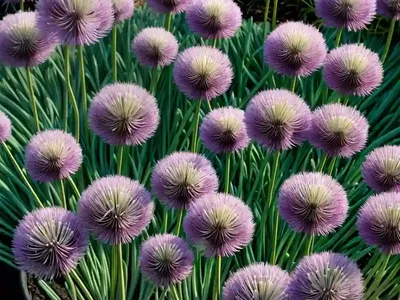
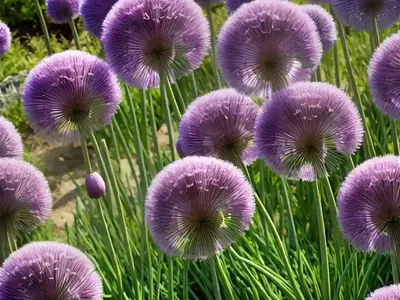
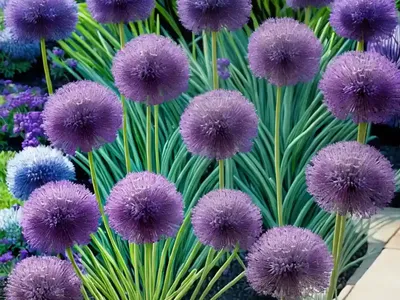
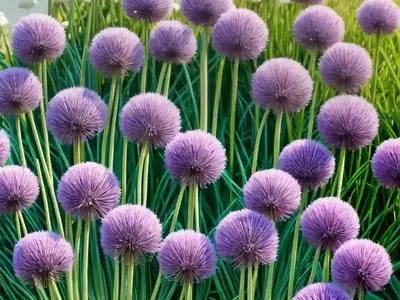
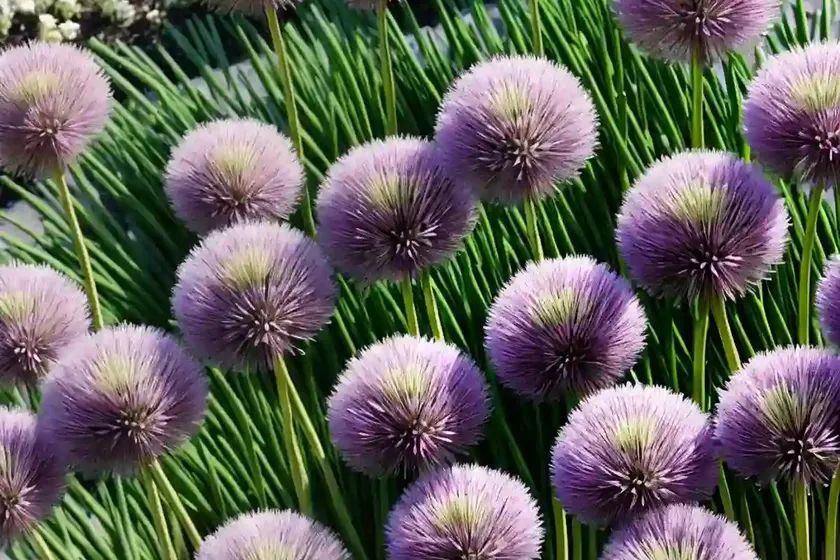
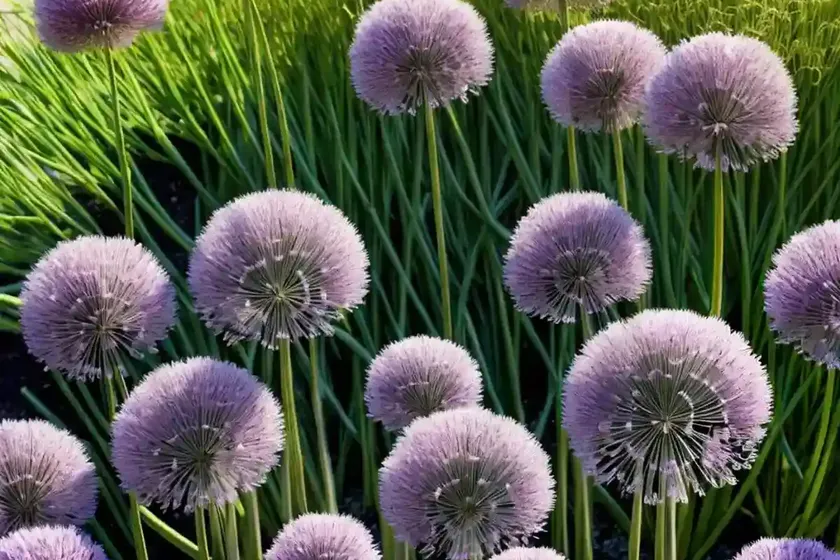
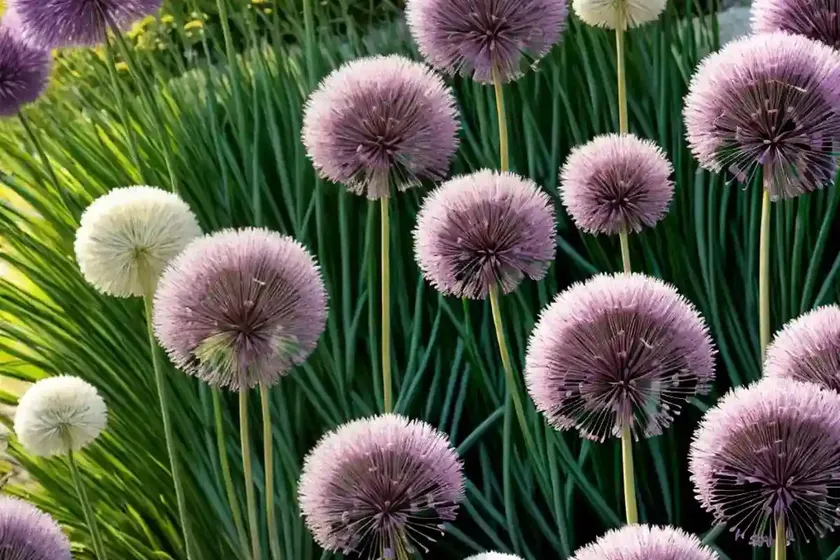
Beyond its culinary uses, chives are also valued for their ornamental appearance. The delicate, pale purple flowers that bloom in spring not only add visual appeal to gardens but also attract pollinators such as bees and butterflies.
Water
Chives thrive in well-drained soil and require regular watering to maintain adequate moisture levels. It is essential to ensure that the soil does not become waterlogged, as this can lead to root rot. During dry periods, it is important to water chives regularly to prevent the soil from drying out completely.
Sunlight
When it comes to sunlight, chives prefer a sunny location with partial shade. They benefit from receiving at least six hours of sunlight per day, making them a suitable herb for outdoor gardens and container cultivation on sunny balconies or patios.
Fertilizer
Chives are relatively low-maintenance when it comes to fertilization. A balanced, general-purpose fertilizer can be applied in the spring to support healthy growth. However, excessive fertilization should be avoided, as it can lead to an abundance of foliage at the expense of flavor and aroma.
Soil
Well-drained, fertile soil with a slightly alkaline pH is ideal for cultivating chives. Amending the soil with organic matter, such as compost, can help improve its texture and fertility. Chives are adaptable to various soil types but thrive in loamy, well-drained soil.
Pruning
Regular pruning of chive plants helps promote bushy growth and prevents them from becoming leggy. Harvesting the leaves and flowers for culinary use also encourages new growth and prolongs the plant’s productivity throughout the growing season.
Propagation
Chives can be propagated through division or by harvesting seeds. Dividing mature clumps of chives in spring or fall allows for the expansion of chive plantings and rejuvenates older patches. Alternatively, collecting and sowing chive seeds can also be a rewarding method of propagation.
Container Gardening
Chives are well-suited to container gardening and can be grown in pots, window boxes, or other suitable containers. This makes them an excellent option for urban or space-limited gardeners. When grown in containers, chives require well-draining potting mix and regular watering to thrive.
Popularity and Common Diseases
Common Diseases
Chives are relatively resistant to disease, particularly when grown in favorable conditions. However, they can be susceptible to certain fungal diseases, such as leaf blight and powdery mildew, if they are grown in excessively damp or humid environments. Additionally, proper air circulation and avoiding overhead watering can help prevent disease issues.
Disease Diagnosis
Identifying and diagnosing diseases in chive plants involves observing the appearance of the foliage, stems, and flowers. Symptoms such as discoloration, wilting, or unusual growth patterns can indicate potential disease problems. Proper identification of the specific issue is essential for implementing an effective treatment approach.
Common Pests
Chives are relatively resistant to pest infestations, but they can occasionally fall victim to pests such as aphids, thrips, and onion maggots. Regular monitoring of the plants and taking appropriate pest management measures, such as the application of botanical insecticides or the introduction of beneficial insects, can help control pest populations.
Botanist’s Tips
Health Benefits
Chives are not only a flavorful addition to culinary dishes but also offer various health benefits. They are rich in vitamins A and C, as well as minerals such as calcium and iron. Additionally, chives contain beneficial compounds such as allicin, which is known for its antimicrobial and antioxidant properties.
Medicinal Properties
In herbal medicine, chives have been traditionally used for their medicinal properties. They are believed to have diuretic and antibacterial effects, and their consumption is associated with potential cardiovascular and immune system benefits. Chives are also considered to have detoxifying properties and are used in certain herbal remedies.
Varieties
Several chive varieties are available to gardeners, offering variations in leaf color, plant size, and flavor intensity. Common varieties include common chives (Allium schoenoprasum), garlic chives (Allium tuberosum), and various cultivars with unique characteristics. Exploring different chive varieties can add diversity to culinary experiences and garden aesthetics.
Essential Oil
The essential oil derived from chives is recognized for its aromatic properties and has been used in perfumery and aromatherapy. It contains compounds that contribute to its characteristic scent and may have potential therapeutic benefits.
Fun Facts
- Throughout history, chives have been associated with various superstitions and beliefs. In European folklore, it was believed that scattering chives around the home could ward off evil spirits and protect against disease.
- Chives are part of the Allium genus, which also includes garlic (Allium sativum) and onions (Allium cepa). These plants share similarities in their growth habits and cultural requirements.
Links to External Resources
For further information on Allium schoenoprasum and related topics, explore the following external resources:
- Growing Chives in the Herb Garden
- Medicinal Uses of Chives
- Culinary Uses of Chives
- Chives: A Versatile Herb for Cooking
- Chives: Planting, Growing, and Harvesting
In conclusion, Allium schoenoprasum, or chives, is a versatile herb with a rich history of culinary, medicinal, and cultural significance. Its flavorful leaves and delicate flowers make it a valuable addition to gardens and kitchens alike. By understanding its cultural requirements, identifying potential diseases and pests, and exploring its various uses and benefits, gardeners and enthusiasts can fully appreciate the unique contributions of chives to horticulture and well-being.
As a plant scientist, I encourage you to explore the world of Allium schoenoprasum and discover the many ways it can enrich your gardening and culinary experiences.
Remember to embrace the lore and benefits of chives in your gardening journey, and share your knowledge and experiences with others who appreciate the wonders of this remarkable herb.
Happy gardening and culinary adventures with Allium schoenoprasum!