Allium ‘Round And Purple’ (Ornamental Onion)
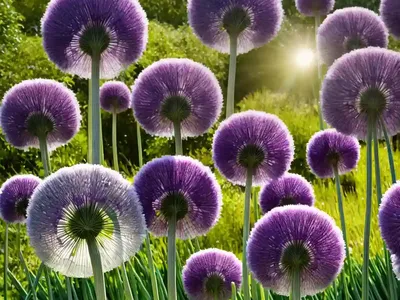
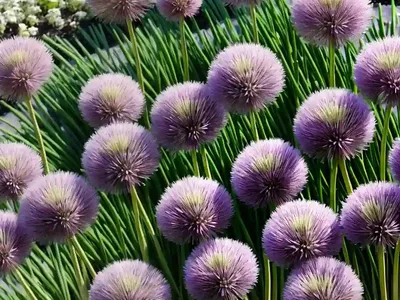
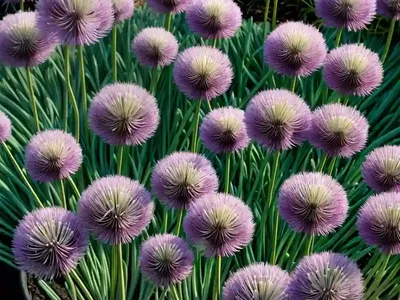
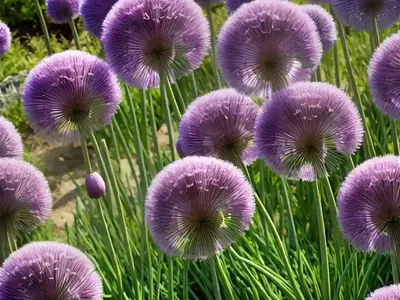
Allium ‘Round and Purple,’ commonly known as Ornamental Onion, is a stunning perennial plant celebrated for its striking globe-shaped blossoms and easy.
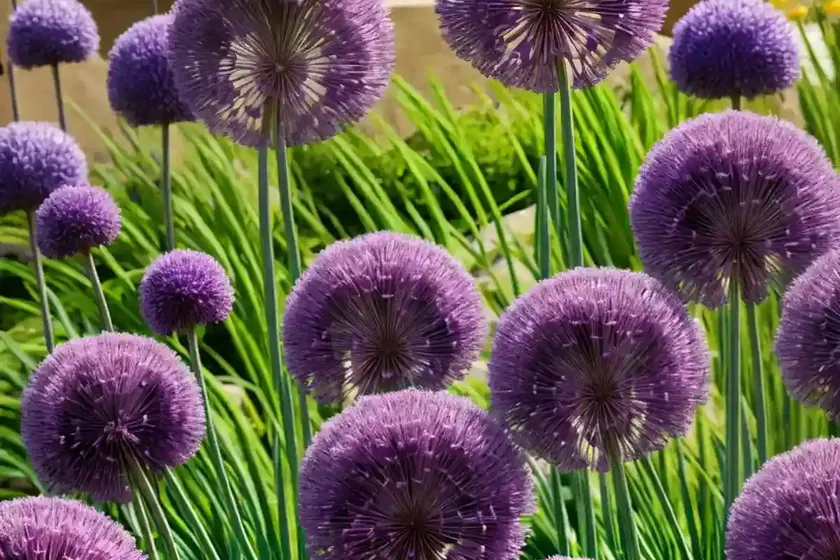
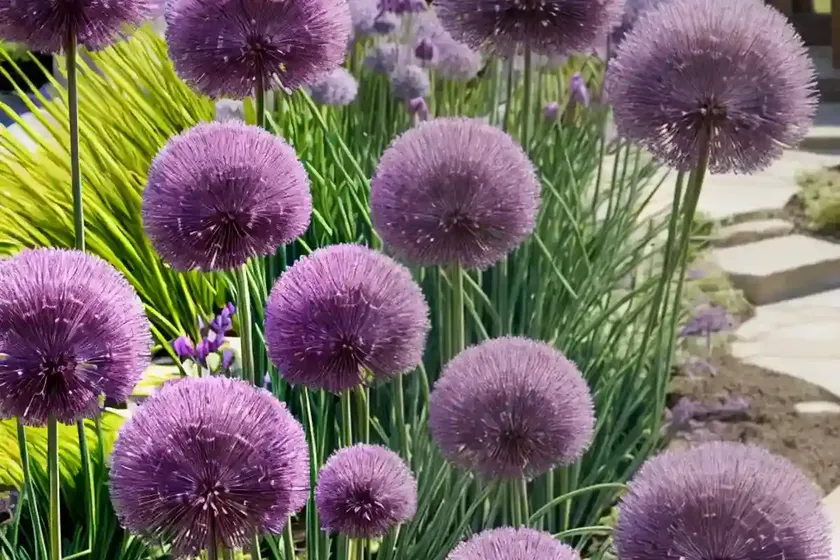
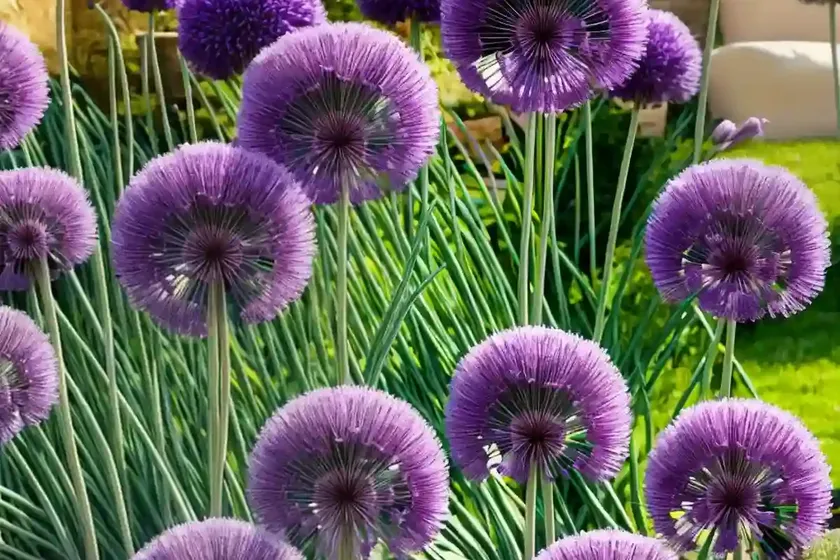
Allium ‘Round and Purple,’ commonly known as Ornamental Onion, is a stunning perennial plant celebrated for its striking globe-shaped blossoms and easy cultivation. With its remarkable attributes and vibrant appearance, this plant has become a favorite among gardeners and landscapers. In this comprehensive guide, we’ll delve into the various aspects of Allium ‘Round and Purple,’ ranging from its cultural preferences to propagation methods, diseases, and pests, providing you with valuable insights for successful cultivation and maintenance.
What is Allium ‘Round and Purple’?
Allium ‘Round and Purple’ is a charming perennial plant that belongs to the Allium genus within the Amaryllidaceae family. As an ornamental onion, it is renowned for its spherical flower heads and is commonly cultivated for its ornamental value. The plant is appreciated for its low maintenance requirements and reliable performance, making it a popular choice for gardens, landscapes, and containers.
Key Takeaways
- Scientific Name: Allium ‘Round and Purple’
- Common Name: Ornamental Onion
- Family: Amaryllidaceae
- Genus: Allium
- Plant Type: Perennial
- Flower Color: Purple
- Sunlight Needs: Full sun to partial shade
- Watering: Moderate
- Soil Type: Well-draining, fertile soil
- Height: 18-24 inches
- Spread: 4-6 inches
- USDA Hardiness Zones: 4-8
Let’s explore the various aspects of cultivating and caring for Allium ‘Round and Purple’ in detail, addressing its cultural preferences, uses, propagation methods, common diseases, and much more.
Cultural Preferences of Allium ‘Round and Purple’
Water
Allium ‘Round and Purple’ has moderate water needs and prefers soil that is kept consistently moist but not waterlogged. During the plant’s active growth period, regularly water the soil to keep it evenly moist, and avoid allowing it to dry out completely. Adequate moisture is crucial for promoting healthy foliage and flower development, especially during the plant’s flowering stage.
Sunlight
Being a sun-loving perennial, Allium ‘Round and Purple’ thrives in full sun to partial shade. It is essential to provide the plant with at least 6 hours of direct sunlight daily for optimal growth and robust flowering. In regions with intense summer heat, providing some protection from the harsh afternoon sun can prevent the plant from wilting or scorching.
Fertilizer
Allium ‘Round and Purple’ benefits from a balanced fertilizer application during its active growth period in spring. A general-purpose, granular fertilizer can be applied to the soil around the plant, ensuring that it’s gently worked into the topsoil to encourage nutrient absorption. Refrain from over-fertilizing, as excessive nitrogen can lead to lush foliage at the expense of plentiful blooms.
Soil
The ornamental onion thrives in well-draining, fertile soil with a slightly acidic to neutral pH. Amending the soil with organic matter, such as compost or well-rotted manure, can improve its texture and nutrient content, thereby promoting healthy root development and overall vigor. Avoid waterlogged or compacted soil, as it can lead to root rot and other detrimental conditions.
Pruning and Maintenance
Pruning
Pruning of Allium ‘Round and Purple’ primarily involves the removal of spent flower heads once they have faded. Deadheading not only maintains the plant’s neat appearance but also prevents it from self-sowing and potentially becoming invasive. Additionally, as the foliage begins to yellow and wither after flowering, it can be carefully trimmed back to ground level to tidy up the plant.
Propagation
Allium ‘Round and Purple’ can be propagated by division or from seed, with division being the more reliable and faster method. Division is best carried out in early spring, as new growth emerges, by carefully separating the bulbs and replanting them at the desired location. Alternatively, seeds collected after the plant has finished flowering can be sown in a prepared seedbed or containers for subsequent growth.
Container Popularity
The compact nature and captivating aesthetic of Allium ‘Round and Purple’ make it an excellent choice for container cultivation. Whether grown on its own or incorporated into mixed container plantings, the ornamental onion adds vertical interest and a pop of color. When planting in containers, ensure the use of well-draining potting mix and adequate space for root development.
Common Diseases and Pests
Disease Diagnosis
Allium ‘Round and Purple’ is generally resistant to most diseases; however, it can occasionally be affected by fungal infections such as botrytis. Common symptoms include wilting, yellowing foliage, and the presence of powdery mildew-like growth. To manage fungal diseases, promptly remove and discard affected plant parts, improve air circulation, and consider applying fungicidal treatments as necessary.
Common Pests
The ornamental onion is relatively resistant to pests, with its pungent scent and natural compounds serving as deterrents. However, it may encounter occasional issues with onion thrips and nematodes, which can cause damage to the foliage or roots. Utilizing insecticidal soaps, neem oil, or predatory beneficial insects can help mitigate pest populations without harming the plant.
Botanist’s Tips for Allium ‘Round and Purple’
-
Planting allium bulbs in clusters or drifts can create an impactful visual display and amplify their ornamental appeal.
-
Consider companion planting with low-growing perennials or ground covers to enhance the contrast and visual interest of the ornamental onion’s blooms.
-
Allow the allium flower heads to persist on the plant for added ornamental value and to provide interest throughout the autumn and winter seasons.
-
When choosing a site for planting, ensure proper drainage to prevent the risk of bulb rot and other water-related issues.
-
In areas with prolonged winter frosts, consider applying a layer of mulch to protect the bulbs from temperature fluctuations and excessive moisture.
Fun Facts about Allium ‘Round and Purple’
-
Allium ‘Round and Purple’ is not only an attractive ornamental plant but also edible, belonging to the same genus as culinary onions, garlic, and chives.
-
The plant’s distinctive globe-shaped flower heads are composed of numerous individual florets, which collectively create a stunning visual impact and attract pollinators.
-
In addition to its ornamental value, Allium ‘Round and Purple’ has been used in traditional medicine for various therapeutic purposes due to its purported medicinal properties.
-
Allium species are known for their deer-resistant attributes, making them an ideal choice for landscapes and garden areas prone to browsing wildlife.
Links to External Resources
To further expand your knowledge and explore additional information about Allium ‘Round and Purple’ and similar ornamental onion varieties, consider visiting the following reputable resources:
- The Royal Horticultural Society (RHS)
- University Cooperative Extension Services
- National Garden Bureau
By leveraging these resources, you can gain valuable insights, expert recommendations, and access to a wealth of plant-related knowledge to support your gardening endeavors.
In conclusion, Allium ‘Round and Purple’ (Ornamental Onion) is a captivating perennial plant celebrated for its charming flowers, low maintenance requirements, and versatile uses in diverse garden settings. By adhering to its cultural preferences, implementing effective maintenance practices, and understanding its unique characteristics, you can cultivate a thriving display of Allium ‘Round and Purple’ to enhance your outdoor spaces and delight both yourself and visitors.
With its striking bloom time, vibrant colors, and reliable performance, this ornamental onion is indeed a valuable addition to any garden, offering enduring beauty and a host of engaging qualities for all to enjoy.