Allium Roseum (Rosy Garlic)
Allium roseum, also known as Rosy Garlic, is a charming herbaceous perennial that belongs to the Alliaceae family within the Allium genus. With its.
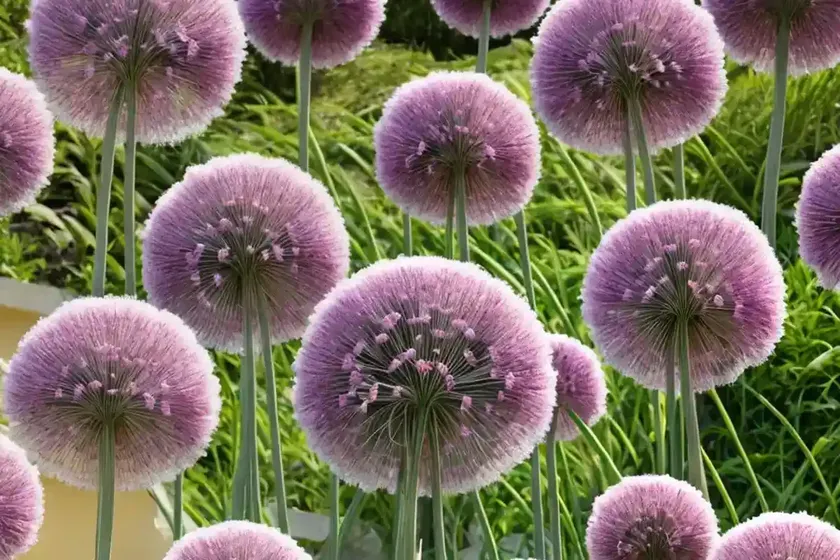
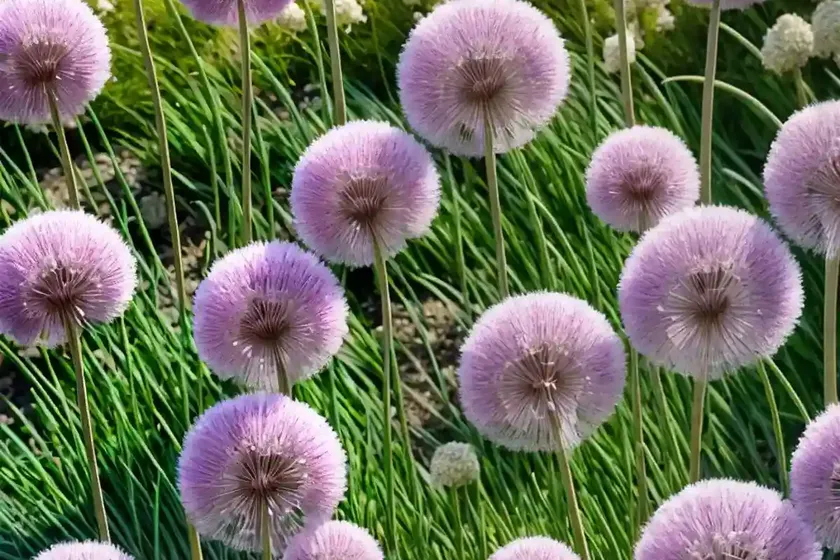
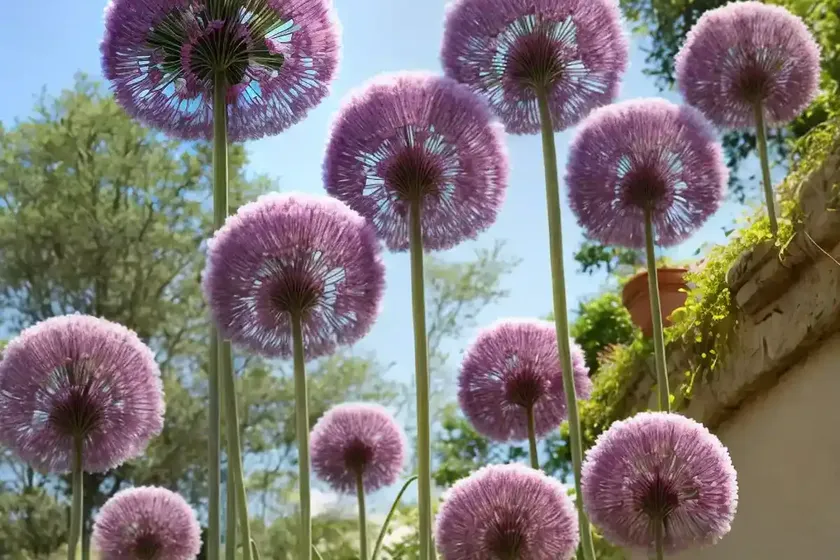
Allium roseum, also known as Rosy Garlic, is a charming herbaceous perennial that belongs to the Alliaceae family within the Allium genus. With its stunning clusters of tiny pink flowers and delightful garlic-like scent, it’s a favorite among gardeners and plant enthusiasts alike. In this comprehensive guide, we’ll explore everything you need to know about this beautiful plant, from its cultivation and care to its uses, maintenance, and more.
What is Allium roseum (Rosy Garlic)?
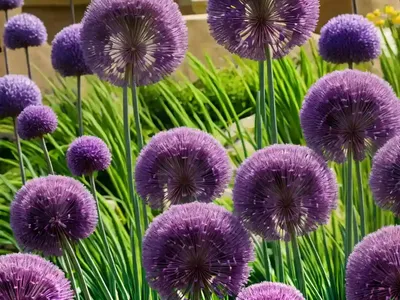
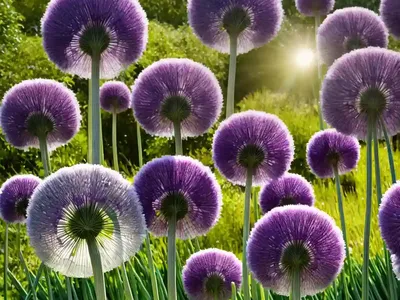
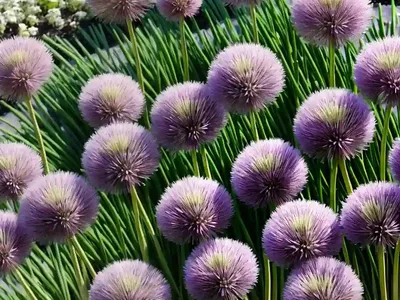
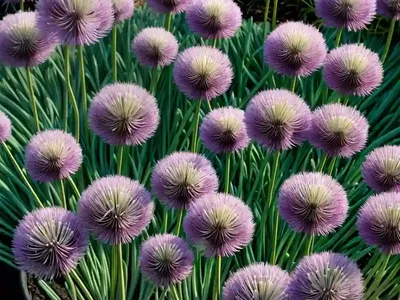
Allium roseum is a species of flowering plant native to the Mediterranean region, including parts of southern Europe and northern Africa. It is characterized by its delicate, star-shaped pink flowers that form dense, rounded clusters atop slender stems. With its narrow, grass-like foliage and eye-catching blooms, Allium roseum adds a touch of elegance to any garden or landscape.
Key Takeaways – Allium roseum (Rosy Garlic)
Before delving into the specifics of cultivating and caring for Allium roseum, let’s begin by summarizing some of the key takeaways about this delightful plant.
Culture
- Scientific Name: Allium roseum
- Common Name: Rosy Garlic
- Family: Alliaceae
- Genus: Allium
- Plant Type: Herbaceous Perennial
- Native Habitat: Mediterranean region
- Growth Habit: Clumping
- Foliage: Narrow, grass-like
- Flowers: Small, star-shaped, pink
- Scent: Garlic-like
Uses
- Culinary: Mild garlic flavor, edible flowers
- Ornamental: Adds charm to gardens, borders, and landscapes
- Medicinal: Folklore suggests various medicinal properties
- Wildlife: Attracts pollinators, deer-resistant
- Fragrance: Pleasant, garlic-like scent
Water
- Watering Needs: Moderate
- Watering Frequency: Regular, especially during the growing season
- Soil Moisture: Well-draining
Sunlight
- Light Requirements: Full sun to partial shade
- Optimal Light: 6-8 hours of direct sunlight per day
- Shade Tolerance: Partial shade, especially in hotter climates
Fertilizer
- Fertilization: Low-maintenance, organic fertilizer during the growing season
- Soil Amendment: Well-draining, nutrient-rich soil
Soil
- Soil Type: Well-draining, loamy soil
- pH Level: Slightly acidic to neutral (pH 6.0-7.0)
- Soil Texture: Sandy loam, enriched with organic matter
Pruning
- Pruning Needs: Minimal
- Deadheading: Remove spent flowers to encourage continual blooming
- Clean-up: Trim back foliage after flowering for a tidier appearance
Propagation
- Propagation Methods: Division, seed propagation
- Division Time: Early spring or early autumn
- Seed Planting: Sow seeds in fall or early spring
Container Popularity
- Suitability for Containers: Excellent for container gardening
- Container Size: Preferably a deep container for root development
Common Diseases
- Disease Susceptibility: Generally resistant to diseases
- Common Issues: Sclerotium rot, downy mildew in prolonged wet conditions
- Preventive Measures: Good air circulation, well-draining soil
Disease Diagnosis
- Symptoms: Yellowing foliage, stunted growth, wilted appearance
- Physical Examination: Check for signs of rot, mildew, or pest infestations
- Prompt Action: Address issues promptly to prevent further spread
Common Pests
- Pest Susceptibility: Minimal
- Potential Pests: Aphids, thrips
- Natural Control: Attracts beneficial insects to aid in pest management
Botanist’s Tips
- Companion Planting: Pair with other ornamental perennials and herbs
- Landscape Design: Ideal for borders, rock gardens, and naturalized areas
- Fragrance Use: Fresh or dried blooms for aromatic arrangements
- Culinary Uses: Edible flowers to garnish salads, desserts, and cocktails
Fun Facts
- Ethnobotanical History: Used in traditional medicine and folklore
- Wildlife Attraction: Attracts bees, butterflies, and other pollinators
- Deer Resistance: Repels deer due to its garlic-like scent
Links to External Resources
For additional information and resources on Allium roseum, consider exploring the following links:
Allium roseum (Rosy Garlic): Cultivation and Care
Now that we’ve covered the basic overview of Allium roseum, let’s dive deeper into its cultivation and care requirements to ensure its successful growth in your garden or landscape.
Planting Guide
Planting Time
- Spring Planting: Ideal for established plants or divisions
- Fall Planting: Suitable for planting new bulbs or seeds
Planting Depth
- Bulbs: Plant at a depth of 2-3 inches
- Seeds: Sow at soil surface, lightly press into the soil
Spacing
- Clumps: Space 4-6 inches apart for proper airflow and growth
Watering Upon Planting
- Initial Watering: Provide adequate moisture after planting to establish roots
- Avoid Overwatering: Ensure the soil is moist but not waterlogged
Maintenance
Watering
- Established Plants: Water deeply once per week, more during hot, dry spells
- Young Plants: Provide regular water to encourage healthy growth
- Mulching: Apply a layer of mulch to retain soil moisture and suppress weeds
Sunlight
- Optimal Exposure: Full sun to partial shade
- Morning Sun: Preferable in warmer climates to avoid scorching midday sun
Fertilization
- Fertilization Frequency: Annual feeding in early spring
- Fertilizer Type: Balanced, slow-release fertilizer suitable for flowering perennials
Soil
- Soil Amendments: Add compost or organic matter to enrich the soil
- Soil pH Testing: Regularly monitor soil pH to ensure optimal conditions
Pruning and Deadheading
- Deadhead Effectively: Trim spent flowers to encourage continuous blooming
- Post-Flowering Care: Cut back foliage after flowering for a neater appearance
Propagation Tips
- Division: Divide clumps every 3-4 years to rejuvenate plant vigor
- Seed Collection: Collect seeds after flowering for propagation in suitable conditions
Common Uses of Rosy Garlic
Culinary Uses
- Edible Flowers: Garnish salads, soups, and appetizers for a mild garlic flavor
- Flower Buds: Pickled flower buds for a unique culinary twist
- Culinary Pairings: Complementing flavors with seafood, vegetables, and cheese dishes
Ornamental Value
- Landscape Enhancement: Adds a pop of color to borders, rock gardens, and naturalized areas
- Floral Arrangements: Fresh or dried blooms in floral displays for their pleasant fragrance
Medicinal and Folklore Uses
- Historical Uses: Traditional medicine for various ailments
- Ethnobotanical Significance: Folklore associated with various beliefs and uses
Landscape Design and Companions
Border Plant
- Edge Planting: Ideal for defining and delineating garden borders
- Companion Plants: Pair with other sun-loving perennials for a diverse border
Fragrance and Aesthetics
- Fragrant Flowers: Provides a pleasant, garlic-like scent in outdoor spaces
- Aesthetic Appeal: Attracts pollinators and adds visual interest to the garden
Container Gardening
- Container Selection: Choose a deep container to accommodate root growth
- Container Companions: Pair with trailing annuals or other perennials for a mixed container display
Wildlife and Ecological Benefits
Pollinator Attraction
- Bee Friendly: Attracts bees and other pollinators with its nectar-rich flowers
- Butterfly Magnet: Butterflies are drawn to the delicate blooms for nectar
Wildlife Resistance
- Deer-Resistant: Repels deer due to its garlic-like aroma
- Pest Attraction: Attracts beneficial insects for natural pest control
Ethnobotanical History
Traditional Uses
- Cultural Significance: Historically used for various medicinal and culinary purposes
- Folklore and Beliefs: Associated with diverse cultural myths, legends, and practices
Allium roseum: Common Diseases and Pest Management
Despite its resilience, Allium roseum is susceptible to certain diseases and pests that warrant attention for its long-term health and vitality.
Common Diseases
- Sclerotium Rot: Occurs in waterlogged soil, causing root and bulb rots
- Downy Mildew: Fungal disease appearing as yellow spots on foliage in prolonged wet conditions
Disease Diagnosis and Control
- Visual Examination: Look for signs of wilting, discoloration, or unusual growth patterns
- Timely Action: Address issues promptly to prevent spread and damage
Common Pests
- Aphids: Common sap-feeding pests that can cause distortion of new growth
- Thrips: Tiny insects that may cause stippling or discoloration on foliage
Pest Management
- Natural Predators: Attract natural predators such as ladybugs and lacewings for pest control
- Organic Controls: Use insecticidal soaps or neem oil for eco-friendly pest management
Conclusion
Allium roseum (Rosy Garlic) is a unique and versatile plant that offers both beauty and functionality in the garden. From its charming pink blooms to its culinary and medicinal uses, this herbaceous perennial is sure to captivate gardeners and plant enthusiasts alike. By understanding its cultivation and care requirements, as well as its uses and ecological benefits, you can successfully integrate this delightful plant into your garden or landscape, adding a touch of allure and practicality to outdoor spaces.
Whether you’re drawn to its fragrant blooms, its culinary potential, or its ecological contributions, Allium roseum has much to offer, making it a valuable addition to any outdoor environment.
As you embark on your journey with Allium roseum (Rosy Garlic), may this comprehensive guide serve as a beacon of knowledge and inspiration, guiding you towards the successful cultivation and enjoyment of this remarkable plant.