Allium ‘Purple Rain’ (Ornamental Onion)
Allium ‘Purple Rain’ is a stunning ornamental onion that adds a unique touch to gardens and landscapes. In this comprehensive guide, we will explore.
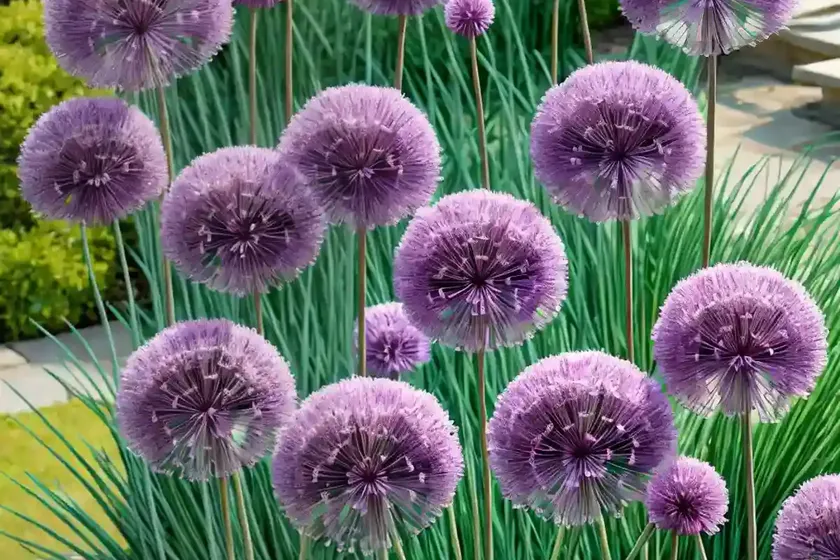
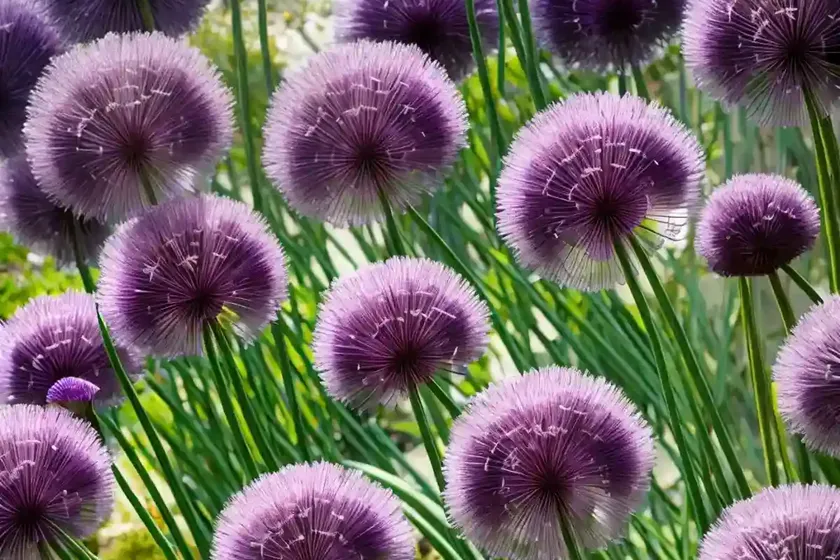
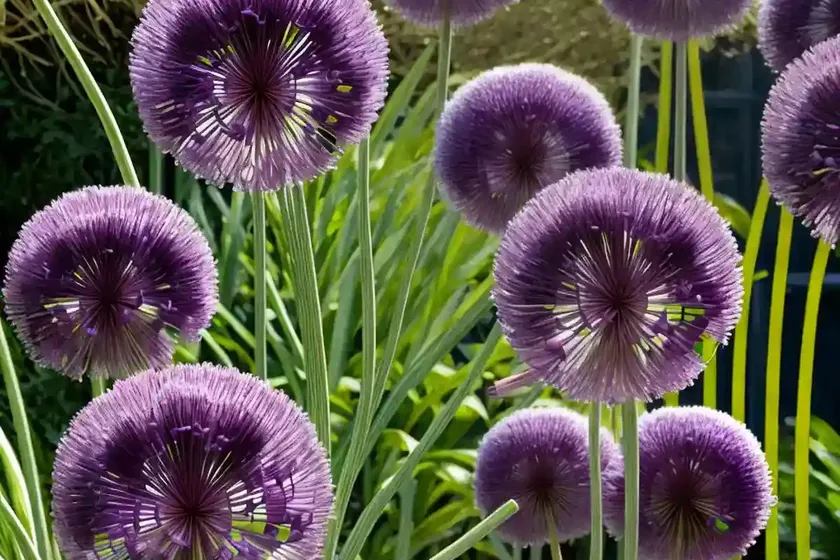
Allium ‘Purple Rain’ is a stunning ornamental onion that adds a unique touch to gardens and landscapes. In this comprehensive guide, we will explore everything you need to know about this beautiful plant, from its culture and uses to its care, maintenance, and characteristics. Whether you are a seasoned gardener or just starting out, this article will provide valuable insights into cultivating and enjoying Allium ‘Purple Rain’ in your outdoor spaces.
What is Allium ‘Purple Rain’?
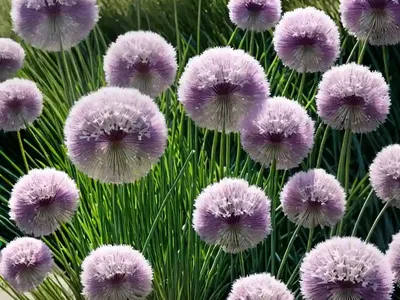
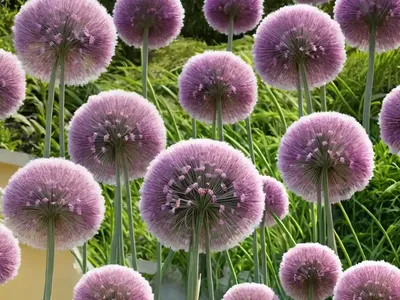
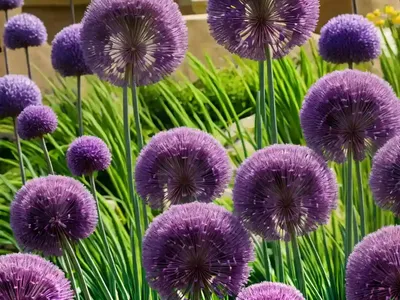
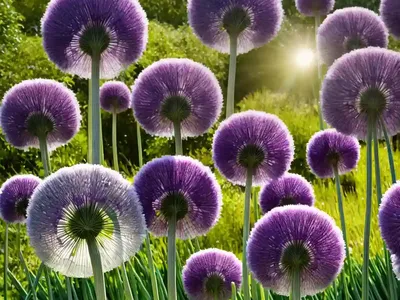
Allium ‘Purple Rain’ is a perennial flowering plant that belongs to the Allium genus, which includes onions, garlic, and other plants with similar characteristics. It is characterized by its showy globe-shaped clusters of small, star-shaped flowers that bloom in a stunning shade of purple. These flowers are held aloft on sturdy stems, adding vertical interest to the garden. The ornamental onion is known for its resilience, low-maintenance nature, and ability to attract pollinators, making it a popular choice for gardeners looking to add color and texture to their outdoor spaces.
Key Takeaways – Allium ‘Purple Rain’ (Ornamental Onion)
Before delving into the specifics of cultivating Allium ‘Purple Rain’, it is important to understand the key aspects that contribute to its successful growth and enjoyment in a garden or landscape setting. The following takeaways will serve as a roadmap for our exploration of this unique ornamental plant:
- Culture
- Uses
- Water
- Sunlight
- Fertilizer
- Soil
- Pruning
- Propagation
- Container Popularity
- Container Common Diseases
- Disease Diagnosis
- Common Pests
- Botanist’s Tips
- Fun Facts
- Links to External Resources
Now, let’s embark on a detailed journey into the aspects of Allium ‘Purple Rain’ that will enable you to cultivate and appreciate this plant to its fullest potential.
Culture
Understanding the cultural requirements of Allium ‘Purple Rain’ is essential for creating an environment in which it can thrive. This encompasses aspects such as planting location, soil conditions, and overall care.
Uses
Allium ‘Purple Rain’ is highly versatile and can be used in various ways to enhance the aesthetic appeal and ecological value of a garden or landscape. Some common uses of Allium ‘Purple Rain’ include:
- Border plant: Due to its tall stems and striking flowers, Allium ‘Purple Rain’ makes an excellent addition to garden borders, adding vertical interest and texture.
- Cut flowers: The long-lasting blooms of Allium ‘Purple Rain’ can be used as cut flowers in floral arrangements, bringing the beauty of the garden indoors.
- Pollinator attraction: The nectar-rich flowers of Allium ‘Purple Rain’ attract bees, butterflies, and other pollinators, making it a valuable addition to pollinator-friendly gardens.
- Focal point: When planted in groups or clusters, Allium ‘Purple Rain’ can serve as a focal point in the garden, drawing attention with its unique and beautiful blooms.
Water
Proper watering is crucial for the health and vitality of Allium ‘Purple Rain’. While it is tolerant of drought conditions once established, it thrives best in moist, well-drained soil. When watering, it is essential to ensure that the soil is not waterlogged, as excessive moisture can lead to root rot and other issues.
Sunlight
Allium ‘Purple Rain’ flourishes in full sunlight, making it an excellent choice for open, sun-drenched areas of the garden. A minimum of six to eight hours of direct sunlight per day is ideal for promoting robust growth and prolific flowering.
Fertilizer
While Allium ‘Purple Rain’ is not excessively demanding in terms of fertilizer, a balanced, all-purpose fertilizer can be applied in spring as new growth emerges. It is essential to follow the recommended dosage and application guidelines to avoid over-fertilization, which can be detrimental to the plant.
Soil
Well-drained, fertile soil is paramount for the successful cultivation of Allium ‘Purple Rain’. A soil pH level in the slightly acidic to neutral range is preferred. Amending the soil with organic matter such as compost can improve its structure and nutrient content, creating an ideal growing environment for the ornamental onion.
Pruning
Pruning requirements for Allium ‘Purple Rain’ are minimal. Once the flowers have faded and the foliage begins to yellow and wither, the stems can be cut back to ground level. This deadheading process helps maintain the plant’s appearance and directs its energy back into the bulb for the following growing season.
Propagation
Allium ‘Purple Rain’ can be propagated through division or by collecting and planting its seeds. Division is typically carried out in early autumn when the plant is dormant. The bulbs are carefully lifted, separated, and replanted at the desired locations. Seed propagation involves collecting the seed heads once they have fully matured, extracting the seeds, and sowing them in a prepared seed bed or container.
Container Popularity
The compact nature of Allium ‘Purple Rain’ makes it well-suited for container gardening. Its upright growth habit and captivating flowers make for an eye-catching addition to container displays on patios, balconies, and outdoor living spaces. When growing Allium ‘Purple Rain’ in containers, it is crucial to ensure adequate drainage and use a high-quality potting mix to support healthy growth.
Common Diseases
Allium ‘Purple Rain’ is generally resistant to most common plant diseases. However, it can be susceptible to issues such as onion white rot, a fungal disease that affects the roots and base of the plant. Proper cultural practices, including well-drained soil and good air circulation, can help mitigate the risk of disease.
Disease Diagnosis
Visual symptoms of onion white rot include yellowing and wilting of the foliage, as well as decay of the bulb and root tissues. A distinctive white, fluffy fungal growth may be observed at the base of the plant. If these symptoms are present, it is essential to address the issue promptly to prevent the spread of the disease to other plants in the vicinity.
Common Pests
Allium ‘Purple Rain’ is relatively resistant to pest infestations, with its pungent odor deterring many potential invaders. However, it may occasionally be targeted by pests such as onion flies and thrips. Vigilance and early intervention are key to preventing significant damage from pest infestations.
Botanist’s Tips
For optimal success with Allium ‘Purple Rain’, consider the following expert tips:
- Plant in well-drained soil: Ensure that the planting location provides adequate drainage to prevent waterlogging, which can lead to root issues.
- Deadhead spent flowers: Removing faded blooms not only enhances the plant’s appearance but also promotes the development of new, healthy growth.
- Provide full sunlight: Situate Allium ‘Purple Rain’ in a location with ample sunlight to support robust flowering and overall vigor.
Fun Facts
- The genus name “Allium” is derived from the Latin word for garlic, reflecting the inclusion of garlic and onion species within this diverse plant group.
- Allium ‘Purple Rain’ is deer resistant, making it a valuable choice for gardens in areas prone to deer browsing.
- In addition to its ornamental value, the flowers of Allium ‘Purple Rain’ are edible and can be used to add a mild onion flavor to culinary creations.
Links to External Resources
For further information on Allium ‘Purple Rain’, explore the following resources:
- Royal Horticultural Society – Allium ‘Purple Rain’
- Missouri Botanical Garden – Allium ‘Purple Rain’
- The Spruce – Allium ‘Purple Rain’ Growing Guide
In conclusion, Allium ‘Purple Rain’ is an enchanting ornamental onion with much to offer to gardeners and landscape enthusiasts. By understanding its cultural requirements, uses, and maintenance practices, you can cultivate and enjoy the beauty of this plant while contributing to the ecological health of your outdoor spaces. Whether planted in garden borders, containers, or pollinator gardens, Allium ‘Purple Rain’ stands out as a resilient, visually striking addition to any landscape.