Allium Karataviense ‘Ivory Queen’ (Turkistan Onion)
Allium karataviense ‘Ivory Queen’, commonly known as the Turkistan Onion, is a stunning and unique plant that adds beauty and character to any garden or.
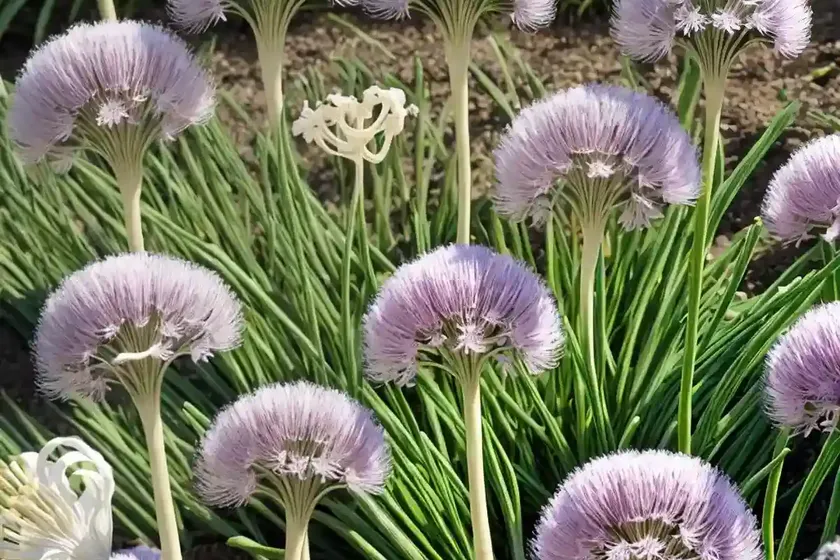
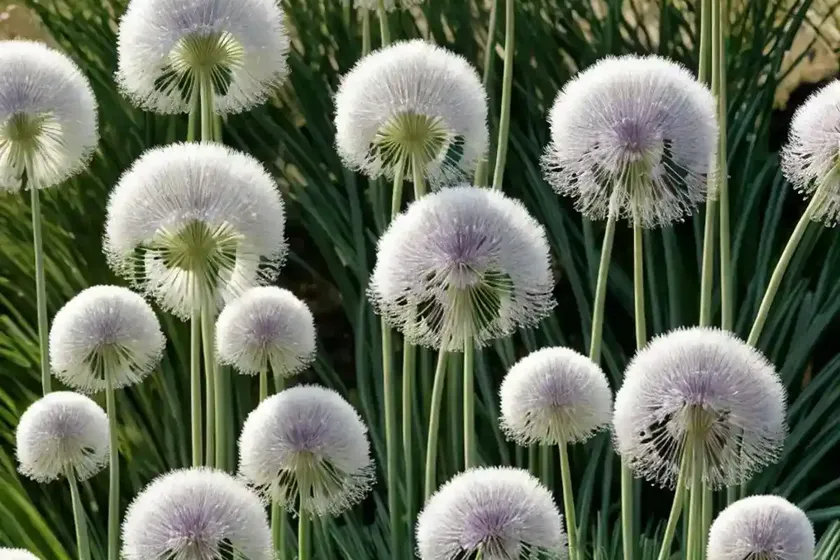
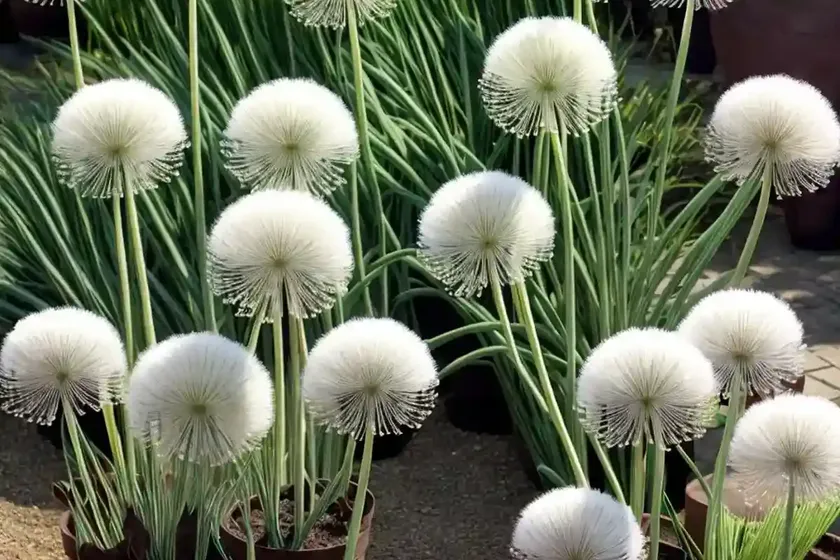
Allium karataviense ‘Ivory Queen’, commonly known as the Turkistan Onion, is a stunning and unique plant that adds beauty and character to any garden or landscape. In this comprehensive guide, we will delve into the various aspects of this exceptional ornamental onion, including its culture, uses, care requirements, and propagation methods. Whether you are a seasoned gardener looking to diversify your garden or a beginner eager to learn about this fascinating plant, this guide will equip you with the knowledge needed to nurture and appreciate the Allium karataviense ‘Ivory Queen’ to its fullest potential.
What is Allium karataviense ‘Ivory Queen’?
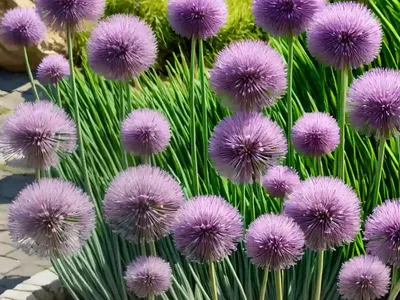
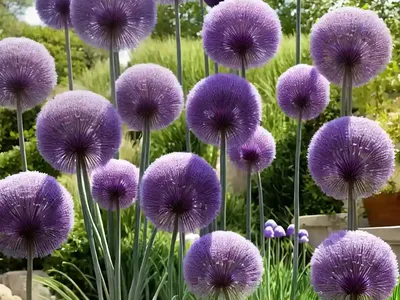
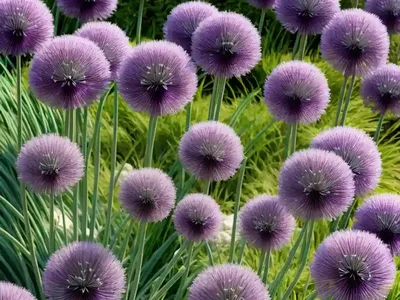
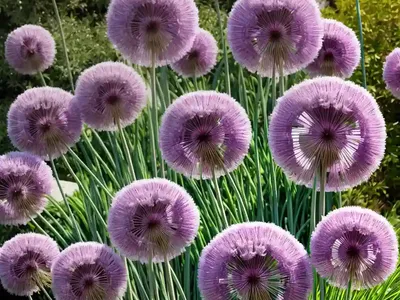
Allium karataviense ‘Ivory Queen’ is a unique and eye-catching ornamental onion that belongs to the Allium genus. Native to the mountains of Central Asia, particularly in the regions of Turkistan and Tajikistan, this plant is admired for its distinct ivory-white flowers and broad, strappy leaves. It is a herbaceous perennial that is treasured for its ornamental value and low-maintenance nature.
Key Takeaways – Allium karataviense ‘Ivory Queen’
Before we dive into the specifics of caring for the Allium karataviense ‘Ivory Queen’, let’s highlight some key takeaways that will serve as a foundation for our exploration:
- Plant Name: Allium karataviense ‘Ivory Queen’ (Turkistan Onion)
- Hardiness Zone: 5-8
- Plant Type: Herbaceous perennial
- Bloom Time: Late spring to early summer
- Mature Height: 8-12 inches
- Mature Spread: 6-8 inches
- Sunlight: Full sun to partial shade
- Soil: Well-draining soil with moderate fertility
- Water: Moderate water requirements
- Uses: Border plant, rock gardens, containers
- Foliage Color: Gray-green
- Flower Color: Ivory-white
- Common Pests: Onion fly, thrips
- Common Diseases: Botrytis, downy mildew
Now that we have a general overview of the Allium karataviense ‘Ivory Queen’, let’s delve deeper into its culture, uses, and care requirements to ensure that we can fully appreciate and nurture this captivating plant.
Culture
Water
Allium karataviense ‘Ivory Queen’ prefers moderate watering and well-drained soil to prevent waterlogged conditions, which can lead to root rot. During the growing season, it is important to water the plant regularly, keeping the soil consistently moist but not soggy. However, it is essential to allow the soil to dry out slightly between watering sessions to maintain optimal growing conditions.
During the dormant season, which occurs in late summer and early fall, it is advisable to reduce the frequency of watering to encourage the plant to enter its natural resting phase. This reduction in watering mimics the drier conditions of its native habitat and supports the plant’s long-term health.
Sunlight
In terms of sunlight requirements, Allium karataviense ‘Ivory Queen’ thrives in full sun to partial shade. When planted in a location that receives at least six hours of direct sunlight per day, the plant is more likely to exhibit robust growth and abundant flowering. However, it can also tolerate partial shade, making it a versatile option for various garden settings.
Soil
The soil in which Allium karataviense ‘Ivory Queen’ is planted plays a significant role in its overall health and performance. The plant requires well-draining soil with moderate fertility. A sandy or loamy soil type with a slightly acidic to neutral pH level is ideal for cultivating this ornamental onion. Enhancing the soil with organic matter, such as compost or well-rotted manure, can further improve its structure and fertility, providing an optimal growing environment for the plant.
Uses
Allium karataviense ‘Ivory Queen’ exhibits versatile uses within garden and landscape settings, making it a valuable addition to any outdoor space. Some of the most common uses of this Turkistan Onion include:
-
Border Plant: With its striking foliage and attractive flowers, the Allium karataviense ‘Ivory Queen’ is often used as a border plant to delineate garden beds and pathways. When planted in groups, it creates a visually appealing border that adds charm and elegance to the landscape.
-
Rock Gardens: The compact growth habit and ornamental features of the Allium karataviense ‘Ivory Queen’ make it well-suited for rock gardens and alpine plantings. Its ability to thrive in well-drained, rocky soils makes it an excellent choice for these specialized garden settings.
-
Containers: This ornamental onion can be grown in containers, allowing it to be showcased on patios, balconies, or other outdoor spaces. When potted, it adds a unique charm that complements various container plantings, creating an eye-catching display.
Fertilizer
When it comes to fertilizing Allium karataviense ‘Ivory Queen’, a balanced and diluted fertilizer can be applied during the early spring as the plant begins its active growth phase. A slow-release or organic fertilizer with a balanced N-P-K (nitrogen, phosphorus, and potassium) ratio can provide the necessary nutrients to support the plant’s development and flowering.
It is important to avoid over-fertilizing the plant, as excessive nitrogen can lead to lush foliage at the expense of flower production. Following the application instructions provided by the fertilizer manufacturer and avoiding direct contact of the fertilizer with the plant’s foliage can prevent potential damage and promote healthy growth.
Pruning
Deadheading
Deadheading, the practice of removing spent flowers, can be beneficial for Allium karataviense ‘Ivory Queen’. By deadheading the plant after the blooming period, you can prevent it from expending energy on seed production and encourage it to redirect its resources towards storing nutrients in its bulbs.
By redirecting these nutrients, the plant can strengthen its bulbs, supporting vigorous growth and enhanced flowering in the following growing season. Deadheading also contributes to the plant’s overall appearance, preserving its tidy and well-groomed look.
Foliage Removal
After the plant enters its dormancy period in late summer to early fall, the foliage of Allium karataviense ‘Ivory Queen’ will naturally start to wither and turn yellow. At this stage, it is advisable to remove the fading foliage, trimming it back to ground level. This practice helps to tidy the garden and prevents decaying foliage from serving as a potential site for pests and diseases.
Division
The bulbs of Allium karataviense ‘Ivory Queen’ can benefit from division every few years to maintain the plant’s vigor and prevent overcrowding. Division is typically carried out in late summer or early fall, allowing ample time for the bulbs to establish before the onset of winter.
To divide the bulbs, carefully dig them up, ensuring that each division has sufficient roots and healthy sections. The divided bulbs can then be replanted at the appropriate spacing, providing them with the space they need to thrive and produce abundant blooms.
Propagation
Propagation of Allium karataviense ‘Ivory Queen’ can be achieved through various methods, allowing gardeners to expand their collection of these captivating ornamental onions. The following are the primary propagation methods for the Turkistan Onion:
Division
As mentioned earlier, division is an effective propagation method for Allium karataviense ‘Ivory Queen’. By separating the mature bulbs into smaller divisions, each with its own roots and growing points, gardeners can create new plantings or share the divisions with other gardening enthusiasts.
When dividing the bulbs, it is essential to handle them with care to avoid damaging the roots or growing points. Replanting the divisions in well-prepared soil and providing them with appropriate care will support their successful establishment and future growth.
Seed Propagation
Although less commonly practiced due to the time and effort involved, Allium karataviense ‘Ivory Queen’ can also be propagated from seeds. The seeds can be collected from the plant after the flowering period and sown in a suitable growing medium.
When propagating Allium karataviense ‘Ivory Queen’ from seeds, it is important to provide the necessary conditions for germination, including optimal temperature, moisture, and light levels. From germination to the development of mature bulbs, seed propagation requires patience and consistent care to achieve successful results.
Container Popularity
Allium karataviense ‘Ivory Queen’ is well-suited for container cultivation, offering a compact yet captivating presence that enhances container plantings. Due to its moderate size and ornamental value, it can be featured in containers on patios, decks, or other outdoor spaces, bringing a touch of elegance and sophistication to the surroundings.
When planting Allium karataviense ‘Ivory Queen’ in containers, it is crucial to use a high-quality potting mix that provides excellent drainage. This helps to prevent waterlogging and creates an environment that mimics the well-drained soils the plant naturally thrives in. Additionally, positioning the containers in a location that receives the appropriate sunlight exposure supports the plant’s growth and flowering.
Common Diseases
Botrytis
Botrytis, or gray mold, is a fungal disease that can affect Allium karataviense ‘Ivory Queen’, particularly in conditions of high humidity and poor air circulation. The disease manifests as grayish-brown spots on the plant’s foliage, often accompanied by a fluffy gray mold.
To prevent and manage botrytis, it is crucial to promote good air circulation around the plant by providing adequate spacing between individual specimens and avoiding overhead watering. Pruning or removing any affected foliage can help reduce the spread of the disease. Additionally, applying fungicides labeled for botrytis control, following the manufacturer’s instructions, can aid in managing the disease.
Downy Mildew
Downy mildew is another potential concern for Allium karataviense ‘Ivory Queen’, especially in conditions of high moisture and humidity. This fungal disease presents as yellow or brown patches on the plant’s foliage, often accompanied by a fuzzy, grayish growth on the undersides of the leaves.
Preventing downy mildew involves maintaining proper air circulation, practicing thorough garden sanitation, and avoiding overhead watering. Fungicidal treatments labeled for downy mildew control can be applied preventively or as soon as symptoms are observed, following the recommended application rates and schedules.
Disease Diagnosis
Diagnosing diseases in Allium karataviense ‘Ivory Queen’ involves careful observation of the plant’s foliage, stems, and overall appearance. When assessing the plant for potential diseases, look for the following symptoms and signs, which can indicate specific issues:
- Foliage Spots: Discolored spots or patches on the foliage may indicate the presence of fungal diseases such as botrytis or downy mildew.
- Fuzzy Growth: A fuzzy, mold-like growth on the plant’s leaves or stems can be a sign of fungal diseases, particularly in conditions of high humidity.
- Stunted Growth: Reduced growth or wilting of the plant can be indicative of root-related diseases, such as rot caused by waterlogged soil.
- Yellowing Leaves: Yellowing or browning of the leaves, especially in the absence of other explanations such as nutrient deficiencies or environmental stress, can be a symptom of various diseases.
When diagnosing potential diseases, it is essential to consider the environmental conditions, cultural practices, and recent changes in the plant’s surroundings to determine the most likely cause of the observed symptoms. If in doubt, seeking the advice of a professional plant pathologist or horticulturist can help in accurately diagnosing and managing plant diseases.
Common Pests
Onion Fly
The onion fly, also known as the onion maggot, is a common pest that can pose a threat to Allium species, including Allium karataviense ‘Ivory Queen’. The adult flies lay their eggs near the base of the plant, and the resulting larvae feed on the bulb and roots, potentially causing significant damage.
To manage onion flies, it is essential to practice good garden hygiene, including removing any infested plant material and providing proper sanitation. Additionally, using physical barriers, such as floating row covers, can help to prevent the adult flies from laying eggs near the plants. Chemical control options may also be considered if the infestation is severe, with insecticides labeled for onion fly management being applied according to the manufacturer’s instructions.
Thrips
Thrips are another potential pest that may affect Allium karataviense ‘Ivory Queen’, particularly by feeding on the plant’s foliage and causing stippling or discoloration. These tiny, slender insects can be challenging to control due to their ability to feed within the plant tissues.
To manage thrips, it is important to monitor the plant regularly for signs of infestation and employ strategies such as the use of insecticidal soaps or oils labeled for thrips control. Providing a suitable habitat for natural predators of thrips, such as ladybugs or lacewings, can also contribute to their suppression. Integrated pest management practices that combine cultural, physical, and chemical control methods can be effective in managing thrips on Allium karataviense ‘Ivory Queen’.
Botanist’s Tips
As a plant botanist specializing in ornamental alliums, I have gathered valuable insights and tips for successfully cultivating and caring for Allium karataviense ‘Ivory Queen’. These tips are based on years of observation, research, and hands-on experience with this delightful ornamental onion. By incorporating these botanist’s tips into your gardening practices, you can enhance your ability to grow and appreciate the unique beauty of this Turkistan Onion:
-
Good Drainage: Ensuring proper drainage for Allium karataviense ‘Ivory Queen’ is crucial for preventing waterlogged conditions. Amending the soil with coarse sand or organic matter can improve its drainage capacity, creating a conducive environment for the plant.
-
Soil Preparation: Prior to planting, prepare the soil by incorporating well-rotted organic matter to enhance its fertility and structure. This provides the plant with essential nutrients and a supportive growing medium.
-
Planting Depth: When planting the bulbs, ensure that they are positioned at the appropriate depth to support healthy establishment and flowering. A general guideline is to plant the bulbs at a depth that is approximately three times their diameter.
-
Mulching: Applying a layer of organic mulch around the base of the plants can help to conserve soil moisture, suppress weed growth, and moderate soil temperature. However, it is important to avoid placing the mulch directly in contact with the plant’s stems to prevent potential issues such as rotting and pest harborage.
-
Regular Monitoring: Regular monitoring of the plants for signs of pests, diseases, or cultural issues allows for prompt intervention and effective management. In addition to visual inspections, staying attentive to any changes in the plant’s growth and appearance can provide valuable insights into its overall health.
-
Overwintering: Providing adequate protection for the bulbs during the winter months is essential for their survival and future growth. In regions with harsh winters, applying a layer of insulating mulch over the planting area can help shield the bulbs from extreme temperatures.
-
Species Diversity: Incorporating a diverse range of allium species and cultivars in the garden can create an intriguing and visually captivating display. Allium karataviense ‘Ivory Queen’ can be complemented by other ornamental alliums, offering a harmonious blend of colors, heights, and bloom times.
By embracing these botanist’s tips and integrating them into your cultivation practices, you can enhance the success and enjoyment of growing Allium karataviense ‘Ivory Queen’ in your garden.
Fun Facts
To further enrich your appreciation for the Allium karataviense ‘Ivory Queen’ and its intriguing characteristics, here are some fun and fascinating facts about this Turkistan Onion:
-
Origin: The species epithet “karataviense” in the plant’s scientific name, Allium karataviense, refers to the Karatau Mountains in Kazakhstan, which is one of the native regions of this ornamental onion.
-
Foliage Texture: The broad, strappy leaves of Allium karataviense ‘Ivory Queen’ feature a distinctive, slightly ruffled texture, adding visual interest and diversity to the plant’s overall appearance.
-
Bulb Shape: In addition to its striking flowers, the bulbs of Allium karataviense ‘Ivory Queen’ are noteworthy for their unique, flattened-globe shape, distinguishing them from the typical rounded bulbs of many other allium species.
-
Wildlife Attraction: While Allium species are renowned for their resistance to deer and other browsing mammals due to their pungent odor, the flowers of Allium karataviense ‘Ivory Queen’ are known to attract pollinators such as bees and butterflies, contributing to the garden’s biodiversity.
-
Medicinal Folklore: In traditional herbal medicine, various Allium species were valued for their potential medicinal properties, including immune-boosting and antimicrobial attributes. While specific folklore related to Allium karataviense ‘Ivory Queen’ may be limited, its kinship with other alliums echoes these traditional associations.
With these fun facts in mind, you can deepen your connection to the unique attributes and heritage of the Allium karataviense ‘Ivory Queen’, enriching your experience as a gardener and plant enthusiast.
Links to External Resources
For further information and resources on Allium karataviense ‘Ivory Queen’ and related topics, I recommend exploring the following links:
-
Royal Horticultural Society (RHS) – The RHS website offers valuable insights on growing and caring for ornamental alliums, including detailed guidance on Allium karataviense ‘Ivory Queen’.
-
University Extension Services – Various university extension services provide comprehensive resources and publications on ornamental gardening, plant care, and pest management, offering relevant information on Turkistan Onions and their cultivation.
-
Botanical Gardens and Arboreta – Visiting botanical gardens and arboreta with diverse plant collections can provide firsthand exposure to Allium karataviense ‘Ivory Queen’ and other ornamental alliums, fostering a deeper understanding of their characteristics and landscape uses.
-
Online Gardening Communities and Forums – Engaging with online gardening communities and forums allows for the exchange of experiences, tips, and insights on growing Allium karataviense ‘Ivory Queen’ and connecting with fellow gardeners who share an interest in ornamental onions.
-
Specialized Nurseries and Online Plant Retailers – Specialized nurseries and online plant retailers often provide a wide selection of Allium species, including Allium karataviense ‘Ivory Queen’, along with specific cultivation advice and plant descriptions to support successful growing endeavors.
By exploring these external