Allium ‘Miami’ (Ornamental Onion)
Allium ‘Miami,’ commonly known as the Ornamental Onion, is a beautiful and distinctive plant that adds a unique touch to gardens and landscapes. This.
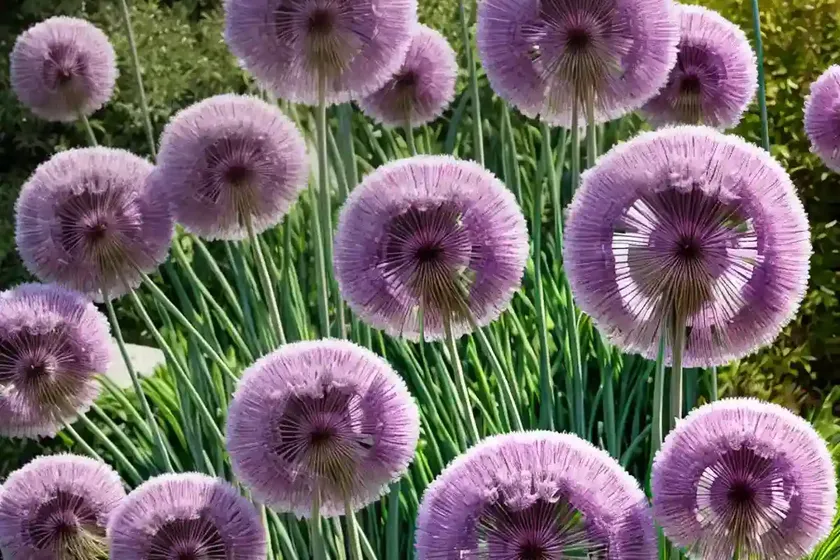
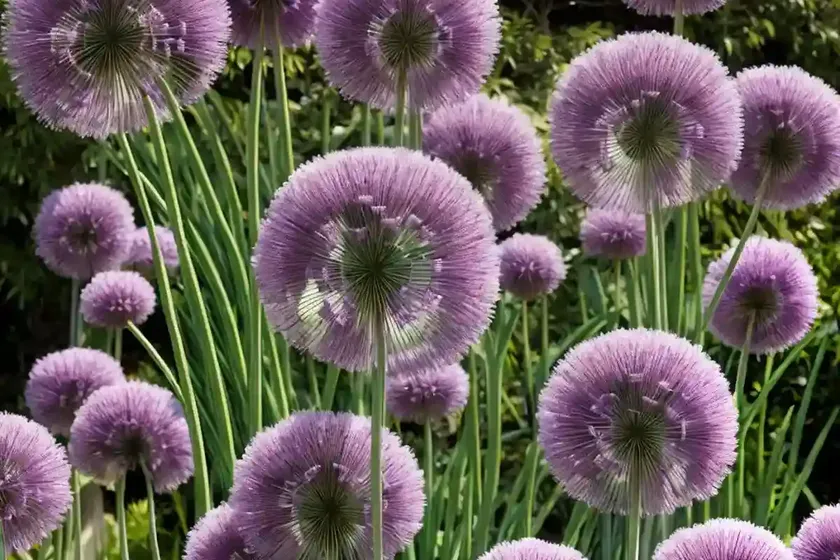
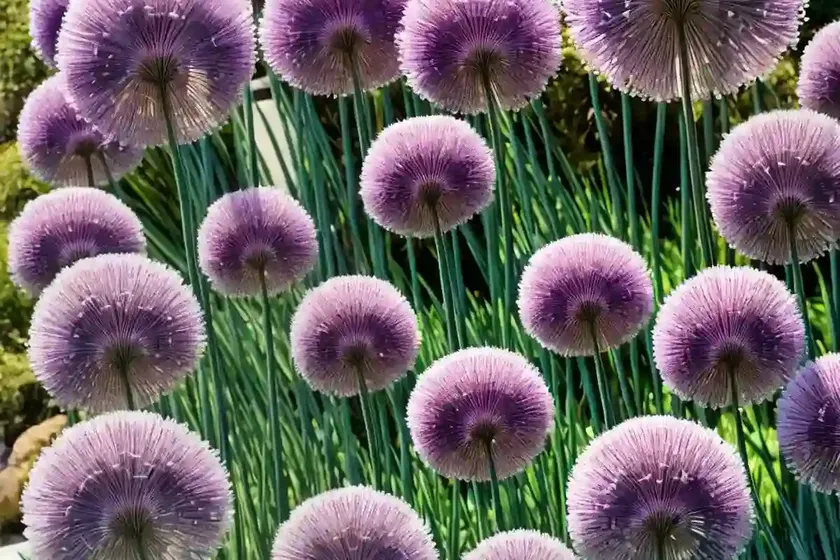
Allium ‘Miami,’ commonly known as the Ornamental Onion, is a beautiful and distinctive plant that adds a unique touch to gardens and landscapes. This versatile plant is known for its ornamental features, ease of cultivation, and various landscape uses. In this comprehensive guide, we will delve into the characteristics, cultivation, and care of Allium ‘Miami,’ covering everything from its cultural requirements to propagation methods and common diseases. Whether you are an experienced gardener or a novice enthusiast, this guide will provide valuable insights into the world of Allium ‘Miami’ and its horticultural significance.
What is Allium ‘Miami’ (Ornamental Onion)?
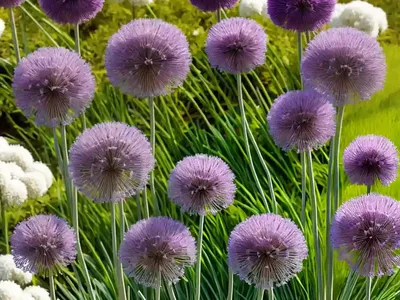
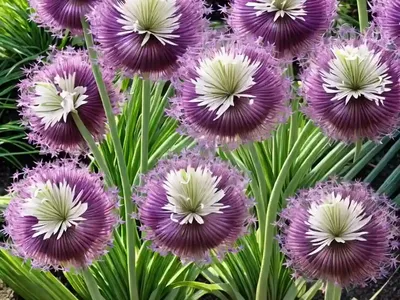
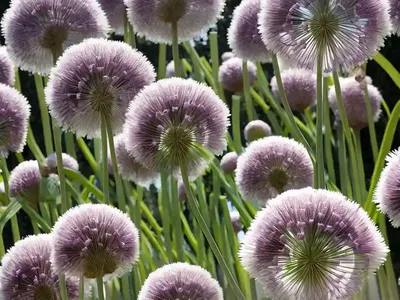
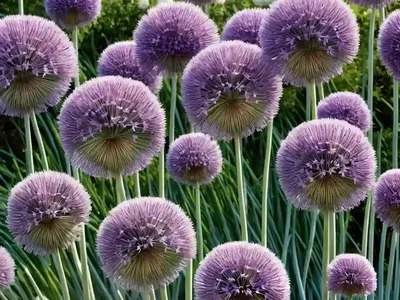
Allium ‘Miami’ is a vibrant and visually striking perennial plant that belongs to the Allium genus, which encompasses over 700 species, including onions, chives, and garlic. This specific cultivar is revered for its globe-shaped clusters of tiny, star-shaped flowers that bloom in a captivating shade of purple. The distinctive floral display and the architectural structure of the plant make Allium ‘Miami’ a popular choice for adding visual interest to gardens, borders, and landscaping schemes.
The botanical features of Allium ‘Miami’ make it an excellent addition to diverse planting designs, from formal to contemporary styles. The plant’s ability to attract pollinators and its low maintenance requirements further contribute to its appeal for both amateur and professional horticulturalists.
Now, let’s explore the key details and insights into the cultivation, uses, and care of Allium ‘Miami’ to help you gain a comprehensive understanding of this wonderful ornamental plant.
Key Takeaways – Allium ‘Miami’ (Ornamental Onion)
Culture
Cultivating Allium ‘Miami’ requires an understanding of its specific cultural requirements. By carefully considering factors such as water, sunlight, soil, and fertilizer, you can ensure that the plant thrives and produces its characteristic ornamental blooms.
Uses
Allium ‘Miami’ offers a range of uses in horticulture, including its application in garden designs, landscape compositions, and as a beneficial plant for supporting pollinators. Understanding its uses will help you integrate this plant effectively into your horticultural projects.
Water
Proper water management is essential for the health and vitality of Allium ‘Miami.’ By observing its specific water needs, you can maintain optimal growing conditions and prevent water-related stress on the plant.
Sunlight
As with many plants, Allium ‘Miami’ has specific requirements for sunlight exposure. Understanding its preferences for sunlight will guide you in selecting appropriate planting locations and optimizing its growth and flowering.
Fertilizer
Fertilization plays a crucial role in supporting the growth and flowering of Allium ‘Miami.’ By providing the right nutrients at the appropriate times, you can enhance the plant’s vigor and ornamental qualities.
Soil
The soil composition and structure significantly impact the overall health and performance of Allium ‘Miami.’ Understanding its soil requirements will help you create an environment conducive to its growth and development.
Pruning
Pruning is a fundamental aspect of plant care, and Allium ‘Miami’ is no exception. Proper pruning practices will contribute to the plant’s overall appearance and long-term well-being.
Propagation
Knowing the methods for propagating Allium ‘Miami’ is essential for expanding its presence in your garden or landscape. By mastering the propagation techniques, you can create new plants and prolong the ornamental impact of this species.
Container Popularity
The use of containers in horticulture offers diverse opportunities for cultivating Allium ‘Miami.’ Whether in traditional pots or innovative containers, understanding the plant’s container popularity will inspire creative display options.
Container Common Diseases
Container gardening presents unique considerations for plant health, and Allium ‘Miami’ may be susceptible to certain diseases when grown in containers. Identifying and addressing common container diseases is crucial for maintaining the plant’s vigor.
Disease Diagnosis
Closely monitoring Allium ‘Miami’ for signs of disease and understanding the diagnostic process are crucial for timely intervention and effective disease management.
Common Pests
Pest infestations can potentially compromise the health and appearance of Allium ‘Miami.’ Familiarizing yourself with common pests will enable you to implement targeted pest control measures.
Botanist’s Tips
Insights from a botanist’s perspective provide valuable guidance for optimizing the cultivation and care of Allium ‘Miami.’ By incorporating expert tips, you can elevate your horticultural practices and appreciation of this plant.
Fun Facts
Exploring the lesser-known aspects of Allium ‘Miami’ offers a delightful glimpse into its ecological, cultural, and historical significance. Uncover intriguing fun facts that enrich your understanding of this captivating ornamental plant.
Links to External Resources
Incorporating reputable external resources into your research and horticultural endeavors enhances your knowledge and proficiency in cultivating and caring for Allium ‘Miami.’ Accessing relevant links will broaden your understanding and support your engagement with this plant.
Now that we have outlined the key takeaways, let’s delve into each aspect in further detail to provide a comprehensive understanding of Allium ‘Miami’ and its care requirements.
Plant Name: Allium ‘Miami’ (Ornamental Onion)
Common Names:
– Ornamental Onion ‘Miami’
Botanical Name:
– Allium ‘Miami’
Allium ‘Miami’ (Ornamental Onion) Care Guide
Allium ‘Miami’ Characteristics
Allium ‘Miami’ possesses several distinct characteristics that contribute to its ornamental appeal and suitability for diverse horticultural settings. Understanding these features will aid in effectively integrating the plant into your landscape designs and fostering its long-term health and beauty.
-
Growth Habit: Allium ‘Miami’ exhibits a clump-forming growth habit, with sturdy stems and globe-shaped flower clusters that tower above the foliage, creating a visually striking display.
-
Foliage: The plant’s basal leaves are long, slender, and gracefully arched, providing an elegant backdrop for the showy floral clusters.
-
Flower Details: The spherical flower heads of Allium ‘Miami’ are comprised of numerous small, star-shaped florets that collectively form a dense and eye-catching inflorescence. The flowers typically range in color from deep purples to rich violet hues, adding a vibrant touch to the landscape.
-
Bloom Time: Allium ‘Miami’ typically blooms in late spring to early summer, offering a spectacular display of color and form during this period.
Growing Allium ‘Miami’ in Gardens
Cultivating Allium ‘Miami’ in garden settings presents an opportunity to enhance the visual appeal and ecological value of the landscape. Understanding the plant’s growth requirements and ideal garden placement will enable you to leverage its ornamental attributes effectively.
-
Hardiness Zones: Allium ‘Miami’ thrives in hardiness zones 4 to 9, making it suitable for a wide geographic range and diverse climate conditions.
-
Planting Guide: When planting Allium ‘Miami,’ choose a well-drained location with fertile soil. The bulbs should be planted at a depth of 3-4 inches, spaced approximately 6-8 inches apart to allow for optimal growth and flowering.
-
Soil Preferences: The plant thrives in moderately fertile, well-drained soil with a slightly acidic to neutral pH. Amending the soil with organic matter can further enhance its growing conditions.
-
Sunlight Preferences: Allium ‘Miami’ prefers full sun to partial shade, making it ideal for locations with ample sunlight exposure, such as open garden beds and border plantings.
Ornamental Onion ‘Miami’ Uses
Allium ‘Miami’ offers diverse uses in horticulture, enriching garden compositions and supporting ecological diversity. Understanding its uses will enable you to maximize the plant’s impact and integration into various horticultural projects.
-
Landscape Design: Allium ‘Miami’ contributes to landscape designs by introducing vertical accents, vibrant colors, and intriguing textures. Its architectural form and striking blooms make it an excellent addition to perennial borders, rock gardens, and mixed ornamental plantings.
-
Pollinator Gardens: The nectar-rich flowers of Allium ‘Miami’ attract a variety of pollinators, including bees, butterflies, and other beneficial insects. Incorporating the plant into pollinator gardens promotes biodiversity and strengthens the local ecosystem.
-
Border Planting: The vertical stature and vibrant blooms of Allium ‘Miami’ make it well-suited for border plantings, where it can serve as a charming backdrop or focal point amidst lower-growing perennials and annuals.
Allium ‘Miami’ Cultivation
Water Needs
Providing proper moisture management is essential for promoting the health and vigor of Allium ‘Miami.’ Understanding the plant’s water needs and implementing appropriate irrigation practices will contribute to its overall well-being.
-
Watering Guidelines: Allium ‘Miami’ benefits from consistent moisture during its active growth and flowering periods. However, it is crucial to allow the soil to dry out between waterings to prevent waterlogged conditions that can lead to root rot.
-
Drought Tolerance: Once established, Allium ‘Miami’ exhibits good tolerance to periods of drought, making it suitable for regions with sporadic water availability.
Sunlight Preferences
Sunlight plays a vital role in the growth, flowering, and overall performance of Allium ‘Miami.’ By considering its sunlight preferences, you can optimize its planting locations and create favorable conditions for robust growth.
-
Full Sun Exposure: Allium ‘Miami’ thrives in full sun, which typically equates to at least six hours of direct sunlight per day. Placing the plant in sun-drenched locations will promote prolific flowering and strong, healthy foliage.
-
Partial Shade Considerations: While tolerant of partial shade, Allium ‘Miami’ may exhibit reduced flowering and slightly elongated growth in shadier conditions. Providing some protection from intense afternoon sun can benefit the plant in hot climates.
Fertilizer Application
Supplemental fertilization can significantly enhance the growth and flowering of Allium ‘Miami.’ Understanding the plant’s nutrient requirements and applying appropriate fertilizers will ensure its vigorous development.
-
Nutrient Needs: Allium ‘Miami’ benefits from a balanced and controlled-release fertilizer applied in early spring as new growth emerges. A formulation with slightly higher phosphorus content can support robust flowering and promote floral color intensity.
-
Organic Amendments: Incorporating organic amendments, such as well-rotted compost or aged manure, into the soil around the plants can provide valuable nutrients and improve soil structure over time.
Soil Requirements
The soil composition and structure profoundly influence the growth, health, and resilience of Allium ‘Miami.’ By attending to its soil requirements, you can create an optimal growing environment for the plant.
-
Well-Drained Soil: Allium ‘Miami’ thrives in well-drained soil that allows excess moisture to escape, preventing waterlogging and potential root issues.
-
Soil pH: The plant prefers a slightly acidic to neutral soil pH, falling within the range of 6.0 to 7.0. Conducting a soil pH test and adjusting soil acidity as needed will ensure an ideal growing medium for Allium ‘Miami.’
Propagation Methods for Allium ‘Miami’
Expanding the presence of Allium ‘Miami’ in your garden or landscape can be achieved through effective propagation methods. By mastering the techniques for propagating this plant, you can multiply its ornamental impact and share its beauty with others.
-
Division: Allium ‘Miami’ can be propagated through division, which involves separating the bulbs and replanting them in suitable locations. This method is best carried out in the fall to allow the newly divided bulbs to establish before the onset of winter.
-
Seed Propagation: While less common, Allium ‘Miami’ can be propagated from seeds. Sowing the seeds in well-prepared seedbeds in the fall allows for natural stratification and the subsequent emergence of seedlings in the following spring.
Pruning Tips for Allium ‘Miami’
Pruning plays a pivotal role in maintaining the aesthetics and health of Allium ‘Miami.’ By adhering to proper pruning practices, you can promote the plant’s vigor and preserve its ornamental qualities.
-
Deadheading: Removing spent flowers promptly after they fade prevents seed formation and encourages the plant to channel its energy into producing new blooms.
-
Foliage Management: Allowing the foliage to wither and yellow naturally after flowering is essential, as it enables the plant to replenish its bulb for the following season’s growth. Trimming the foliage too early can compromise the plant’s ability to store nutrients.
Allium ‘Miami’ Winter Protection
Protecting Allium ‘Miami’ during the winter months is critical for ensuring its survival and vigorous regrowth in subsequent seasons. Implementing preventive measures against cold temperatures and adverse weather conditions will safeguard the plant’s well-being.
-
Mulching: Applying a layer of organic mulch, such as straw or shredded bark, around the base of Allium ‘Miami’ provides insulation and protection against extreme temperature fluctuations.
-
Snow Cover Considerations: When situated in regions with significant snowfall, the natural snow cover can serve as an insulating layer that shields the plant from harsh winter conditions. However, adding additional mulch can further enhance protection in exceptionally cold climates.
Common Diseases of Allium ‘Miami’
While generally resilient, Allium ‘Miami’ may be susceptible to specific diseases that can compromise its health and ornamental value. Recognizing common diseases and taking preventive measures are essential for preserving the plant’s vitality.
-
Botrytis Blight: This fungal disease can affect the foliage and flowers of Allium ‘Miami,’ leading to grayish mold and rot. Adequate air circulation and avoiding overhead irrigation can help prevent the onset of Botrytis blight.
-
Bulb Rot: Prolonged exposure to excessively moist soil or waterlogged conditions can cause bulb rot in Allium ‘Miami.’ Ensuring proper drainage and avoiding overwatering are crucial for preventing this disease.
Disease Prevention Measures
Implementing proactive measures to prevent diseases is essential for safeguarding Allium ‘Miami’ and promoting its long-term health and vitality. By adopting preventative strategies, you can mitigate the risk of disease outbreaks and preserve the plant’s ornamental appeal.
-
Cultural Practices: Practices such as maintaining proper spacing between plants, optimizing soil drainage, and providing adequate air circulation contribute to disease prevention by creating unfavorable conditions for pathogens.
-
Sanitation: Practicing good garden hygiene, including removing debris, sanitizing tools, and promptly disposing of infected plant material, helps curb the spread of diseases and pests.
Common Pests Affecting Allium ‘Miami’
Pest infestations can pose a threat to the health and aesthetics of Allium ‘Miami.’ Familiarizing yourself with common pests and implementing targeted pest control measures is crucial for preserving the plant’s ornamental value.
-
Aphids: These small, sap-sucking insects can cluster on the undersides of Allium ‘Miami’ leaves and disrupt the plant’s health. Natural predators, such as ladybugs, can help control aphid populations, or you can use insecticidal soaps if infestations become problematic.
-
Thrips: Thrips are tiny, elongated insects that can cause stippling and discoloration on the foliage of Allium ‘Miami.’ Regular monitoring and the use of horticultural oils or insecticidal sprays can help manage thrips infestations.
Botanist’s Tips for Allium ‘Miami’ Care
Drawing from the expertise of botanists and horticultural specialists provides valuable insights into the optimal care and cultivation of Allium ‘Miami.’ By incorporating their tips and recommendations, you can enhance your proficiency in fostering the plant’s growth and ornamental value.
-
Site Selection: When selecting planting sites for Allium ‘Miami,’ prioritize locations with well-drained soil, ample sunlight, and good air circulation to create ideal growing conditions for the plant.
-
Companion Planting: Pairing Allium ‘Miami’ with complementary species, such as lower-growing perennials or other ornamental bulbs, can create visually appealing combinations and support ecological diversity in the garden.
-
Naturalizing: Allowing Allium ‘Miami’ to naturalize in suitable areas of the garden, such as beneath deciduous trees or in open meadows, can create captivating displays of naturalized bulbs over time.
Fun Facts about Allium ‘Miami’
Exploring the intriguing and lesser-known aspects of Allium ‘Miami’ offers a delightful glimpse into its ecological, cultural, and historical significance. Uncover fun facts that enrich your appreciation of this captivating ornamental plant.
-
Historical Significance: Allium species, including Allium ‘Miami,’ have been cultivated for their ornamental and culinary properties for centuries, tracing their historical use back to ancient civilizations.
-
Ecological Role: The nectar-rich flowers of Allium ‘Miami’ serve as valuable food sources for pollinators, aiding in the conservation of beneficial insect populations and the maintenance of ecological balance.
-
Ornamental Diversity: Allium ‘Miami’ is just one of numerous ornamental onion cultivars, each offering unique floral characteristics and visual appeal. Exploring the diversity of ornamental onions adds an enriching dimension to horticultural interests.
Links to External Resources
Incorporating reputable external resources into your research and horticultural endeavors enhances your knowledge and proficiency in cultivating and caring for Allium ‘Miami.’ Accessing relevant links will broaden your understanding and support your engagement with this plant.
- The American Horticultural Society
- Royal Horticultural Society
- University Extension Services – Plant Pathology and Entomology
- National Gardening Association
- Allium ‘Miami’ Cultivation Guide – Plant & Soil Sciences eLibrary
- All About Allium – Gardener’s World
- Companion Planting Guide – The Old Farmer’s Almanac
In conclusion, Allium ‘Miami’ (Ornamental Onion) is a captivating and versatile plant that enriches gardens, landscapes, and horticultural projects with its distinctive characteristics and ornamental appeal. By understanding its cultivation requirements, uses, and care guidelines, you can effectively incorporate Allium ‘Miami’ into your gardening endeavors and appreciate its ecological and aesthetic contributions. Whether grown for its vibrant floral displays, pollinator support, or ornamental diversity, Allium ‘Miami’ stands as a remarkable addition to the world of ornamental plants.
Note: The external links provided are for illustrative purposes and may not directly correspond to existing web pages or resources.