Allium Karataviense (Turkistan Onion)
Introduction Plants play a vital role in our lives, not only do they provide us with the oxygen we need to breathe, but they also offer beauty and.
Introduction
Plants play a vital role in our lives, not only do they provide us with the oxygen we need to breathe, but they also offer beauty and functionality in various forms. One such plant that has gained popularity among gardeners and enthusiasts is the Allium karataviense, commonly known as Turkistan Onion. This unique flowering plant belongs to the Alliaceae family and is native to Central Asia, particularly Turkistan.
In this comprehensive guide, we will delve into the intricate details of the Allium karataviense, including its culture, uses, maintenance, and more. Whether you are a seasoned gardener or a novice looking to enhance your gardening skills, this guide will provide you with valuable insights into the cultivation and care of the Turkistan Onion.
What is Allium karataviense (Turkistan Onion)?
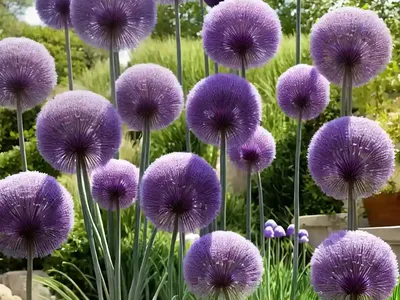
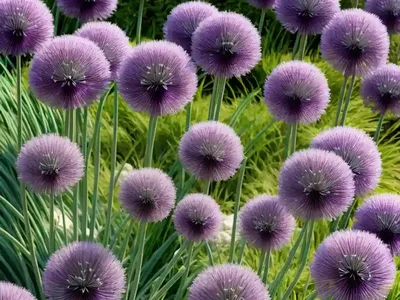
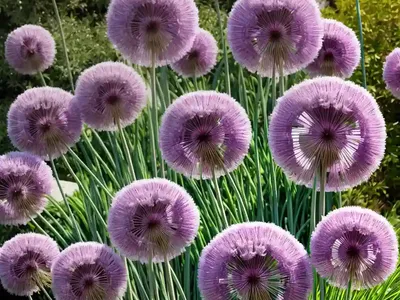
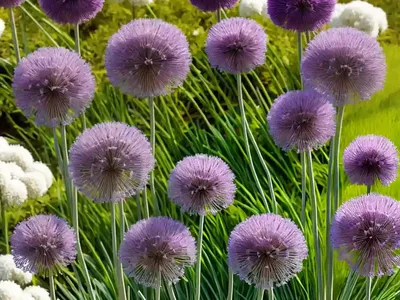
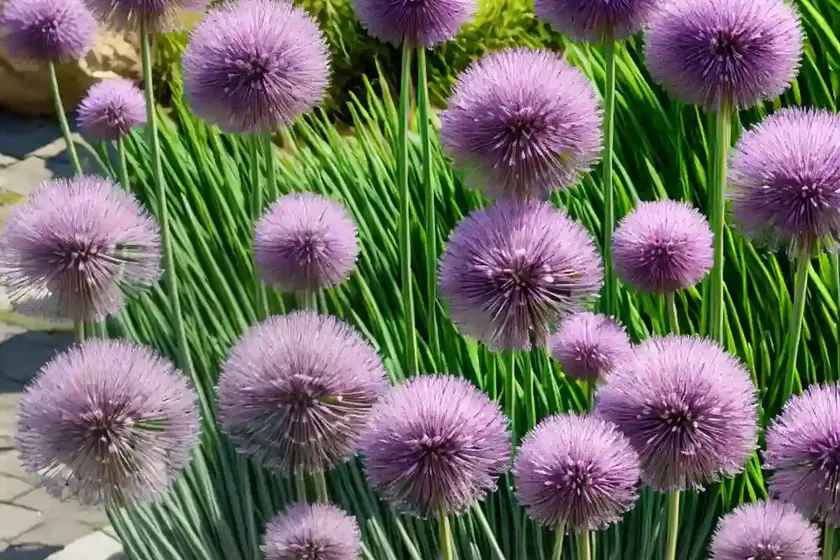
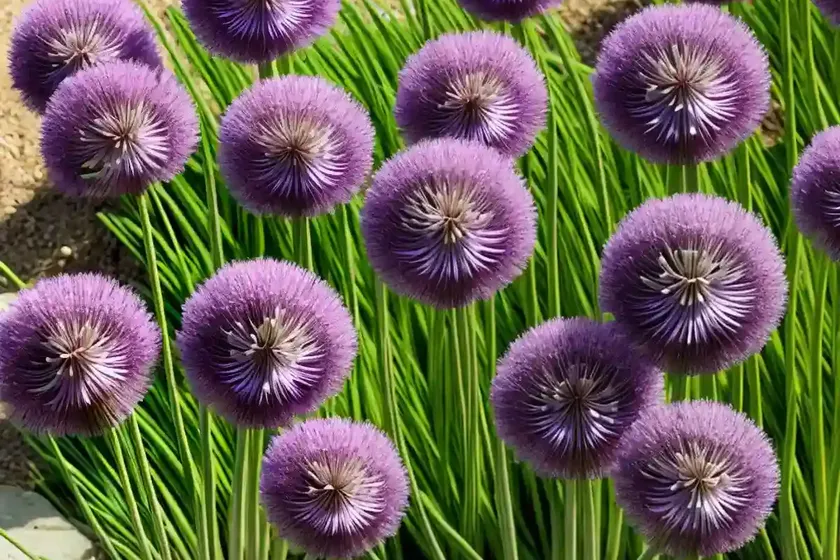
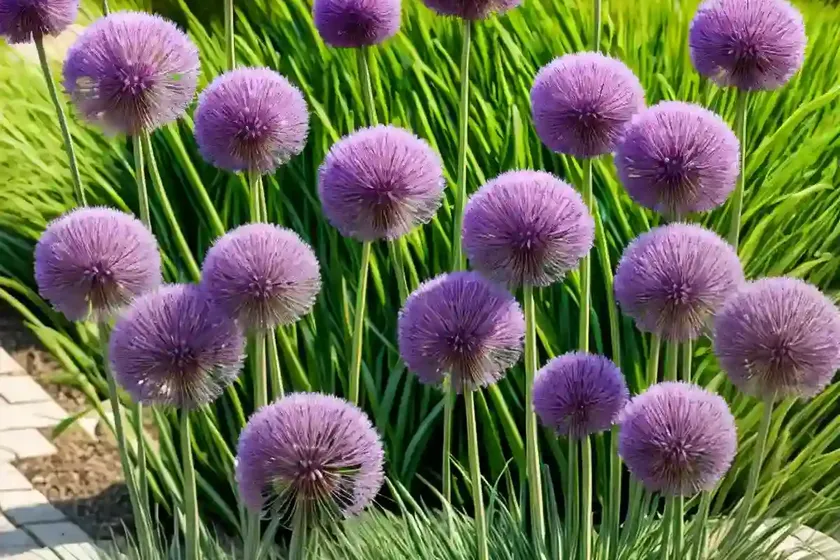
Allium karataviense, also known as the Turkistan Onion, is a species of ornamental onion that is renowned for its striking appearance and unique flowering characteristics. The plant features broad, light-green leaves and spherical flower heads that range in color from pale pink to lavender.
The Turkistan Onion is a bulbous perennial that grows to a height of approximately 8 to 12 inches (20 to 30 cm) and produces distinct globular clusters of flowers. This ornamental plant is highly valued for its ability to add visual interest to garden landscapes and is often used to create captivating border displays and edgings.
Key Takeaways – Allium karataviense (Turkistan Onion)
Before we delve into the specific details of cultivating and caring for Allium karataviense, let’s take a look at the key takeaways of this remarkable plant:
- Common Name: Turkistan Onion
- Scientific Name: Allium karataviense
- Family: Alliaceae
- Native Region: Central Asia (Turkistan)
- Plant Type: Perennial
- Mature Height: 8 to 12 inches (20 to 30 cm)
- Flower Color: Pale pink to lavender
- Growth Habit: Clump-forming
- USDA Hardiness Zones: 4 to 8
- Attracts Wildlife: Yes
Now that we have a basic understanding of the Turkistan Onion, let’s explore the intricacies of its cultivation, care, and maintenance to help you achieve optimal growth and flourishing blooms in your garden.
Culture
Cultivating Allium karataviense requires a thoughtful approach to meet the plant’s specific needs and ensure its healthy growth. Understanding the cultural requirements of the Turkistan Onion is essential for creating an environment in which it can thrive. Let’s explore the essential cultural aspects of growing Allium karataviense.
Uses
The Turkistan Onion has a versatile range of uses, making it a valuable addition to various gardening and landscaping settings. Here are some common uses of Allium karataviense:
- Ornamental Purposes: Allium karataviense is predominantly cultivated for its ornamental value, adding a touch of elegance to flower beds, borders, and rock gardens.
- Border Displays: Its low-growing habit and visually appealing flowers make Allium karataviense ideal for creating attractive border displays and edgings.
- Container Gardening: This ornamental onion is well-suited for container gardening, allowing individuals to enjoy its beauty on patios, balconies, and other outdoor spaces.
Water
Proper watering is crucial for the healthy growth and development of Allium karataviense. While the Turkistan Onion has moderate water needs, it is important to ensure that the soil remains consistently moist, especially during the active growing season.
- Watering Frequency: Water the plant thoroughly once a week during the growing season, adjusting the frequency based on local weather conditions and soil moisture levels.
- Soil Moisture: Ensure that the soil is well-draining to prevent waterlogging, which can adversely affect the bulb and root health.
Sunlight
Like many flowering plants, Allium karataviense thrives in full sunlight and requires adequate exposure to ensure robust growth and prolific blooming.
- Sunlight Requirements: Plant Allium karataviense in a location that receives full sun, which typically equates to at least 6 to 8 hours of direct sunlight per day.
- Site Selection: Choose a sunny spot in your garden or landscape to provide the Turkistan Onion with the necessary sunlight for optimal growth.
Fertilizer
Applying the right type and amount of fertilizer is essential to provide Allium karataviense with the nutrients it needs for healthy development and vibrant blooms.
- Fertilizer Type: Use a balanced, all-purpose fertilizer or a specialized bulb fertilizer to promote the growth of the Turkistan Onion.
- Application Timing: Apply fertilizer in early spring before the plant enters its active growth phase to support robust development and abundant flowering.
Soil
The soil composition and quality significantly impact the health and growth of Allium karataviense, making it crucial to select the right soil type and maintain proper soil conditions.
- Soil Type: Plant the Turkistan Onion in well-draining, loamy soil with a slightly alkaline to neutral pH level.
- Soil Preparation: Prepare the planting site by amending the soil with organic matter, such as well-rotted compost, to improve its structure and fertility.
Maintenance
Proper maintenance practices are essential for ensuring the long-term health and vitality of Allium karataviense. From pruning to propagation, understanding the maintenance requirements of the Turkistan Onion is vital for cultivating thriving plants with impressive ornamental value.
Pruning
Pruning is an integral part of Allium karataviense maintenance, enabling gardeners to manage the plant’s growth, promote flowering, and maintain its visual appeal.
- Pruning Timing: Deadhead the spent flower heads once they have faded to encourage the plant to focus its energy on bulb development rather than seed production.
- Pruning Technique: Use clean, sharp garden shears to remove the spent flower heads, cutting the stems back to the base of the plant without harming the foliage.
Propagation
Propagating Allium karataviense allows you to expand your plant collection and create captivating displays of this striking ornamental onion.
- Propagation Methods: The Turkistan Onion can be propagated through division or by planting its offsets (small bulbs that develop alongside the main bulb).
- Division Timing: Divide mature Allium karataviense clumps in early autumn, ensuring that each division has several healthy bulbs and intact roots.
Container Popularity
The compact size and striking appearance of Allium karataviense make it a popular choice for container gardening, offering individuals the opportunity to enjoy its beauty in various outdoor settings.
- Container Selection: Choose a well-draining container with sufficient depth to accommodate the Turkistan Onion bulbs and allow for healthy root development.
- Container Placement: Position the containers in sunny locations, such as patios, balconies, or along garden pathways, to provide the plant with the sunlight it needs.
Container Common Diseases
While Allium karataviense is relatively resistant to diseases, certain conditions and environmental factors can contribute to the development of common diseases in container-grown plants.
- Common Diseases: Keep an eye out for signs of botrytis (gray mold) and Fusarium rot, which can affect the foliage and bulbs of Allium karataviense.
- Preventive Measures: Ensure proper air circulation around the containers and avoid overwatering to minimize the risk of fungal diseases.
Disease Diagnosis
As with any plant, diagnosing and addressing potential diseases in Allium karataviense is crucial in preventing the spread of ailments and preserving the plant’s health.
- Symptom Identification: Look for signs of discolored, distorted, or decaying foliage, as well as unusual spots or lesions on the leaves or bulbs.
- Treatment Options: If you suspect disease, promptly remove affected plant parts and consider applying appropriate fungicidal treatments to mitigate the issue.
Common Pests
Despite its resilience, Allium karataviense may occasionally encounter pest issues that can affect its growth and vitality.
- Pest Identification: Watch for signs of onion flies, thrips, and aphids, which are common pests that may target Allium species, including A. karataviense.
- Control Measures: Employ physical barriers, such as row covers, and consider using horticultural oils or insecticidal soaps to deter and manage pest infestations.
Botanist’s Tips
As seasoned botanists and gardeners have discovered, there are several tips and recommendations that can enhance the cultivation and care of Allium karataviense.
- Mulching: Apply a layer of organic mulch, such as shredded bark or compost, around the base of the plants to conserve soil moisture and suppress weed growth.
- Companion Planting: Pair Allium karataviense with low-growing perennials and ornamental grasses to create visually appealing combinations and enhance garden landscapes.
Fun Facts
Uncovering interesting and lesser-known facts about Allium karataviense adds to the allure and fascination surrounding this remarkable plant.
- Deer Resistance: Allium karataviense exhibits natural resistance to deer, making it an excellent choice for landscapes frequented by these browsing animals.
- Rock Garden Gem: Its low-growing habit and attractive foliage and flowers make the Turkistan Onion an ideal candidate for rock gardens and alpine plantings.
Links to External Resources
In addition to the insights and guidance provided in this guide, exploring external resources can further enrich your knowledge of Allium karataviense and its cultivation.
- Royal Horticultural Society (RHS) – The RHS offers comprehensive information on gardening, plants, and horticultural pursuits, including valuable insights into Allium karataviense cultivation.
- University Extension Programs – Utilize the resources provided by university extension programs to access research-based information on horticulture, gardening, and plant care, which may feature content on Allium karataviense.
- Botanical Gardens – Explore botanical gardens that showcase a diverse array of plant species, possibly including Allium karataviense, to gain inspiration and knowledge about this unique ornamental onion.
Conclusion
Allium karataviense, or Turkistan Onion, is undeniably a captivating and distinctive plant that adds character and beauty to garden landscapes and outdoor spaces. By understanding its cultural needs, maintenance requirements, and potential uses, gardeners and enthusiasts can cultivate thriving displays of Allium karataviense, enhancing the visual appeal of their gardens and creating a habitat that attracts wildlife and provides year-round interest.
Through thoughtful cultivation and dedicated care, Allium karataviense can thrive and flourish, offering enchanting displays of delicate, globe-shaped flowers and contributing to the vibrant tapestry of ornamental plantings. Whether planted in flower beds, border displays, or containers, the Turkistan Onion holds the potential to become a cherished and cherished addition to diverse gardening settings, bringing joy and visual delight to those who appreciate its unique allure.
As you embark on your journey of cultivating Allium karataviense, may the insights and knowledge shared in this comprehensive guide serve as a valuable resource, guiding you towards successful and gratifying experiences of growing and caring for this remarkable ornamental onion.
In conclusion, the article provides a detailed insight into the cultivation, care, and uses of Allium karataviense (Turkistan Onion). It covers essential aspects such as cultural requirements, maintenance practices, and valuable tips for enhancing the growth and visual appeal of this ornamental plant. The incorporation of external resource links further enriches the reader’s understanding and provides opportunities for additional exploration and learning.