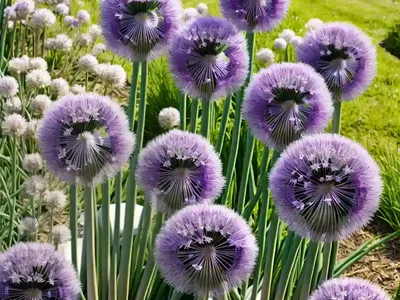
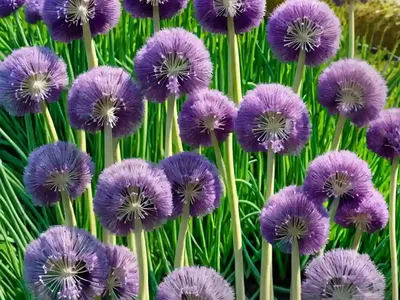
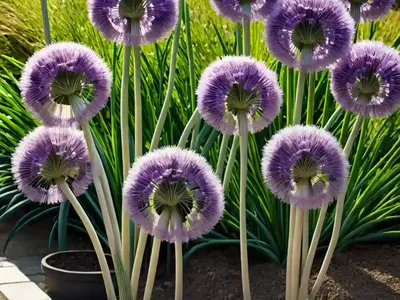
Ornamental Onion (Allium Karataviense)
Gardening enthusiasts and botanical aficionados share a unique interest in exploring the diverse and captivating realm of ornamental plants. One such.
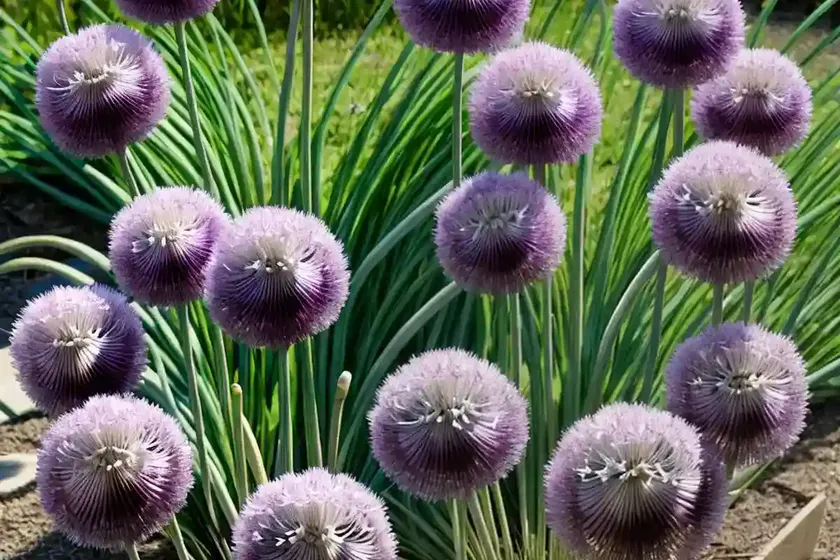
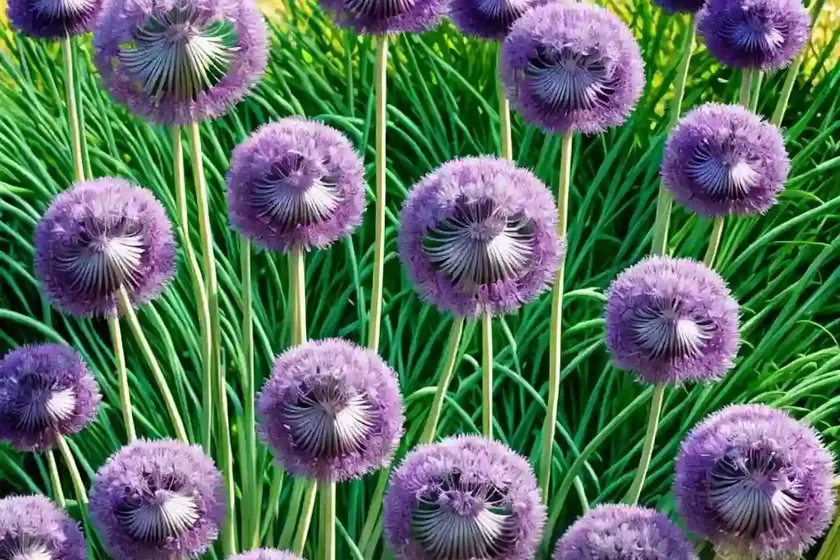
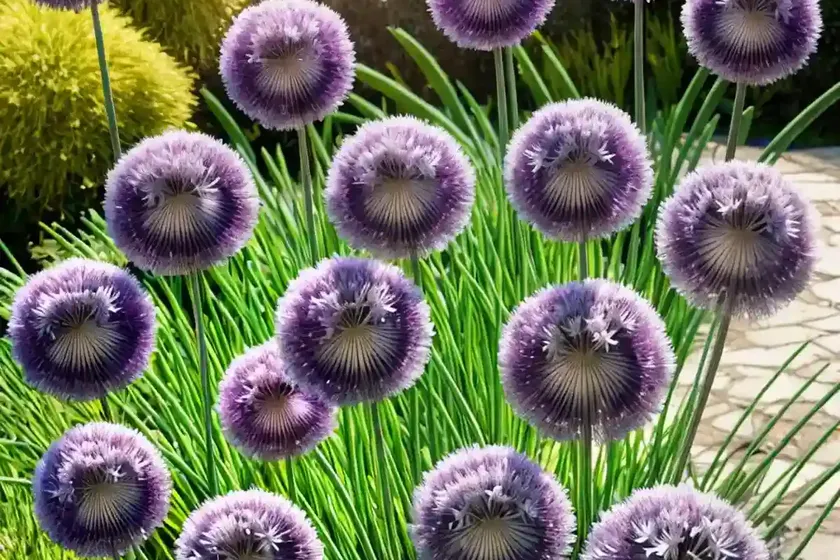
Gardening enthusiasts and botanical aficionados share a unique interest in exploring the diverse and captivating realm of ornamental plants. One such intriguing plant is the ornamental onion, Allium karataviense. Known for its stunning floral displays and distinctive foliage, Allium karataviense holds a special place in horticulture and landscape design. In this comprehensive guide, we will delve into the world of Allium karataviense, unearthing its cultural practices, uses, maintenance tips, and much more. From planting and propagation to common diseases and pests, join us in discovering the allure of this remarkable ornamental onion.
What is Allium Karataviense?
Allium karataviense, commonly referred to as ornamental onion, belongs to the Allium genus, which encompasses over 700 species, including onions, garlic, chives, and various ornamental onions. Native to Central Asia, specifically the Pamir Mountains, Allium karataviense is celebrated for its globe-shaped clusters of white or pinkish flowers, characterized by a distinct allure and elegance. This perennial bulbous plant is valued both for its ornamental charm and its adaptability to diverse growing conditions.
Plant Characteristics
Before delving further into the cultural aspects of Allium karataviense, let’s take a closer look at its distinctive features:
- Foliage: The plant boasts broad, glaucous, and slightly wavy leaves, adding a unique texture to garden landscapes.
- Flowers: Allium karataviense blooms with spherical umbels of star-shaped flowers, creating a visually captivating spectacle.
- Height: Typically reaching a modest height of 8-12 inches, this compact ornamental onion is well-suited for various garden settings, including borders, rock gardens, and containers.
Key Takeaways – Ornamental Onion (Allium karataviense)
Cultivation
Cultivating Allium karataviense is a rewarding endeavor, provided the appropriate cultural requirements are met. Here are the key considerations for its successful growth and development:
| Aspect | Details |
|---|---|
| Water | – Moderate watering during the growing season, allowing the soil to dry between waterings. |
| Sunlight | – Full to partial sun exposure, preferably 6-8 hours of sunlight per day. |
| Fertilizer | – Balanced fertilizer application during the growing season to support robust foliage and flowering. |
| Soil | – Well-draining, sandy or loamy soil with good fertility. |
| Pruning | – Minimal pruning requirements, primarily for removing spent flower heads and foliage cleanup. |
| Propagation | – Propagation through division of bulbs or seeds, favored time being the dormant season. |
| Container | – Suitable for container gardening, provided adequate soil moisture and proper drainage. |
Uses
The versatile nature of Allium karataviense extends to various applications, contributing to its popularity in horticulture and landscape design. Notable uses include:
- Ornamental Purposes: The distinctive flowers and foliage make Allium karataviense a prized ornamental plant, adding visual interest to garden beds, borders, and rock gardens.
- Cut Flower: The long-lasting blooms make exceptional cut flowers, ideal for floral arrangements, bouquets, and indoor displays.
- Companion Planting: When strategically paired with compatible plants, Allium karataviense serves as an excellent companion, enhancing the overall aesthetic and ecological balance in garden settings.
Popularity
Allium karataviense has garnered significant popularity among gardening enthusiasts and landscape designers due to its exceptional attributes and adaptability. Its growing appeal can be attributed to:
- Aesthetic Appeal: The striking combination of distinctive foliage and spherical flowers contributes to its visual allure, making it a standout feature in garden landscapes.
- Ease of Cultivation: With relatively undemanding cultural requirements, Allium karataviense is favored for its ease of cultivation and maintenance, appealing to both novice and experienced gardeners.
- Versatility: From traditional garden beds to modern container plantings, the versatility of Allium karataviense allows for diverse applications, catering to a wide range of gardening preferences.
Cultural Requirements
Water
Appropriate watering practices are critical in maintaining the vigor and vitality of Allium karataviense. Consider the following guidelines for optimal water management:
- Growth Phase: During the active growing season, typically spring to early summer, provide moderate and consistent irrigation, ensuring the soil remains evenly moist but not waterlogged.
- Dormant Period: As the plant enters dormancy in late summer or early fall, reduce watering gradually to allow the soil to dry out, mirroring its natural habitat conditions.
Sunlight
Ensuring adequate sunlight exposure is pivotal in promoting robust growth and prolific flowering in Allium karataviense. Here’s an overview of its sunlight requirements:
- Ideal Exposure: Seek a planting location that receives full to partial sunlight, preferably 6-8 hours of direct sunlight per day.
- Optimal Conditions: Allium karataviense thrives in bright, sunny environments, exhibiting enhanced floral displays and healthy foliage under ample sunlight.
Fertilizer
Supplemental feeding with a balanced fertilizer can bolster the overall health and vitality of Allium karataviense, supporting vigorous growth and prolific flowering. Consider the following fertilizer application guidelines:
- Timing: Apply a balanced, all-purpose fertilizer once in early spring as new growth emerges, and once more in mid to late spring to support flower bud development.
- Dosage: Use a diluted fertilizer solution following the manufacturer’s recommendations to avoid over-fertilization, applying it directly to the soil around the base of the plant.
- Caution: Avoid excessive nitrogen application, as it may promote lush foliage at the expense of flower production.
Soil
The choice of an appropriate planting medium significantly influences the overall health and performance of Allium karataviense. Here are the key soil considerations for successful cultivation:
- Drainage: Prioritize well-draining soil to mitigate the risk of waterlogging, as excessive moisture can predispose the bulbs to rot and fungal diseases.
- Texture: Opt for sandy or loamy soil with good fertility, providing a conducive growing medium for the establishment and expansion of the plant’s root system.
Pruning
Pruning requirements for Allium karataviense are minimal, predominantly focusing on aesthetic maintenance and the removal of spent flower heads. Follow these basic pruning guidelines to uphold the plant’s visual appeal:
- Deadheading: Remove faded flower clusters promptly to redirect the plant’s energy towards developing new blooms and preserving a tidy appearance.
- Foliage Cleanup: Trim any yellowing or withered foliage to maintain the plant’s visual integrity and minimize the risk of disease development.
Botanist’s Tips: To encourage repeated flowering and sustain the plant’s overall vigor, consider applying a light top-dressing of organic compost around the base of the plant annually, replenishing the soil’s nutritional content.
Propagation
The propagation of Allium karataviense can be achieved through bulb division or seed sowing, each method offering distinct advantages and considerations. Explore the following propagation techniques to perpetuate the presence of this captivating ornamental onion:
- Bulb Division: During the dormant season, carefully separate the mature bulbs, ensuring that each division retains a portion of the basal plate and some roots, before replanting them at the appropriate spacing.
- Seed Sowing: Collect ripe seeds from the plant after flowering and sow them in well-prepared seedbeds or containers, providing adequate moisture and warmth for germination and early growth.
Container Gardening: For container plantings, select spacious, well-draining pots, and sow the seeds or plant the bulbs at the appropriate depth, allowing for sufficient root expansion and establishment.
Common Diseases and Pests
Although relatively resilient, Allium karataviense is susceptible to certain diseases and pests that can potentially hinder its growth and vitality. Familiarize yourself with these common issues and their management strategies:
Disease Diagnosis
- Botrytis Rot: Characterized by the development of gray mold on the foliage and flowers, particularly in humid or poorly ventilated conditions. Improve air circulation and avoid overhead watering to mitigate its spread.
- Basal Plate Rot: Caused by excessive moisture and poor drainage, leading to the decay of the basal plate and roots. Enhance soil drainage and avoid overwatering to prevent this destructive fungal infection.
Common Pests
- Onion Fly: These small flies lay eggs at the base of the plant, with the larvae feeding on the roots, leading to diminished growth and vitality. Employ physical barriers or organic insecticides to deter and manage onion fly infestations effectively.
- Thrips: These tiny, slender insects may cause stippling or silvering of the foliage with their feeding activity. Utilize insecticidal soaps or neem oil to control thrips and minimize their impact on the plant.
Botanist’s Insights: Regular monitoring of plant health and proactive pest management measures, including cultural practices and organic control methods, are instrumental in preserving the vigor and vitality of Allium karataviense.
Fun Facts About Allium Karataviense
- The specific epithet “karataviense” is derived from the Karatau Mountains, located in Kazakhstan, alluding to the plant’s native habitat.
- In certain cultures, Allium plants, including Allium karataviense, are associated with symbolic meanings such as protection, unity, and resilience, adding a layer of cultural significance to their presence in gardens and landscapes.
- Allium karataviense and other ornamental onions are known for their deer-resistant properties, making them valuable additions to gardens frequented by browsing wildlife.
Links to External Resources
For additional information and resources on Allium karataviense, consider exploring the following authoritative sources:
- Royal Horticultural Society (RHS) – Allium
- Missouri Botanical Garden – Ornamental Alliums
- University of Vermont Extension – Bulbs for the Home Gardener
- American Horticultural Society – Alliums for the Garden
- The Plant List – Allium Species
As a dynamic and captivating addition to garden landscapes, Allium karataviense exemplifies the intriguing diversity of ornamental plants, offering a harmonious blend of visual allure and cultural significance. Whether adorning garden borders, enhancing container plantings, or captivating as cut flowers, the ornamental onion holds a distinct charm that continues to captivate gardeners and plant enthusiasts worldwide.
Conclusion
Through our exploration of Allium karataviense, we have gained valuable insights into its cultural practices, uses, maintenance tips, and intrinsic appeal. This remarkable ornamental onion epitomizes the captivating allure of ornamental plants, enriching garden landscapes with its unique foliage and stunning floral displays. As we continue to celebrate the diversity and beauty of botanical wonders, let us embrace the enduring charm and horticultural significance of Allium karataviense in our gardens and beyond.