Alcea Rosea ‘Spring Celebrities Carmine Rose’ (Hollyhock)
In this blog post, we will delve into the fascinating world of Alcea rosea ‘Spring Celebrities Carmine Rose’, commonly known as Hollyhock. Hollyhocks are.
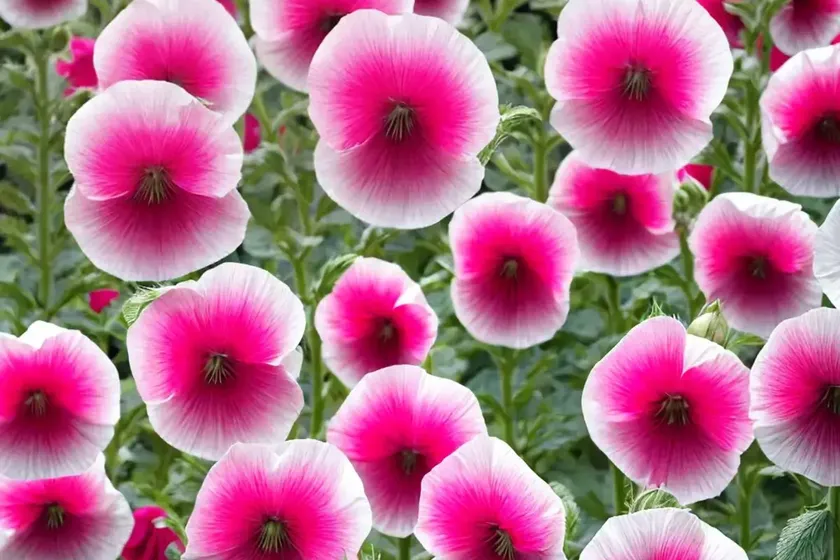
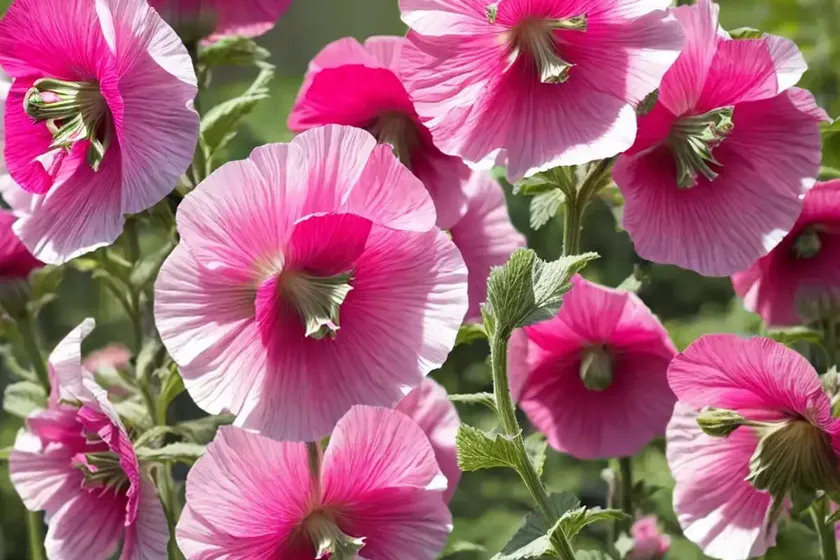
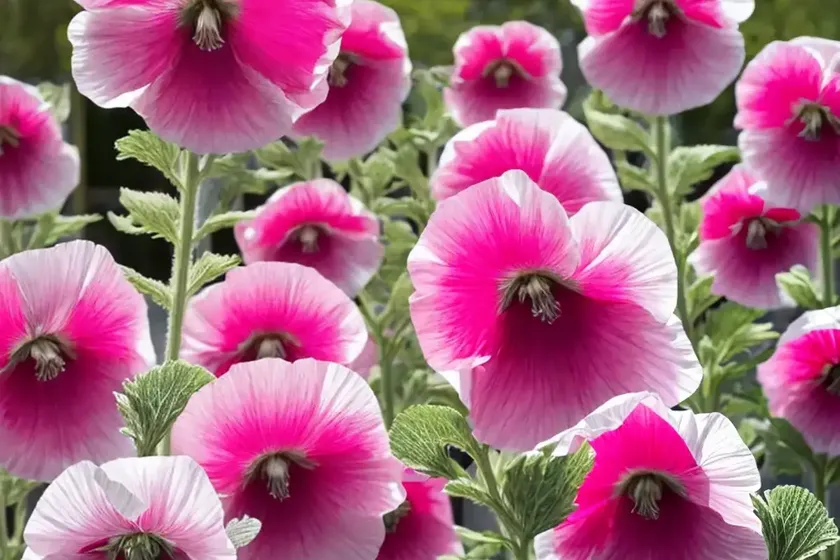
In this blog post, we will delve into the fascinating world of Alcea rosea ‘Spring Celebrities Carmine Rose’, commonly known as Hollyhock. Hollyhocks are stunning, tall, biennial or short-lived perennial plants that belong to the Malvaceae family. They are renowned for their showy, colorful flowers that add a touch of elegance to any garden or landscape.
What is Alcea rosea ‘Spring Celebrities Carmine Rose’ (Hollyhock)?
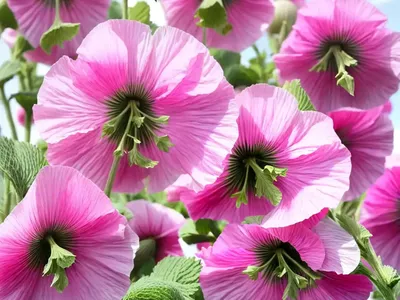
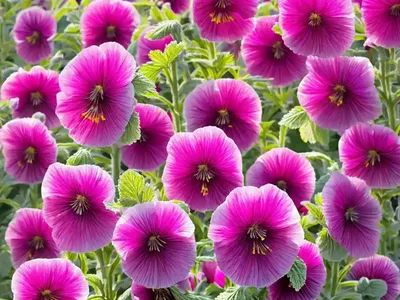
Alcea rosea ‘Spring Celebrities Carmine Rose’ is a particular variety of the hollyhock plant, characterized by its striking carmine rose-colored flowers. These biennial or short-lived perennial plants are known for their towering spires of brightly colored blossoms that adorn the garden in the summer months.
Key Takeaways – Alcea rosea ‘Spring Celebrities Carmine Rose’ (Hollyhock)
Before we delve into the details of Hollyhocks, let’s take a quick look at the key takeaways:
- Name: Alcea rosea ‘Spring Celebrities Carmine Rose’ (Hollyhock)
- Family: Malvaceae
- Flower Color: Carmine Rose
- Plant Type: Biennial or Short-lived Perennial
- Characteristics: Tall, Showy Flowers
- Common Uses: Ornamental, Medicinal
- Sunlight: Full Sun
- Watering: Regular
- Soil: Well-draining
- Maintenance: Moderate
- Common Pests: Aphids, Japanese Beetles
- Common Diseases: Rust, Powdery Mildew
Now, let’s explore various aspects of this captivating plant in more detail.
Culture
Uses
Hollyhocks have been cherished for centuries for both their ornamental and medicinal properties. In gardens, they are often used as stunning backdrops or to add vertical interest to flower beds. Their vibrant flowers attract bees, butterflies, and hummingbirds, making them a favorite among gardeners looking to attract pollinators.
From a medicinal perspective, hollyhocks have been used in traditional herbal medicine to alleviate respiratory issues, soothe sore throats, and ease digestive discomfort. However, it’s important to consult with a healthcare professional before using any plant for medicinal purposes.
Water
Like many other flowering plants, hollyhocks require regular watering, especially during dry spells. While they are somewhat drought-tolerant once established, consistent moisture is essential for robust growth and prolific flowering. To prevent issues such as powdery mildew, it’s best to water the plants at the base to keep the foliage dry.
Sunlight
Hollyhocks thrive in full sun, requiring at least six to eight hours of direct sunlight daily. Adequate sunlight is crucial for producing sturdy, upright flower spikes and vibrant blooms. Insufficient sunlight can result in leggy growth and diminished flowering.
Fertilizer
Fertilizing hollyhocks can help promote healthy growth and abundant flowering. A balanced, all-purpose fertilizer applied in early spring as new growth emerges can provide the necessary nutrients for the plants to thrive. However, it’s important to avoid over-fertilization, as excessive nitrogen can lead to lush foliage at the expense of flowers.
Soil
Hollyhocks prefer well-draining, fertile soil with a slightly alkaline pH. Amending the soil with organic matter, such as compost, can improve soil structure and fertility, promoting healthy root development and overall plant vigor. Additionally, a well-draining soil mix can help prevent waterlogging, which may lead to root rot and other issues.
Pruning
Pruning hollyhocks is essential for maintaining a tidy appearance and prolonging the flowering period. Deadheading spent blooms can encourage the production of new flowers and prevent self-seeding, particularly in cases where reseeding is not desired. Additionally, removing diseased or damaged foliage can help prevent the spread of diseases and promote overall plant health.
Propagation
Hollyhocks can be propagated through both seeds and division. Collecting and germinating seeds from established plants is a cost-effective way to propagate hollyhocks. Furthermore, dividing mature hollyhock clumps can help rejuvenate overcrowded plants and yield new individuals for transplanting or sharing with other gardeners.
Container Popularity
While hollyhocks are commonly grown in garden beds and borders, they can also thrive in containers, bringing their vertical elegance to patios, balconies, and other outdoor spaces. The tall flower spikes of hollyhocks add a vertical dimension to container gardens, creating a striking focal point or backdrop for other annuals and perennials.
Container Common Diseases
Growing hollyhocks in containers can reduce the risk of certain soil-borne diseases, such as root rot, as it allows for better control of soil conditions and drainage. However, containers can also pose unique challenges, including the potential for waterlogged soil in poorly draining pots.
Disease Diagnosis
Hollyhocks are susceptible to several diseases, including rust and powdery mildew. Rust typically appears as small, yellow-orange pustules on the undersides of leaves, while powdery mildew manifests as a powdery white coating on the leaf surfaces. Proper diagnosis of these diseases is crucial for implementing effective management strategies and preventing their spread to other susceptible plants in the garden.
Common Pests
Aphids and Japanese beetles are among the common pests that may target hollyhocks. Aphids, small sap-sucking insects, can congregate on the underside of leaves and cause distortion or yellowing of the foliage. Japanese beetles, known for their voracious appetite, may chew on the leaves and flowers of hollyhocks. Proactive pest monitoring and control measures can help safeguard the plants from significant damage.
Botanist’s Tips
Experienced botanists recommend selecting a well-draining, sunny site for planting hollyhocks to ensure optimal growth and flowering. Choosing disease-resistant varieties, providing adequate air circulation, and avoiding overhead watering can help mitigate the risk of common diseases such as rust and powdery mildew. Additionally, regular monitoring for pests and prompt intervention when necessary can contribute to the overall health and vigor of hollyhocks.
Fun Facts
Hollyhocks have been cherished for centuries and have found a place in folklore and cultural traditions. Here are a few fun facts about these captivating plants:
- Hollyhocks are often featured in cottage gardens, adding a nostalgic, old-fashioned charm to the landscape.
- The flowers of hollyhocks are edible and can be used to add a splash of color to salads or desserts.
- Hollyhocks have a long history of medicinal use and have been employed in various herbal remedies throughout the ages.
Links to External Resources
- How to Grow and Care for Hollyhocks
- Hollyhocks: A Growing Guide
- Planting and Caring for Hollyhocks
- Hollyhock Diseases and Pests
In conclusion, Alcea rosea ‘Spring Celebrities Carmine Rose’ (Hollyhock) is a captivating plant known for its tall, showy flower spikes and vibrant, carmine rose-colored blooms. From its preferred cultural conditions to its uses, maintenance, and potential challenges, hollyhocks offer an array of possibilities for gardeners and plant enthusiasts. Whether grown in garden beds, borders, or containers, the graceful presence of hollyhocks is sure to lend an air of elegance to any outdoor space.