Alcea Rosea ‘Radiant Rose’ (Hollyhock)
Attracting admiration and interest for centuries, hollyhocks (Alcea rosea ‘Radiant Rose’) are cherished for their tall, showy flower spikes and rich.
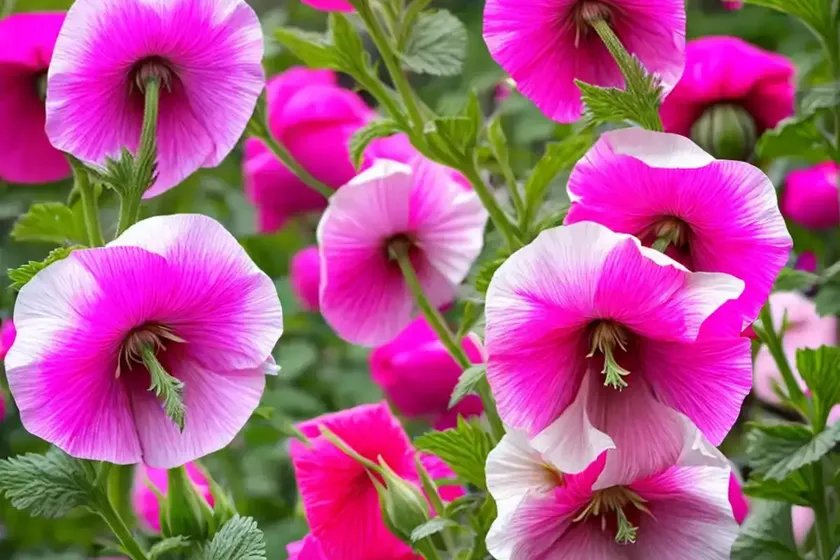
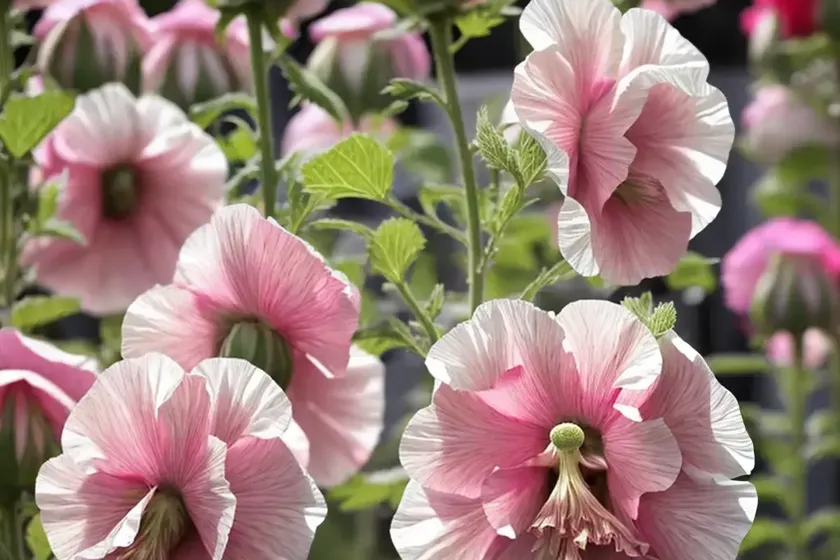
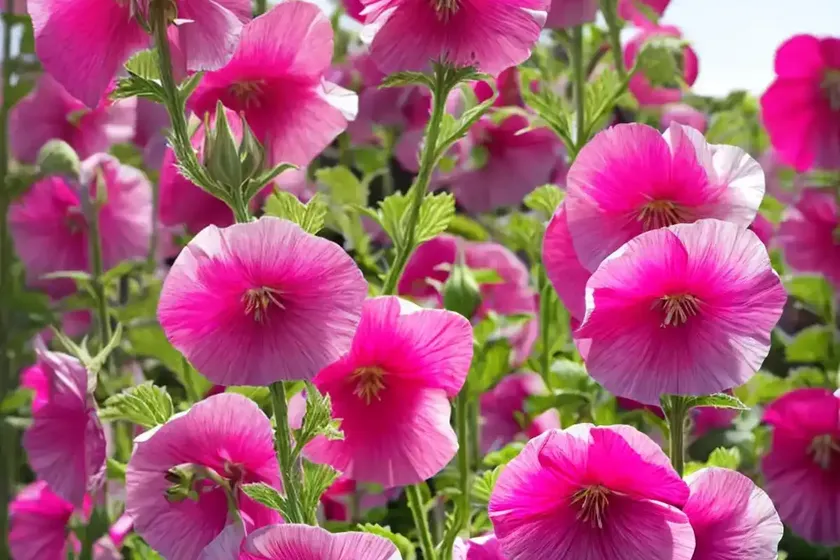
Attracting admiration and interest for centuries, hollyhocks (Alcea rosea ‘Radiant Rose’) are cherished for their tall, showy flower spikes and rich historical significance. In this comprehensive guide, we will delve into every aspect of growing, cultivating, and enjoying these delightful blooms. From understanding their cultural requirements to managing pests and diseases, this blog post covers the A to Z of caring for Alcea rosea ‘Radiant Rose’.
What is Alcea rosea ‘Radiant Rose’?
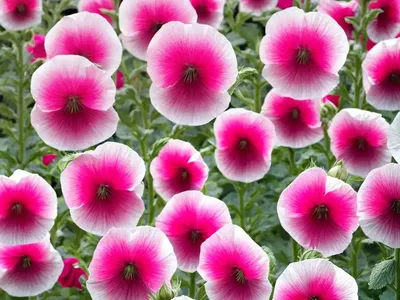
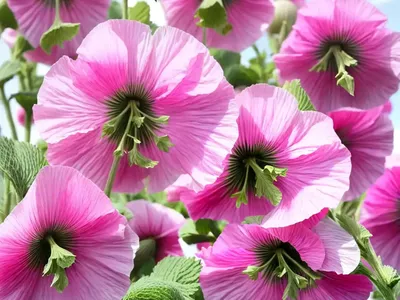
Alcea rosea ‘Radiant Rose’ is a member of the mallow family (Malvaceae) and is commonly known as hollyhock. These biennials or short-lived perennials are renowned for their towering spikes of large, vibrant flowers in shades of pink, red, or white. With a plant height that can reach up to 9 feet, they make a striking addition to any garden or landscape. The lush, deeply lobed foliage forms a strong basal rosette, providing a beautiful backdrop to the striking vertical blooms.
Key Takeaways – Alcea rosea ‘Radiant Rose’
Before delving into the specific details of hollyhock care and cultivation, let’s take a look at the key takeaways of this beautiful plant.
- Plant Family: Malvaceae
- Height: Up to 9 feet
- Blooming Period: Summer to early fall
- Cultural Requirements: Full sunlight, rich, well-draining soil, regular watering, and occasional fertilization
- Uses: Ornamental garden plant, cut flowers
- Disease Resistance: Susceptible to rust and other fungal diseases
- Propagation: Through seeds or division
- Container Gardening: Suitable for large containers
- Winter Care: Mulching for winter protection
Now, let’s explore these aspects in detail to gain a comprehensive understanding of how to grow and care for Alcea rosea ‘Radiant Rose’.
Culture
Water
Hollyhocks require moderate to regular watering, especially during dry spells or when they are establishing themselves. However, it is essential to avoid overwatering, as excessively wet soil can lead to root rot and other moisture-related issues. A good practice is to water deeply and allow the soil to dry slightly between watering sessions. Inadequate or irregular watering can lead to stunted growth and poor flowering.
Sunlight
Full sunlight is crucial for the healthy growth and abundant flowering of Alcea rosea ‘Radiant Rose’. These sun-loving plants should ideally receive at least 6-8 hours of direct sunlight daily. In regions with scorching summers, some afternoon shade can be beneficial, especially to protect the plants from extreme heat.
Fertilizer
Fertilizing hollyhocks can help promote robust growth and abundant flowering. Use a balanced, all-purpose fertilizer in the spring, or incorporate well-rotted compost into the soil to provide essential nutrients. Apply a balanced fertilizer once a month during the growing season to support the plant’s vigor and blooming potential.
Soil
For optimal growth, hollyhocks require well-draining, fertile soil. Loamy soil with a slightly acidic to neutral pH range is ideal for these plants. While they can tolerate a range of soil types, it is crucial to ensure that the soil is not waterlogged as excessive moisture can lead to root diseases. Amending the soil with organic matter such as compost or well-rotted manure can improve both drainage and soil fertility.
Pruning
Pruning hollyhocks is primarily aimed at deadheading spent flowers and removing diseased or damaged foliage. Regular deadheading encourages continuous blooming and prevents the plant from expending energy on seed production. Additionally, the removal of any signs of disease can help minimize the spread of fungal infections, ensuring the overall health of the plant.
Propagation
Hollyhocks can be propagated by both seeds and division. Seed propagation is the most common method and involves collecting ripe seeds from the flower spikes after they have finished blooming. These seeds can be sown directly in the garden bed or started indoors in late winter for transplanting in the spring. Division of established clumps can also be performed in early spring to create new plants.
Container Gardening
While hollyhocks are commonly grown in garden beds, they can also thrive in large containers or planters. When selecting a container for hollyhocks, ensure that it provides ample space for the plant’s deep taproot system and offers good drainage. Regular watering is crucial for container-grown hollyhocks, as they are more susceptible to drying out compared to those in garden beds.
Popularity
Hollyhocks have been a staple in cottage gardens and traditional landscapes for generations, admired for their old-fashioned charm and striking presence. They are popular for adding height and vertical interest to garden borders, backdrops, and along fences. Additionally, their nostalgic appeal and diverse color options make them a favorite among gardeners looking to create a whimsical, romantic atmosphere in their outdoor spaces.
Common Diseases
Disease Diagnosis
Hollyhocks are susceptible to rust, a fungal disease that manifests as orange, yellow, or black spots on the leaves and stems, often accompanied by premature leaf drop. Adequate air circulation and moisture management can help prevent the onset and spread of rust. Additionally, powdery mildew and leaf spot diseases can affect hollyhocks, leading to unsightly foliage and reduced plant vigor.
Disease Treatment
To manage fungal diseases, it is essential to promptly remove and destroy affected plant parts to prevent the spread of spores. Pruning for improved air circulation, avoiding overhead watering, and applying fungicidal sprays as a preventive measure can all contribute to better disease management. In severe cases, the use of chemical fungicides may be necessary, but it should be approached with caution and according to label instructions.
Common Pests
Hollyhocks can attract various pests, including aphids, spider mites, and caterpillars. These pests can cause leaf damage, stunted growth, and overall decline in plant health if left unchecked. Regular monitoring and early intervention are key to managing pest infestations and preventing significant damage to the plants.
Botanist’s Tips
Hollyhock Flower Varieties
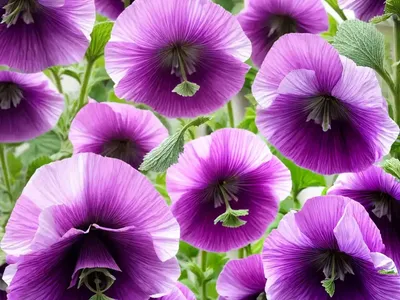
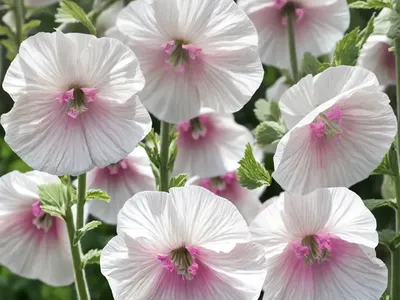
Hollyhocks are available in an array of captivating colors, including shades of pink, red, yellow, white, and even bi-colored blooms. Some popular cultivars and varieties of Alcea rosea include ‘Chater’s Double’, ‘Queeny Purple’, ‘Nigra’, and ‘Peaches ‘n Dreams’, each offering its unique charm and appeal.
Growing Hollyhock Plants
When planting hollyhocks, it is advisable to space them adequately to allow for good air circulation and to prevent overcrowding as they mature. In regions with hot summers, providing some afternoon shade can benefit the plants, especially during the peak of summer heat.
Hollyhock Plant Maintenance
Regular grooming and maintenance, such as deadheading spent flowers, removing diseased foliage, and providing proper support for tall stems, can contribute to the overall health and visual appeal of hollyhock plants.
Fun Facts
- The blooms of hollyhocks are often rich in nectar and attract pollinators such as bees, butterflies, and hummingbirds to the garden.
- Hollyhocks have been a beloved garden favorite for centuries, with their origins dating back to medieval gardens and monastic herb plots.
Links to External Resources
For further information on growing and caring for hollyhocks, you may find the following resources useful:
- Royal Horticultural Society – Hollyhocks
- The Old Farmer’s Almanac – Hollyhocks
- In Defense of Plants – The Ecology and Natural History of Hollyhocks
In conclusion, Alcea rosea ‘Radiant Rose’ (Hollyhock) is a captivating and classic addition to any garden. With proper care, attention to cultural requirements, and management of potential pests and diseases, these tall, stately blooms can grace your outdoor space with their vibrant hues and charming presence for years to come. Whether planted in traditional cottage gardens, contemporary landscapes, or large containers, hollyhocks are sure to captivate and enchant both gardeners and admirers alike.