Aglaonema Modestum (Aglaonema Modestum)
Aglaonema modestum, commonly known as Chinese evergreen, is a popular and attractive ornamental plant that is prized for its lush foliage and.
Aglaonema modestum, commonly known as Chinese evergreen, is a popular and attractive ornamental plant that is prized for its lush foliage and low-maintenance nature. This versatile plant can thrive in various indoor conditions, making it a favorite among plant enthusiasts and beginners alike.
In this comprehensive care guide, we will delve into the various aspects of caring for Aglaonema modestum, including its cultural requirements, common uses, maintenance needs, and tips for propagation. Whether you’re a seasoned plant parent or a beginner looking to bring a touch of green into your home, this guide will equip you with the knowledge to nurture and enjoy the beauty of Aglaonema modestum to its fullest potential.
What is Aglaonema Modestum?
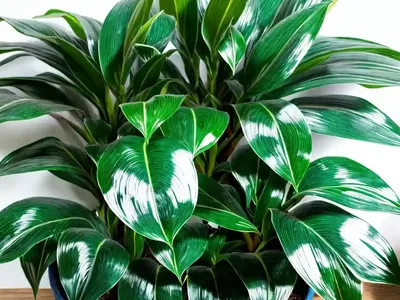
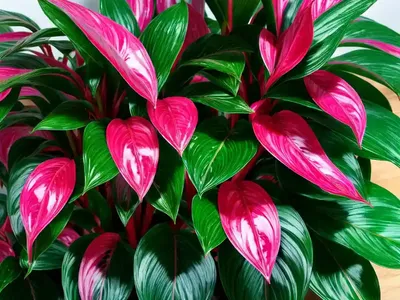
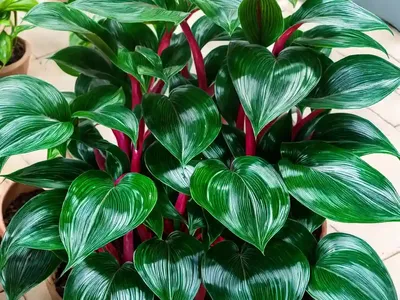
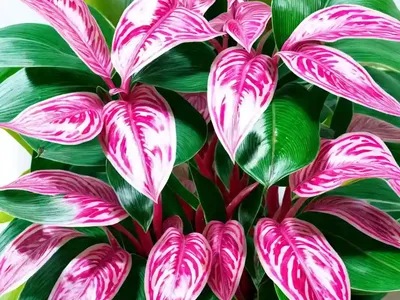
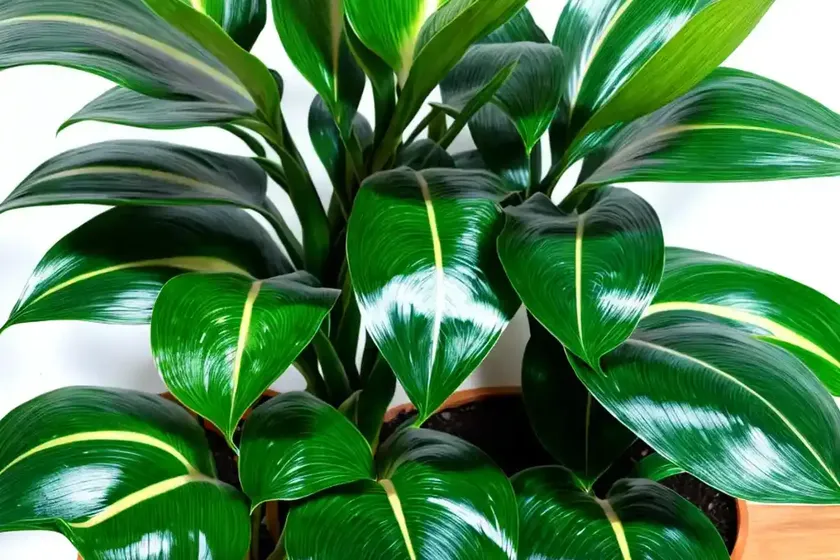
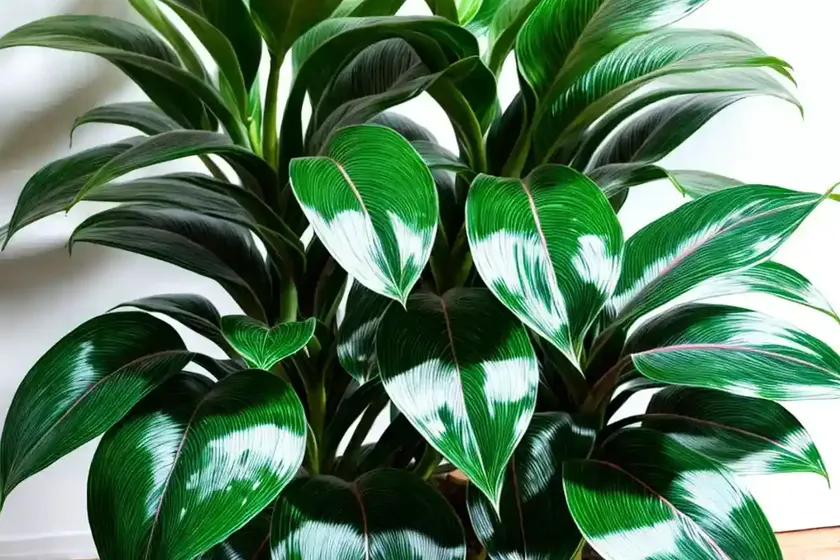
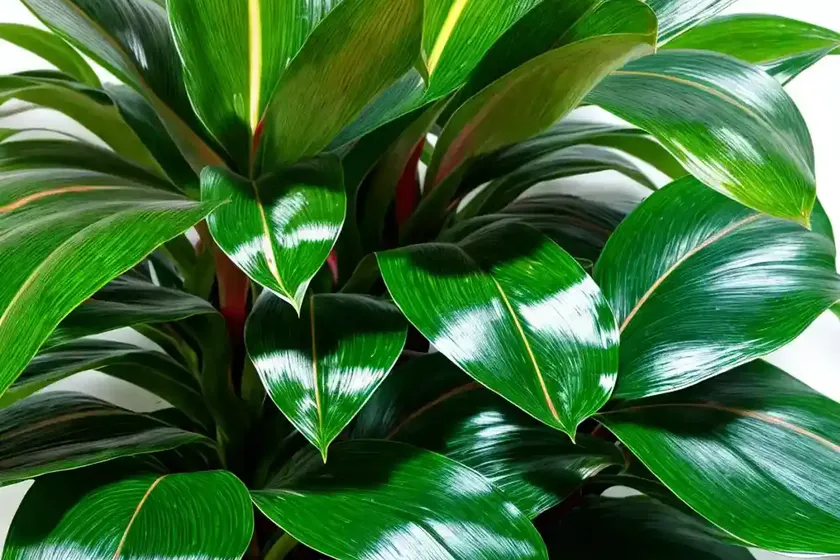
Aglaonema modestum is a species of flowering plant in the Araceae family, native to the tropical and subtropical regions of Asia. It is known for its striking foliage, characterized by glossy, lance-shaped leaves that display an array of vibrant green hues, often adorned with intricate patterns and variegation.
The plant’s lush and dense foliage, coupled with its ability to thrive in low light conditions, makes it a popular choice for indoor and office spaces. With proper care, Aglaonema modestum can grow to be a stunning, bushy specimen, adding a touch of elegance to any interior environment.
Key Takeaways – Aglaonema Modestum
Before we delve into the specifics of caring for Aglaonema modestum, let’s outline some key takeaways that encapsulate the plant’s essential characteristics and care requirements:
- Aglaonema modestum is a species of flowering plant known for its lush, variegated foliage and low-maintenance nature.
- This plant is well-suited for indoor environments, thriving in low light conditions and requiring minimal attention.
- Aglaonema modestum is popular for its air-purifying properties, making it a beneficial addition to interior spaces.
- Cultivating Aglaonema modestum involves considerations such as watering, sunlight exposure, fertilization, soil requirements, pruning, and propagation.
Now that we have an overview of Aglaonema modestum’s key attributes, let’s explore each aspect of its care in greater detail.
Culture
The cultural requirements of Aglaonema modestum play a crucial role in ensuring its overall health and vitality. Understanding the plant’s preferred conditions and addressing its needs accordingly is essential for fostering robust growth and maintaining its ornamental appeal.
Uses
Aglaonema modestum is primarily valued for its ornamental foliage, making it a popular choice for interior landscaping and decorative purposes. The plant’s striking leaves and variegated patterns lend a touch of natural beauty to homes, offices, and commercial spaces, enhancing the overall aesthetic while contributing to a tranquil and inviting atmosphere.
Beyond its visual appeal, Aglaonema modestum also serves as an effective air purifier, actively removing pollutants and toxins from indoor air. This air-purifying capability makes it a sought-after plant for improving indoor air quality and creating healthier living and working environments.
Water
Proper watering is crucial for the health and vitality of Aglaonema modestum. Maintaining a balanced approach to watering, taking into account the plant’s moisture needs and avoiding overwatering or underwatering, is essential for preventing issues such as root rot and dehydration.
- Watering Guidelines:
- Water the plant when the top inch of the soil feels dry to the touch.
- Ensure that excess water can drain freely from the pot to prevent waterlogged conditions.
- Avoid leaving the plant in standing water, as this can lead to root suffocation and rot.
- Adjust the watering frequency according to environmental factors such as temperature and humidity.
Sunlight
Aglaonema modestum is well-adapted to thrive in low to moderate light conditions. Its tolerance for low light makes it an ideal choice for indoor spaces with limited natural sunlight, making it easier to incorporate into various interior settings.
- Sunlight Requirements:
- Place the plant in indirect or filtered light, away from direct exposure to intense sunlight.
- Avoid prolonged exposure to direct sunlight, as this can lead to leaf scorch and discoloration.
- Ensure sufficient ambient light for the plant’s growth and development, especially in interior spaces with minimal natural light.
Fertilizer
Proper fertilization provides essential nutrients that support the growth and vigor of Aglaonema modestum. By understanding the plant’s fertilization needs and implementing a balanced feeding regimen, you can promote healthy foliage and overall plant well-being.
- Fertilization Tips:
- Use a balanced, water-soluble fertilizer formulated for foliage plants.
- Apply fertilizer at half the recommended strength to avoid overfeeding.
- Feed the plant during the growing season, typically from spring to early fall, while reducing or suspending fertilization during the winter months.
- Ensure that the soil is moist before applying fertilizer to prevent potential root damage.
Soil
The choice of potting soil directly influences the root health and overall growth of Aglaonema modestum. By selecting a well-draining and nutrient-rich soil medium, you can create an optimal environment for the plant to thrive and flourish.
- Soil Recommendations:
- Use a well-aerated, well-draining potting mix suitable for tropical foliage plants.
- Incorporate components such as peat moss, perlite, and organic matter to ensure proper moisture retention and soil structure.
- Avoid heavy, compacted soils that may impede drainage and lead to waterlogged conditions.
- Monitor the soil moisture and adjust the watering frequency based on the specific characteristics of the chosen potting mix.
Pruning
Pruning is an essential aspect of Aglaonema modestum maintenance, allowing you to shape the plant, remove damaged foliage, and encourage healthy growth. By adopting proper pruning techniques, you can enhance the plant’s appearance and overall longevity.
- Pruning Practices:
- Trim yellowed or damaged leaves to maintain the plant’s aesthetics and prevent the spread of potential diseases.
- Use clean, sharp pruning shears to make precise cuts and minimize stress on the plant.
- Regularly inspect the plant for signs of overgrowth or overcrowding, and selectively trim back excess foliage to promote a balanced and attractive form.
- Avoid excessive pruning that may compromise the plant’s energy reserves and overall health.
Propagation
Propagation offers an exciting opportunity to expand your collection of Aglaonema modestum and share the beauty of this plant with others. By utilizing propagation methods such as division or stem cuttings, you can create new plants that inherit the desirable traits of the parent specimen.
- Propagation Techniques:
- Division: Separate the plant into smaller sections, ensuring that each division has sufficient roots and foliage for independent growth.
- Stem Cuttings: Take stem cuttings from the parent plant, ensuring that each cutting has at least one leaf node for potential root development.
- Provide adequate moisture and warmth for the propagated sections to encourage root establishment and new growth.
Container Popularity
Aglaonema modestum’s adaptability to container growth makes it a popular choice for indoor and urban gardening. The plant’s compact and decorative nature, coupled with its low-maintenance requirements, makes it well-suited for cultivation in various types of containers, including pots, planters, and decorative vessels.
- Container Selection:
- Choose containers with drainage holes to facilitate proper water management and avoid waterlogging.
- Select containers that allow sufficient room for the plant’s root system to expand while providing stability and support.
- Consider decorative pots or planters that complement the visual appeal of Aglaonema modestum’s lush foliage and variegated patterns.
Common Diseases
Aglaonema modestum may be susceptible to certain diseases and health issues that can affect its overall well-being. By familiarizing yourself with common plant ailments and their potential causes, you can proactively address and mitigate the risk of disease development.
Disease Diagnosis
Understanding the symptoms and causes of common diseases can help you diagnose and address potential issues that may arise in Aglaonema modestum.
- Common Diseases:
- Leaf Spot: Characterized by dark, water-soaked spots on the leaves, often caused by fungal pathogens in humid conditions.
- Root Rot: Caused by overwatering or waterlogged soil, leading to root decay and compromised plant health.
- Powdery Mildew: Manifests as a powdery white coating on the leaves, indicative of fungal growth favored by high humidity and poor air circulation.
Common Pests
Pest infestations can pose a threat to the overall health and appearance of Aglaonema modestum. By identifying common pests and implementing effective control measures, you can safeguard the plant from potential damage and ensure its long-term vitality.
Pests Control
Vigilant monitoring and prompt intervention are key components of effective pest control for Aglaonema modestum.
- Common Pests:
- Spider Mites: These tiny arachnids may infest the plant, causing visible webbing and stippling on the leaves.
- Mealybugs: Soft-bodied insects that may appear as white, cottony clusters on the plant, feeding on sap and weakening its vigor.
- Scale Insects: Small, immobile pests that attach to the stems and leaves, sucking plant juices and potentially causing wilting and decline.
Botanist’s Tips
As a plant botanist, I’m excited to share some valuable tips and insights to help you cultivate and appreciate the beauty of Aglaonema modestum.
- Implement a routine maintenance schedule to regularly inspect the plant for signs of pests, diseases, or general health concerns.
- Monitor environmental conditions such as humidity levels and temperature variations to ensure a favorable growing environment for Aglaonema modestum.
- Experiment with different Aglaonema modestum varieties to explore the diverse leaf patterns and colorations available within this species.
Fun Facts
As we conclude our in-depth exploration of Aglaonema modestum, let’s uncover some fascinating and delightful facts about this captivating plant:
- Aglaonema modestum is revered for its air-purifying properties, effectively removing toxins such as formaldehyde and benzene from indoor air.
- The plant’s ability to thrive in low-light conditions earned it the reputation of being a resilient and adaptable houseplant.
- Aglaonema modestum is considered a pet-friendly plant, making it a safe and appealing choice for households with furry companions.
Links to External Resources
To further enrich your understanding of Aglaonema modestum and its care, consider exploring the following external resources:
- Aglaonema Care Guide – The Spruce
- Aglaonema: A Complete Guide – The Sill
- Aglaonema Plant Care – Gardening Know How
By engaging with reputable sources and expert insights, you can continually enhance your knowledge and proficiency in caring for Aglaonema modestum.
In conclusion, Aglaonema modestum, with its striking foliage and resilient nature, stands as an exceptional choice for indoor greenery, offering both visual allure and air-purifying benefits. Through attentive and informed care, you can cultivate and enjoy the beauty of Aglaonema modestum, bringing a touch of natural splendor into your daily surroundings. As you embark on your journey of nurturing this remarkable plant, may the insights and recommendations provided in this comprehensive care guide serve as valuable companions in your horticultural endeavors.