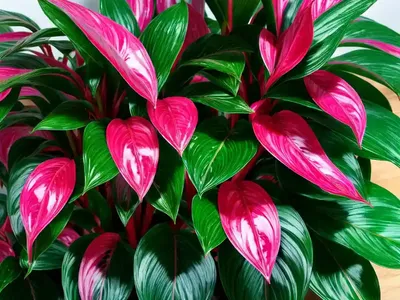
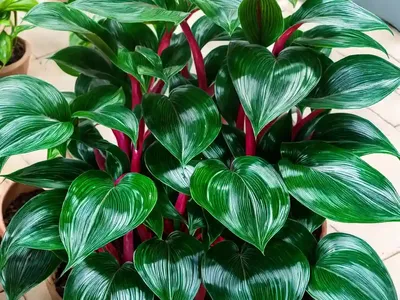
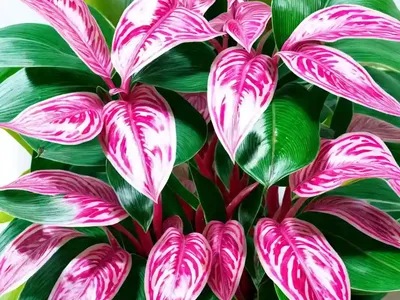
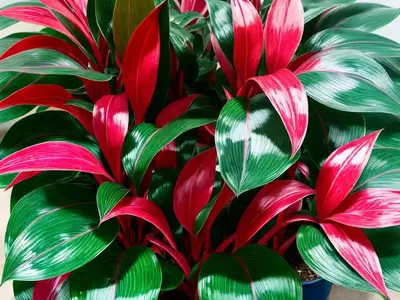
Aglaonema Susane (Aglaonema ‘sapphire Suzanne’)
Introduction to Aglaonema Susane Aglaonema Susane, also known as Aglaonema ‘Sapphire Suzanne,’ is a popular and striking species within the Aglaonema.
Introduction to Aglaonema Susane
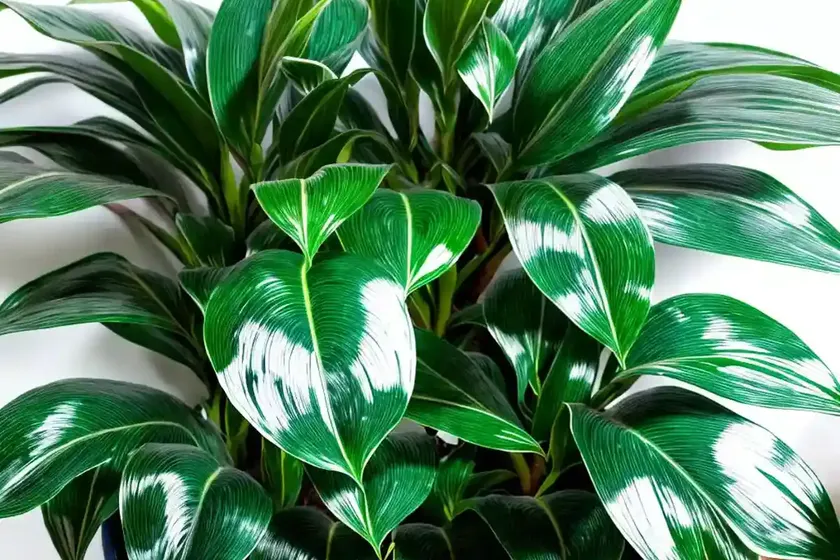
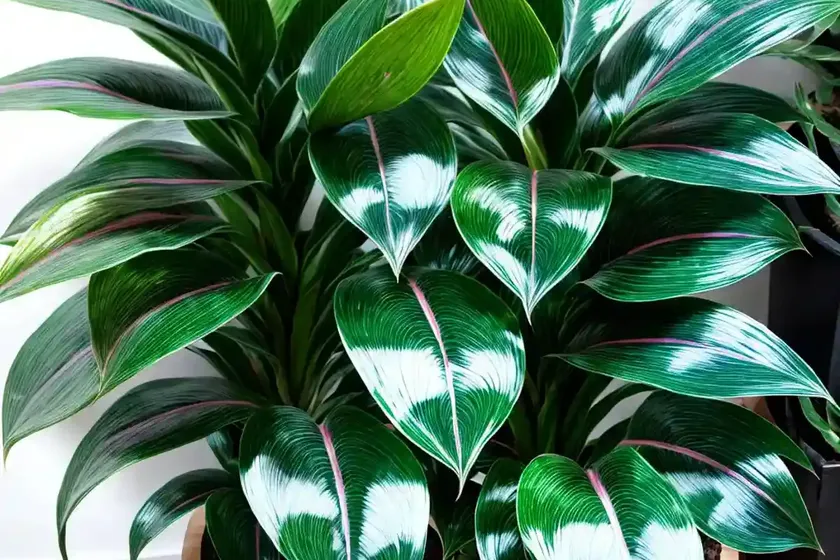
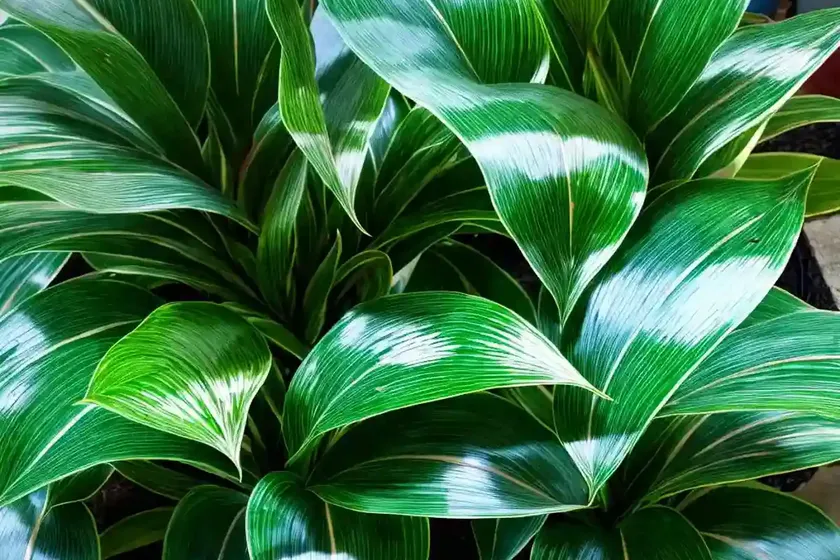
Aglaonema Susane, also known as Aglaonema ‘Sapphire Suzanne,’ is a popular and striking species within the Aglaonema genus. Native to tropical and subtropical regions of Asia, including Thailand, Indonesia, and Malaysia, Aglaonema Susane has garnered attention for its vibrant and attractive foliage, making it a sought-after choice for indoor and outdoor plant enthusiasts alike.
In this comprehensive guide, we will delve into the various aspects of Aglaonema Susane, including its cultural requirements, uses, propagation, common diseases, and pest control. Whether you are a seasoned horticulturist or a novice plant enthusiast, this article will provide invaluable insights into the proper care and maintenance of Aglaonema Susane.
Key Takeaways – Aglaonema Susane (Aglaonema ‘Sapphire Suzanne’)
– Plant Name: Aglaonema Susane (Aglaonema ‘Sapphire Suzanne’)
– Family: Araceae
– Origin: Asia (Thailand, Indonesia, Malaysia)
– Common Names: Aglaonema ‘Sapphire Suzanne’
– Characteristics: Vibrant foliage with striking leaf patterns
– Uses: Ornamental purposes, indoor and outdoor decoration
Aglaonema Susane Culture
Aglaonema Susane is esteemed for its relatively low maintenance requirements, making it an excellent choice for both indoor and outdoor cultivation. Understanding its cultural preferences is essential for ensuring the plant’s health and longevity.
Water
- Watering Frequency: Moderate
Aglaonema Susane thrives in slightly moist, well-draining soil. It is crucial to maintain a consistent watering schedule, ensuring that the soil does not become overly saturated. - Monitoring Moisture Levels:
Regularly assess the moisture levels of the soil, allowing the top inch to dry out between waterings. Overwatering can lead to root rot, while underwatering may cause the plant to wilt and exhibit signs of stress.
Sunlight
- Light Requirements:
Aglaonema Susane prefers bright, indirect light. It is crucial to shield the plant from direct sunlight exposure, as this can scorch its delicate foliage.
Fertilizer
- Fertilization Schedule:
Apply a balanced, liquid fertilizer at half the recommended strength every two to four weeks during the growing season (spring and summer). - Fertilizer Type:
Opt for a well-balanced, water-soluble fertilizer to support the plant’s growth and overall health.
Soil
- Preferred Soil Type:
Well-draining, peat-based potting mix provides an ideal growing medium for Aglaonema Susane. - Acidity Level:
The soil should be slightly acidic, with a pH range of 6.0 to 6.5.
Pruning
Regular maintenance and pruning are essential for promoting optimal growth and enhancing the aesthetic appeal of Aglaonema Susane. When pruning the plant, ensure that you remove any yellowing or damaged leaves, promoting overall vigor and vitality.
Propagation
Aglaonema Susane can be propagated through division or stem cuttings. The division involves separating the plant into smaller sections, each containing a healthy root system. Stem cuttings should be taken from mature, healthy stems and propagated in a suitable potting mix.
Container Popularity
Given its adaptability to container growth, Aglaonema Susane is a favored choice for indoor and patio container gardening. Its compact size and resilience make it an ideal addition to any indoor plant collection.
Common Diseases
Aglaonema Susane is prone to certain diseases that can impact its overall health and appearance. By understanding and identifying these issues early on, preventative measures can be implemented to mitigate potential damage.
Disease Diagnosis
- Root Rot:
Overwatering can lead to root rot, manifested by the plant’s wilting and yellowing leaves. Proper drainage and careful monitoring of watering frequency can mitigate this issue. - Leaf Spot:
Fungal diseases such as leaf spot can result from excessive moisture or poor air circulation. To prevent this, ensure proper spacing between plants and maintain an adequate airflow.
Common Pests
Pest infestations can hinder the growth and vitality of Aglaonema Susane, necessitating proactive pest management measures to safeguard the plant’s wellbeing.
Pest Control
- Mealybugs:
These small, white insects can cluster on the undersides of leaves and along the stems. Manual removal and applications of horticultural oil can help eliminate mealybug infestations. - Spider Mites:
Spider mite infestations can lead to stippled, discolored foliage. Regularly misting the plant and ensuring proper humidity levels can deter these pests.
Botanist’s Tips
To ensure the optimal health and vibrancy of Aglaonema Susane, consider the following expert recommendations:
- Humidity:
Maintain adequate humidity levels, particularly during the drier months, to support the plant’s thriving growth. - Seasonal Considerations:
Adjust watering and fertilization practices based on the seasonal requirements of Aglaonema Susane, fostering optimal development throughout the year.
Fun Facts
- Aglaonema Susane exhibits a remarkable diversity of leaf patterns, ranging from deep green hues to variegated combinations of silver, red, and pink.
- This species is renowned for its air-purifying qualities, effectively removing toxins from indoor environments and improving air quality.
Links to External Resources
For further information on Aglaonema Susane (Aglaonema ‘Sapphire Suzanne’), consider exploring the following resources:
- Royal Horticultural Society – Aglaonema Susane Care
- The Spruce – Growing Aglaonema Indoors
- University of Florida – Aglaonema spp.
- Missouri Botanical Garden – Aglaonema Care
As we conclude this in-depth exploration of Aglaonema Susane, we have delved into the various facets of its care, characteristics, and cultivation. Whether adorning interior spaces or gracing outdoor gardens, Aglaonema Susane stands as a testament to the captivating allure of plant life. By embracing the insights presented, individuals can embark on the enriching journey of nurturing and appreciating this remarkable botanical gem.