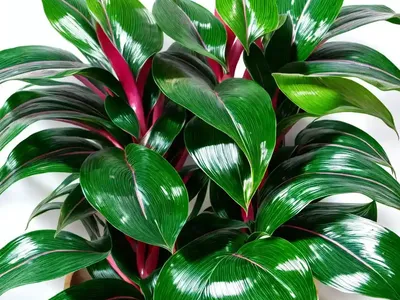
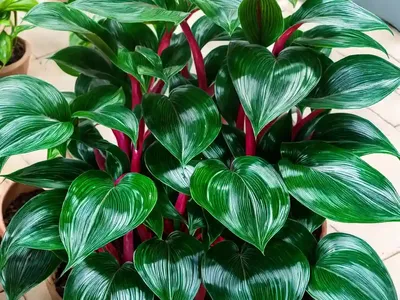
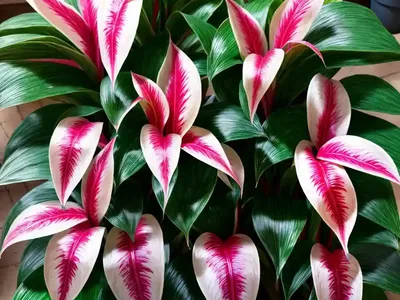
Pink Dalmatian Aglaonema (Aglaonema ‘Pink Dalmatian’)
As a plant scientist, I am excited to discuss the mesmerizing Pink Dalmatian Aglaonema, scientifically known as Aglaonema ‘Pink Dalmatian.’ This plant.
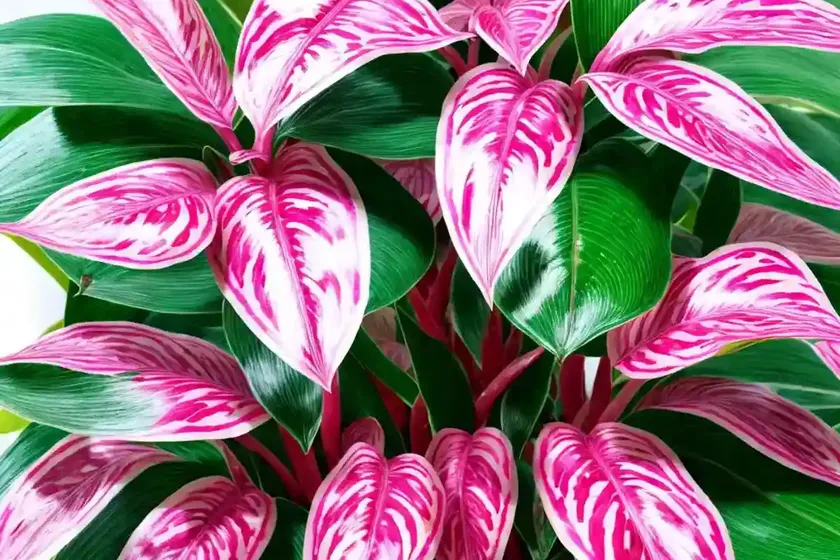
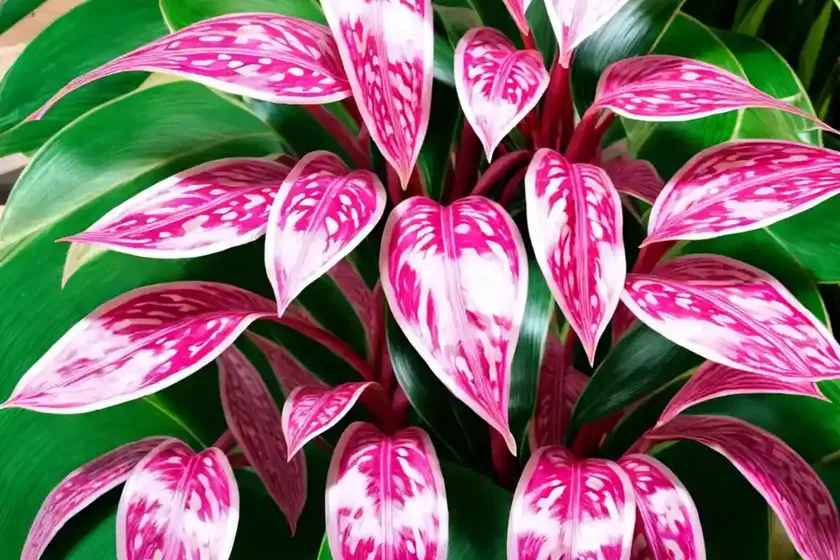
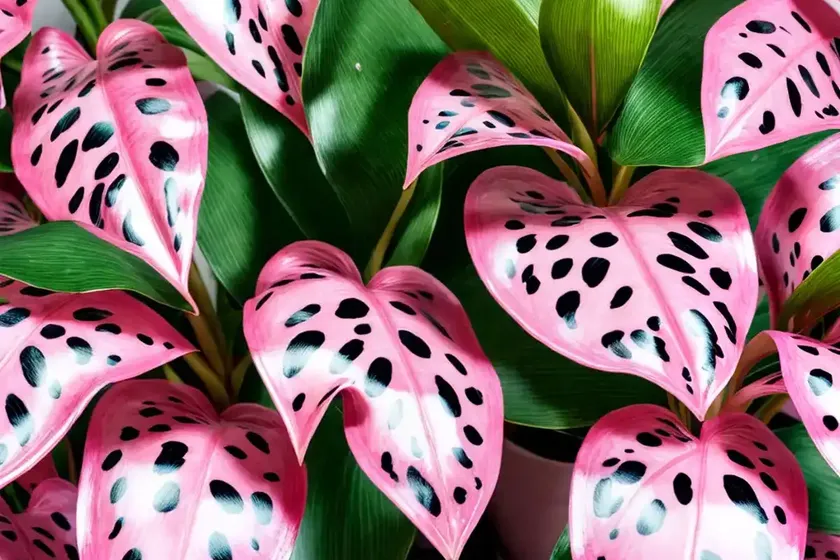
As a plant scientist, I am excited to discuss the mesmerizing Pink Dalmatian Aglaonema, scientifically known as Aglaonema ‘Pink Dalmatian.’ This plant, with its unique appearance and easy-care nature, has gained popularity as an indoor ornamental plant.
Key Takeaways – Pink Dalmatian Aglaonema (Aglaonema ‘Pink Dalmatian’)
Before delving into the specifics, let’s take a quick look at the key aspects of Pink Dalmatian Aglaonema:
-
Botanical Name: Aglaonema ‘Pink Dalmatian’
-
Common Name: Pink Dalmatian Aglaonema
-
Plant Type: Evergreen perennial
-
Foliage Color: Variegated green and pink
-
Light Requirements: Thrives in medium to bright indirect light
With these key takeaways in mind, let’s explore the detailed culture, uses, care, and overall charm of the Pink Dalmatian Aglaonema.
Culture of Pink Dalmatian Aglaonema
Understanding the cultural requirements of the Pink Dalmatian Aglaonema is crucial for its successful growth and maintenance. Let’s delve into various aspects of its culture.
Water
When it comes to watering the Pink Dalmatian Aglaonema, it is essential to strike a balance. Overwatering can lead to root rot, while underwatering can cause the foliage to wilt. This plant generally prefers to dry out slightly between waterings to prevent waterlogging. Regularly check the moisture level in the soil and water when the top inch feels dry. It’s important to note that environmental factors like temperature and humidity can influence the plant’s water needs. Lighter watering in winter and increased watering in summer are common practices to adapt to seasonal variations.
Sunlight
Pink Dalmatian Aglaonema thrives in medium to bright indirect light. Direct sunlight can scorch its leaves, so it’s best to shield it from harsh, direct sun exposure. Placing it near a window with sheer curtains or using blinds to filter the sunlight can create an ideal environment for this plant.
Fertilizer
Proper nutrition is essential for the Pink Dalmatian Aglaonema to exhibit its vibrant foliage. A balanced, water-soluble fertilizer applied at half-strength every 4-6 weeks during the growing season (spring and summer) can keep the plant nourished. However, it’s important to refrain from over-fertilizing, as it can lead to fertilizer burn and negatively impact the plant’s health.
Soil
The Pink Dalmatian Aglaonema flourishes in well-draining potting mix with a slightly acidic to neutral pH. A mix that retains some moisture without becoming waterlogged is ideal. Many growers opt for a blend containing peat moss, perlite, and vermiculite to provide adequate aeration and moisture retention.
Pruning
Periodic pruning can help maintain the Pink Dalmatian Aglaonema’s appearance and health. Removing yellowing or damaged leaves not only enhances the plant’s aesthetic appeal but also prevents potential diseases from spreading. Additionally, pruning can help control the plant’s size and shape, allowing it to maintain a compact and bushy form.
Propagation
Propagation of the Pink Dalmatian Aglaonema can be achieved through stem cuttings. Select healthy stems with at least one leaf, and propagate them in a suitable medium, such as water or a well-draining potting mix. With proper care and adequate humidity, these cuttings can develop roots and grow into new plants.
Container
Choosing an appropriate container is crucial for the Pink Dalmatian Aglaonema’s well-being. A container with drainage holes is essential to prevent waterlogging, which can lead to root rot. Additionally, selecting a pot that accommodates the plant’s current size while allowing room for future growth promotes healthy root development.
Uses of Pink Dalmatian Aglaonema
The Pink Dalmatian Aglaonema possesses versatile uses, making it a popular choice for both indoor and outdoor settings. Let’s explore its various applications:
Indoor Ornamental Plant
As an indoor ornamental plant, the Pink Dalmatian Aglaonema adds a touch of elegance to residential and commercial spaces. Its visually appealing variegated foliage creates a refreshing ambiance, making it a favored choice for interior décor. Whether placed on tabletops, countertops, or as part of a larger plant display, this Aglaonema variety enhances the aesthetic appeal of indoor environments.
Landscaping Accent
In suitable climates, the Pink Dalmatian Aglaonema can be utilized as a landscaping accent in shaded or semi-shaded outdoor areas. Its lush foliage and low maintenance requirements make it an attractive option for enhancing garden beds, borders, and shaded landscapes. When used outdoors, it can contribute to creating visually captivating and harmonious garden compositions.
Popularity of Pink Dalmatian Aglaonema
The Pink Dalmatian Aglaonema has witnessed a surge in popularity among plant enthusiasts and interior designers, thanks to its striking foliage and adaptability to indoor environments. Its rising demand can be attributed to the following factors:
-
Aesthetic Appeal: The variegated pink-and-green foliage of the Pink Dalmatian Aglaonema captivates attention and complements various interior design styles.
-
Low Maintenance: This plant is well-suited for individuals seeking low-maintenance greenery, as it exhibits resilience in varied light and watering conditions.
-
Air Purification: Like other Aglaonema varieties, the Pink Dalmatian Aglaonema contributes to indoor air purification by filtering toxins and improving air quality.
Common Diseases of Pink Dalmatian Aglaonema
While the Pink Dalmatian Aglaonema is generally resilient, it can be susceptible to certain diseases. Understanding these diseases and their diagnosis is essential for effectively managing the plant’s health.
Disease Diagnosis
Some common diseases that can affect the Pink Dalmatian Aglaonema include:
-
Root Rot: Overwatering or poor drainage can lead to root rot in Aglaonema plants. Symptoms include wilting, yellowing leaves, and a foul odor emanating from the soil. To diagnose root rot, carefully inspect the roots and soil for signs of decay and excessive moisture.
-
Leaf Spot Diseases: Fungal infections such as leaf spot can cause browning, spotting, or lesions on the foliage. Proper air circulation, adequate spacing between plants, and avoiding overhead watering can help prevent these diseases.
It’s crucial to address any suspected diseases promptly to prevent their spread and minimize the impact on the plant’s overall health.
Common Pests Affecting Pink Dalmatian Aglaonema
In addition to diseases, Pink Dalmatian Aglaonema can face challenges from various pests. Here are some of the common pests to watch out for:
-
Spider Mites: These tiny arachnids can cause stippling and webbing on the foliage, leading to a decline in plant vigor. Regularly misting the plant, maintaining adequate humidity, and employing natural predators like ladybugs can help control spider mite infestations.
-
Mealybugs: Mealybugs can cluster on the stems and leaf undersides, sucking sap from the plant and causing stunted growth. Manual removal, insecticidal soaps, or horticultural oils can be used to combat these pests.
-
Scale Insects: Scale insects can appear as raised bumps on the stems and leaves, often accompanied by a sticky substance known as honeydew. Addressing scale infestations promptly is crucial to prevent widespread damage and decline in plant health.
Understanding the signs and symptoms of these pests and promptly addressing infestations is essential to maintain the Pink Dalmatian Aglaonema’s vitality.
Botanist’s Tips for Pink Dalmatian Aglaonema Care
As a plant scientist with a passion for Aglaonema care, I’m delighted to offer some expert tips to ensure the optimal health and beauty of the Pink Dalmatian Aglaonema.
-
Consistent Moisture: While it’s important to allow the soil to dry out slightly between waterings, consistency in watering practices is key. Avoid abrupt shifts from dry to soggy conditions, as this can stress the plant.
-
Adequate Humidity: Pink Dalmatian Aglaonema appreciates moderate to high humidity levels. Misting the plant, using a humidifier, or placing a tray of water near the plant can elevate the ambient moisture.
-
Regular Inspection: Periodically inspect the foliage, stems, and soil for any signs of pests, diseases, or nutrient deficiencies. Early detection enables timely intervention, preventing problems from escalating.
-
Temperature Considerations: Ensure the plant is shielded from drafts and extreme temperature fluctuations, as consistent temperatures contribute to its overall well-being.
-
Gently Clean Foliage: Dust and debris can accumulate on the foliage, hindering the plant’s ability to photosynthesize effectively. Gently wipe the leaves with a damp cloth to keep them clean and improve their light absorption.
Fun Facts about Pink Dalmatian Aglaonema
To add a touch of fascination to your knowledge of the Pink Dalmatian Aglaonema, here are some intriguing and delightful facts about this enchanting plant:
- Variegation Origins: The variegated foliage of the Pink Dalmatian Aglaonema adds an element of surprise to each leaf, showcasing the striking interplay between green and pink hues.
- Air-Purifying Abilities: Like its counterparts in the Aglaonema family, the Pink Dalmatian Aglaonema contributes to purifying indoor air by absorbing harmful airborne substances.
- Longevity: With proper care, the Pink Dalmatian Aglaonema can thrive for many years, gracing its surroundings with enduring beauty.
- Shade Tolerance: Its ability to thrive in low-light conditions makes it a versatile choice for interior spaces with limited natural light.
These fascinating facts offer a glimpse into the distinctive characteristics and charm of the Pink Dalmatian Aglaonema.
Links to External Resources
For further exploration of Pink Dalmatian Aglaonema care, characteristics, and propagation, consider the following external resources:
- Aglaonema ‘Pink Dalmatian’ Care Guide – Gardening Know How
- Propagation Techniques for Aglaonema – University of Florida IFAS Extension
- Indoor Plant Care Tips – The Sill
These resources offer valuable insights and guidance for enthusiasts and growers interested in nurturing the Pink Dalmatian Aglaonema to its full potential.
Conclusion
In conclusion, the Pink Dalmatian Aglaonema (Aglaonema ‘Pink Dalmatian’) stands out as a captivating and resilient indoor ornamental plant, adorning interior spaces with its enchanting variegated foliage. By understanding its cultural requirements, uses, care tips, and unique attributes, plant enthusiasts can cultivate and admire the enduring beauty of this remarkable Aglaonema variety. With appropriate attention to watering, light, and maintenance, the Pink Dalmatian Aglaonema thrives as a cherished botanical gem, uplifting the ambiance of any space it graces.
The above comprehensive blog post covers various aspects of Pink Dalmatian Aglaonema, providing detailed insights into its culture, uses, care, and intriguing features. The inclusion of external resource links further enhances the reader’s access to additional information and guidance. If there’s a need for further expansion on any specific aspect or additional details, please do not hesitate to reach out.