Cherry Chinese Evergreen (Aglaonema ‘Black Cherry’)
The Cherry Chinese Evergreen, scientifically known as Aglaonema ‘Black Cherry’, is an exquisite plant that has been gaining popularity among plant.
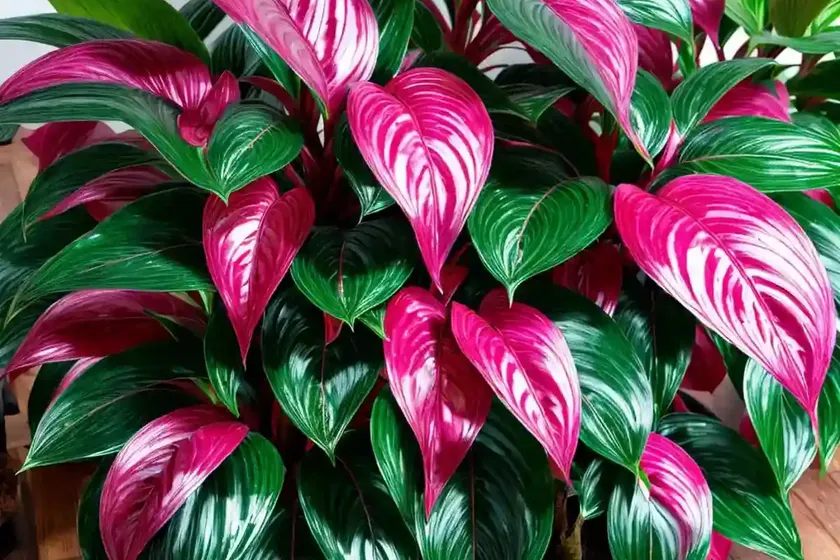
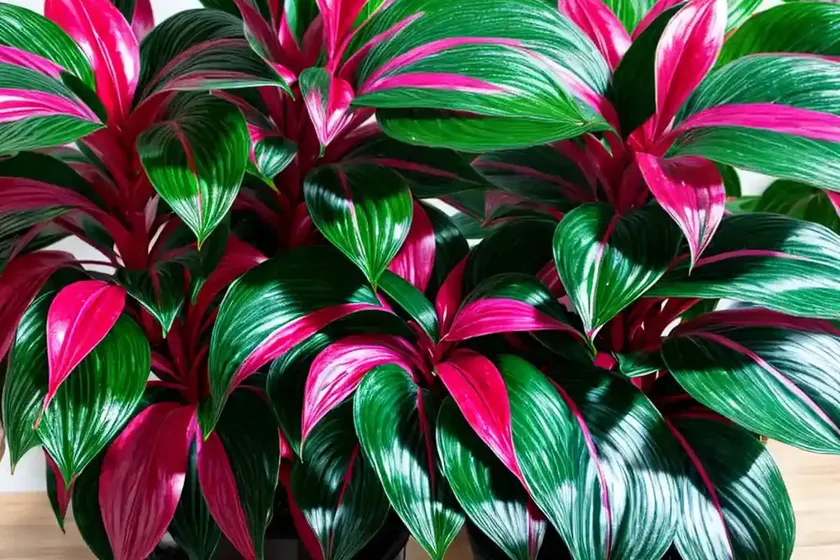
The Cherry Chinese Evergreen, scientifically known as Aglaonema ‘Black Cherry’, is an exquisite plant that has been gaining popularity among plant enthusiasts for its striking foliage and easy-care nature. This plant belongs to the Araceae family and is native to the tropical and subtropical regions of Asia. Renowned for its vibrant and glossy leaves, the Cherry Chinese Evergreen is an excellent choice for indoor decoration and landscaping purposes.
In this comprehensive guide, we will delve into the various aspects of the Cherry Chinese Evergreen, including its cultural requirements, uses, maintenance, common issues, and propagation techniques. Whether you are a seasoned plant parent or a newcomer to the world of indoor gardening, this resource will equip you with the knowledge and skills needed to cultivate and appreciate the beauty of the Aglaonema ‘Black Cherry’.
What is Cherry Chinese Evergreen (Aglaonema ‘Black Cherry’)?
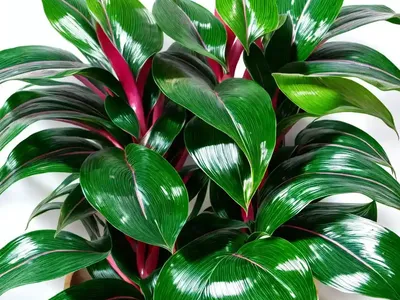
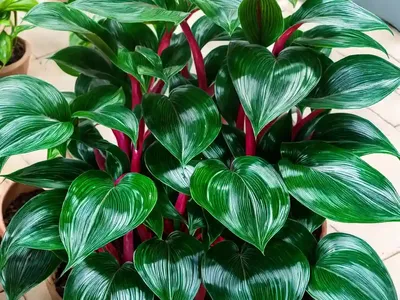
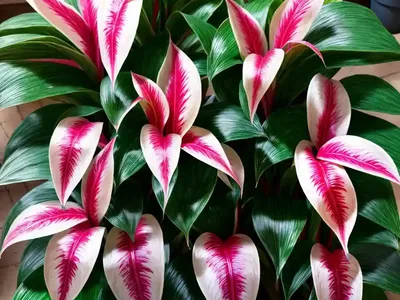
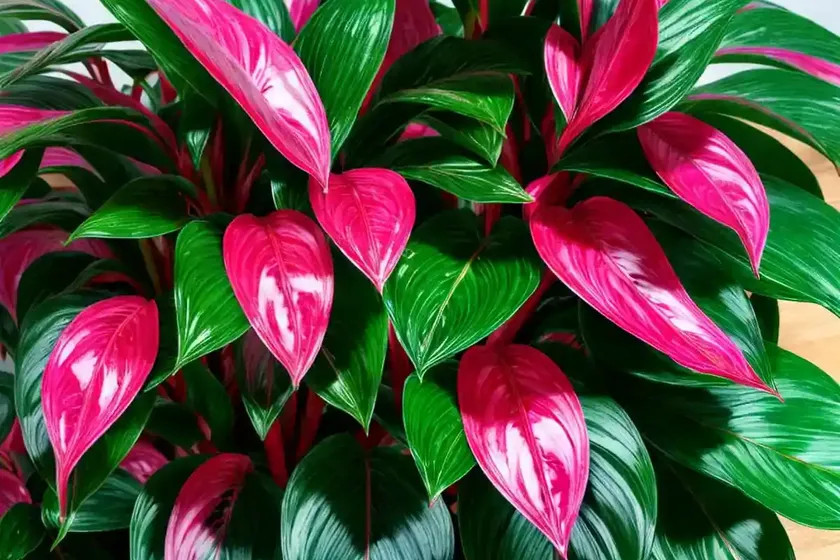
The Cherry Chinese Evergreen, also known as Aglaonema ‘Black Cherry’, is a stunning cultivar of the Aglaonema genus. It is distinguished by its deep green foliage with splashes of vibrant red, which resemble the color of ripe cherries. The variegated leaves add an element of elegance and sophistication to any indoor space, making the Cherry Chinese Evergreen a popular choice for interior landscaping.
This variety of Chinese Evergreen is prized for its adaptability and resilience, thriving in low-light conditions and requiring minimal maintenance. Its lustrous leaves and air-purifying properties further enhance its appeal, making it an ideal addition to homes, offices, and commercial establishments.
Key Takeaways – Cherry Chinese Evergreen (Aglaonema ‘Black Cherry’)
Before we explore the specific care requirements and characteristics of the Cherry Chinese Evergreen, let’s take a moment to highlight the key takeaways associated with this remarkable plant. These key points will provide a foundational understanding of what makes Aglaonema ‘Black Cherry’ an exceptional choice for indoor gardening enthusiasts.
- Stunning foliage with deep green and vibrant red highlights
- Resilient and adaptable, suitable for indoor environments
- Low-light tolerant, making it ideal for spaces with limited natural light
- Air-purifying qualities, contributing to improved indoor air quality
- Minimal maintenance requirements, suitable for beginners and experienced plant enthusiasts alike
Now that we have established an overview of the Cherry Chinese Evergreen, let’s delve into the essential aspects of its care and maintenance, including cultural requirements, propagation techniques, common issues, and more.
Cultural Requirements
1. Water
Proper watering is essential for maintaining the health and vitality of the Cherry Chinese Evergreen. While it is important to keep the soil consistently moist, it is equally crucial to avoid overwatering, as this can lead to root rot and other moisture-related issues. Here are some key considerations for watering the Aglaonema ‘Black Cherry’:
- Frequency: Water the plant when the top inch of the soil feels dry to the touch. Depending on environmental conditions, this may translate to watering approximately once a week.
- Water Quality: Use room temperature water to avoid shocking the plant. If possible, allow the water to sit for 24 hours to allow any chemicals or impurities to dissipate.
- Drainage: Ensure that the pot has adequate drainage holes to prevent water from accumulating at the bottom. Excess water should be able to freely escape the container.
2. Sunlight
The Cherry Chinese Evergreen thrives in low to moderate light conditions, making it an excellent choice for indoor environments with limited natural light. While it can tolerate low light, providing moderate indirect light will encourage optimal growth and leaf variegation. Here are some sunlight-related considerations for the Aglaonema ‘Black Cherry’:
- Light Requirements: Place the plant in a location with indirect sunlight or dappled light. Avoid exposing it to direct sunlight, as this can lead to leaf scorching and damage.
- Light Duration: Aim for approximately 4-6 hours of indirect light per day. This can be achieved by positioning the plant near a north or east-facing window.
- Adjustment Period: If relocating the plant to a different light environment, allow it to acclimate gradually to prevent stress and leaf shock.
3. Fertilizer
Proper fertilization helps maintain the robust growth and vibrant foliage of the Cherry Chinese Evergreen. A balanced, slow-release fertilizer formulated for indoor plants can provide the necessary nutrients without excessive chemical buildup. Consider the following guidelines for fertilizing the Aglaonema ‘Black Cherry’:
- Frequency: Apply a diluted, balanced liquid fertilizer once a month during the growing season (spring and summer). Reduce fertilization during the fall and winter when the plant experiences reduced growth.
- Fertilizer Type: Choose a well-balanced, liquid fertilizer specifically designed for indoor plants. Avoid over-fertilizing, as this can lead to chemical burns and nutrient imbalances.
4. Soil
The optimal soil composition is vital for supporting the Cherry Chinese Evergreen’s growth and overall health. A well-draining, rich potting mix offers the ideal environment for the plant’s root system to thrive. Consider these soil-related factors for cultivating the Aglaonema ‘Black Cherry’:
- Soil Composition: Select a high-quality potting mix that provides excellent drainage while retaining sufficient moisture. A mix containing perlite, peat moss, and organic matter is well-suited for the Cherry Chinese Evergreen.
- Aeration: Good soil aeration is essential for preventing root suffocation and promoting healthy root development. Avoid compacted or heavy soils that impede the flow of air and water.
Pruning
Regular pruning helps maintain the Cherry Chinese Evergreen’s desired shape, promotes air circulation, and removes any damaged or yellowing leaves. When pruning the Aglaonema ‘Black Cherry’, use clean, sharp scissors or pruning shears to make precise cuts. Focus on the following aspects when pruning the plant:
- Leaf Trimming: Trim any discolored, yellowed, or damaged leaves to enhance the plant’s appearance and overall health.
- Size Control: Remove overgrown or leggy stems to encourage compact growth and a balanced appearance. You can also prune the plant to control its size and shape as desired.
- Sterilization: Disinfect pruning tools before and after use to prevent the spread of diseases and pathogens. Wipe the blades with rubbing alcohol or a similar disinfectant.
Propagation
The Cherry Chinese Evergreen can be propagated through stem cuttings, making it relatively straightforward to expand your plant collection or share the beauty of the Aglaonema ‘Black Cherry’ with others. Follow these general steps when propagating the Cherry Chinese Evergreen:
-
Selecting Cuttings: Choose healthy, non-flowering stems from the parent plant. Each cutting should ideally have several nodes or leaf joints.
-
Preparing Cuttings: Use clean, sharp scissors or pruning shears to take 4-6 inch cuttings. Remove any lower leaves to expose the nodes, which will facilitate root development.
-
Rooting Medium: Place the cuttings in a well-draining rooting medium, such as a mix of perlite and peat moss. Keep the medium consistently moist but not waterlogged.
-
Rooting Conditions: Provide the cuttings with indirect light and consistent warmth. A warm, humid environment will encourage successful root development.
-
Transplanting: Once the cuttings have established roots, they can be transplanted into individual pots filled with a suitable potting mix.
By following these propagation guidelines, you can effectively propagate the Cherry Chinese Evergreen and expand your collection of Aglaonema ‘Black Cherry’ plants.
Container Popularity
The Cherry Chinese Evergreen, with its captivating foliage and adaptability, has become a sought-after choice for container gardening and interior landscaping. Its popularity as a container plant can be attributed to several factors, including its ease of care, air-purifying qualities, and aesthetic appeal. When selecting containers for the Aglaonema ‘Black Cherry’, consider the following aspects:
-
Container Size: Choose a container that provides ample room for the plant’s root system to grow. A slightly larger pot can accommodate the Aglaonema ‘Black Cherry’ as it matures, but avoid excessively large containers that can retain excess moisture.
-
Drainage: Opt for containers with drainage holes to prevent waterlogging and promote healthy root development.
-
Aesthetic Considerations: Select containers that complement the vibrant foliage of the Cherry Chinese Evergreen. Earth tones, neutrals, or contemporary designs can enhance the visual impact of the plant.
Common Diseases
While the Cherry Chinese Evergreen is relatively resilient, it can be susceptible to certain diseases and issues when its care requirements are not met. Understanding common plant diseases and their symptoms will enable you to take proactive measures to protect the health of the Aglaonema ‘Black Cherry’. Here are some common diseases and issues to be mindful of:
-
Root Rot: Overwatering or poorly draining soil can lead to root rot, characterized by wilting, yellowing leaves, and a foul odor emanating from the soil. To prevent root rot, ensure proper drainage and moderate watering practices.
-
Leaf Spot: Fungal leaf spot can manifest as dark, water-soaked lesions on the foliage. Maintain moderate humidity levels and avoid overhead watering to mitigate the risk of leaf spot.
-
Pests: Mealybugs, spider mites, and aphids are common pests that can affect the Cherry Chinese Evergreen. Regular inspection and appropriate pest control measures can help manage pest infestations effectively.
Disease Diagnosis
If you notice any abnormalities or symptoms of disease on your Aglaonema ‘Black Cherry’, it is crucial to promptly diagnose and address the underlying issue. Proper diagnosis can guide targeted treatments and preventive measures, safeguarding the overall health of the plant. When diagnosing potential diseases, consider the following steps:
-
Symptom Identification: Observe the plant for any changes in leaf color, texture, or overall appearance. Look for signs of wilting, discoloration, or abnormal growth patterns.
-
Examine the Environment: Assess environmental factors such as watering practices, light conditions, and humidity levels. Determine if any environmental stressors are contributing to the observed symptoms.
-
Pest Inspection: Thoroughly examine the plant for any signs of pest infestations, including webbing, tiny insects, or stippling on the foliage.
-
Seek Expert Advice: If you are uncertain about the cause of the plant’s symptoms, consult with a plant care professional or horticulturist for accurate diagnosis and treatment recommendations.
By following a systematic approach to disease diagnosis, you can effectively pinpoint and address potential issues affecting the Cherry Chinese Evergreen.
Common Pests
Pest infestations can pose a threat to the health and vitality of the Cherry Chinese Evergreen. Regular monitoring and proactive pest control measures are essential for preventing and managing common pests that may affect the Aglaonema ‘Black Cherry’. Be vigilant for the following pests and take appropriate action as needed:
-
Mealybugs: These small, white, cottony insects can cluster on the undersides of leaves and along the stems, sapping the plant’s vitality. Remove mealybugs manually and apply neem oil or insecticidal soap as a natural control method.
-
Spider Mites: Spider mites are tiny arachnids that can cause webbing on the foliage and stippling of the leaves. Increase humidity, rinse the foliage, and use insecticidal soap to combat spider mite infestations.
-
Aphids: Aphids are small, sap-sucking insects that can distort new growth and cause leaf yellowing. Prune affected foliage, rinse the plant with water, and utilize insecticidal soap to eliminate aphids.
Botanist’s Tips
As a plant scientist with an appreciation for the beauty and resilience of the Cherry Chinese Evergreen, I offer the following tips to help you cultivate and care for the Aglaonema ‘Black Cherry’ successfully:
-
Monitor Moisture Levels: Pay close attention to the plant’s watering needs, especially during seasonal changes and fluctuations in humidity. Adjust your watering frequency based on the plant’s response to environmental conditions.
-
Regular Maintenance: Engage in regular pruning, cleaning, and inspection to ensure the Cherry Chinese Evergreen remains vibrant and free from pest or disease issues.
-
Optimal Light Exposure: Strive to provide the Aglaonema ‘Black Cherry’ with consistent, moderate light conditions to support its growth and variegation.
-
Careful Propagation: When propagating the Cherry Chinese Evergreen, maintain a stable rooting environment and provide gentle care for the developing cuttings to promote successful root establishment.
-
Mindful Pest Management: Stay vigilant for signs of pest activity and address any infestations promptly to prevent significant damage to the plant.
Fun Facts
To further appreciate the allure of the Cherry Chinese Evergreen and the unique characteristics of the Aglaonema ‘Black Cherry’, here are some fun and fascinating facts about this remarkable plant:
- The vibrant red highlights on the leaves of the Aglaonema ‘Black Cherry’ are reminiscent of the luscious fruit, inspiring its common name.
- Chinese Evergreens, including the Aglaonema ‘Black Cherry’, have been shown to be effective in purifying indoor air, making them valuable additions to interior spaces.
- In traditional Chinese culture, the Aglaonema plant is regarded as a symbol of good luck and prosperity, adding cultural significance to its appeal.
Links to External Resources
Enrich your understanding of the Cherry Chinese Evergreen and explore additional insights and tips from reputable external resources. The following links will connect you with valuable information related to the care, cultivation, and appreciation of the Aglaonema ‘Black Cherry’:
- University of Florida – Aglaonema ‘Black Cherry’
- The Spruce – Chinese Evergreen Care Guide
- Missouri Botanical Garden – Aglaonema ‘Black Cherry’
By exploring these external resources, you can gain additional perspectives and expert guidance on caring for the Cherry Chinese Evergreen and expanding your knowledge of Aglaonema ‘Black Cherry’ cultivation.
In conclusion, the Cherry Chinese Evergreen (Aglaonema ‘Black Cherry’) stands as a captivating and resilient plant that enriches indoor environments with its vibrant foliage and air-purifying qualities. By adhering to the cultural requirements, maintenance guidelines, and propagation techniques outlined in this comprehensive guide, you can foster the health and beauty of the Aglaonema ‘Black Cherry’ with confidence and expertise. Embrace the allure of the Cherry Chinese Evergreen and delight in the timeless elegance it brings to your botanical pursuits.