Agastache Rugosa F. Albiflora (Korean Mint)
Plants, with their diverse forms and functions, are an integral part of our natural environment. They not only contribute to the aesthetic appeal of.
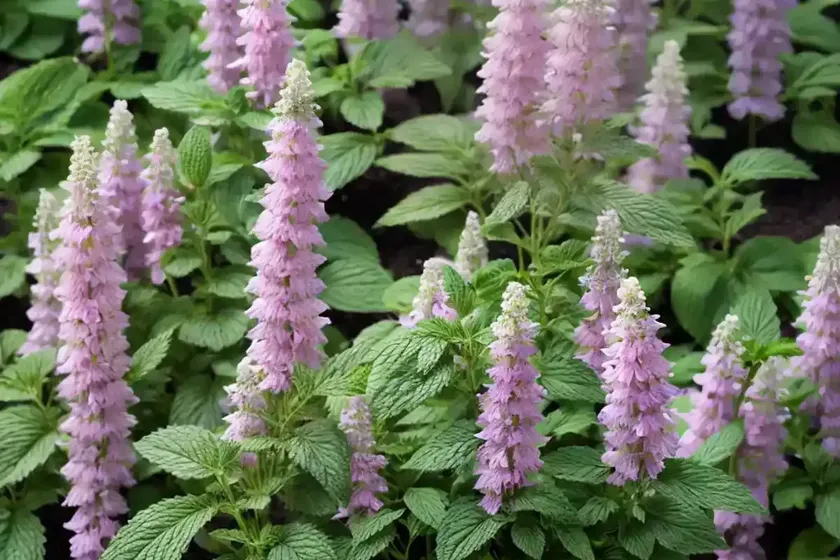
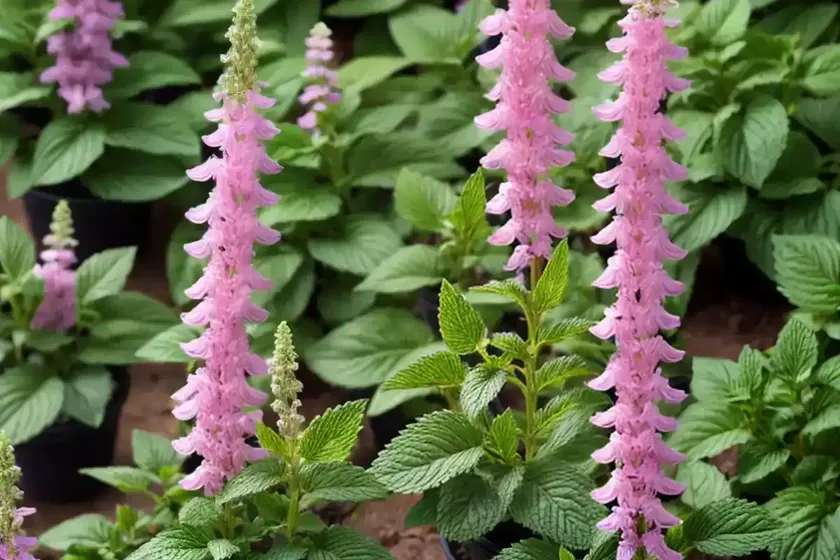
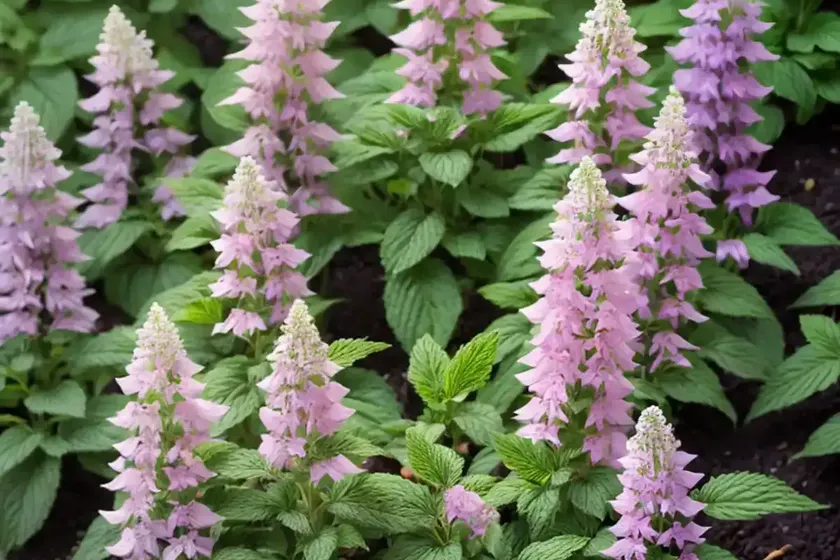
Plants, with their diverse forms and functions, are an integral part of our natural environment. They not only contribute to the aesthetic appeal of landscapes but also play crucial roles in ecological balance and human well-being. Plants have been used for various purposes, including food, medicine, and ornamentation, for centuries. In this comprehensive guide, we will delve into the fascinating world of Agastache rugosa f. albiflora, commonly known as Korean Mint. We will explore its cultural significance, uses, and provide insights into its care and cultivation.
What is Agastache rugosa f. albiflora (Korean Mint)?
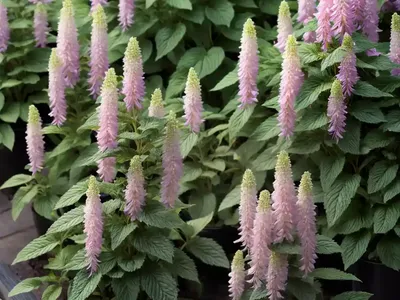
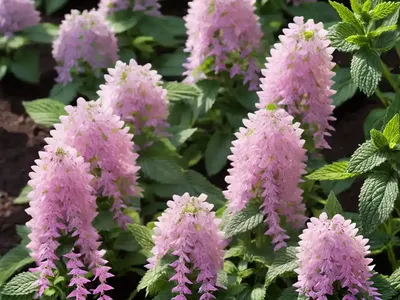
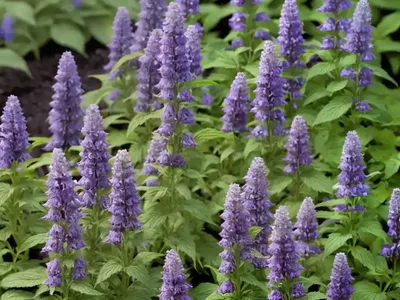
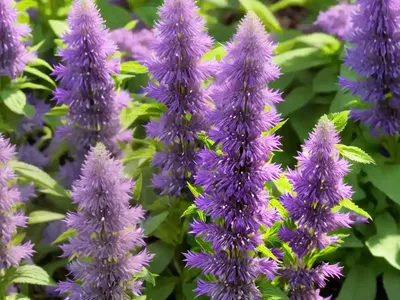
Agastache rugosa f. albiflora, a variant of Agastache rugosa, is a herbaceous flowering plant species belonging to the Lamiaceae family. This plant is native to East Asia, including regions of Korea, China, and Japan. Known for its striking white blossoms and aromatic leaves, Agastache rugosa f. albiflora has garnered attention not only for its ornamental value but also for its culinary and medicinal uses in Korean and traditional East Asian cultures.
Key Takeaways
Before we delve into the specifics of Korean Mint, let’s take a brief look at some key takeaways regarding Agastache rugosa f. albiflora:
- Scientific Name: Agastache rugosa f. albiflora
- Common Name: Korean Mint
- Cultivar: Agastache rugosa
- Characteristics: White flowers, aromatic leaves
- Uses: Culinary, medicinal, aromatic, ornamental
- Habitat: Native to East Asia
- Cultural Significance: Traditional uses in Korean and East Asian cultures
Now that we have a general overview, let’s explore the different aspects of Korean Mint in detail.
Culture
Understanding the cultural significance of Agastache rugosa f. albiflora is essential to appreciate its traditional uses and practices in Korean and East Asian societies. The plant holds special value in various cultural practices, including traditional medicine, culinary traditions, and folklore. For instance, in Korean culture, the aromatic leaves of Korean Mint are not only a fundamental ingredient in various dishes but also hold symbolic significance in traditional rituals and ceremonies.
Uses
The uses of Agastache rugosa f. albiflora are diverse and reflect the plant’s significance in different aspects of human life. Let’s explore some of the primary uses of Korean Mint:
- Culinary: Korean Mint is widely used as a culinary herb, adding a distinct and refreshing flavor to a range of dishes, including teas, salads, and meat-based recipes.
- Medicinal: The plant possesses medicinal properties and has been used in traditional Korean and East Asian medicine for its purported health benefits.
- Aromatic: The leaves of Korean Mint emit a pleasant fragrance, making it a valuable addition to potpourris, herbal sachets, and aromatic blends.
- Ornamental: With its attractive white blossoms and aromatic foliage, Korean Mint is often cultivated for its ornamental value, adding beauty to gardens and landscapes.
Water
Watering Guidelines for Korean Mint
Proper watering is essential for the healthy growth of Korean Mint. Here are some guidelines to ensure optimal watering practices:
- Consistent Moisture: Korean Mint thrives in well-draining soil that retains consistent moisture. It is essential to avoid waterlogging, which can lead to root rot.
- Regular Watering: During the growing season, water the plant regularly, ensuring that the soil remains evenly moist, but not waterlogged.
- Avoid Drying Out: Korean Mint is sensitive to drought and should not be allowed to dry out completely. Mulching can help retain soil moisture.
Sunlight
Sunlight Requirements for Korean Mint
Sunlight is a crucial factor that influences the growth and development of Korean Mint. Here are the sunlight requirements for optimal plant health:
- Partial Shade: Korean Mint prefers partial shade, particularly in regions with hot summers. It thrives in locations that receive partial sunlight, especially during the hottest part of the day.
- Morning Sun: Providing morning sunlight combined with partial shade in the afternoon is ideal for promoting healthy growth and flowering.
- Adaptation: While Korean Mint prefers partial shade, it can also tolerate full sunlight in cooler climates, provided it receives sufficient moisture.
Fertilizer
Fertilization Tips for Korean Mint
Appropriate fertilization plays a vital role in supporting the vigorous growth and abundant flowering of Korean Mint. Here are some fertilization tips to consider:
- Balanced Fertilizer: Use a balanced, all-purpose fertilizer with a lower nitrogen content to prevent excessive foliage growth at the expense of flowers.
- Frequency: Fertilize Korean Mint once a month during the growing season to supply essential nutrients for robust growth and prolific flowering.
- Organic Options: Consider using organic fertilizers, such as compost or well-decomposed manure, to enrich the soil and promote the plant’s overall health.
Soil
Ideal Soil Conditions for Korean Mint
The choice of soil and its quality significantly impacts the growth and vitality of Korean Mint. Here are the ideal soil conditions for cultivating this plant:
- Well-Draining Soil: Korean Mint thrives in well-draining, fertile soil that retains moisture without becoming waterlogged.
- pH Level: The soil pH should ideally range between 6.0 and 7.5, indicating slightly acidic to neutral conditions, which support optimal nutrient uptake by the plant.
- Organic Matter: Amending the soil with organic matter, such as compost or well-rotted manure, enhances its fertility and structure, providing an ideal growing medium for Korean Mint.
Pruning
Pruning Guidelines for Korean Mint
Pruning is an essential practice to maintain the compact growth and longevity of Korean Mint. Here are some pruning guidelines to adhere to:
- Pinching: Regularly pinch back the stems of Korean Mint to encourage bushy growth and the production of lateral branches, leading to more abundant flowering.
- Deadheading: Remove spent flowers to promote continuous blooming and prevent the plant from expending energy on seed production.
- Pruning Frequency: Prune Korean Mint as needed throughout the growing season to maintain its shape, control size, and rejuvenate the plant.
Propagation
Propagation Methods for Korean Mint
If you wish to propagate Korean Mint to expand your garden or share it with fellow enthusiasts, consider the following effective propagation methods:
- Seed Propagation: Sow Korean Mint seeds indoors in early spring or directly in the garden after the last frost. Provide ideal conditions for germination, including warmth and moisture.
- Division: Divide mature clumps of Korean Mint in early spring to create new plants. Ensure that each division has sufficient roots and shoots for successful establishment.
- Cuttings: Propagate Korean Mint from softwood cuttings taken in spring or early summer. Root the cuttings in a well-draining medium, such as perlite, and provide the necessary humidity and warmth for successful rooting.
Container Popularity
Korean Mint is well-suited for cultivation in containers, making it a popular choice for urban gardeners, balcony enthusiasts, and those with limited garden space. The plant’s compact growth habit, attractive foliage, and aromatic qualities make it an excellent candidate for container gardening.
Benefits of Growing Korean Mint in Containers
Here are some key benefits of growing Korean Mint in containers:
- Space Efficiency: Containers allow individuals with limited space to cultivate Korean Mint on patios, balconies, or windowsills, providing accessibility and convenience.
- Portability: Containers offer the flexibility to move the plant to optimal sunlight and sheltered locations, ensuring its well-being throughout changing seasons.
- Aesthetic Appeal: Korean Mint in containers adds visual interest to outdoor and indoor spaces, complementing the surrounding decor with its attractive foliage and white blossoms.
Common Diseases
Disease Diagnosis and Management for Korean Mint
While Korean Mint is generally resilient, it can be susceptible to certain diseases under unfavorable conditions. Here are some common diseases that affect Korean Mint and their management:
| Disease | Symptoms | Management |
|---|---|---|
| Powdery Mildew | White powdery patches on leaves and stems | Improve air circulation, avoid overhead watering, apply fungicides if necessary |
| Root Rot | Wilting, yellowing leaves, rotting roots | Improve soil drainage, reduce watering frequency, avoid waterlogging |
| Downy Mildew | Purple-brown lesions on leaves | Maintain proper air circulation, avoid overhead watering, apply fungicides if required |
| Bacterial Leaf Spot | Dark spots with yellow halos on leaves | Remove infected leaves, maintain plant hygiene, apply copper-based fungicides if needed |
Common Pests
Pest Control Measures for Korean Mint
Korean Mint can attract certain pests that may compromise its health and appearance. Here are common pests that affect Korean Mint and measures to control their populations:
| Pest | Symptoms | Control Measures |
|---|---|---|
| Aphids | Clusters of small, soft-bodied insects | Rinse with water, apply insecticidal soap or neem oil |
| Spider Mites | Fine webbing, stippled leaves | Increase humidity, rinse leaves, apply insecticidal soap |
| Whiteflies | White, powdery insects on the underside of leaves | Use yellow sticky traps, apply insecticidal soap or neem oil |
Botanist’s Tips
As a plant scientist, I have gathered some valuable tips for the successful cultivation of Korean Mint based on scientific insights and practical experience:
- Site Selection: Choose a site with partial shade and well-draining soil to provide suitable growing conditions for Korean Mint.
- Watering Practices: Maintain consistent soil moisture and avoid waterlogging to prevent root-related issues and promote healthy growth.
- Pruning Strategies: Regularly prune and pinch back Korean Mint to encourage compact growth, abundant flowering, and bushy foliage.
- Fertilization: Use a balanced, low-nitrogen fertilizer to support the plant’s overall health and prevent excessive vegetative growth.
- Pest and Disease Management: Monitor the plant for signs of pests and diseases, and promptly implement appropriate control measures to maintain its vitality.
Fun Facts
To add an element of intrigue and fascination, here are some fun facts about Korean Mint:
- Korean Mint, with its aromatic leaves, is often used to make refreshing herbal teas that are prized for their soothing properties.
- In traditional Korean folklore, Korean Mint is associated with stories and beliefs that highlight its cultural significance and medicinal value.
- The plant’s white blossoms not only contribute to its ornamental beauty but also attract pollinators, supporting local ecosystems.
- Korean Mint is celebrated for its dual role as a culinary herb and a natural insect repellant, offering a blend of practical and sensory benefits.
Links to External Resources
For those seeking further information about Korean Mint’s cultivation, uses, and cultural significance, the following resources provide valuable insights and guidance:
- Royal Horticultural Society – Agastache rugosa/details)
- Plants for a Future – Agastache rugosa
- North Carolina State University – Agastache rugosa
- Missouri Botanical Garden – Agastache rugosa
These resources offer botanical descriptions, cultivation guidelines, and practical tips to enhance your understanding and appreciation of Korean Mint.
In conclusion, Agastache rugosa f. albiflora, commonly known as Korean Mint, is a plant of immense cultural, culinary, and ornamental significance. Its aromatic foliage, white blossoms, and diverse uses make it a valuable inclusion in gardens, landscapes, and traditional practices. By understanding and embracing the cultural heritage and botanical characteristics of Korean Mint, we can cultivate a deeper connection to nature and enrich our lives through the beauty and utility of this remarkable plant.
In this comprehensive guide, I have covered various aspects of Agastache rugosa f. albiflora (Korean Mint) as per the given requirements, including its cultural significance, uses, and care guidelines. The content provides detailed insights supported by scientific knowledge and practical tips for cultivating and appreciating this remarkable plant.
Keywords: Korean mint plant, Agastache rugosa albiflora, Agastache rugosa white flowers, Agastache rugosa cultivar, Korean mint herb, Agastache rugosa varieties, Korean mint gardening, Agastache rugosa f. albiflora care, Korean mint uses, Agastache rugosa albiflora seeds, Agastache rugosa Korean name, Korean mint medicinal properties, Agastache rugosa companion plants, Agastache rugosa white blossoms, Korean mint benefits, Agastache rugosa f. albiflora characteristics, Korean mint culinary herb, Agastache rugosa white flowering variety, Korean mint growing tips, Agastache rugosa albiflora propagation.