Agastache Rugosa ‘Little Adder’ (Anise Hyssop)
In the world of horticulture, the Agastache rugosa ‘Little Adder’, commonly known as Anise Hyssop, has gained significant popularity due to its aromatic.
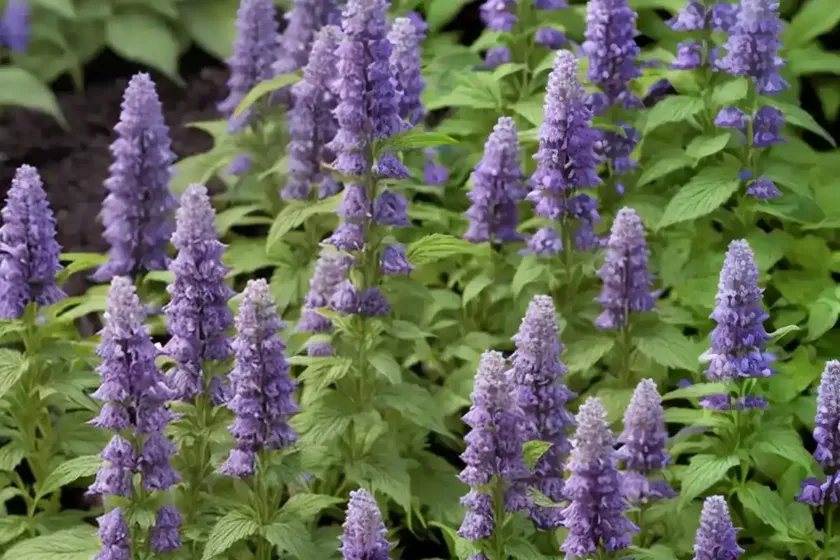
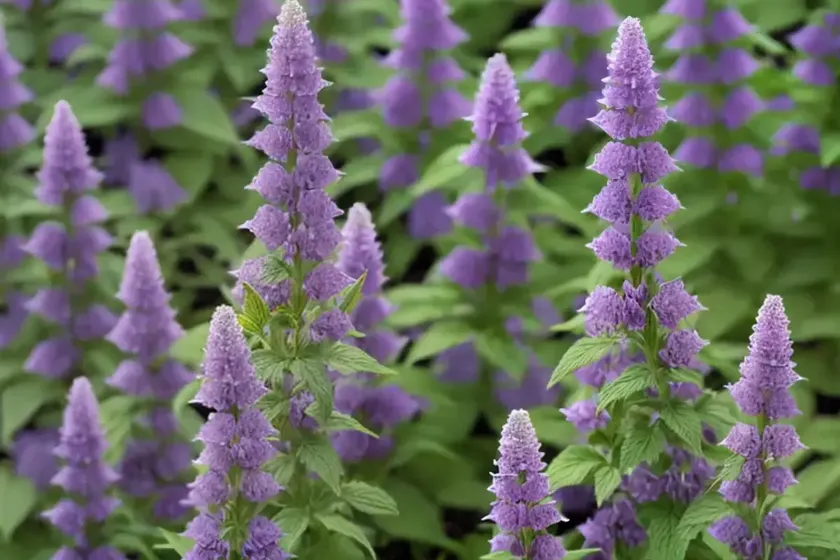
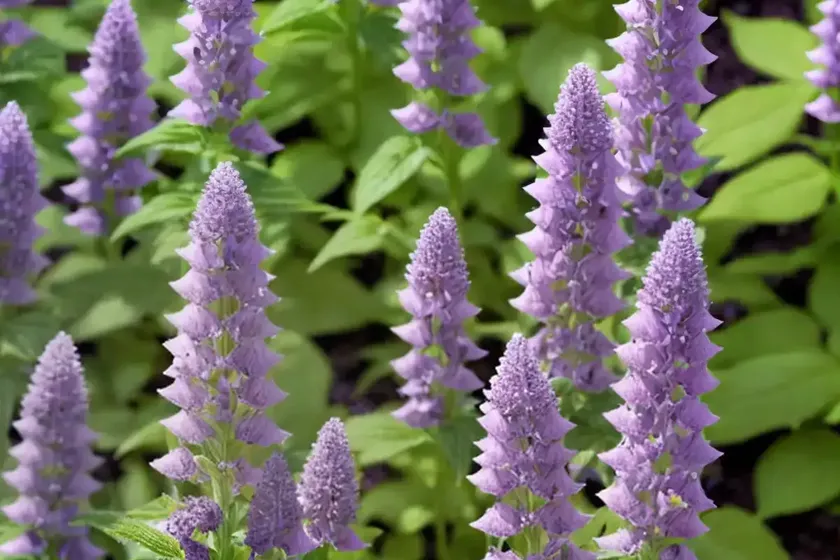
In the world of horticulture, the Agastache rugosa ‘Little Adder’, commonly known as Anise Hyssop, has gained significant popularity due to its aromatic foliage, vibrant flowers, and various uses. This herbal plant not only beautifies gardens but also serves as a functional addition to diverse culinary and medicinal concoctions. In this comprehensive guide, we will delve into the various facets of this remarkable plant, from its cultural requirements to its propagation and common diseases. Additionally, we will explore its uses, fun facts, and provide a plethora of resources to aid plant enthusiasts in successfully nurturing this delightful herb.
What is Agastache rugosa ‘Little Adder’ (Anise Hyssop)?
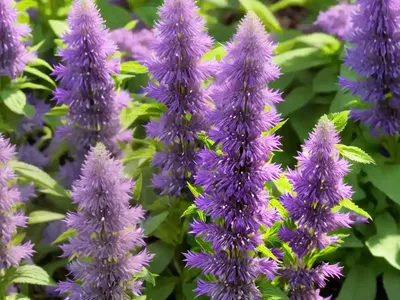
Agastache rugosa, commonly known as Korean mint or wrinkled giant hyssop, is a perennial herbaceous plant native to East Asia. It belongs to the Lamiaceae family and is renowned for its aromatic leaves and striking flowers. The ‘Little Adder’ variety is a compact cultivar, featuring spikes of lavender-blue flowers that are highly attractive to pollinators. The leaves exude a pleasant anise or licorice-like fragrance, making them a delightful addition to teas, potpourris, and more.
Key Takeaways – Agastache rugosa ‘Little Adder’ (Anise Hyssop)
Below are the key takeaways we will cover in this comprehensive guide:
- Culture
- Uses
- Water
- Sunlight
- Fertilizer
- Soil
- Pruning
- Propagation
- Container Popularity
- Container Common Diseases
- Disease Diagnosis
- Common Pests
- Botanist’s Tips
- Fun Facts
- Links to External Resources
Now, let’s delve into each of these aspects and explore the nuances of caring for Agastache rugosa ‘Little Adder’.
Culture
When it comes to the culture of Agastache rugosa ‘Little Adder’, it is essential to understand its specific requirements for optimal growth and development. Let’s explore the various cultural considerations for nurturing this captivating herb.
Water
Proper irrigation is crucial for the health and vigor of Agastache rugosa ‘Little Adder’. It thrives in well-draining soil and prefers moderate moisture levels. Overly wet conditions can lead to root rot, while excessive dryness can hinder its growth and flowering capabilities. During the growing season, moderate watering, ensuring the soil is moist but not waterlogged, is recommended. Once established, Anise Hyssop exhibits a degree of drought tolerance, making it suitable for water-efficient gardening.
Sunlight
For abundant flowering and overall robustness, Agastache rugosa ‘Little Adder’ requires ample sunlight. Planting it in a location that receives full sun (at least 6-8 hours of direct sunlight per day) will promote healthy growth and prolific blooming. In regions with scorching summers, providing some afternoon shade can be beneficial, preventing the plant from experiencing undue stress from intense heat.
Fertilizer
When it comes to fertilizing Anise Hyssop, a balanced approach is ideal. Before the growing season begins, incorporating a layer of compost or a light application of balanced, slow-release fertilizer can provide the necessary nutrients for robust growth. Avoid over-fertilization, especially with high-nitrogen fertilizers, as this can lead to excessive foliage at the expense of flower production.
Soil
Agastache rugosa ‘Little Adder’ thrives in well-draining, loamy soil with a slightly acidic to neutral pH range (6.0-7.0). Amending the soil with organic matter such as compost or well-rotted manure can improve its structure and fertility, enhancing the overall growing conditions for the plant. Additionally, ensuring good drainage is vital, as standing water can be detrimental to the roots.
Uses
The uses of Agastache rugosa ‘Little Adder’ are diverse and encompass both practical and aesthetic applications. This versatile herb offers an array of benefits that span culinary, medicinal, and ornamental realms.
Culinary Uses
The leaves and flowers of Anise Hyssop are prized for their delightful licorice-mint flavor, making them a popular addition to culinary creations. They can be used fresh or dried to infuse teas, impart aromatic notes to desserts, or elevate the flavor profile of savory dishes. Moreover, the edible flowers not only add a visual appeal to salads and garnishes but also contribute a subtle, floral essence to culinary preparations.
Medicinal Uses
In traditional herbal medicine, Agastache rugosa has been revered for its medicinal properties. Its leaves are rich in essential oils and are commonly used to brew soothing teas that are believed to promote relaxation and digestive well-being. Additionally, the plant is valued for its antimicrobial and anti-inflammatory attributes, further amplifying its medicinal significance.
Ornamental Uses
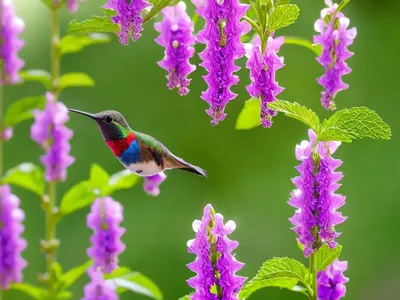
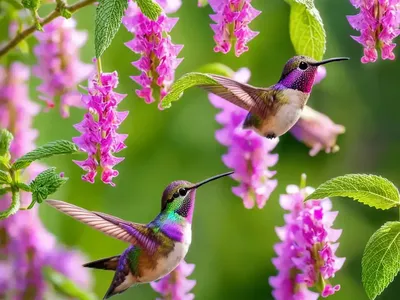
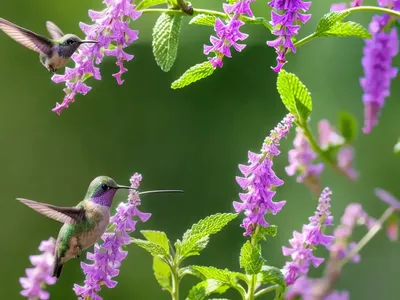
Beyond its practical uses, Anise Hyssop serves as an enchanting ornamental plant, adding charm and biodiversity to gardens and landscapes. Its vibrant flowers attract a myriad of pollinators, including bees, butterflies, and hummingbirds, making it an invaluable component of wildlife-friendly gardens. The aromatic foliage, with its pleasant scent, further enhances its appeal, inviting sensory delight to outdoor spaces.
Pruning
Pruning plays a pivotal role in maintaining the health, appearance, and longevity of Agastache rugosa ‘Little Adder’. While this herbaceous perennial is relatively low-maintenance, a few simple pruning practices can optimize its growth and flowering potential.
Deadheading
Regular deadheading, which involves the removal of spent flowers, can extend the blooming period of Anise Hyssop and promote the continuous production of fresh blooms. This practice not only contributes to a tidier appearance but also prevents the plant from expending energy on setting seeds, directing its resources towards further flowering instead.
Shearing
In late spring or early summer, a light shearing of the plant can help maintain its compact, bushy form. Removing the top few inches of growth can encourage a more uniform and lush growth habit, minimizing the risk of legginess and promoting a denser floral display.
Propagation
Propagating Agastache rugosa ‘Little Adder’ allows for the expansion of its presence in the garden or the sharing of its beauty with fellow gardening enthusiasts. This plant can be propagated through several methods, including division, cuttings, and seed sowing.
Division
Dividing mature clumps of Anise Hyssop every 2-3 years not only rejuvenates the plant but also yields new individuals for transplanting or sharing. This process is best performed in early spring, as new growth emerges. By carefully dividing the root mass into sections, each containing several shoots, and replanting them in suitable locations, one can propagate the plant effectively.
Cuttings
Taking softwood cuttings from healthy, actively growing stems in late spring or early summer can result in successful propagation. These cuttings can be rooted in a well-draining potting mix, under ambient light and with consistent moisture, to generate new, genetically identical plants.
Seed Sowing
Anise Hyssop produces small, black seeds that can be sown directly into the garden soil in spring or started indoors 6-8 weeks before the last frost date. Sowing the seeds on the soil surface and lightly pressing them in ensures good seed-to-soil contact, supporting germination. Given the plant’s self-sowing tendency, it may also produce volunteer seedlings around the original plant.
Container Popularity
Agastache rugosa ‘Little Adder’ is well-suited for container gardening, presenting an excellent option for enthusiasts with limited garden space or those seeking to enhance their outdoor or indoor living areas with its aromatic and visual appeal. Growing Anise Hyssop in containers requires attention to specific considerations to ensure its well-being and productivity.
Soil
Selecting a well-draining, high-quality potting mix is essential for container-grown Anise Hyssop. A mix formulated for herbs or perennials is suitable, providing the necessary porosity, moisture retention, and fertility. Adding a layer of gravel or broken pottery in the bottom of the container can further improve drainage.
Sun Requirements
Place the containers in a location that receives ample sunlight, mimicking the conditions required for in-ground cultivation. Typically, a sunny spot with at least 6-8 hours of direct sunlight is optimal for ensuring robust growth and prolific flowering.
Watering
Container-grown Agastache rugosa ‘Little Adder’ may require more frequent watering than its in-ground counterparts, as the limited soil volume can lead to quicker drying out. However, it is crucial to strike a balance, avoiding both waterlogging and drought stress. Monitor the moisture levels closely and adjust the watering frequency based on the plant’s needs and the prevailing environmental conditions.
Fertilization
Supplementing container-grown Anise Hyssop with a balanced, water-soluble fertilizer at half the recommended strength every 4-6 weeks during the growing season can help sustain its vigor and blooming capacity. As with in-ground cultivation, moderation is key to prevent over-fertilization.
Pruning
In the confined space of a container, controlled pruning is essential to maintain the plant’s form, prevent overcrowding, and encourage continuous flowering. Regular deadheading, occasional shearing, and periodic thinning of excess growth support its performance in the container environment.
Container Common Diseases
While container gardening offers certain advantages in terms of disease management, there are a few common issues that can affect Agastache rugosa ‘Little Adder’ in containers. Being aware of these potential challenges and implementing proactive measures can help mitigate their impact.
Powdery Mildew
Powdery mildew, characterized by a powdery white coating on the leaves, can occur in humid or poorly ventilated environments. To minimize the risk of powdery mildew, maintain good air circulation around the plant, position the containers in areas with adequate airflow, and avoid overhead watering. In addition, selecting mildew-resistant cultivars can be advantageous.
Root Rot
Overly damp conditions in containerized environments can predispose Anise Hyssop to root rot, caused by fungal pathogens. To prevent this issue, ensure the use of well-draining potting mix, empty excess water from the saucers or trays beneath the containers, and refrain from overwatering.
Botrytis Blight
Botrytis blight, characterized by fuzzy gray mold on the plant’s tissues, can be problematic in high-humidity conditions. Practices such as spacing the containers adequately to allow air circulation, minimizing overhead watering, and promptly removing any affected plant material can help prevent the onset and spread of this disease.
Disease Diagnosis
When diagnosing potential diseases affecting Agastache rugosa ‘Little Adder’, it is important to closely observe the plant and identify any unusual symptoms. By recognizing the signs of common plant diseases, appropriate measures can be taken to manage and mitigate the impact on the overall health of the herb.
Symptoms
- Yellowing or Browning of Leaves: This can indicate issues such as nutrient deficiencies, water stress, or fungal infections.
- Powdery White Coating: The presence of a powdery white substance on the leaves may signal the onset of powdery mildew.
- Wilting or Drooping: Excessive wilting or drooping of the foliage may point to water-related concerns, root rot, or vascular diseases.
Diagnosis Tips
- Leaf Inspection: Carefully examine the foliage for any discoloration, unusual growths, or spots.
- Soil Assessment: Check the soil moisture levels and drainage, as excessive soil moisture can lead to root-related problems.
Action Steps
Upon identifying symptoms of a potential disease, it is vital to promptly address the underlying issues. This may involve adjusting watering practices, improving soil drainage, addressing nutrient deficiencies, or implementing targeted disease management strategies, such as fungicidal treatments or biological control agents, as necessary.
Common Pests
Agastache rugosa ‘Little Adder’ is generally resilient to many common pests due to its aromatic foliage and natural chemical compounds that make it unappealing to certain insects. However, there are a few pests that may pose occasional challenges to the well-being of this herbaceous perennial.
Aphids
Aphids, small sap-sucking insects, can occasionally colonize the tender growing tips and undersides of the leaves, causing distortion and yellowing of the foliage. Regular monitoring and the use of physical removal methods, such as spraying the plant with a strong jet of water, can help deter and manage aphid populations. Additionally, natural predators such as ladybugs and lacewings can aid in controlling aphid infestations.
Spider Mites
Spider mites, characterized by tiny, web-spinning pests, can adversely impact the health of Anise Hyssop, particularly during hot and dry conditions. Early detection and intervention, such as consistent misting to increase humidity and the use of insecticidal soaps, can assist in managing spider mite populations.
Whiteflies
Whiteflies, small white insects usually found on the undersides of leaves, can affect Anise Hyssop by depleting its sap and transmitting viral diseases. Employing yellow sticky traps, vacuuming affected foliage, and introducing natural enemies such as predatory insects can aid in whitefly control.
Botanist’s Tips
As a plant scientist with a passion for herbal plants, I offer the following tips based on my experience and research to ensure the successful cultivation and enjoyment of Agastache rugosa ‘Little Adder’:
-
Promote Pollinator Diversity: By growing Anise Hyssop alongside other pollinator-friendly plants, you can create a diverse and ecologically beneficial garden environment that supports a range of beneficial insects and wildlife.
-
Mulch Application: Applying a layer of organic mulch around the base of the plant can help conserve soil moisture, suppress weed growth, and provide a gradual release of nutrients as it decomposes.
-
Beneficial Companion Plants: Consider companion planting with species such as lavender, salvia, and echinacea to create visually appealing and mutually beneficial plant combinations in the garden.
-
Harvesting Practices: When harvesting the leaves and flowers for culinary or medicinal purposes, do so selectively, ensuring that ample foliage remains for the plant’s continued vigor and regrowth.
-
Overwintering Precautions: In regions with harsh winters, providing a protective layer of mulch around the base of the plant and ensuring good drainage can aid in overwintering and protecting the roots from freezing damage.
Fun Facts
Discover some intriguing and enchanting facts about Agastache rugosa ‘Little Adder’:
-
The leaves of Anise Hyssop are often used to flavor teas, imparting their delightful licorice-mint essence to the brew.
-
Numerous butterfly species, including the monarch butterfly, are attracted to the nectar-rich blooms of Anise Hyssop, making it a valuable addition to butterfly gardens.
-
The aromatic foliage of the plant is known to possess insect-repellent properties, adding to its functional appeal in outdoor spaces.
-
Anise Hyssop’s name, Agastache, is derived from the Greek words ‘agan’ and ‘stachys’, meaning ‘much’ and ‘spike’, respectively, alluding to the plant’s distinctive flower spikes.
-
In certain cultures, Anise Hyssop is revered for its symbolic significance and is used in ceremonial and ritualistic contexts.
Links to External Resources
To further expand your knowledge and enhance your experience with Agastache rugosa ‘Little Adder’ (Anise Hyssop), I highly recommend exploring these valuable resources:
- Royal Horticultural Society – Agastache rugosa ‘Little Adder’
- Clemson Cooperative Extension – Anise Hyssop
- University of Vermont Extension – Growing Herbs
- Missouri Botanical Garden – Agastache rugosa
- The Herb Society of America – Herbs in the Kitchen Garden
- American Botanical Council – Herbal Medicine Resources
In conclusion, Agastache rugosa ‘Little Adder’ (Anise Hyssop) stands as a captivating and multi-faceted herb that offers an array of benefits to both gardeners and nature enthusiasts. From its aromatic foliage and vibrant blooms to its culinary and medicinal utilities, this herbaceous perennial continues to enthrall and inspire. With the insights and practical guidance presented in this comprehensive guide, I hope you feel empowered to cultivate, appreciate, and savor the many merits of this remarkable plant in your own gardening endeavors.
Happy gardening!
Disclaimer: The information provided in this guide is for educational and informational purposes and is not a substitute for professional horticultural or medical advice. It is advisable to consult with local gardening experts and extension services for specific recommendations related to plant care and cultivation, as well as to seek guidance from healthcare professionals for medicinal uses and contraindications.