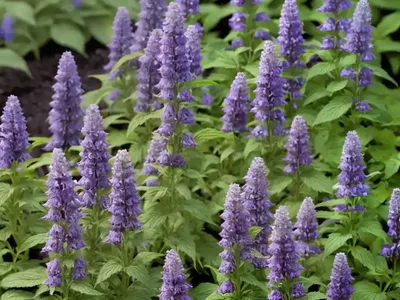
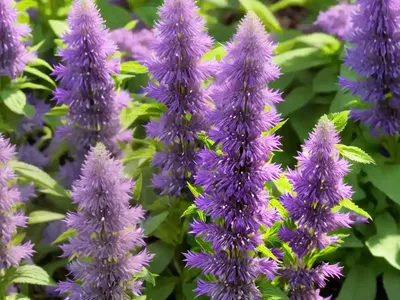
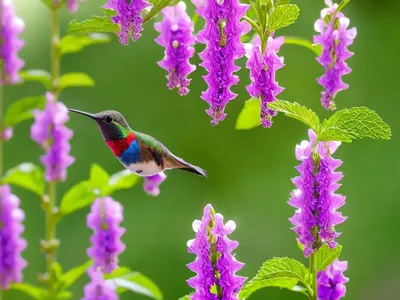
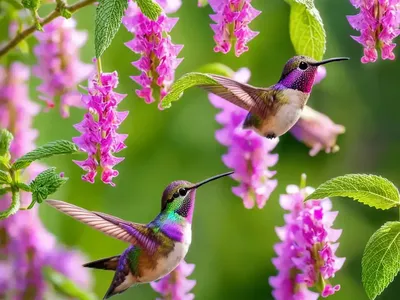
Agastache Rugosa (Korean Mint)
In the world of plants, Agastache rugosa, commonly known as Korean Mint, stands out as a charming and versatile herbaceous perennial. With its delightful.
In the world of plants, Agastache rugosa, commonly known as Korean Mint, stands out as a charming and versatile herbaceous perennial. With its delightful fragrance, striking flowers, and various uses, Agastache rugosa has found a special place in gardens, landscapes, and even herbal medicine.
Let’s embark on a comprehensive journey through the growth habits, care requirements, uses, and unique features of Agastache rugosa. From cultivation tips to its ecological contributions, this blog post aims to provide a holistic understanding of this remarkable plant.
What is Agastache rugosa?
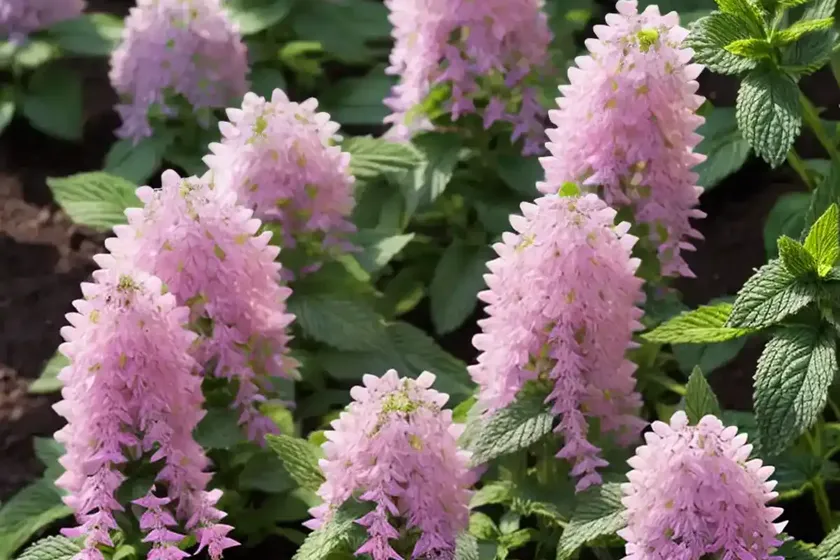
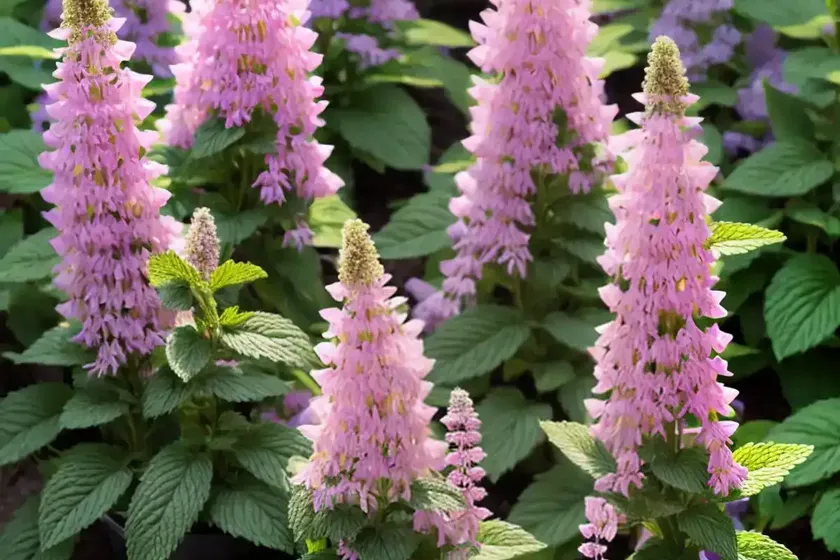
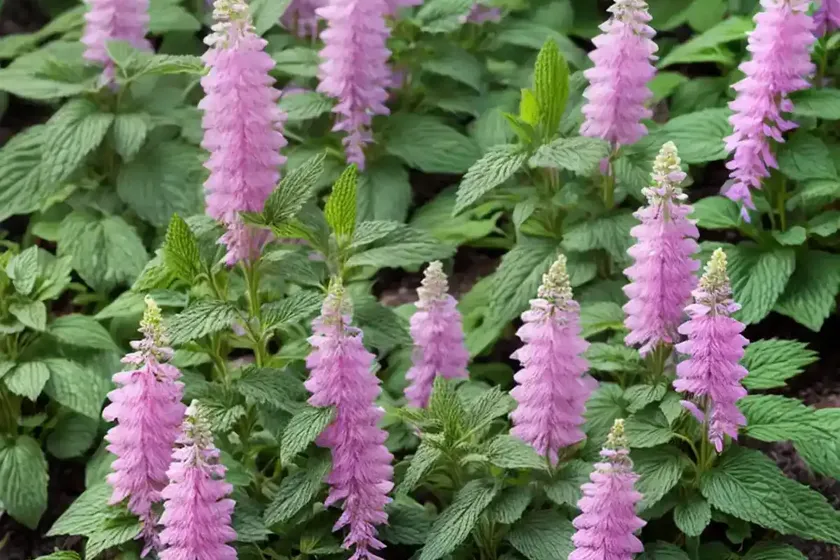
Agastache rugosa, a member of the Lamiaceae family, is a perennial herb native to East Asia, including Korea, China, and Japan. It is known for its attractive spikes of tubular flowers that bloom in various shades ranging from white and pink to lavender and blue. The plant’s aromatic foliage and flowers make it an excellent choice for ornamental, culinary, and ecological purposes.
Key Takeaways – Agastache rugosa (Korean Mint)
Before diving into the specifics, here are the key takeaways about Agastache rugosa.
- Scientific Name: Agastache rugosa
- Common Name: Korean Mint
- Plant Type: Herbaceous Perennial
- Family: Lamiaceae
- Native Range: East Asia (Korea, China, Japan)
- Uses: Ornamental, Culinary, Medicinal, Ecological
- Fragrance: Aromatic, Minty
Now, let’s explore the various aspects of cultivating and caring for Agastache rugosa.
Culture
Understanding the cultural requirements of Agastache rugosa is essential for its successful growth and the ability to maximize its benefits. From water and sunlight preferences to soil and fertilizer needs, each factor contributes to the overall health and productivity of this plant.
Uses
Agastache rugosa finds itself utilized in a myriad of ways, ranging from culinary applications to herbal remedies and ecological contributions.
Water
Proper watering is crucial in the cultivation of Agastache rugosa. Understanding its water requirements will help maintain plant health and vitality.
Sunlight
Like many plants, Agastache rugosa’s preferences for sunlight play a significant role in its growth and development.
Fertilizer
Carefully managing the application of fertilizers can greatly impact the vigor and blooming capacity of Agastache rugosa.
Soil
The soil composition and quality directly affect the overall health and adaptability of Agastache rugosa.
Pruning
Pruning is an important aspect of maintaining the shape, health, and longevity of Agastache rugosa.
Propagation
Reproducing Agastache rugosa through propagation methods ensures a steady supply and expansion of this plant within various settings.
Container Popularity
The growing popularity of containers for gardening has led to an exploration of Agastache rugosa’s compatibility with these alternative growing environments.
Common Diseases
Understanding the potential diseases that can affect Agastache rugosa is essential in preventing and addressing any health issues that may arise.
Disease Diagnosis
Recognizing and diagnosing diseases that can impact Agastache rugosa is crucial for implementing effective treatment and prevention strategies.
Common Pests
Pest management is vital for safeguarding the health and productivity of Agastache rugosa.
Botanist’s Tips
Insights and tips from experienced botanists can provide valuable guidance for successfully cultivating Agastache rugosa.
Fun Facts
Discover fascinating and lesser-known facts about Agastache rugosa that add depth and intrigue to its allure.
Links to External Resources
Explore a curated selection of external resources that offer in-depth information and valuable insights into Agastache rugosa.
With these comprehensive sections, this blog post aims to provide a thorough exploration of Agastache rugosa, also known as Korean Mint. From its cultural requirements and ecological contributions to its uses and unique features, this perennial herb has undoubtedly earned its place as a beloved plant in various contexts. Whether you are a gardener, herbal enthusiast, or nature lover, Agastache rugosa offers a spectrum of possibilities to explore and appreciate.