Agastache Rupestris (Sunset Hyssop)
In the world of horticulture, the Agastache rupestris, commonly known as Sunset Hyssop, holds a special place. This perennial herbaceous plant offers not.
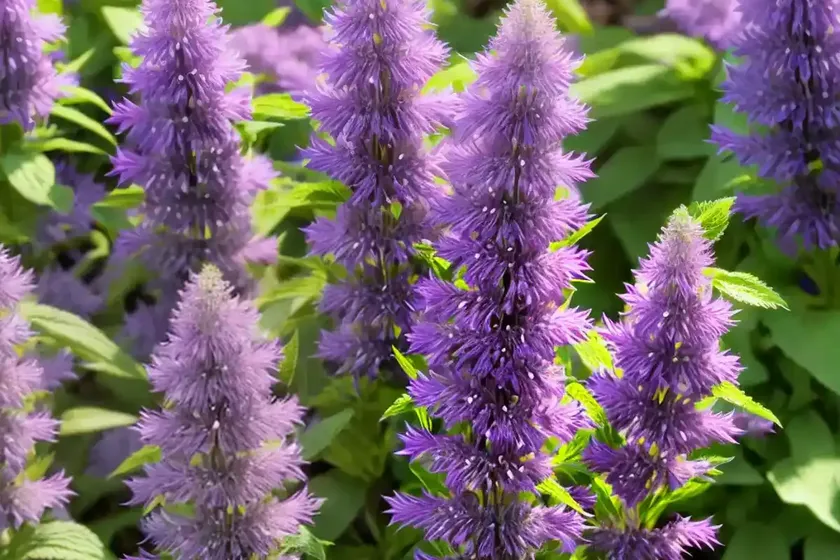
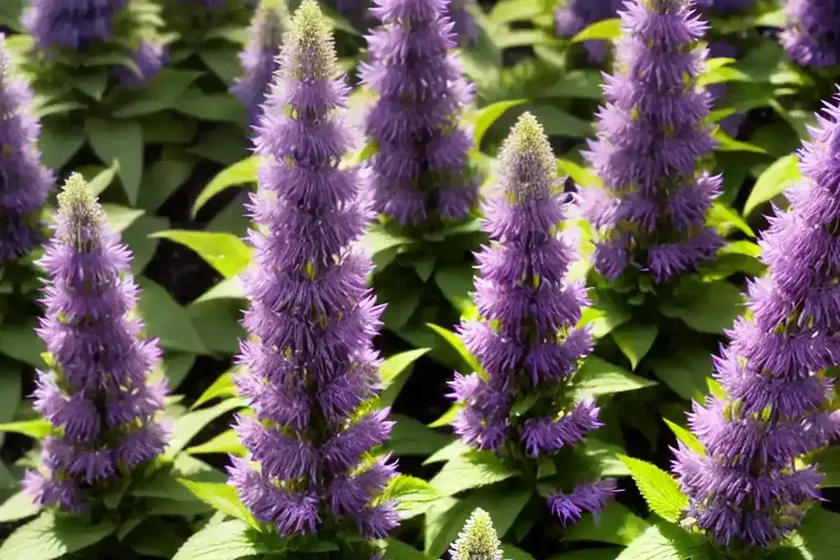
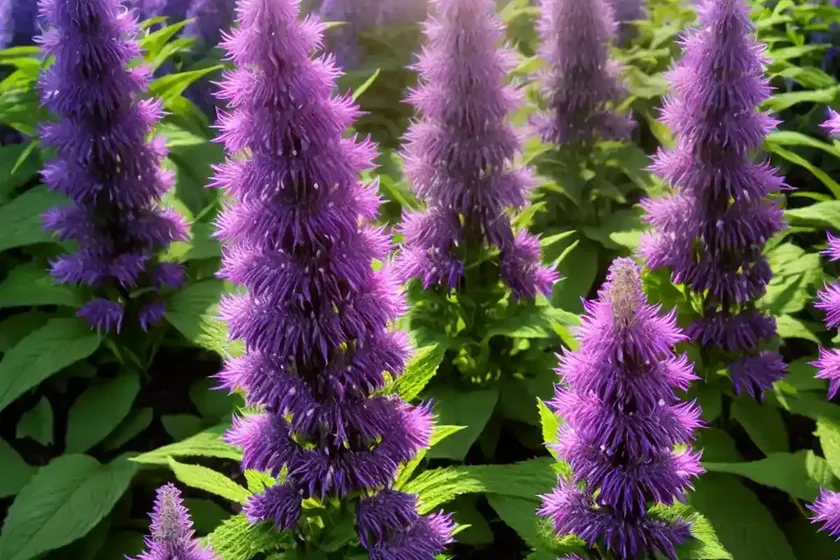
In the world of horticulture, the Agastache rupestris, commonly known as Sunset Hyssop, holds a special place. This perennial herbaceous plant offers not only a beautiful display of flowers but also a range of benefits in the garden and beyond. In this comprehensive guide, we’ll delve into the various facets of this plant, including its culture, uses, care, and much more.
What is Agastache rupestris (Sunset Hyssop)?
Agastache rupestris, a member of the mint family (Lamiaceae), is a herbaceous perennial plant that is native to the southwestern United States and northern Mexico. It is cherished for its vibrant and striking blooms, making it a popular choice for gardens, landscapes, and even containers.
Key Takeaways – Agastache rupestris (Sunset Hyssop)
Before we delve into the specifics of Agastache rupestris, it’s essential to understand the key takeaways associated with this plant. This will give you an overview of what to expect and its potential in your garden or landscape.
- Sun-loving Plant: Agastache rupestris thrives in sunny locations, making it an excellent choice for gardens with ample sunlight.
- Low-maintenance Perennial: Once established, Sunset Hyssop is relatively low-maintenance, making it an attractive option for gardeners seeking easy-to-care-for plants.
- Drought-tolerant: It possesses a remarkable ability to withstand periods of drought, making it suitable for xeriscaping and water-wise gardening.
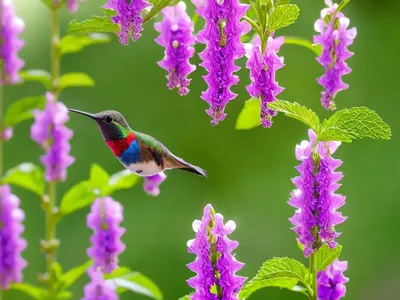
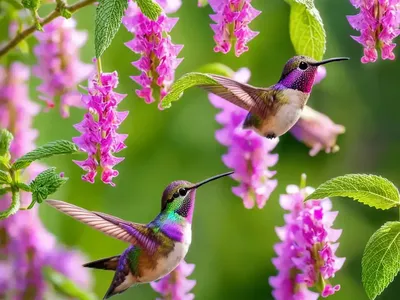
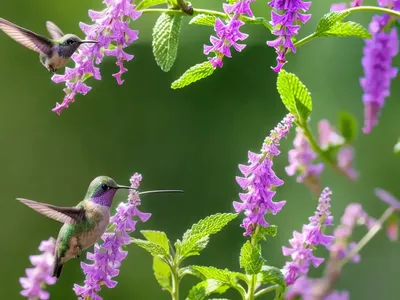
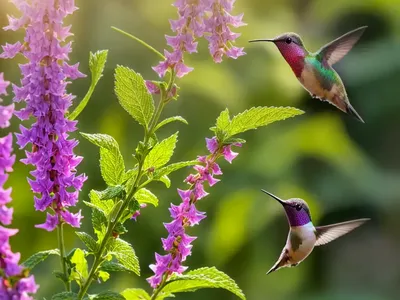
- Attracts Pollinators: Sunset Hyssop is a magnet for pollinators, attracting bees, butterflies, and hummingbirds to the garden.
- Fragrant Foliage and Flowers: The plant’s leaves and flowers emit a delightful aroma, adding a sensory dimension to the garden.
- Companion Planting: It complements a range of other plants when used in companion planting, fostering biodiversity and ecological balance.
Now that we’ve outlined the key attributes of Agastache rupestris, let’s take a closer look at its culture, uses, and care requirements.
Culture of Agastache rupestris
Understanding the cultural requirements of Agastache rupestris is essential for ensuring its successful growth and development. From soil and water needs to sunlight and fertilizer, each aspect plays a crucial role in determining the plant’s overall health and vibrancy.
Water
Sunset Hyssop, once established, exhibits a remarkable tolerance to drought. However, during its initial growth phase and in periods of prolonged drought, regular watering is necessary to support its development. It is important to strike a balance, ensuring that the soil is well-drained and does not become waterlogged, as excessive moisture can be detrimental to the plant’s health.
Sunlight
As an admirer of sunny conditions, Agastache rupestris thrives when planted in full sunlight. It is best suited for locations that receive at least 6 hours of direct sunlight per day. When provided with optimal sunlight, the plant’s growth and flowering are enhanced, resulting in a more robust and visually appealing display.
Fertilizer
While Sunset Hyssop is known for its low-maintenance nature, providing a modest amount of fertilizer during the growing season can bolster its growth and flowering. A balanced, slow-release fertilizer applied in spring can provide the necessary nutrients for healthy development. However, it is imperative not to over-fertilize, as excessive nutrients can lead to unchecked growth and diminished flowering.
Soil
Agastache rupestris thrives in well-drained soil with a slightly alkaline to neutral pH level. Amending the soil with organic matter, such as compost, can improve its texture and fertility, creating an ideal environment for the plant’s roots to establish and flourish. Furthermore, ensuring good drainage is crucial, as standing water in the soil can lead to root rot and other issues.
Pruning Agastache rupestris
Pruning plays a pivotal role in maintaining the health and appearance of Agastache rupestris. By removing spent flowers and controlling its growth, the plant can continue to bloom prolifically and maintain an attractive form throughout the growing season. Here are some key guidelines for pruning Sunset Hyssop:
- Deadheading: Regular removal of spent blooms encourages the plant to continue producing flowers, extending the blooming period and enhancing visual appeal.
- Trimming: Periodic trimming of leggy or straggly growth helps maintain a more compact and tidy appearance. This can be particularly beneficial in regions with hot summers, where the plant may become unruly.
Propagation of Agastache rupestris
When it comes to propagating Agastache rupestris, several methods can be employed to create new plants. Whether through division, cuttings, or seed propagation, each approach offers unique advantages and challenges, providing flexibility for gardeners and horticultural enthusiasts.
Division
Dividing mature Agastache rupestris plants allows for the creation of multiple new plants, which can then be transplanted to enhance garden displays or shared with fellow gardeners. The following steps outline the process of dividing Sunset Hyssop:
- Selecting the Plant: Identify a mature Agastache rupestris plant with healthy and established growth.
- Dividing the Root Ball: Carefully dig up the plant and divide its root ball into sections, ensuring that each division has an adequate portion of roots and shoots.
- Transplanting: Plant the divided sections in prepared soil, ensuring that they are watered thoroughly to aid in their establishment.
Cuttings
Taking cuttings from healthy, mature Agastache rupestris plants is an effective method of propagation, yielding genetically identical offspring. Here’s a brief overview of the process of propagating Sunset Hyssop through cuttings:
- Selecting Cuttings: Identify healthy, non-flowering shoots on the parent plant, preferably during the spring or early summer.
- Preparing Cuttings: Using a clean, sharp knife, take 4-6 inch cuttings from the selected shoots, ensuring that each cutting has at least a couple of nodes.
- Rooting: Dip the cut ends in a rooting hormone and plant them in a well-draining medium. Keep the medium consistently moist, and provide warmth and indirect light to facilitate rooting.
- Transplanting: Once the cuttings have developed roots, they can be transplanted into individual pots or directly into the garden.
Seed Propagation
Growing Agastache rupestris from seeds is another viable option, particularly for enthusiasts who enjoy starting plants from scratch. The process of seed propagation can be a rewarding endeavor, providing a sense of satisfaction and a greater understanding of the plant’s life cycle. Here are the basic steps for propagating Sunset Hyssop from seeds:
- Seed Collection: Harvest seeds from mature Agastache rupestris plants, ensuring that the seeds are fully developed and have achieved maturity.
- Seed Starting: Sow the seeds in a prepared seed-starting mix, covering them lightly with soil and providing consistent moisture and warmth to promote germination.
- Transplanting: Once the seedlings have reached a suitable size, they can be transplanted into individual containers or directly into the garden bed.
Agastache rupestris in Containers
Agastache rupestris is well-suited for container gardening, offering an attractive and versatile option for gardeners with limited space or those seeking to adorn patios, balconies, or outdoor living areas with vibrant blooms and fragrant foliage. When growing Sunset Hyssop in containers, several considerations should be taken into account to ensure its success.
Container Popularity
The popularity of growing Agastache rupestris in containers stems from its ability to thrive in confined spaces while still providing an impressive display of flowers and foliage. This makes it an appealing choice for urban gardeners, balcony enthusiasts, and those seeking to create portable garden displays.
Container Uses
Utilizing Agastache rupestris in containers offers a myriad of uses, including:
- Decorative Planting: The plant’s vibrant flowers and aromatic leaves make it an excellent choice for adding visual interest and sensory appeal to outdoor areas.
- Space Optimization: Containers allow for flexibility in positioning Sunset Hyssop, making it easier to optimize sunlight exposure and aesthetic arrangement.
- Companion Planting: When combined with other suitable plants, Agastache rupestris can contribute to diverse and visually captivating container displays.
Common Diseases of Agastache rupestris
While Sunset Hyssop is generally resilient against diseases, several issues can potentially affect its health and vigor. By understanding the common diseases and their potential impact, gardeners can take proactive measures to mitigate these concerns and promote the plant’s overall well-being.
Disease Diagnosis
Recognizing and diagnosing diseases in Agastache rupestris is crucial for implementing timely and effective management strategies. Here are a few common diseases that can affect this plant:
- Powdery Mildew: This fungal disease manifests as a powdery white coating on the leaves, leading to stunted growth and decreased vigor.
- Root Rot: Excessive moisture in the soil can contribute to root rot, causing the plant to wilt and exhibit signs of decline.
- Downy Mildew: Characterized by yellow or brown patches on the leaves, downy mildew can weaken the plant and inhibit its flowering.
Common Pests Affecting Agastache rupestris
In addition to diseases, pests can pose a threat to the health and vitality of Agastache rupestris. By familiarizing oneself with the common pests and their potential impact, gardeners can implement integrated pest management practices to mitigate infestations and protect the plant from harm.
Pest Identification
Identifying pests that commonly affect Agastache rupestris is critical for implementing targeted control measures. Some of the key pests that may trouble this plant include:
- Aphids: These small, sap-sucking insects can congregate on the plant’s tender shoots and leaves, inhibiting its growth and potentially transmitting diseases.
- Spider Mites: Common in hot and dry conditions, spider mites can cause stippling and discoloration of leaves, leading to diminished aesthetics and vigor.
- Whiteflies: These tiny, flying insects can colonize the plant, causing stress and reduced photosynthetic efficiency.
Botanist’s Tips for Agastache rupestris Care
As an esteemed member of the botanical world, it’s essential to impart valuable insights and tips for the successful care and cultivation of Agastache rupestris. Incorporating these tips into practice can elevate the gardening experience and promote the sustained health and vigor of Sunset Hyssop.
- Optimal Sunlight: Ensure that Agastache rupestris is planted in a location that receives ample sunlight, as this is vital for promoting flowering and overall plant vitality.
- Well-drained Soil: Prioritize well-drained soil with a slightly alkaline to neutral pH to create an optimal growing environment for the plant.
- Moderate Watering: While drought-tolerant, newly planted Agastache rupestris should receive consistent moisture to facilitate establishment.
- Pruning for Vigor: Regular pruning, including deadheading spent blooms, can encourage the plant to produce more flowers and maintain a tidy appearance.
- Companion Planting: Consider incorporating Agastache rupestris into companion planting schemes, enhancing biodiversity and ecological balance in the garden.
Fun Facts about Agastache rupestris
Unearthing the intriguing and lesser-known aspects of plants adds an element of fascination to the gardening experience. Here are some delightful and informative fun facts about Agastache rupestris:
- The aromatic leaves and flowers of Sunset Hyssop make it a delightful addition to sensory gardens, providing a fragrant and visually captivating experience for visitors.
- Agastache rupestris is a valuable source of nectar for pollinators, contributing to the ecological tapestry of the garden and supporting local biodiversity.
- In addition to its ornamental value, the leaves of this plant have been historically used for their medicinal properties, offering potential benefits for herbal remedies and teas.
Links to External Resources
To further expand your knowledge and understanding of Agastache rupestris, consider exploring the following external resources:
Conclusion
Agastache rupestris, or Sunset Hyssop, is a remarkable plant that encompasses beauty, functionality, and ecological significance. With its sun-loving nature, vibrant blooms, and impressive adaptability, it stands as a testament to the diverse and captivating world of plants. By applying the insights and recommendations shared in this guide, gardeners can embark on a rewarding journey of caring for and appreciating the unique attributes of Agastache rupestris, ultimately contributing to the enrichment of their garden spaces and the greater natural world. Whether in perennial borders, container gardens, or wildlife-friendly landscapes, the presence of Sunset Hyssop is sure to evoke delight and admiration, while supporting the intricate web of life in the garden ecosystem.