Agastache POQUITO Dark Blue (Dwarf Hummingbird Mint)
Plants offer an incredible diversity of colors, scents, and forms that enrich our environment. Among these, the Agastache POQUITO Dark Blue, commonly known.
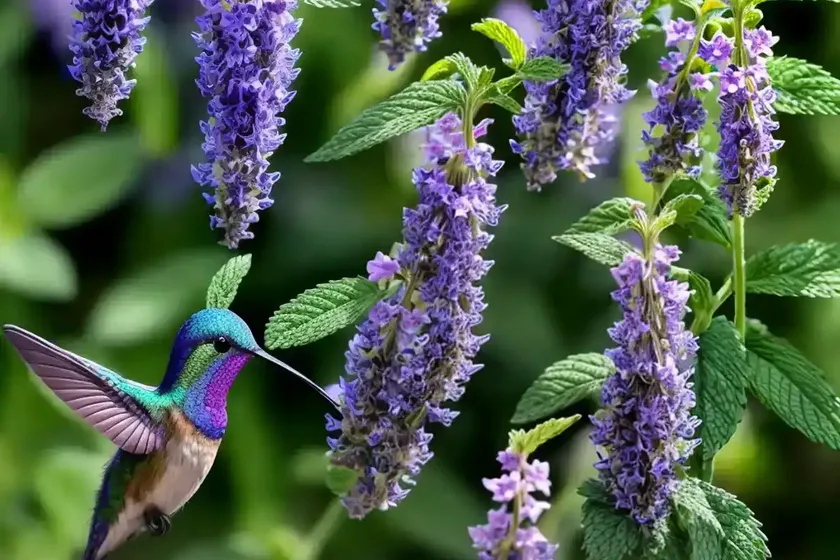
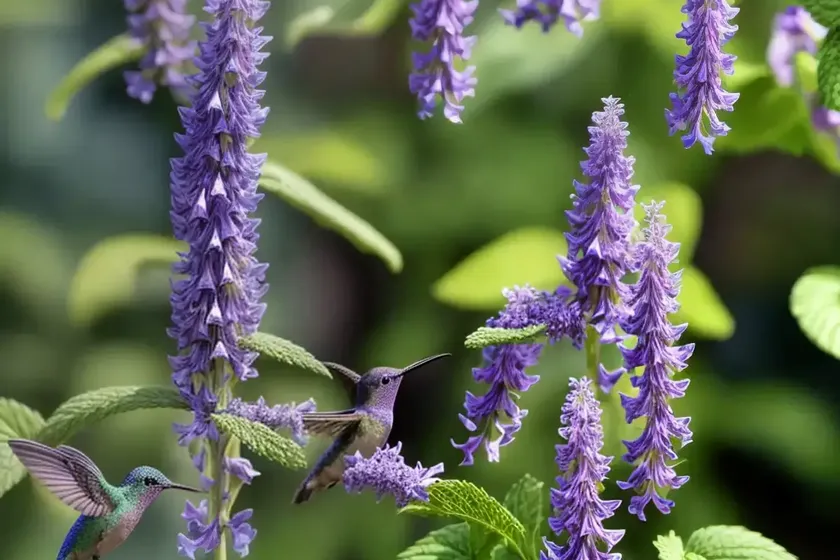
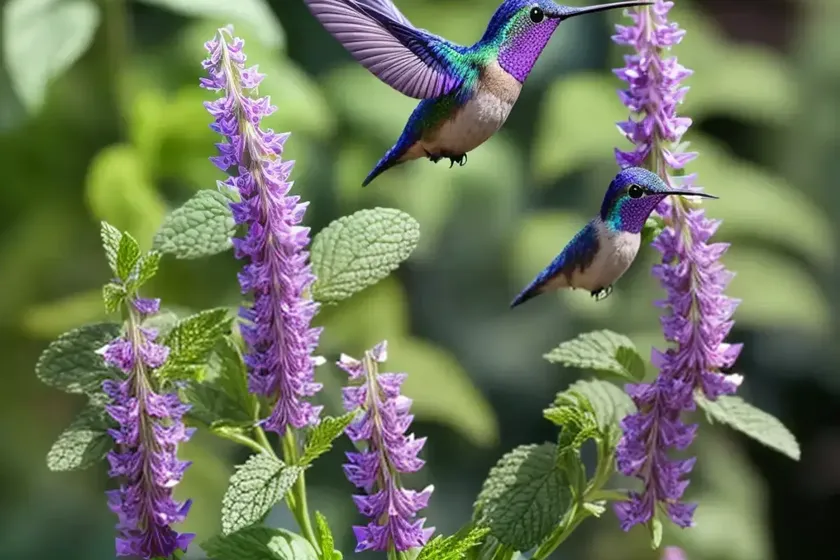
Plants offer an incredible diversity of colors, scents, and forms that enrich our environment. Among these, the Agastache POQUITO Dark Blue, commonly known as Dwarf Hummingbird Mint, stands out for its vibrant flowers, compact growth, and multitude of uses.
As a plant scientist, I find the Agastache POQUITO Dark Blue particularly fascinating due to its versatility, resilience, and ecological value. In this comprehensive guide, we will explore the characteristics, cultivation, uses, and ecological significance of this remarkable plant. Whether you are an avid gardener, landscape designer, or nature enthusiast, this guide will provide you with valuable insights and practical tips for incorporating the Agastache POQUITO Dark Blue into your green spaces.
What is Agastache POQUITO Dark Blue (Dwarf Hummingbird Mint)?
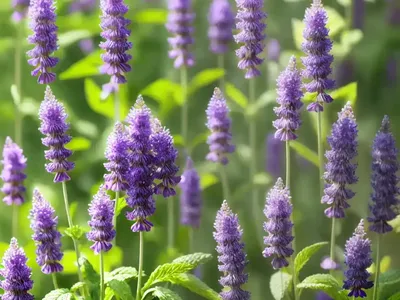
Agastache POQUITO Dark Blue, a member of the Lamiaceae family, is a compact and ornamental perennial plant. It is native to North America and is known for its striking dark blue flowers, which attract pollinators such as butterflies, bees, and hummingbirds. This variety is characterized by its aromatic foliage, making it a popular choice for herb gardens and landscapes designed to attract beneficial insects.
Key Takeaways – Agastache POQUITO Dark Blue (Dwarf Hummingbird Mint)
Before diving into the details of cultivating and caring for Agastache POQUITO Dark Blue, let’s explore the key takeaways that will be covered in this guide:
- Cultivation practices for optimal growth
- Varied uses in gardens and landscapes
- Water requirements for maintaining health
- Sunlight needs for robust development
- Fertilization techniques for promoting flowering
- Optimal soil conditions for vigorous growth
- Pruning tips for maintaining shape and health
- Propagation methods for expanding plant population
- Container gardening suitability
- Common diseases and their diagnosis
- Management of common pests
- Expert tips for successful cultivation
Culture
Agastache POQUITO Dark Blue is a resilient plant that thrives in diverse climates and soil types, making it an excellent choice for both novice and experienced gardeners. Its adaptability and low maintenance requirements make it an ideal addition to gardens, landscapes, and even container gardens.
Uses
The uses of Agastache POQUITO Dark Blue extend beyond its aesthetic appeal. This versatile plant fulfills several practical and ecological roles, making it a valuable addition to any green space. Some of its key uses include:
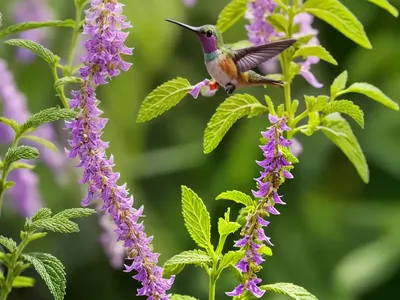
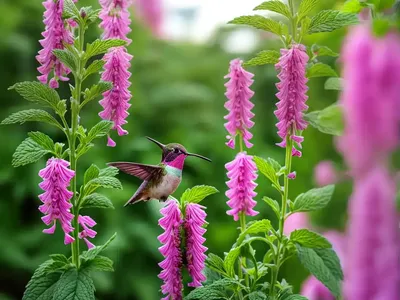
- Attracting pollinators: The vibrant flowers of Agastache POQUITO Dark Blue are a magnet for pollinators, contributing to the biodiversity and ecological balance of the surrounding area.
- Culinary uses: The leaves of Agastache POQUITO Dark Blue exude a delightful aroma and can be used to flavor teas, salads, and other culinary creations.
- Aromatic value: The fragrant foliage adds a pleasant aroma to gardens and outdoor spaces, enhancing the overall sensory experience.
- Landscape design: Its compact growth habit and striking flowers make Agastache POQUITO Dark Blue an excellent choice for borders, edging, rock gardens, and mixed borders.
- Medicinal properties: Some species of Agastache have been traditionally used for their medicinal properties, serving as a potential source of natural remedies.
Water
Understanding the water requirements of Agastache POQUITO Dark Blue is crucial for maintaining its health and ensuring robust growth. Adequate hydration is fundamental for the plant’s vitality and flowering potential.
Sunlight
Agastache POQUITO Dark Blue thrives in sunny locations, making it an excellent choice for gardens and landscapes with ample sunlight. Understanding its sunlight needs is essential for maximizing its ornamental and ecological value.
Fertilizer
Applying appropriate fertilization practices is key to promoting the flowering and overall vigor of Agastache POQUITO Dark Blue. By providing essential nutrients, gardeners can ensure the plant’s optimal growth and visual appeal.
Soil
The selection of suitable soil and understanding its impact on the plant’s health are crucial aspects of cultivating Agastache POQUITO Dark Blue. By creating an ideal soil environment, gardeners can support the plant’s growth and resilience.
Pruning
Pruning is an important aspect of maintaining the health, shape, and flowering potential of Agastache POQUITO Dark Blue. By following recommended pruning practices, gardeners can ensure the plant’s continuous beauty and longevity.
Propagation
Understanding the methods of propagating Agastache POQUITO Dark Blue is valuable for expanding its presence in gardens and landscapes. With the right techniques, gardeners can propagate this plant effectively and sustainably.
Container Popularity
The compact growth habit and ornamental value of Agastache POQUITO Dark Blue make it a popular choice for container gardening. Understanding its suitability for container cultivation is essential for creating vibrant and dynamic outdoor spaces.
Container
Agastache POQUITO Dark Blue’s adaptability to container gardening opens up a myriad of possibilities for incorporating it into both indoor and outdoor settings. Its suitability for container cultivation makes it a versatile and valuable addition to any plant collection.
Common Diseases
Being aware of the common diseases that may affect Agastache POQUITO Dark Blue is crucial for proactively managing and preserving its health. By recognizing symptoms and implementing appropriate measures, gardeners can protect the plant from potential threats.
Disease Diagnosis
Accurately diagnosing diseases in Agastache POQUITO Dark Blue is a fundamental skill for effective disease management. By understanding the symptoms and causes of common diseases, gardeners can take timely and targeted actions to safeguard plant health.
Common Pests
Like any other plant, Agastache POQUITO Dark Blue can be susceptible to pest infestations. Being knowledgeable about common pests and their management is essential for preventing damage and maintaining the plant’s vitality.
Botanist’s Tips
As a plant scientist, I would like to share some expert tips for successfully cultivating and caring for Agastache POQUITO Dark Blue. These insights are intended to help gardeners make the most of this remarkable plant and enhance their gardening experience.
- Select a well-draining soil mix for container cultivation to prevent waterlogging and root rot.
- Regular deadheading of faded flowers can encourage continuous blooming and prolong the ornamental display.
- Incorporate companion plants that complement the growth habit and flowering patterns of Agastache POQUITO Dark Blue, creating visually pleasing combinations in the garden.
- Consider the ecological implications of cultivating Agastache POQUITO Dark Blue, as it plays a significant role in supporting pollinators and beneficial insects.
Fun Facts
To add a touch of fascination to the exploration of Agastache POQUITO Dark Blue, here are some intriguing fun facts about this captivating plant:
- The aromatic leaves of Agastache POQUITO Dark Blue release a refreshing scent reminiscent of mint and citrus, adding a delightful fragrance to gardens and outdoor spaces.
- In addition to attracting bees, butterflies, and hummingbirds, Agastache POQUITO Dark Blue also has deer-resistant properties, making it a valuable addition to wildlife-friendly gardens.
- The compact and bushy growth habit of Agastache POQUITO Dark Blue lends itself to creative landscape designs, offering a visually appealing and low-maintenance option for diverse settings.
Links to External Resources
For further exploration of Agastache POQUITO Dark Blue and its cultivation, here are some valuable external resources:
- RHS Growing Agastache
- Missouri Botanical Garden – Agastache
- University of Florida IFAS Extension – Agastache spp.
- North Carolina State University – Agastache
- Royal Botanic Gardens, Kew – Agastache
In conclusion, Agastache POQUITO Dark Blue, also known as Dwarf Hummingbird Mint, is a plant of significant horticultural, ecological, and aesthetic value. Its vibrant flowers, fragrant foliage, and versatile uses make it a desirable choice for gardens, landscapes, and container cultivation. By understanding its cultural requirements, ecological contributions, and botanical significance, gardeners can cultivate and appreciate this exceptional plant while supporting biodiversity and enhancing outdoor spaces.