Agastache POQUITO Butter Yellow (Dwarf Hummingbird Mint)
In the world of gardening, the Agastache POQUITO Butter Yellow, also known as the Dwarf Hummingbird Mint, is a fascinating plant that brings versatility.
In the world of gardening, the Agastache POQUITO Butter Yellow, also known as the Dwarf Hummingbird Mint, is a fascinating plant that brings versatility, beauty, and ecological benefits. This comprehensive guide will delve into the intricacies of this captivating plant, from its characteristics and cultivation to its uses, common diseases, and much more. Whether you are a seasoned gardener or a novice enthusiast, this guide will equip you with essential knowledge to nurture and appreciate the Agastache POQUITO Butter Yellow.
What is Agastache POQUITO Butter Yellow?
The Agastache POQUITO Butter Yellow, commonly referred to as the Dwarf Hummingbird Mint, is a compact perennial plant known for its vibrant yellow flowers and aromatic foliage. Belonging to the Lamiaceae family, this species encompasses various cultivars, with the Dwarf Hummingbird Mint being a popular choice among gardeners for its attractive appearance and low-maintenance nature.
Key Takeaways – Agastache POQUITO Butter Yellow (Dwarf Hummingbird Mint)
Before delving into the details of the Agastache POQUITO Butter Yellow, let’s take a glance at the key takeaways that will be covered in this comprehensive guide:
- Culture
- Uses
- Water
- Sunlight
- Fertilizer
- Soil
- Pruning
- Propagation
- Container Popularity
- Common Diseases
- Disease Diagnosis
- Common Pests
- Botanist’s Tips
- Fun Facts
- Links to External Resources
With these aspects in mind, we will unravel the intricacies of effectively cultivating and cherishing the Agastache POQUITO Butter Yellow in various settings.
Culture of Agastache POQUITO Butter Yellow
The culture of Agastache POQUITO Butter Yellow refers to the specific environmental and maintenance requirements that contribute to its optimal growth and development. Understanding the cultural needs of this plant is paramount in ensuring its longevity and visual appeal.
Water
Proper watering practices are vital for the well-being of the Agastache POQUITO Butter Yellow. As a drought-tolerant plant, it thrives in well-drained soil and does not tolerate waterlogged conditions. During the initial establishment period, regular watering is recommended to facilitate root development. Once established, the plant displays admirable resilience to dry conditions and necessitates minimal supplemental irrigation.
Sunlight
The Agastache POQUITO Butter Yellow flourishes in full sunlight, exhibiting its best growth and flowering potential when provided with at least 6-8 hours of direct sunlight per day. In regions with scorching summers, partial shade during the hottest part of the day can prevent leaf scorch and promote overall plant vigor.
Fertilizer
Minimal fertilization is generally required for the Agastache POQUITO Butter Yellow, especially when cultivated in organically rich soil. A balanced, slow-release fertilizer applied in early spring can support the plant’s nutrient needs throughout the growing season. However, excessive fertilization should be avoided, as it can lead to lush foliage at the expense of floral abundance.
Soil
The ideal soil for Agastache POQUITO Butter Yellow is well-drained and loamy, with a slightly acidic to neutral pH range. Good drainage is crucial to prevent root rot and other moisture-related issues. Organic amendments, such as compost, can enhance soil structure and fertility, providing an optimal growing medium for the plant.
Pruning
Pruning plays a significant role in maintaining the compact form and prolific blooming of Agastache POQUITO Butter Yellow. Deadheading spent flowers not only ensures a neat appearance but also encourages continuous flowering throughout the growing season. Additionally, periodic removal of damaged or overcrowded stems promotes air circulation and reduces the risk of fungal diseases.
Uses of Agastache POQUITO Butter Yellow
The versatile nature of Agastache POQUITO Butter Yellow transcends its ornamental value, encompassing several practical and ecological uses.
Ornamental Landscaping
As a visually captivating plant, Agastache POQUITO Butter Yellow serves as an ideal candidate for ornamental landscaping, offering bright pops of color and delightful fragrance. It can be utilized in mixed borders, mass plantings, and container gardens, contributing to a vibrant and inviting outdoor space.
Pollinator Attraction
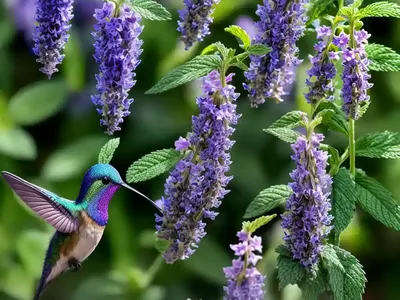
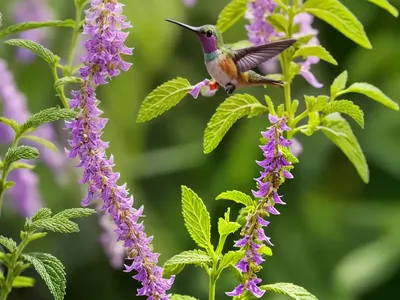
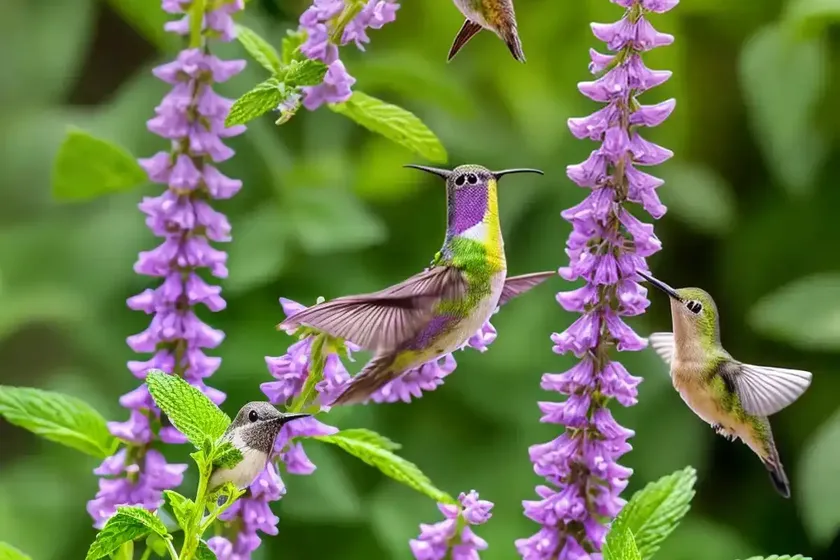
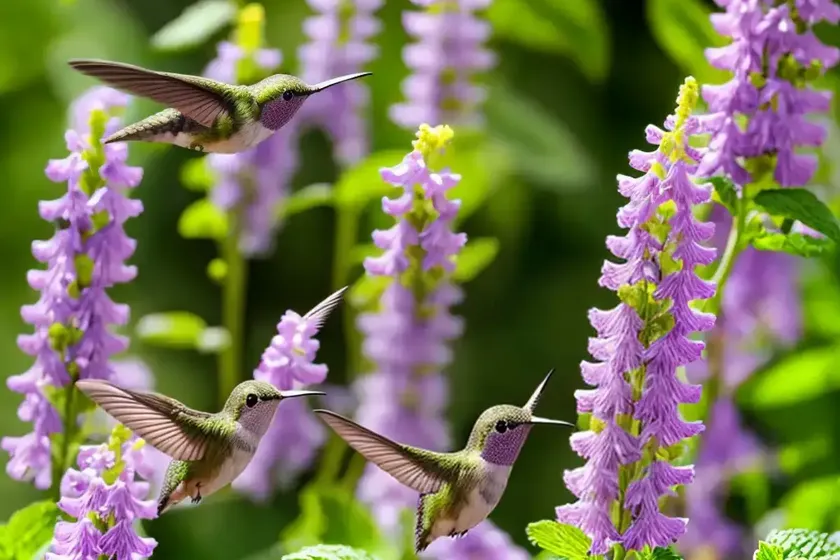
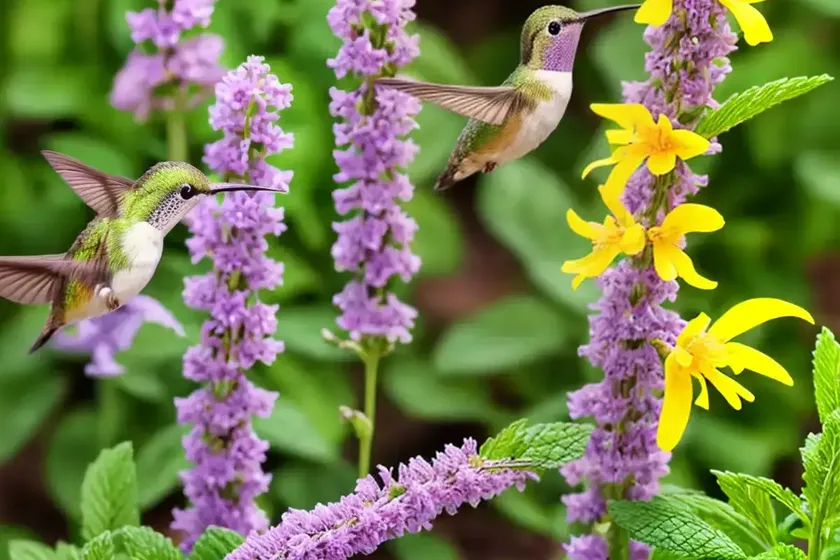
The nectar-rich flowers of Agastache POQUITO Butter Yellow act as a magnet for pollinators, including bees, butterflies, and hummingbirds. Introducing this plant to pollinator gardens and naturalistic landscapes can support and sustain local pollinator populations, contributing to the ecological balance.
Aromatic Herbs
The aromatic foliage of Agastache POQUITO Butter Yellow emits a pleasant fragrance, making it a contender for herbal applications. The leaves can be utilized to infuse teas, imparting a subtle minty flavor and aromatic essence to the beverage.
Propagation
Propagating Agastache POQUITO Butter Yellow allows for the expansion of its presence in the garden and the sharing of its beauty with other gardening enthusiasts. Several methods can be employed for the successful propagation of this plant.
Seed Propagation
Sowing seeds of Agastache POQUITO Butter Yellow in well-prepared seed-starting mix indoors, 6-8 weeks before the last frost date, can yield robust seedlings for subsequent transplanting. The seeds require consistent moisture and warmth to germinate, and once established, the young plants can be transitioned outdoors after the danger of frost has passed.
Division
Division serves as an effective means to propagate mature Agastache POQUITO Butter Yellow plants and rejuvenate overcrowded clumps. During the early spring or fall, carefully dividing the plant into sections, each possessing healthy roots and shoots, facilitates the establishment of new individuals.
Container Popularity
The compact nature and ornamental appeal of Agastache POQUITO Butter Yellow make it a sought-after choice for container gardening enthusiasts. Cultivating this plant in containers offers the advantage of mobility, allowing gardeners to showcase and relocate the plant as desired.
Container Selection
When selecting a container for Agastache POQUITO Butter Yellow, opt for a well-draining pot that accommodates the plant’s root system while providing adequate space for growth. Lightweight and frost-resistant materials, such as fiberglass or glazed ceramics, are preferable for container longevity and plant protection during temperature fluctuations.
Container Maintenance
Regular monitoring of soil moisture and consistent watering are imperative aspects of container maintenance for Agastache POQUITO Butter Yellow. Additionally, applying a balanced, water-soluble fertilizer following the manufacturer’s recommendations can supplement the nutrient requirements of the plant confined to a container environment.
Common Diseases
While Agastache POQUITO Butter Yellow exhibits commendable resistance to many diseases, it is susceptible to certain fungal infections and environmental stressors. Familiarizing oneself with common diseases and their management is pivotal for the preservation of plant health.
Powdery Mildew
Powdery mildew, characterized by the development of white, powdery patches on the foliage, can affect Agastache POQUITO Butter Yellow, particularly in conditions of high humidity. Ensuring proper air circulation, avoiding overhead irrigation, and employing preventive fungicidal sprays can mitigate the onset and spread of powdery mildew.
Root Rot
Overly moist or poorly drained soil can predispose Agastache POQUITO Butter Yellow to root rot, a serious fungal disease that compromises the plant’s root system and overall vitality. Implementing well-draining soil, refraining from overwatering, and optimizing growing conditions can deter the occurrence of root rot.
Common Pests
In addition to diseases, Agastache POQUITO Butter Yellow may encounter certain pests that pose a threat to its well-being and aesthetics. Vigilance and prompt intervention are essential in managing pest infestations effectively.
Aphids
Aphids are common sap-feeding insects that can infest Agastache POQUITO Butter Yellow, causing distorted growth and honeydew deposition. Implementing natural predators, such as ladybugs, and utilizing insecticidal soaps can help control aphid populations without resorting to harsh chemicals.
Spider Mites
Spider mites, tiny arachnids that thrive in hot and dry conditions, may target the foliage of Agastache POQUITO Butter Yellow, resulting in stippled and discolored leaves. Maintaining adequate humidity levels and employing horticultural oils can aid in managing and preventing spider mite infestations.
Botanist’s Tips
The cultivation and appreciation of Agastache POQUITO Butter Yellow can be enhanced by incorporating the following botanist’s tips:
- Incorporate mulch around the base of the plant to conserve soil moisture and inhibit weed growth.
- Monitor the plant for signs of stress, such as wilting or discoloration, and address underlying factors promptly.
- Integrate Agastache POQUITO Butter Yellow into sustainable gardening practices to support local ecosystems and biodiversity.
Fun Facts
Delighting in the allure and charm of Agastache POQUITO Butter Yellow is enriched by intriguing fun facts that encapsulate the essence of this captivating plant:
- The captivating yellow flowers of Agastache POQUITO Butter Yellow possess a tubular shape, ideal for attracting hummingbirds seeking nectar.
- In addition to its ornamental and ecological value, the leaves of Agastache POQUITO Butter Yellow emit a delightful minty fragrance, adding sensory appeal to the garden.
Links to External Resources
For further exploration and in-depth information on Agastache POQUITO Butter Yellow, the following links to external resources are valuable references:
- Royal Horticultural Society: Agastache POQUITO Butter Yellow Plant Guide
- The Spruce: Growing and Caring for Agastache
- Missouri Botanical Garden: Agastache POQUITO Butter Yellow Information
Conclusion
In conclusion, the Agastache POQUITO Butter Yellow, or Dwarf Hummingbird Mint, stands as a charming and versatile addition to diverse garden settings. Through an understanding of its cultural requisites, horticultural uses, propagation methods, disease and pest management, and intriguing characteristics, one can cultivate and savor the beauty of this unique plant. Embracing the allure of Agastache POQUITO Butter Yellow not only bestows visual delight but also contributes to the sustenance of local pollinator populations and the enrichment of the garden landscape.
By adopting the guidelines and insights provided in this comprehensive guide, enthusiasts can embark on a rewarding journey of nurturing and admiring the resplendent Agastache POQUITO Butter Yellow, fostering a harmonious coexistence between nature and horticulture.
Every garden holds the potential for a tapestry of vibrant wonders, and the Agastache POQUITO Butter Yellow undoubtedly adds a golden thread of beauty and fascination to this botanical mosaic.
In this blog post, we provided a comprehensive guide to Agastache POQUITO Butter Yellow, addressing its cultivation, uses, diseases, pests, and other relevant aspects. We discussed the plant’s culture, propagation methods, container popularity, common diseases, common pests, botanist’s tips, fun facts, and provided links to external resources for further exploration.