Agastache POQUITO Orange (Dwarf Hummingbird Mint)
Agastache, commonly known as Hummingbird Mint, is a diverse genus of herbaceous perennial plants from the Lamiaceae family. These plants are prized for.
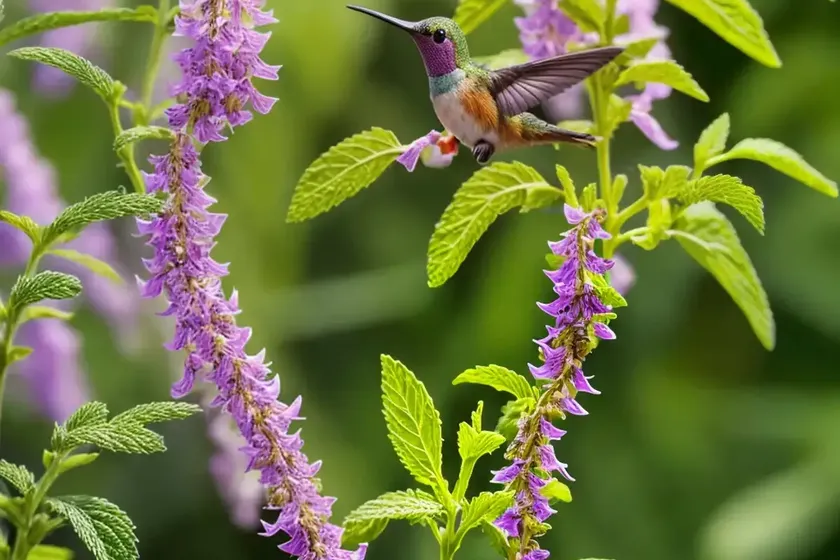
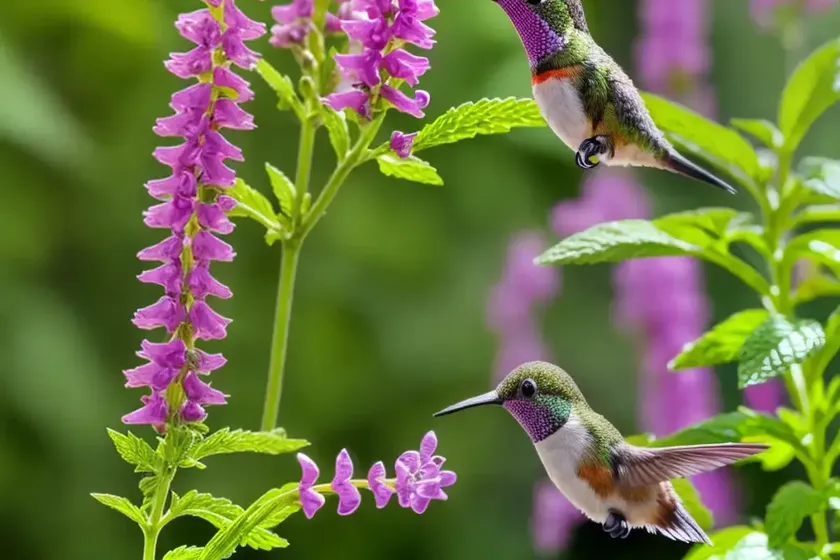
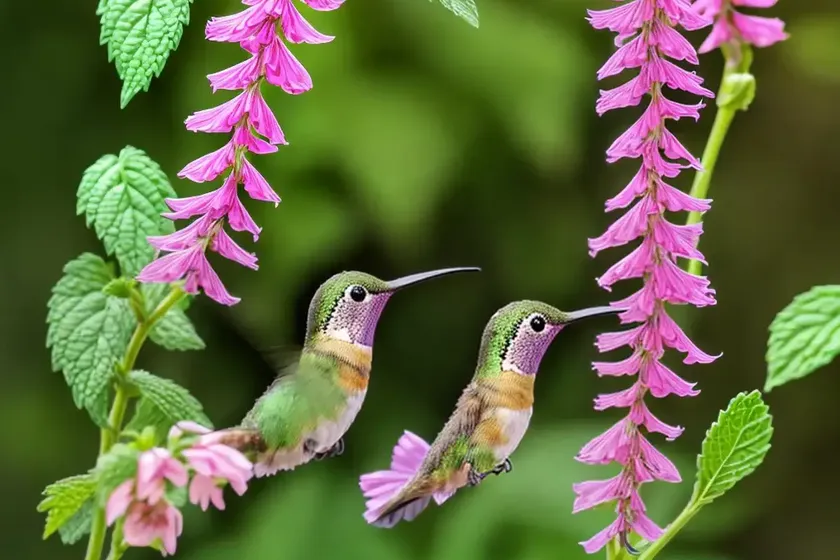
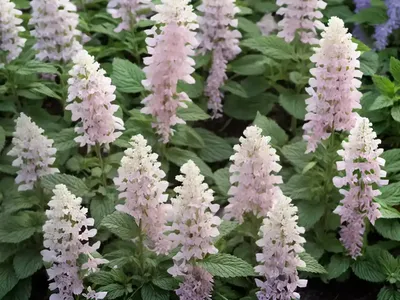
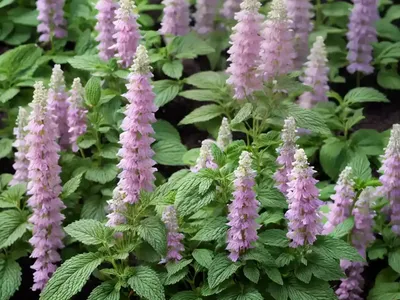
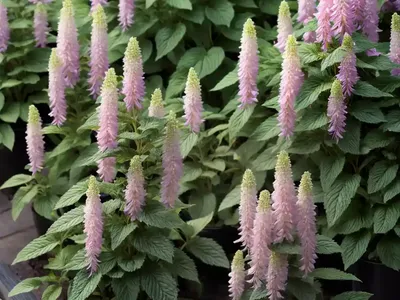
Agastache, commonly known as Hummingbird Mint, is a diverse genus of herbaceous perennial plants from the Lamiaceae family. These plants are prized for their ornamental value, aromatic foliage, and attractive, nectar-rich flowers that make them a favorite among pollinators such as hummingbirds, bees, and butterflies. Among the numerous Agastache species, the POQUITO Orange variety stands out for its unique characteristics, making it a popular choice for gardeners looking to add a burst of color and fragrance to their outdoor spaces.
In this comprehensive guide, we’ll delve into the enchanting world of Agastache POQUITO Orange, exploring its cultural requirements, uses, maintenance, and much more. Whether you’re a seasoned gardener or just getting started with your green thumb, this article will provide you with valuable insights to help you successfully cultivate and enjoy this charming plant.
What is Agastache POQUITO Orange (Dwarf Hummingbird Mint)?
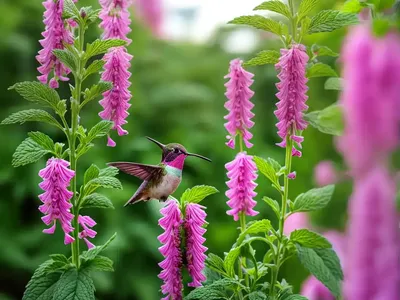
Agastache POQUITO Orange, also known as Dwarf Hummingbird Mint, is a compact, low-growing perennial herb that belongs to the Agastache genus. This alluring cultivar is highly valued for its vibrant, orange-colored blooms, which not only add a pop of color to the garden but also serve as a potent lure for pollinators, particularly hummingbirds. The plant’s aromatic foliage further enhances its allure, exuding a delightful fragrance that adds to its overall appeal.
Key Takeaways – Agastache POQUITO Orange (Dwarf Hummingbird Mint)
Before we delve deeper into the world of Agastache POQUITO Orange, let’s take a moment to highlight some key takeaways about this captivating plant.
- Common Names: Agastache POQUITO Orange, Dwarf Hummingbird Mint
- Plant Type: Dwarf herbaceous perennial
- Flower Color: Bright orange
- Attributes: Fragrant foliage, long blooming period, pollinator-friendly
- Cultural Uses: Ornamental, pollinator attractant
- Growth Habit: Compact, low-growing
- Watering: Drought-tolerant once established
- Sun Exposure: Full sun
- Soil Type: Well-draining, fertile soil
- Popularity: Popular for container gardening and small landscapes
- Maintenance: Low maintenance, deer-resistant
- Special Feature: Attractive to butterflies and bees
Now that we have a glimpse of the unique characteristics and uses of Agastache POQUITO Orange, let’s explore each facet of this plant in greater detail.
Culture
Cultivating Agastache POQUITO Orange requires an understanding of its cultural requirements, including aspects such as water, sunlight, fertilizer, soil, and pruning.
Water
Agastache POQUITO Orange is prized for its ability to thrive in dry conditions, making it a valuable addition to water-wise landscapes and xeriscapes. Once established, this drought-tolerant plant exhibits resilience to periods of limited water availability, allowing it to flourish with minimal supplemental irrigation.
Watering Tips:
– Provide average moisture during the plant’s establishment phase to promote healthy root development.
– Once established, water sparingly, allowing the soil to dry out between waterings to prevent waterlogged conditions that can compromise the plant’s health.
Sunlight
As a sun-loving perennial, Agastache POQUITO Orange thrives in full sun, basking in the direct rays of sunlight for the majority of the day. Adequate sunlight is essential for promoting vigorous growth, abundant flowering, and the development of aromatic foliage.
Sunlight Requirements:
– Plant in a location that receives a minimum of 6-8 hours of direct sunlight daily for optimal growth and bloom production.
– Ensure that the chosen planting site is free from obstructions that may shade the plant and hinder its access to sunlight.
Fertilizer
When it comes to fertilization, Agastache POQUITO Orange demonstrates a preference for lean or moderately fertile soil. Excessive fertilization can lead to overly lush growth at the expense of flowering, so it’s essential to adopt a balanced approach when providing nutrients to this plant.
Fertilizing Guidelines:
– Use a balanced, slow-release fertilizer or a dilute, organic fertilizer during the plant’s active growth period in spring.
– Refrain from over-fertilizing, particularly with high-nitrogen formulations, as this can negatively impact the plant’s flowering performance.
Soil
Agastache POQUITO Orange thrives in well-draining soil that is rich in organic matter, providing the ideal foundation for healthy root development and overall plant vigor.
Soil Requirements:
– Choose a planting site with well-draining soil to prevent water accumulation around the plant’s root zone.
– Amend heavy or compacted soil with organic matter, such as compost or peat moss, to improve soil texture and enhance its moisture-retention capacity.
Pruning
Regular pruning is beneficial for maintaining the compact, tidy form of Agastache POQUITO Orange, promoting renewed growth, and extending the plant’s overall lifespan.
Pruning Practices:
– Remove spent flower spikes to encourage continuous blooming and prevent the plant from investing energy in seed production.
– Perform periodic light pruning to remove any dead or damaged foliage and encourage new growth from the base of the plant.
Now that we’ve covered the cultural aspects of cultivating Agastache POQUITO Orange, let’s explore its diverse uses in the garden and landscape.
Uses
The versatile nature of Agastache POQUITO Orange lends itself to a myriad of uses in the garden and landscape, offering both aesthetic and ecological benefits that make it a valuable addition to any outdoor setting.
Ornamental Value
Agastache POQUITO Orange serves as an enchanting ornamental plant, adorning the garden with its vibrant, orange-hued blooms and fragrant foliage. Whether utilized as a focal point in a mixed border, as part of a container display, or as a colorful accent in rock gardens, this plant adds a touch of elegance and charm to any setting.
Ornamental Uses:
– Plant in mass or group plantings to create a striking visual impact.
– Incorporate into perennial beds and borders to infuse vibrant color and fragrance into the landscape.
Pollinator Attractant
One of the most compelling uses of Agastache POQUITO Orange is its role as a magnet for pollinators, particularly hummingbirds, butterflies, and bees. The plant’s bright orange blooms, rich in nectar, are irresistible to these winged visitors, making it an invaluable addition to pollinator gardens and wildlife habitats.
Pollinator Benefits:
– Attract hummingbirds, butterflies, and bees, contributing to a diverse and thriving ecosystem.
– Enhance the beauty and biodiversity of the garden while supporting essential pollination activities.
As we’ve explored the cultural requirements and uses of Agastache POQUITO Orange, it’s important to understand the specific maintenance practices necessary to keep this plant thriving and looking its best.
Maintenance
Maintaining Agastache POQUITO Orange involves a blend of regular care practices aimed at promoting healthy growth, maximizing flowering, and preserving the plant’s overall vigor.
Pruning
Periodic pruning is essential for managing the growth and appearance of Agastache POQUITO Orange, ensuring that it maintains a compact, well-branched form and continues to produce an abundance of blooms.
Pruning Guidelines:
– Deadhead spent flower spikes regularly to prevent self-seeding and encourage continuous flowering.
– Trim back any leggy or excessively tall growth to maintain a balanced plant shape and redirect energy to new growth.
Watering
Despite its drought-tolerant nature, Agastache POQUITO Orange benefits from some supplemental watering during prolonged dry spells, helping to sustain its vitality and flowering performance.
Watering Recommendations:
– Water deeply when natural rainfall is insufficient, ensuring that the soil is adequately moistened without becoming waterlogged.
– Adjust watering frequency based on environmental conditions and the plant’s individual needs, particularly during periods of high heat or drought.
Deadheading
Regular deadheading is a simple yet effective practice for prolonging the flowering season of Agastache POQUITO Orange, ensuring a continuous display of vibrant blooms throughout the growing season.
Deadheading Tips:
– Remove faded or spent flowers promptly to stimulate the production of new buds and prevent the plant from channeling energy into seed formation.
– Deadhead individual flower spikes or use handheld pruners to remove multiple spent blooms efficiently.
While implementing these maintenance practices, it’s essential to remain vigilant for signs of diseases or pests that may pose a threat to Agastache POQUITO Orange.
Diseases and Pests
Agastache POQUITO Orange is generally resistant to most common pests and diseases, owing to its aromatic foliage and overall hardiness. However, vigilance and proactive measures can help mitigate potential issues that may arise.
Common Diseases
While relatively robust, Agastache POQUITO Orange may occasionally encounter fungal diseases, such as powdery mildew, particularly in humid or damp conditions. Prompt recognition and treatment are crucial for preventing the spread of such ailments.
Common Diseases:
– Powdery Mildew: A fungal infection characterized by white, powdery patches on the plant’s foliage, impacting its overall health and appearance.
Disease Diagnosis
Early detection and accurate diagnosis of diseases are essential for implementing targeted treatment and management strategies to safeguard the health and vitality of Agastache POQUITO Orange.
Diagnosis Guidelines:
– Monitor the plant regularly for any signs of abnormal discoloration, wilting, or unusual growth patterns that may indicate the presence of a disease.
– Consult with local gardening resources or extension services for assistance in identifying and addressing specific diseases affecting Agastache plants.
Common Pests
Agastache POQUITO Orange is relatively resistant to pest infestations, with its aromatic foliage serving as a natural deterrent to many common garden pests. However, certain pests, such as aphids or spider mites, may still pose a potential threat under favorable environmental conditions.
Common Pests:
– Aphids: Small, sap-sucking insects that can colonize the plant’s tender growth tips and cause damage through feeding and excretion of honeydew.
– Spider Mites: Tiny arachnids that feed on plant sap, causing stippling, discoloration, and eventual leaf drop under severe infestations.
As we’ve explored the maintenance practices and potential challenges associated with Agastache POQUITO Orange, let’s delve into effective strategies for propagation and container gardening with this captivating plant.
Propagation
Propagating Agastache POQUITO Orange enables gardeners to expand their plant collection, share this delightful cultivar with others, and rejuvenate existing specimens through the introduction of new, vigorous growth.
Seed Propagation
Growing Agastache POQUITO Orange from seeds is a rewarding and cost-effective method of propagation, allowing for the production of numerous plants from a single seed source.
Seed Propagation Steps:
1. Collect ripe seeds from existing plants during the late summer or early fall when seed heads have formed.
2. Sow seeds in well-draining, moist seed-starting mix, covering them lightly with a thin layer of growing medium.
3. Maintain consistent moisture and warmth to facilitate germination, ensuring that the growing medium does not dry out or become waterlogged.
Division
Dividing established clumps of Agastache POQUITO Orange is an efficient way to propagate the plant, yielding multiple individual specimens for transplantation or sharing with fellow gardening enthusiasts.
Division Process:
1. Select a mature, healthy plant and gently lift it from the soil, being mindful to preserve the root structure.
2. Using a sharp, clean tool, carefully divide the plant into smaller sections, ensuring that each division possesses a portion of the root system and an adequate number of shoots.
3. Replant the divided sections in suitable locations, providing appropriate care and attention to promote successful establishment.
Container Popularity
Agastache POQUITO Orange is renowned for its suitability for container gardening, making it an excellent choice for adding color and fragrance to patios, balconies, and small outdoor spaces.
Container Gardening Benefits:
– Grow in containers of various sizes and styles, from traditional pots to decorative planters, to suit diverse aesthetic preferences.
– Easily move containers to optimal sun exposure or sheltered locations based on changing weather conditions or landscape design considerations.
Container gardening with Agastache POQUITO Orange offers a versatile and space-efficient way to showcase this captivating plant, making it an ideal choice for gardeners with limited outdoor space.
Common Diseases
Agastache POQUITO Orange is generally resilient to most common pests and diseases due to its aromatic foliage and overall hardiness. However, it’s important to remain vigilant for any signs of potential issues that may arise.
Disease Diagnosis
Early detection and accurate diagnosis of diseases are essential for implementing targeted treatment and management strategies to safeguard the health and vitality of Agastache POQUITO Orange.
Diagnosis Guidelines:
– Regularly inspect the plant for any indications of discoloration, wilting, or unusual growth patterns that could signal the presence of a disease.
– Consult with local gardening resources or extension services for assistance in identifying and addressing specific diseases affecting Agastache plants.
Common Pests
While generally robust and pest-resistant, Agastache POQUITO Orange may encounter occasional pest challenges, necessitating proactive measures for effective pest management.
Common Pests:
– Aphids: Small, sap-sucking insects that can colonize the plant’s tender growth tips, leading to stunted growth and deformation.
– Spider Mites: Tiny arachnids that feed on plant sap, causing stippling and discoloration of the foliage, particularly under hot and dry conditions.
By remaining attentive to the plant’s health and promptly addressing issues as they arise, gardeners can help ensure the long-term well-being of Agastache POQUITO Orange.
Botanist’s Tips
For enthusiasts and botanists seeking to maximize the success and vibrancy of Agastache POQUITO Orange in their gardens, the following tips provide valuable insights and recommendations.
- Optimal Placement: Position Agastache POQUITO Orange in an area with excellent air circulation to promote overall plant health and discourage the development of fungal diseases.
- Elevated Planters: Consider planting Agastache POQUITO Orange in raised beds or elevated planters to enhance drainage and minimize the risk of waterlogging, particularly in heavy or clay soils.
- Mulching Practices: Apply a layer of organic mulch around the base of the plant to conserve soil moisture, suppress weed growth, and insulate the root zone during temperature fluctuations.
- Companion Planting: Pair Agastache POQUITO Orange with complementary pollinator-friendly plants, such as salvias, echinaceas, and monardas, to create a vibrant, wildlife-attracting garden display.
By incorporating these botanist’s tips into the care and cultivation of Agastache POQUITO Orange, gardeners can enhance the plant’s performance and create an inviting, thriving landscape.
Fun Facts
Uncover the fascinating and lesser-known aspects of Agastache POQUITO Orange with these intriguing fun facts that showcase the plant’s unique attributes and ecological significance.
- Hummingbird Attraction: The vibrant, orange-hued blooms of Agastache POQUITO Orange serve as a magnet for hummingbirds, adding excitement and energy to the garden with their frequent visits.
- Drought Tolerance: With its ability to thrive in dry conditions, Agastache POQUITO Orange exemplifies resilience and adaptability, making it an excellent choice for water-wise landscapes.
- Fragrance Delight: The aromatic foliage of Agastache POQUITO Orange releases a delightful, minty fragrance when gently crushed or brushed against, enhancing the sensory experience of the garden.
- Deer Resistance: Due to its aromatic nature, Agastache POQUITO Orange exhibits resistance to deer browsing, providing an attractive and protected option for gardens frequented by deer populations.
- Native Pollinator Support: Agastache POQUITO Orange contributes to the preservation of native pollinators by providing a vital food source through its nectar-rich blossoms, fostering ecological balance and sustainability.
These fun facts showcase the captivating allure and ecological significance of Agastache POQUITO Orange, deepening our appreciation for this remarkable plant.
Links to External Resources
For further exploration and in-depth information on Agastache POQUITO Orange (Dwarf Hummingbird Mint), consider delving into the following external resources:
- Royal Horticultural Society (RHS) – Agastache
- Missouri Botanical Garden – Agastache species
- North Carolina State University Extension – Growing Agastache
- The National Gardening Association – Agastache Plant Care Guide
- University of Florida IFAS Extension – Agastache for Florida Gardens
These reputable resources offer valuable insights, care guidelines, and botanical details to support your journey in cultivating and appreciating the enchanting Agastache POQUITO Orange.
In conclusion, Agastache POQUITO Orange (Dwarf Hummingbird Mint) represents an exceptional addition to gardens and landscapes, captivating with its vibrant blooms, aromatic foliage, and pollinator-friendly nature. By understanding the plant’s cultural requirements, uses, maintenance practices, and unique qualities, gardeners can cultivate and enjoy the beauty and ecological benefits of this remarkable perennial. As we embrace the enchanting allure of Agastache POQUITO Orange, we celebrate its role in fostering vibrant, sustainable, and captivating outdoor spaces that delight both humans and wildlife alike.
With its compact form, vibrant orange blooms, and fragrant foliage, Agastache POQUITO Orange (Dwarf Hummingbird Mint) adds a burst of color and vitality to gardens, making it a cherished choice for enthusiasts and nature lovers alike. Let’s continue to nurture and celebrate the charm of this captivating perennial, knowing that its presence enriches our lives and the natural world around us.