Agastache POQUITO Lavender (Dwarf Hummingbird Mint)
Introduction Agastache POQUITO Lavender, also known as Dwarf Hummingbird Mint, is a delightful flowering plant that is popular for its vibrant blooms and.
Introduction
Agastache POQUITO Lavender, also known as Dwarf Hummingbird Mint, is a delightful flowering plant that is popular for its vibrant blooms and fragrance. This perennial herb belongs to the Lamiaceae family and is native to North America. The plant is cherished for its ornamental value and attracts pollinators such as bees and butterflies. In this comprehensive care guide, we will delve into the various aspects of caring for Agastache POQUITO Lavender, including its culture, uses, water, sunlight, fertilizer, soil, pruning, propagation, and more.
What is Agastache POQUITO Lavender?
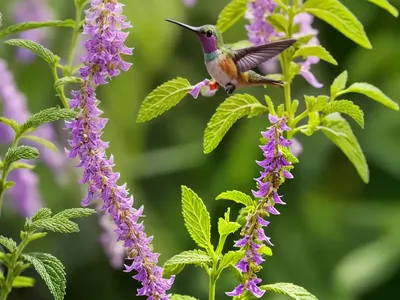
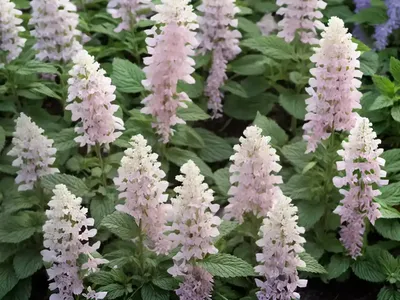
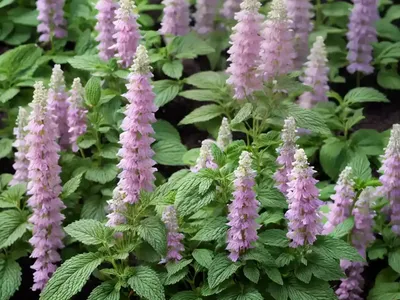
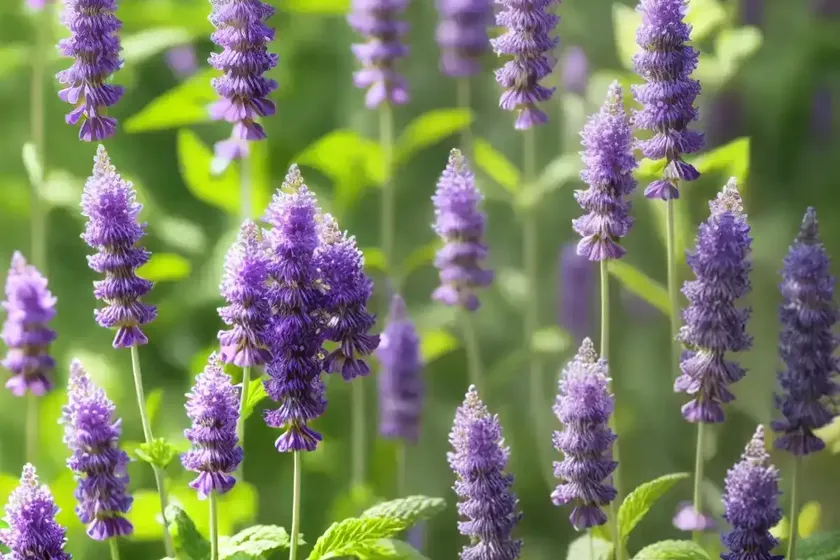
Agastache POQUITO Lavender is a compact and aromatic perennial plant that is characterized by its showy spikes of lavender-blue flowers and anise-scented foliage. This diminutive variety of Agastache, also known as Dwarf Hummingbird Mint, typically grows to a height of around 12-16 inches, making it an excellent choice for small gardens or containers. The plant blooms from late spring to early autumn, adding a splash of color and delightful fragrance to the garden.
Key Takeaways – Agastache POQUITO Lavender
Before diving into the specifics of Agastache POQUITO Lavender care, let’s highlight some key takeaways about this enchanting plant:
- Scientific Name: Agastache POQUITO Lavender
- Common Name: Dwarf Hummingbird Mint
- Plant Type: Perennial
- Mature Size: 12-16 inches
- Sunlight: Full sun
- Water: Low to moderate
- Soil Type: Well-draining
- Flowering Period: Late spring to early autumn
- Uses: Ornamental, pollinator attractant, culinary, medicinal
Now that we have an overview of Agastache POQUITO Lavender, let’s explore how to care for this delightful plant in detail.
Culture
Understanding the culture of Agastache POQUITO Lavender is essential for creating a thriving environment for this plant. Whether you are a seasoned gardener or a novice enthusiast, providing the right cultural conditions is key to the plant’s overall health and vigor.
Uses
Agastache POQUITO Lavender holds several uses, making it a versatile addition to gardens and landscapes. The primary uses of this plant include:
- Ornamental: The attractive lavender-blue blooms and aromatic foliage make Agastache POQUITO Lavender a perfect ornamental addition to any garden or landscape.
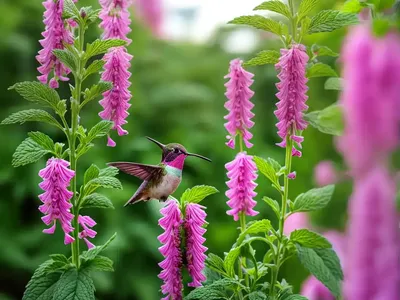
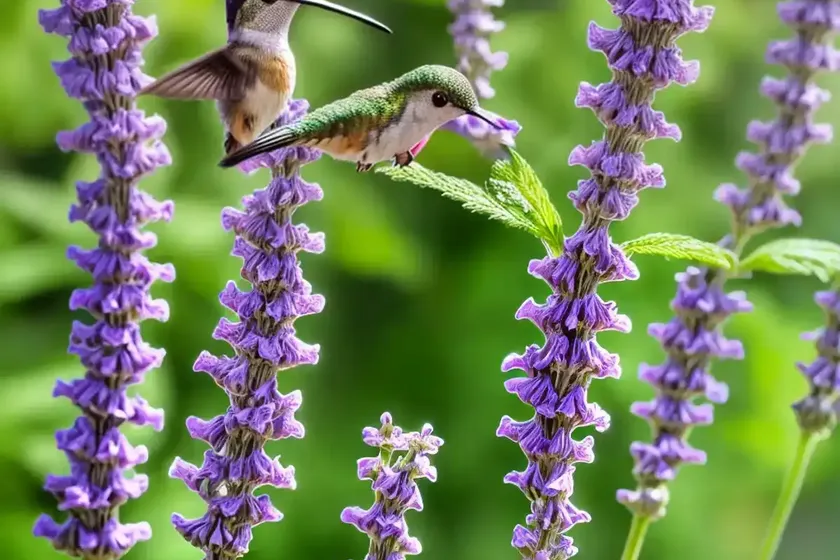
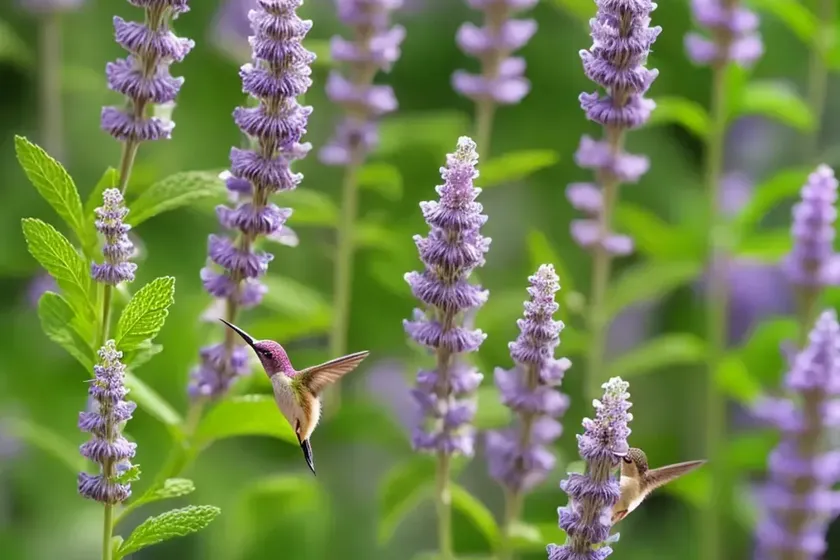
- Pollinator Attractant: The flowers of Agastache POQUITO Lavender are highly attractive to pollinators such as bees, butterflies, and hummingbirds, making it an excellent choice for wildlife-friendly gardens.
- Culinary: The leaves of Agastache POQUITO Lavender can be used to flavor teas, salads, or desserts due to their pleasant anise-like flavor.
- Medicinal: In traditional herbal medicine, Agastache species have been used to treat various ailments, showcasing their medicinal properties.
Water
Proper watering plays a crucial role in the health and vitality of Agastache POQUITO Lavender. While this plant is relatively drought-tolerant, it thrives best with moderate water availability.
- Watering Frequency: During the growing season, water the plant deeply once every week, allowing the soil to dry out slightly between waterings.
- Avoid Overwatering: Ensure that the soil is well-draining and prevent waterlogged conditions, as excessive moisture can lead to root rot.
Sunlight
Agastache POQUITO Lavender is a sun-loving plant that flourishes in full sunlight.
- Sun Requirements: Provide the plant with at least 6-8 hours of direct sunlight daily for optimal growth and flowering.
- Sun Exposure: Choose a location in the garden or landscape that receives ample sunlight throughout the day.
Fertilizer
Fertilizing Agastache POQUITO Lavender can promote healthy growth and abundant blooms. When it comes to fertilization, a balanced approach is key to preventing overfeeding and ensuring the plant’s overall well-being.
- Fertilizer Type: Use a balanced, slow-release fertilizer or a natural organic option to provide essential nutrients without causing excessive vegetative growth.
- Application Frequency: Apply fertilizer in early spring as new growth emerges, and consider a light application in midsummer if necessary.
Soil
The soil requirements of Agastache POQUITO Lavender are relatively simple, emphasizing the importance of good drainage and nutrient availability.
- Well-Draining Soil: Plant in a well-draining soil mix to prevent waterlogging and root rot.
- Soil pH: The plant thrives in slightly acidic to neutral soil with a pH range of 6.5-7.5.
Pruning
Pruning Agastache POQUITO Lavender is an essential aspect of its maintenance, helping to promote bushy growth, prolong flowering, and maintain a tidy appearance.
- Deadheading: Remove spent flowers regularly to encourage continuous blooming and prevent self-seeding.
- Shearing: If the plant becomes leggy or starts to sprawl, consider shearing it back by one-third to promote compact, bushy growth.
Propagation
Propagating Agastache POQUITO Lavender allows you to expand your plant collection and share this delightful species with fellow gardening enthusiasts. Several methods can be employed to propagate this plant successfully.
- Division: In early spring, divide mature plants by gently separating the clumps and replanting them in suitable locations.
- Seed Propagation: Collect seeds from mature flowers and sow them in seed-starting mix indoors or directly in the garden in late spring.
Container Popularity
Agastache POQUITO Lavender’s compact size and ornamental qualities make it a popular choice for container gardening.
- Container Selection: Choose a well-draining container with adequate drainage holes to ensure proper moisture levels.
- Placement: Position the container in a sunny location and consider placing it near outdoor seating areas to enjoy the plant’s delightful fragrance and the visiting pollinators.
Container Common Diseases
While Agastache POQUITO Lavender is generally resistant to many common diseases, certain issues can arise in container-grown specimens due to environmental factors.
- Damping Off: Excessive moisture or poor air circulation in the container can lead to damping-off disease in seedlings.
- Root Rot: Overwatering and waterlogging in containers can result in root rot, impacting the plant’s overall health.
Disease Diagnosis
Diagnosing and addressing potential diseases promptly is crucial for maintaining the health and vitality of Agastache POQUITO Lavender.
- Visual Inspection: Regularly inspect the foliage and stems for any signs of discoloration, wilting, or unusual growth.
- Prompt Action: If symptoms of disease are observed, promptly isolate the affected plant and address the issue with appropriate measures to prevent the spread of infection.
Common Pests
Despite the overall resilience of Agastache POQUITO Lavender, several pests can pose a threat to the plant’s well-being.
- Aphids: These small, sap-sucking insects can colonize the tender shoot tips and flower buds, distorting new growth and causing leaf yellowing.
- Spider Mites: These microscopic pests may infest the plant, leading to stippled or discolored foliage, especially in dry and hot conditions.
Botanist’s Tips
Drawing from botanical insights and practical experiences, here are some valuable tips for cultivating Agastache POQUITO Lavender successfully:
- Mulching: Apply a layer of organic mulch around the base of the plant to conserve moisture, suppress weeds, and provide essential nutrients over time.
- Companion Planting: Pair Agastache POQUITO Lavender with pollinator-attracting plants such as Echinacea, Salvia, and Monarda to create a vibrant and wildlife-friendly garden.
Fun Facts
- The species name “Agastache” is derived from the Greek words “agan” (much) and “stachys” (spike), referring to the dense spike-like inflorescences of the plant.
- Agastache POQUITO Lavender is cherished by herbalists for its aromatic leaves, which are used to brew herbal teas and flavor culinary creations.
- Cultivating Agastache POQUITO Lavender in the garden can attract an array of beneficial insects, enriching the ecological diversity of the landscape.
Links to External Resources
- Royal Horticultural Society – Agastache
- Missouri Botanical Garden – Agastache Pocahontas Lavender
- The Spruce – How to Grow and Care for Agastache
- Gardening Know How – Growing Anise Hyssop
In conclusion, Agastache POQUITO Lavender, or Dwarf Hummingbird Mint, is a captivating plant with an array of ornamental, culinary, and ecological benefits. By understanding and implementing the care guidelines outlined in this comprehensive guide, you can cultivate and enjoy the beauty of Agastache POQUITO Lavender in your garden or landscape successfully.
Through the cultivation of this delightful species, you can create an enchanting haven for pollinators, savor the aromatic delights of herbal teas, and relish the visual splendor of bountiful blooms. Embrace the journey of fostering Agastache POQUITO Lavender and witness the magic it brings to your outdoor spaces.
By leveraging the key takeaways, cultural insights, and practical tips provided in this guide, you can embark on a rewarding gardening adventure with Agastache POQUITO Lavender, sowing the seeds for a flourishing and vibrant landscape.
Happy gardening!