Agapanthus Ever Sapphire (African Lily)
Agapanthus Ever Sapphire, commonly known as African Lily, is a stunning perennial plant that belongs to the Agapanthaceae family. Known for its striking.
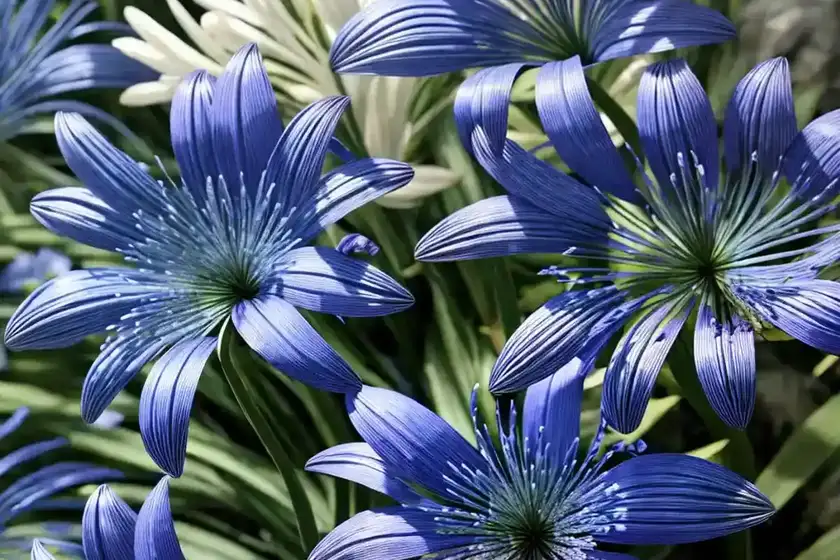
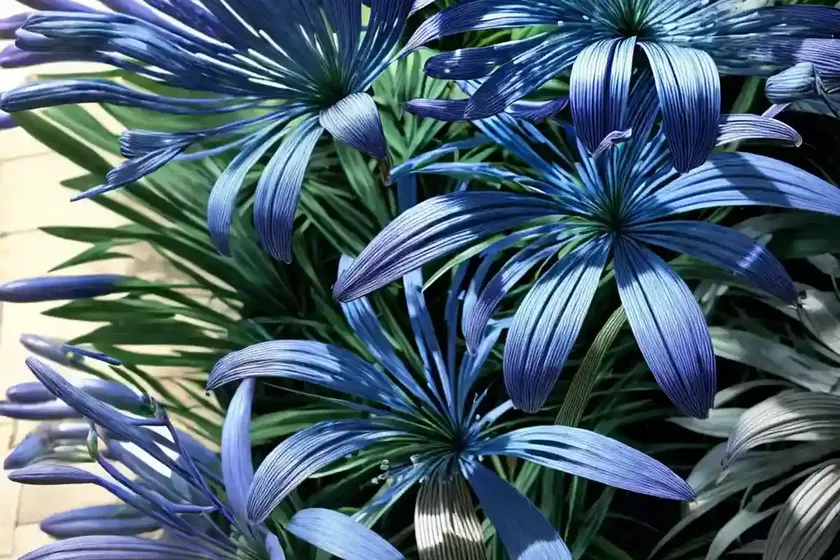
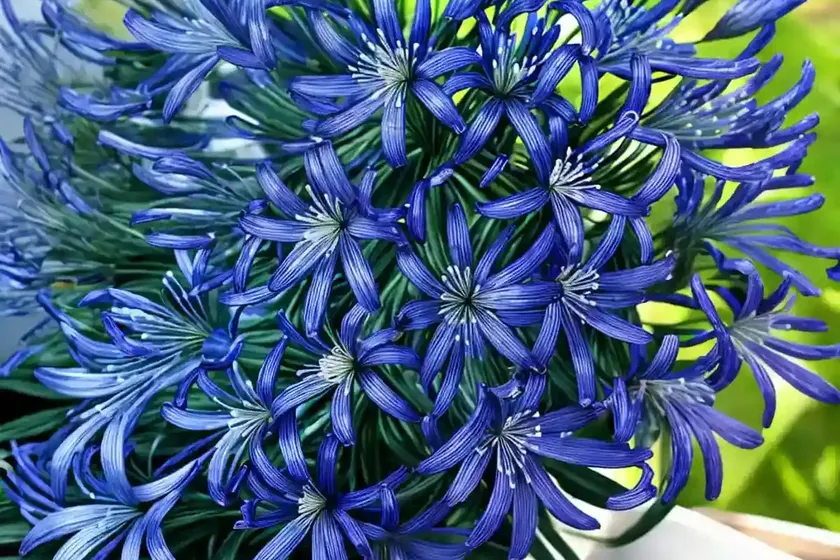
Agapanthus Ever Sapphire, commonly known as African Lily, is a stunning perennial plant that belongs to the Agapanthaceae family. Known for its striking blue flowers and graceful foliage, Agapanthus Ever Sapphire is a popular choice for garden enthusiasts and plant lovers. In this comprehensive guide, we will delve into the various aspects of this beautiful plant, including its culture, uses, care requirements, common diseases, and much more. Whether you’re a seasoned gardener or a novice plant enthusiast, this guide will equip you with the knowledge and insights needed to cultivate and care for Agapanthus Ever Sapphire successfully.
What is Agapanthus Ever Sapphire (African Lily)?
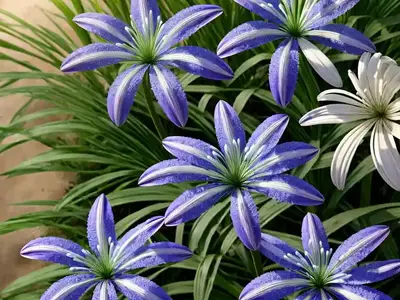
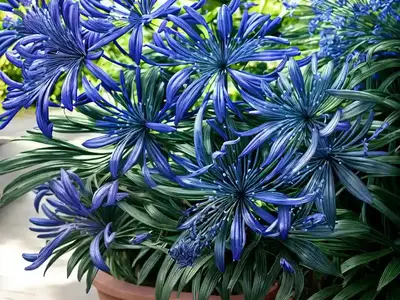
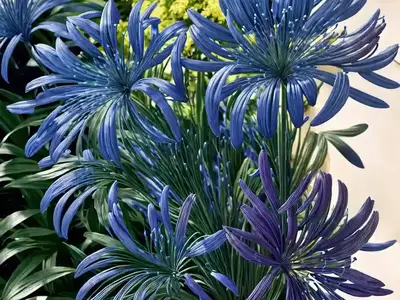
Before we delve into the specifics of caring for Agapanthus Ever Sapphire, let’s take a closer look at the plant itself. Agapanthus Ever Sapphire is a perennial flowering plant cherished for its exquisite blue blooms and lush, strappy leaves. It is a member of the Agapanthaceae family, which comprises several species commonly known as “African Lilies” or “Lily of the Nile.” This particular variety, Ever Sapphire, is renowned for its intense blue flowers, adding a vibrant touch to any garden or landscape.
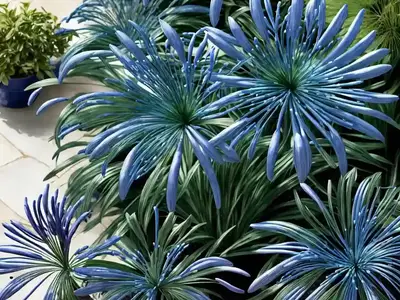
The elegant blooms of Agapanthus Ever Sapphire are held high on sturdy stems, creating a striking visual display. With the right care and maintenance, this perennial beauty can thrive and enchant with its captivating blossoms year after year. Whether used as a standout feature in garden borders, mass-planted for a sea of blue, or displayed in containers, Agapanthus Ever Sapphire holds its own in terms of both beauty and resilience.
Key Takeaways – Agapanthus Ever Sapphire (African Lily)
Culture
- Scientific Name: Agapanthus Ever Sapphire
- Family: Agapanthaceae
- Common Names: African Lily, Lily of the Nile
- Plant Type: Perennial
Uses
- Garden Borders: Creates a stunning visual impact when planted in borders or clusters.
- Container Gardening: Well-suited for container cultivation, adding color to patios or balconies.
- Cut Flowers: Flowers can be used as striking cut flowers in floral arrangements.
Water
- Moderate Watering: Requires regular watering, especially during the growing season.
- Well-Drained Soil: Thrives in well-drained soil to prevent waterlogging.
Sunlight
- Full Sun to Partial Shade: Flourishes in full sun to partial shade conditions.
Fertilizer
- Balanced Fertilizer: Benefits from a balanced, slow-release fertilizer during the growing season.
Soil
- Well-Drained Soil: Flourishes in well-drained, fertile soil.
- pH: Prefers slightly acidic to neutral soil pH.
Pruning
- Deadheading: Regular deadheading of spent blooms promotes continuous flowering.
- Trimming Foliage: Prune back old foliage in late winter or early spring to encourage new growth.
Propagation
- Division: Can be propagated through division of established clumps.
- Seed Propagation: Possible, but less commonly practiced due to slow growth from seed.
Container Popularity
- Ideal For Containers: Well-suited for container cultivation, adding vibrant color and texture to outdoor spaces.
Common Diseases
- Root Rot: Occurs in waterlogged soils, emphasizing the need for well-drained conditions.
- Fungal Diseases: Susceptible to fungal infections in humid or overcrowded growing conditions.
Disease Diagnosis
- Yellowing Foliage: Can indicate both overwatering and nutrient deficiencies.
- Sudden Wilting: Symptom of root rot or fungal diseases, requiring immediate action.
Common Pests
- Aphids: May infest the plant, especially during periods of new growth and flowering.
- Snails and Slugs: Particularly attracted to young, tender foliage.
Botanist’s Tips
- Prudent Watering: Ensure consistent moisture without waterlogging to prevent root diseases.
- Regular Feeding: Apply a balanced fertilizer to promote healthy growth and abundant flowering.
Fun Facts
- The genus name “Agapanthus” is derived from the Greek words “agape,” meaning love, and “anthos,” meaning flower, symbolizing love and beauty.
- Agapanthus Ever Sapphire is native to South Africa, where it thrives in a variety of habitats, from coastal regions to grasslands and mountain slopes.
Links to External Resources
For further information, detailed care guides, and resources on Agapanthus Ever Sapphire, refer to the following resources:
1. Royal Horticultural Society – Agapanthus Care Guide
2. University of Florida IFAS Extension – Agapanthus Production Guide
3. American Horticultural Society – Perennial Plant Guide
Plant Name: “Agapanthus Ever Sapphire (African Lily)”
Agapanthus Ever Sapphire, also referred to as African Lily, is a captivating perennial plant revered for its striking blue flowers and graceful foliage. This exquisite variety is a popular choice among gardeners and landscapers, adding a touch of elegance and vibrancy to outdoor spaces.
African Lily Care: A Detailed Guide
African Lily, or Agapanthus Ever Sapphire, is a plant that demands attention with its brilliant blue flowers and lush green foliage. To ensure its optimal growth and blooming potential, careful consideration of its cultural requirements and maintenance is essential. Let’s explore each aspect of its care in detail to help you successfully cultivate and nurture this stunning plant.
Agapanthus Ever Sapphire Growing Tips
Water Requirements
African Lily, or Agapanthus Ever Sapphire, thrives in moderately moist conditions. While it is important to ensure an adequate supply of water, it is equally vital to prevent waterlogging, which can lead to root rot. During the active growing season, regular watering is essential, especially during dry spells. However, it is advisable to allow the soil to dry out slightly between watering sessions to maintain optimal soil conditions.
Sunlight Needs
In terms of sunlight requirements, Agapanthus Ever Sapphire flourishes in full sun to partial shade. Providing ample sunlight is crucial for promoting robust growth and abundant flowering. When planted in regions with hot, intense sunlight, providing some afternoon shade can be beneficial, especially during the peak of summer.
Fertilization Tips
To support healthy growth and prolific flowering, Agapanthus Ever Sapphire benefits from regular feeding with a balanced, slow-release fertilizer. It is advisable to apply the fertilizer during the active growing season, typically in spring and early summer. Additionally, incorporating organic matter into the soil during planting or as a top dressing can enhance the overall fertility and structure of the soil.
Soil Requirements
Ensuring well-drained soil is essential for the optimal growth and development of Agapanthus Ever Sapphire. The plant thrives in fertile, well-drained soil with a slightly acidic to neutral pH. Amending the soil with organic matter, such as well-rotted compost or peat moss, can improve its texture and enhance its water retention capacity. Moreover, incorporating a layer of mulch around the base of the plant helps to conserve soil moisture and suppress weed growth.
Pruning and Maintenance
Proper pruning and maintenance play a crucial role in the care of Agapanthus Ever Sapphire. Deadheading, the removal of spent blooms, is essential to encourage continuous flowering and prevent the plant from expending energy on seed production. This practice also helps in maintaining a tidy appearance and prevents the formation of seedlings. Additionally, during late winter or early spring, it is beneficial to trim back the old foliage to make way for fresh, new growth.
Propagation Techniques
Agapanthus Ever Sapphire can be propagated through various methods, with division being one of the most commonly employed techniques. Established clumps of the plant can be carefully divided, ensuring that each division has a sufficient number of healthy roots and shoots. This process is typically carried out in early spring, allowing the newly divided plants to establish themselves before the onset of the growing season. While propagation from seeds is possible, it is a less popular method due to the relatively slow growth and time taken to reach flowering maturity.
Container Gardening
The striking visual appeal and compact growth habit of Agapanthus Ever Sapphire make it an ideal candidate for container cultivation. When grown in containers, this plant adds a vibrant touch to patios, balconies, and other outdoor spaces. It is important to select a well-draining potting mix and a container with adequate drainage holes to prevent waterlogging. Regular watering and feeding are crucial for container-grown specimens, as they may require more frequent attention compared to plants in the ground.
Popularity of Agapanthus Ever Sapphire in Container Gardening
Agapanthus Ever Sapphire, with its captivating blue flowers and graceful foliage, has earned a well-deserved reputation as a standout choice for container gardening. Its compact growth habit and vibrant blooms make it an ideal addition to outdoor spaces, including patios, balconies, and rooftop gardens. When cultivated in containers, Agapanthus Ever Sapphire adds a touch of elegance and color, creating a visually appealing display.
Common Diseases and Pest Management
Common Diseases
Agapanthus Ever Sapphire, like many plants, is susceptible to certain diseases, with root rot being one of the primary concerns. This condition arises from waterlogged soil, emphasizing the necessity for well-drained growing conditions. Additionally, in humid or overcrowded settings, the plant may be prone to fungal diseases, which can affect both the foliage and the flowers.
Disease Diagnosis
Diagnosing potential diseases in Agapanthus Ever Sapphire requires keen observation of its foliage and overall vigor. Yellowing foliage can be indicative of both overwatering and nutrient deficiencies, necessitating a careful assessment of the plant’s water requirements and soil fertility. Sudden wilting and a decline in plant health can signal the presence of root rot or fungal infections, demanding prompt intervention to prevent further spread and damage.
Common Pests
Aphids are among the common pests that may afflict Agapanthus Ever Sapphire, especially during periods of new growth and flowering. These tiny insects can cause damage by feeding on the plant’s sap, leading to distorted growth and the development of sooty mold. Additionally, snails and slugs are attracted to the tender foliage, posing a threat to the plant’s overall health and appearance.
Botanist’s Tips for Successful Care
Prudent Watering Practices
Ensuring steady and consistent moisture levels for Agapanthus Ever Sapphire is essential for promoting healthy growth and flowering. However, it is crucial to avoid overwatering, particularly in poorly-drained soils, as this can lead to root rot and other related issues. Striking a balance between adequate moisture and well-drained conditions is key to the plant’s long-term health and vigor.
Regular Feeding Regimen
Applying a balanced, slow-release fertilizer at the appropriate times supports the plant’s nutritional needs and encourages robust growth. An adequate supply of nutrients is vital for sustaining the plant’s energy reserves and promoting the development of vibrant flowers and lush foliage. Incorporating organic matter into the soil can further enhance its fertility and structure, contributing to the overall well-being of Agapanthus Ever Sapphire.
Fun Facts About Agapanthus Ever Sapphire
- The striking blue flowers of Agapanthus Ever Sapphire add a touch of elegance and vibrancy to any garden or landscape.
- The genus name “Agapanthus” is derived from the Greek words “agape,” meaning love, and “anthos,” meaning flower, symbolizing love and beauty.
- Agapanthus Ever Sapphire is native to South Africa, where it thrives in various habitats, from coastal regions to grasslands and mountain slopes.
Conclusion
Agapanthus Ever Sapphire, also known as African Lily, is a captivating perennial plant cherished for its stunning blue flowers and graceful foliage. With proper care and attention to its cultural requirements, including watering, sunlight, soil, and maintenance, this beautiful plant can thrive and enchant with its vibrant blooms and striking visual appeal. By availing the information and insights provided in this guide, you can embark on a fulfilling journey of cultivating and caring for Agapanthus Ever Sapphire, adding a touch of elegance and color to your garden or outdoor space.
Links to External Resources
For further information, detailed care guides, and resources on Agapanthus Ever Sapphire, refer to the following resources:
- Royal Horticultural Society – Agapanthus Care Guide
- University of Florida IFAS Extension – Agapanthus Production Guide
- American Horticultural Society – Perennial Plant Guide
Incorporating the expertise and knowledge shared through these resources can further enhance your understanding and proficiency in cultivating and caring for Agapanthus Ever Sapphire. Whether you are an experienced gardener or an enthusiastic beginner, the journey of nurturing this captivating plant is sure to be fulfilling and rewarding.
This comprehensive guide provides a thorough understanding of Agapanthus Ever Sapphire, commonly known as African Lily, encompassing its cultural requirements, maintenance, pest and disease management, and additional insights. By incorporating detailed care guidelines and botanical expertise, this guide equips readers with the knowledge and resources needed to cultivate and care for Agapanthus Ever Sapphire successfully. Whether used as a garden border centerpiece or a striking container plant, Agapanthus Ever Sapphire is a perennial beauty that can thrive and enchant with its vibrant blooms and graceful charm.