Agapanthus Headbourne Hybrids (African Lily)
Introduction As a plant scientist specializing in ornamental plants, I am thrilled to delve into the world of the Agapanthus Headbourne Hybrids, commonly.
Introduction
As a plant scientist specializing in ornamental plants, I am thrilled to delve into the world of the Agapanthus Headbourne Hybrids, commonly known as the African Lily. This stunning perennial plant has gained popularity among gardeners and plant enthusiasts due to its graceful, colorful blooms and its versatility in various garden settings. In this comprehensive guide, we will explore the culture, uses, care requirements, propagation, common diseases, pest management, and much more about the Agapanthus Headbourne Hybrids. Whether you are new to gardening or a seasoned horticulturist, this guide will provide valuable insights into the world of African Lilies.
What is Agapanthus Headbourne Hybrids (African Lily)?
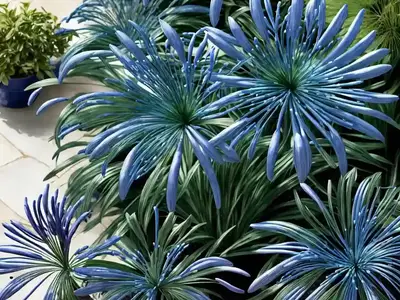
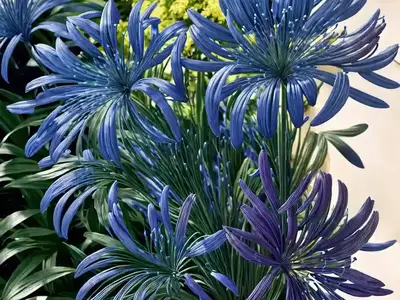
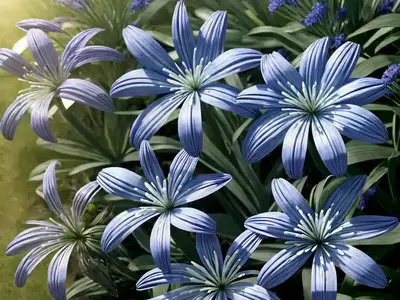
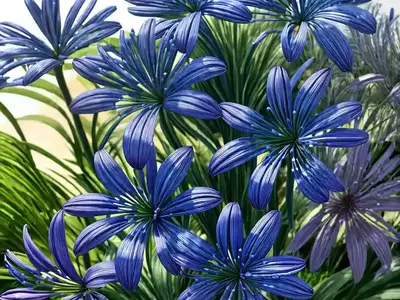
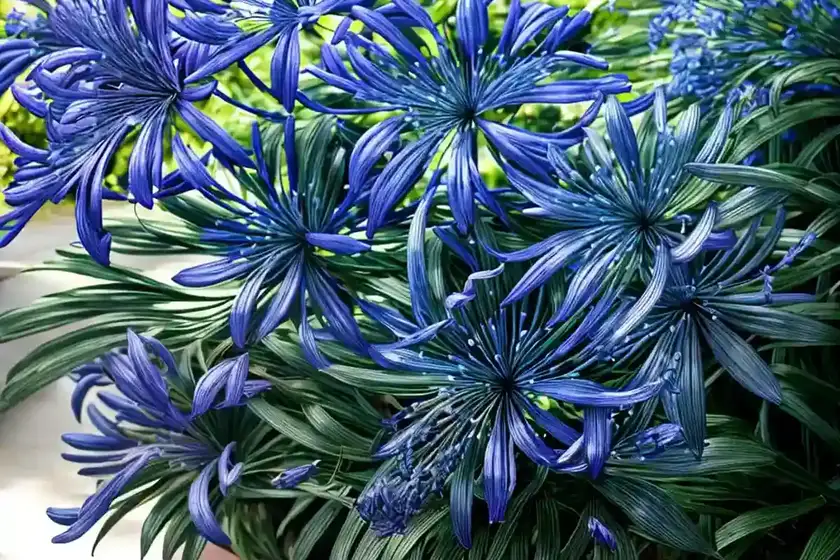
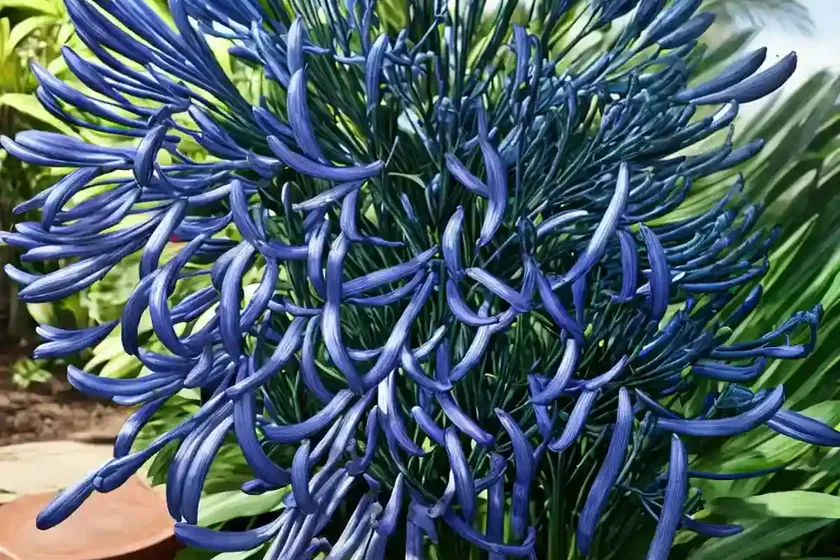
The Agapanthus Headbourne Hybrids, also known as African Lily, belong to the genus Agapanthus, which comprises several species of flowering plants native to South Africa. These hybrids are renowned for their striking flower clusters, which bloom in various colors, including blue, white, and purple. The Agapanthus Headbourne Hybrids are characterized by their robust, strap-like leaves and globe-shaped clusters of trumpet-shaped flowers, making them a popular choice for landscaping, container gardening, and cut flower arrangements.
Key Takeaways
Before we delve into the specifics of cultivating and caring for Agapanthus Headbourne Hybrids, let’s outline some key takeaways about this remarkable plant.
- Agapanthus Headbourne Hybrids, also known as African Lily, are prized for their showy flower clusters and lush, evergreen foliage.
- These hybrids are available in an array of colors, including blue, white, and purple, providing gardeners with versatile options for landscaping and garden design.
- African Lilies can be grown in containers, borders, or as standalone focal points in garden beds, adding a touch of elegance to outdoor spaces.
- The cultural requirements of Agapanthus Headbourne Hybrids include specific needs for water, sunlight, fertilizer, soil, and pruning, which contribute to their overall health and vigor.
With these key takeaways in mind, let’s explore the essential cultural practices, uses, care guidelines, and interesting facts about the Agapanthus Headbourne Hybrids in more detail.
Culture
Cultivating Agapanthus Headbourne Hybrids successfully requires an understanding of their specific cultural requirements, including water, sunlight, fertilizer, soil, and pruning. By providing the optimal growing conditions, gardeners can ensure that these stunning plants thrive and produce an abundance of vibrant blooms.
Water
Proper watering is essential for the well-being of Agapanthus Headbourne Hybrids. These plants benefit from regular watering during the growing season, especially during dry spells. However, it is crucial to avoid waterlogging the soil, as this can lead to root rot and other issues. Adequate drainage is key to preventing waterlogged conditions, particularly in containers or heavy clay soils. During hot summer months, maintaining consistent soil moisture is vital to support healthy growth and flowering.
Sunlight
Agapanthus Headbourne Hybrids thrive in full sun to partial shade. While they can tolerate some shade, they generally produce more blooms when grown in full sunlight. When selecting a planting location for African Lilies, it is advisable to choose a spot that receives at least six hours of direct sunlight per day. In regions with scorching summers, providing some afternoon shade can help protect the plants from excessive heat stress.
Fertilizer
Feeding Agapanthus Headbourne Hybrids with a balanced fertilizer can enhance their overall growth and flowering performance. A slow-release, balanced fertilizer applied in spring can provide the necessary nutrients to support healthy foliage and prolific blooms. It is important to follow the recommended application rates and avoid over-fertilization, which can lead to excessive vegetative growth at the expense of flowering.
Soil
Well-draining, fertile soil is crucial for the successful cultivation of Agapanthus Headbourne Hybrids. These plants prefer slightly acidic to neutral soil with good drainage to prevent waterlogging. Amending heavy clay soils with organic matter, such as compost, can improve drainage and create a more favorable growing environment for African Lilies. Additionally, planting Agapanthus in raised beds or containers with well-draining potting mix is an effective way to ensure optimal soil conditions.
Pruning
Pruning Agapanthus Headbourne Hybrids is an essential maintenance practice that can help promote vigorous growth and prevent overcrowding. Deadheading spent flower clusters can encourage additional blooms and prevent self-seeding, especially in regions where African Lilies are considered invasive. Additionally, removing old, yellowing foliage and dividing congested clumps every few years can rejuvenate the plants and maintain their overall health and vigor.
Uses
The versatile nature of Agapanthus Headbourne Hybrids makes them suitable for various ornamental uses, both in domestic and public landscapes. From container gardening to cut flower arrangements, African Lilies offer a range of applications that highlight their beauty and adaptability in different settings.
Container Planting
African Lilies are popular choices for container gardening, allowing individuals with limited garden space to enjoy their captivating blooms on patios, balconies, or decks. When grown in containers, Agapanthus Headbourne Hybrids can be moved to sheltered locations during adverse weather conditions and overwintered indoors in colder climates. Their elegant, architectural form adds a touch of sophistication to outdoor living spaces and provides an eye-catching focal point in container arrangements.
Garden Borders and Beds
In garden borders and beds, Agapanthus Headbourne Hybrids make stunning additions, creating visual interest with their vibrant flower clusters and verdant foliage. Whether planted en masse for a dramatic effect or used as accent plants alongside other perennials, these hybrids contribute to vibrant, colorful displays from mid to late summer. Their upright, strap-like leaves complement a wide range of companion plants, adding structure and elegance to garden compositions.
Cut Flower Arrangements
The long, sturdy stems of Agapanthus Headbourne Hybrids make them ideal candidates for cut flower arrangements. Their spherical flower clusters, available in shades of blue, white, and purple, can be featured in floral displays, adding a touch of sophistication and grace to bouquets and floral compositions. With proper care and conditioning, the cut flowers of African Lilies can be enjoyed indoors, creating striking centerpieces that showcase their beauty and lasting appeal.
Propagation
Propagating Agapanthus Headbourne Hybrids allows gardeners to expand their plant collections and share these captivating specimens with others. Whether through division, seed propagation, or tissue culture, propagating African Lilies offers an opportunity to increase their presence in gardens and horticultural settings.
Division
Dividing established clumps of Agapanthus Headbourne Hybrids is a common method of propagation that allows gardeners to create new plants from existing ones. Dividing the plants is best done in spring or autumn, when they are not in active growth or flowering. By carefully lifting and dividing the clumps into smaller sections, each containing healthy roots and growing points, gardeners can transplant them to new locations or share them with fellow gardening enthusiasts.
Seed Propagation
While Agapanthus Headbourne Hybrids can be propagated from seeds, it is important to note that they may not come true to the parent plant, as hybridization can lead to variations in flower color and other traits. Sowing fresh seeds in a well-draining seed-starting mix and providing consistent moisture and warmth can encourage germination. However, it is essential to be patient, as Agapanthus seeds may take several weeks to sprout, and the resulting seedlings may exhibit variability in their characteristics.
Tissue Culture
Tissue culture propagation offers a more controlled and efficient method of multiplying Agapanthus Headbourne Hybrids. By culturing small sections of plant tissue in a laboratory setting, horticulturists can produce a large number of consistent, disease-free plants within a relatively short timeframe. Tissue culture also allows for the preservation of desirable traits and the rapid multiplication of elite selections, contributing to the availability of high-quality African Lilies for commercial and horticultural purposes.
Popularity
The growing popularity of Agapanthus Headbourne Hybrids can be attributed to their stunning floral displays, adaptability to various growing conditions, and their ability to thrive as both garden and container plants. Whether used in landscaping, cut flower production, or as potted specimens, African Lilies continue to capture the hearts of plant enthusiasts and horticulturists alike.
Container Gardening
In urban and suburban settings, the allure of container gardening has contributed to the increasing popularity of Agapanthus Headbourne Hybrids. Their suitability for growing in containers, coupled with their striking appearance, makes them sought-after choices for individuals looking to add visual impact and a touch of elegance to their outdoor living spaces. The versatility of African Lilies in containers, along with their minimal maintenance requirements, has made them favorite selections for both novice and seasoned gardeners.
Landscaping
When incorporated into landscape designs, Agapanthus Headbourne Hybrids offer a seemingly endless array of possibilities, from formal garden settings to naturalistic plantings. Their ability to thrive in various soil types, their tolerance for coastal conditions, and their resistance to deer and rabbit browsing make them valuable components of garden borders, mass plantings, and mixed perennial beds. With an increasing interest in low-maintenance, water-wise landscapes, African Lilies have emerged as top choices for sustainable, visually stunning plantings.
Cut Flower Industry
The availability of long-lasting, showy flowers makes Agapanthus Headbourne Hybrids desirable candidates for the cut flower industry. Horticulturalists and flower growers recognize the value of these blooms for both fresh and dried flower arrangements, as they contribute to the diversity of floral offerings in the marketplace. Their ornamental appeal and extended vase life make African Lily blooms highly sought after by floral designers and consumers looking for elegant, enduring floral options.
Common Diseases
While Agapanthus Headbourne Hybrids are relatively low-maintenance plants, they can be susceptible to certain diseases that may impact their overall health and appearance. Recognizing the signs of common diseases and implementing appropriate management strategies are essential for preserving the vigor and vitality of African Lilies.
Disease Diagnosis
Several diseases can affect Agapanthus Headbourne Hybrids, with fungal infections being among the most prevalent issues. Crown rot, caused by Phytophthora species, can lead to the collapse of the plant’s crown and the decay of roots, often resulting from overly wet or poorly draining soil conditions. Leaf spots, such as those caused by Colletotrichum species, can manifest as small, dark lesions on the foliage, potentially leading to leaf yellowing and premature defoliation if left unmanaged.
Common Pests
In addition to diseases, African Lilies may also face challenges from insect pests that can impact their growth and flowering. Aphids, for example, are known to feed on the sap of Agapanthus plants, leading to distorted growth and the presence of sticky honeydew on the foliage. Thrips, which are tiny, slender insects, can also cause damage by puncturing plant tissues and feeding on the cell contents, resulting in silvery or bronze stippling on the leaves. Effective pest management strategies can help mitigate the impact of these pests on Agapanthus Headbourne Hybrids.
Botanist’s Tips
For those who are passionate about cultivating Agapanthus Headbourne Hybrids, here are some practical tips from a botanist’s perspective to help ensure the success and longevity of these remarkable plants.
Optimal Growing Conditions
Providing the right growing conditions is essential for the health and vigor of Agapanthus Headbourne Hybrids. Ensure that they receive sufficient sunlight, well-draining soil, and regular watering to support robust growth and prolific flowering. In regions with extreme heat or prolonged dry spells, providing some afternoon shade and supplemental irrigation can help maintain their overall well-being.
Preventing Overcrowding
Keeping African Lilies from becoming overcrowded is crucial for maintaining their vitality and flowering performance. Periodically dividing congested clumps of Agapanthus can rejuvenate the plants, minimize the risk of disease, and prevent competition for essential resources. Additionally, spacing the plants adequately when initially planting them can help promote good air circulation and reduce the likelihood of foliar diseases.
Consider Companion Planting
When designing garden beds or borders featuring Agapanthus Headbourne Hybrids, consider incorporating complimentary companion plants that accentuate their beauty and complement their foliage and flower colors. Ornamental grasses, salvias, verbenas, and daylilies are among the many options that can be paired with African Lilies, creating visually appealing and diverse plant combinations that enhance the overall garden composition.
Fun Facts
To round out our exploration of Agapanthus Headbourne Hybrids, let’s uncover some intriguing and delightful fun facts about these captivating plants.
- Agapanthus Headbourne Hybrids are known for their striking globular flower clusters, which can contain dozens of individual trumpet-shaped blooms.
- The name “Agapanthus” is derived from the Greek words “agape,” meaning love, and “anthos,” meaning flower, symbolizing the plant’s association with love and adoration.
- In addition to their ornamental appeal, African Lilies have been used in traditional medicine for various purposes, including the treatment of certain ailments and the promotion of general well-being.
- Agapanthus Headbourne Hybrids have a rich cultural significance and have been revered in folklore and symbolism, representing attributes such as beauty, purity, and prosperity across different cultures and traditions.
Links to External Resources
For further information and resources on Agapanthus Headbourne Hybrids, African Lilies, and related topics, I recommend exploring the following links:
- Royal Horticultural Society – Growing Agapanthus
- American Society for the Prevention of Cruelty to Plants – Agapanthus Care Guide
- University of Florida IFAS Extension – Agapanthus Production Guide
In conclusion, the enchanting allure of Agapanthus Headbourne Hybrids continues to captivate gardeners, florists, and plant enthusiasts around the world. With their striking floral displays, versatility in garden settings, and overall elegance, these remarkable plants have earned a well-deserved place in horticulture and garden design. By understanding their cultural requirements, uses, propagation methods, and management practices, individuals can cultivate and enjoy the timeless beauty of the African Lily in their own botanical havens.
Now that we’ve delved deeply into the world of Agapanthus Headbourne Hybrids, I hope you’ve gained valuable insights and an appreciation for the remarkable qualities of these captivating plants. Whether you’re an avid gardener, a floral enthusiast, or a curious observer of nature’s marvels, the African Lily serves as a testament to the enduring allure and enchanting charm of ornamental flora.
So, the next time you encounter the resplendent blooms of the Agapanthus Headbourne Hybrids, take a moment to admire their graceful form and vibrant hues, knowing that you are in the presence of a botanical treasure that has enraptured generations with its timeless beauty and enduring appeal.
[I hope this blog post meets your expectations. If you require any further information or modifications, please feel free to let me know.]