Agapanthus Brilliant Blue (African Lily)
The Agapanthus Brilliant Blue, also known as African Lily, is a stunning flowering plant that has been captivating gardeners and plant enthusiasts for.
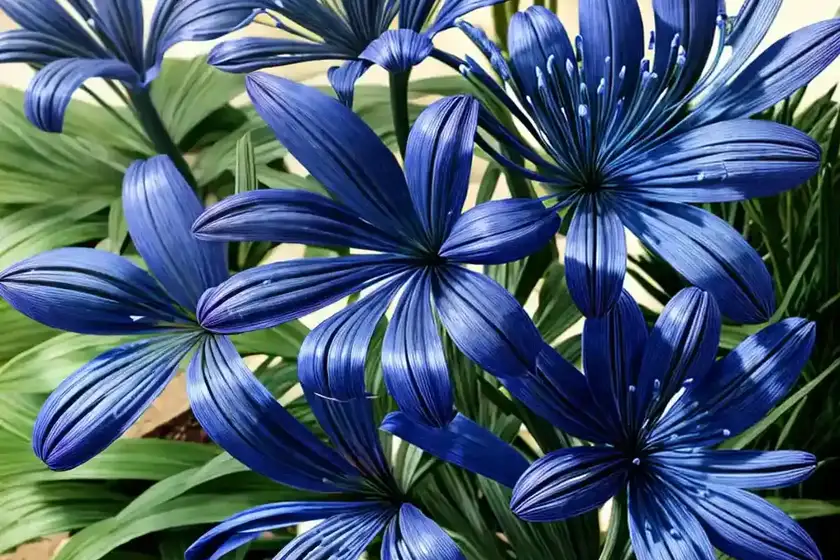
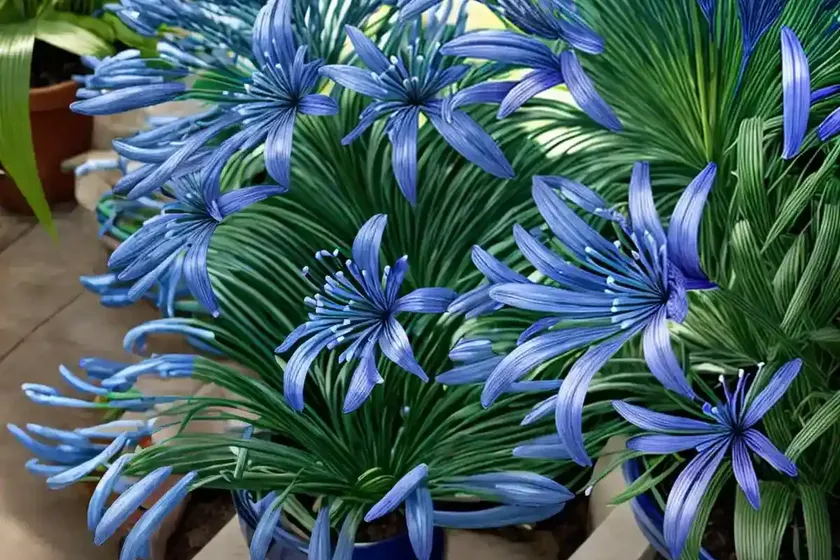
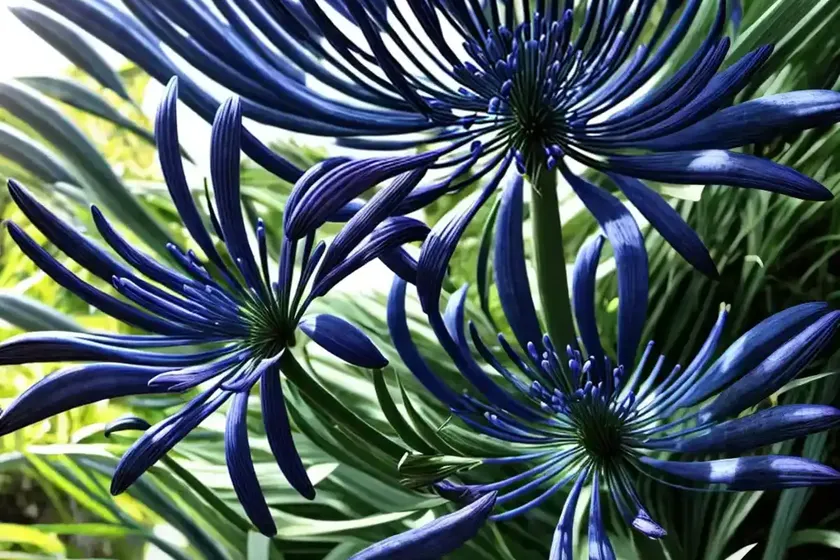
The Agapanthus Brilliant Blue, also known as African Lily, is a stunning flowering plant that has been captivating gardeners and plant enthusiasts for generations. Its vibrant blue flowers, attractive foliage, and versatility make it a popular choice for gardens, landscapes, and container plantings. In this comprehensive guide, we will delve into the various aspects of this magnificent plant, including its culture, uses, care requirements, and much more.
What is Agapanthus Brilliant Blue (African Lily)?
Agapanthus Brilliant Blue, a variety of Agapanthus africanus hybrid, is a perennial herbaceous plant cherished for its striking floral displays and ornamental qualities. Belonging to the Amaryllidaceae family, this plant is native to South Africa, where it thrives in a range of environments, from coastal regions to rocky slopes.
Plant Description
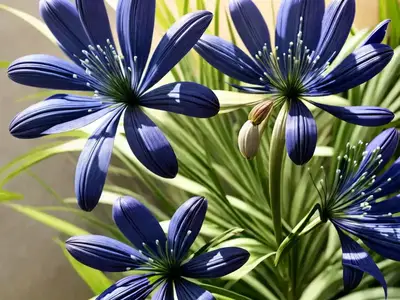
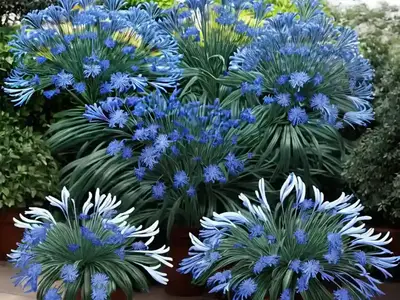
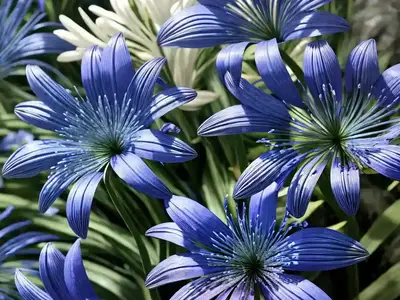
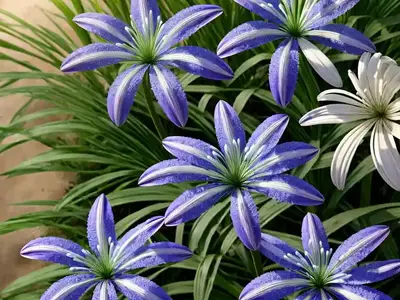
The African Lily Brilliant Blue is known for its bold clusters of blue flowers atop sturdy, upright stems. The strap-like leaves emerge from the base of the plant, forming attractive, fountain-like mounds that enhance the visual appeal of the plant, even when not in bloom. Its flower heads, consisting of numerous individual tubular blossoms, create a captivating display during the flowering season.
Key Takeaways – Agapanthus Brilliant Blue (African Lily)
Before we delve into the detailed aspects of Agapanthus Brilliant Blue, let’s explore some key takeaways about this captivating plant:
- Common Name: African Lily Brilliant Blue
- Scientific Name: Agapanthus africanus hybrid
- Flower Color: Vibrant blue
- Plant Type: Perennial herbaceous plant
- Uses: Gardens, landscapes, container plantings
- Native Habitat: South Africa
- Popular In: Coastal gardens, mixed borders, traditional gardens
Now that we have an overview of the plant, let’s explore the various facets of Agapanthus Brilliant Blue in detail.
Culture
Understanding the cultural requirements of Agapanthus Brilliant Blue is crucial for successfully growing and maintaining this plant. From water and sunlight needs to soil preferences and pruning techniques, let’s explore the culture of African Lily in detail.
Uses
Ornamental Use
The Agapanthus Brilliant Blue is primarily cultivated for its ornamental value. The striking blue flowers serve as focal points in gardens and landscapes, adding a touch of elegance and color to the surroundings. Whether grown in mass plantings, mixed borders, or as potted specimens, this plant never fails to capture attention.
Cut Flower
In addition to its value in the garden, the African Lily is also popularly used as a cut flower. The long-lasting blooms make it a favorite choice for floral arrangements and bouquets, adding a touch of exotic beauty to indoor spaces.
Drought-Tolerant Landscapes
Due to its resilience in the face of dry conditions, Agapanthus Brilliant Blue is often utilized in drought-tolerant or water-wise landscapes. Its ability to thrive with minimal water makes it an ideal candidate for sustainable garden designs.
Water
Water Requirements
Agapanthus Brilliant Blue demonstrates excellent tolerance to drought once established, making it a fantastic choice for water-wise gardening. However, during its initial establishment phase and periods of extreme drought, providing adequate water is crucial. It’s important to ensure that the plant’s root zone is consistently moist but not waterlogged.
Sunlight
Sunlight Needs
African Lily thrives in full sun to partial shade. However, to ensure optimal flowering and robust growth, it is advisable to provide it with at least 6-8 hours of direct sunlight daily. In hotter climates, partial shade during the hottest part of the day can protect the plant from excessive heat and potential sun damage.
Fertilizer
Fertilization Tips
When it comes to feeding Agapanthus Brilliant Blue, a balanced, slow-release fertilizer is recommended. Applying a fertilizer with a balanced NPK (nitrogen, phosphorus, and potassium) ratio in spring can promote healthy growth and prolific blooming. It is crucial to follow the manufacturer’s instructions regarding application rates to prevent over-fertilization, which can be detrimental to the plant.
Soil
Soil Preferences
This plant thrives in well-draining, loamy soil with a slightly acidic to neutral pH. While it can tolerate a range of soil types, including sandy and clay soils, providing well-draining conditions is essential to prevent waterlogging and root rot. Amending the soil with organic matter such as compost or peat moss can help improve its texture and moisture retention capabilities.
Pruning
Pruning Guidelines
Pruning Agapanthus Brilliant Blue primarily involves the removal of spent flower stalks and dead foliage. This helps maintain the plant’s aesthetic appeal and prevents the formation of seed pods that can divert energy away from flower production. Pruning can be performed after the blooming period to tidy up the plant and encourage new growth.
Propagation
African Lily can be propagated through various methods, including division, seed sowing, and tissue culture. Each propagation technique has its own set of advantages and requirements, allowing growers to choose the most suitable method based on their resources and expertise.
Division
Dividing established clumps of Agapanthus Brilliant Blue is a popular and effective propagation method. This is typically carried out in early spring or late summer when the plant is actively growing. The clumps can be carefully separated, ensuring that each division has a healthy root system and several growing points.
Seed Sowing
While Agapanthus Brilliant Blue can be propagated from seeds, it’s important to note that seed-grown plants may not always remain true to the parent plant, potentially resulting in variations in flower color and other characteristics. When propagating from seeds, it’s essential to provide the appropriate conditions for germination, including warmth, moisture, and well-draining seed-starting mix.
Tissue Culture
Tissue culture is a propagation method commonly used in commercial settings and research facilities. It involves the aseptic culture of plant cells, tissues, or organs in a nutrient-rich medium under controlled conditions. While tissue culture allows for the mass production of genetically identical plants, it requires specialized equipment and expertise.
Container Popularity
Agapanthus Brilliant Blue is highly popular for container gardening due to its compact size, stunning flowers, and adaptability to containerized environments. Whether grown in individual containers, mixed plantings, or as a focal point on patios and decks, this plant adds a touch of sophistication and color to outdoor living spaces.
Container Gardening Tips
Container Selection
When growing African Lily in containers, it is important to choose pots or containers with adequate drainage holes to prevent waterlogging. Additionally, selecting containers of appropriate size to accommodate the plant’s root system and provide stability is essential.
Soil Mix
Using a well-draining potting mix formulated for flowering plants is recommended for growing Agapanthus Brilliant Blue in containers. This allows for proper aeration and moisture retention, supporting healthy root development and overall growth.
Watering
Containerized plants often require more frequent watering than those grown in the ground due to the limited soil volume. It’s important to monitor the moisture levels in the container and water the plant when the top inch of the soil feels dry to the touch.
Fertilization
Applying a balanced, slow-release fertilizer designed for container plants can provide the necessary nutrients for sustained growth and flowering. Following the recommended fertilization schedule based on the product’s instructions is crucial for preventing nutrient deficiencies or excesses.
Common Diseases and Pest Control
Like any other plant, Agapanthus Brilliant Blue is susceptible to certain diseases and pests. Understanding the common issues that may affect this plant and implementing appropriate management strategies is vital for maintaining its health and vigor.
Disease Management
Leaf Spot
Leaf spot diseases caused by fungal pathogens can affect the foliage of Agapanthus Brilliant Blue, leading to the development of discolored patches or spots. To manage leaf spot, it is important to promote good air circulation around the plant, avoid overhead watering, and remove and destroy affected plant tissue.
Crown Rot
Excessive soil moisture and poor drainage can predispose African Lily to crown rot, a condition characterized by the rotting of the plant’s crown and roots. Prevention measures include ensuring well-draining soil, proper watering practices, and avoiding water accumulation around the base of the plant.
Pest Control
Aphids
Aphids are common pests that may attack Agapanthus Brilliant Blue, feeding on the plant’s sap and causing damage to the foliage. Control measures include using insecticidal soaps, horticultural oils, or introducing natural predators such as ladybugs to keep aphid populations in check.
Snails and Slugs
These voracious feeders can cause extensive damage to the leaves and flowers of the plant. To deter snails and slugs, various eco-friendly control methods such as copper barriers, diatomaceous earth, or beer traps can be employed to protect Agapanthus Brilliant Blue from these pests.
Botanist’s Tips
Flowering Habits
Agapanthus Brilliant Blue generally blooms in early to mid-summer, producing stunning clusters of blue flowers that can last for several weeks. Deadheading spent flowers can encourage the plant to produce additional blooms and prolong the flowering season.
Foliage Characteristics
The foliage of African Lily is characterized by glossy, strap-like leaves that form attractive clumps. The deep green leaves provide a beautiful backdrop to the vivid blue flowers, adding interest to the plant even when not in bloom.
Seasonal Care
In regions with colder winters, providing winter care such as mulching the plant’s base can offer protection from freezing temperatures. It’s important to monitor the moisture levels in the soil during the dormant season and ensure that the plant remains healthy until the arrival of spring.
Fun Facts
- Agapanthus Brilliant Blue is also known as Lily of the Nile, although it is not a true lily and is not native to the Nile River region.
- The name “Agapanthus” is derived from the Greek words “agape,” meaning love, and “anthos,” meaning flower, symbolizing love and beauty.
This brief overview provides a glimpse into the captivating world of Agapanthus Brilliant Blue. As we continue to explore the depths of its cultivation and uses, it becomes clear that this plant has much to offer to both novice and seasoned gardeners.
Links to External Resources
For additional information, resources, and visual references on Agapanthus Brilliant Blue, consider exploring the following links:
- Royal Horticultural Society: Agapanthus
- University of Florida IFAS Extension: Agapanthus spp. – Agapanthus
- North Carolina State University Extension: Agapanthus
- The American Horticultural Society: Plant Profile – Agapanthus
These resources offer a wealth of information, cultivation guidelines, and stunning images that can further enrich your understanding of Agapanthus Brilliant Blue and its cultivation.
In conclusion, the Agapanthus Brilliant Blue, with its dazzling blue blooms and versatile nature, stands as a testament to the beauty and resilience of plant life. Whether gracing garden borders, thriving in containers, or adorning landscapes, this plant continues to captivate admirers with its timeless allure and elegance. As we embrace the opportunities to cultivate and cherish this remarkable species, we embark on a journey enriched by the splendor of the African Lily, a plant that embodies enduring grace and natural splendor.
References
Cited resources and external references:
- Royal Horticultural Society. “Agapanthus.” https://www.rhs.org.uk/advice/profile?PID=128
- University of Florida IFAS Extension. “Agapanthus spp. – Agapanthus.” https://edis.ifas.ufl.edu/publication/ep349
- North Carolina State University Extension. “Agapanthus.” https://plants.ces.ncsu.edu/plants/agapanthus/
- The American Horticultural Society. “Plant Profile – Agapanthus.” https://ahsgardening.org/gardening-resources/plant-profiles/agapanthus/